“Back in My Day” Stories
Spend time with a boomer, and you’re sure to hear a few “back in my day” stories. They usually compare how things used to be with how they are now. Boomers like to share experiences or lessons. But to Gen Z, these stories feel tiring. They sometimes sound like today’s problems don’t matter as much. Younger people face different challenges, not easier ones. Gen Z wants understanding, not comparison. The stories aren’t bad at all, they just get frustrating when they happen all the time and stop real conversations about what life is like now. This disconnect creates a gap where both sides feel unheard or ignored. Without mutual respect for each other's unique struggles, these talks often end in silence rather than growth.
Check Please… Literally
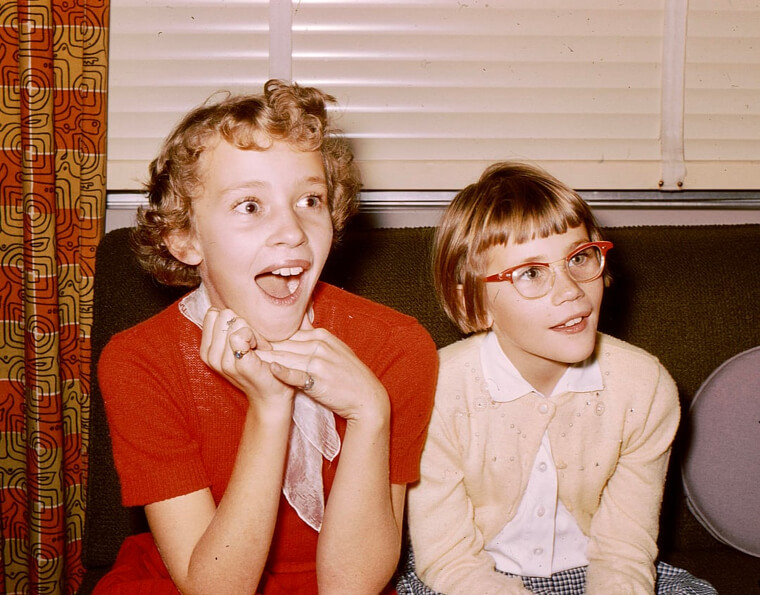
Boomers still writing checks for everyday purchases feels bizarre to Gen Z. We mean, come on, have they not heard of debit cards or Apple Pay? Instead, they stand at the counter, pull out their checkbook, and carefully fill everything out. Needless to say, it feels like time slows down for everyone else in the line. These days, we just tap a card or phone, and we’re done in two seconds. But boomers still trust their checks because they feel safe and official. Yes, they wait patiently, but Gen Z wonders how this is still a thing in 2026.
The Art of Balancing a Checkbook
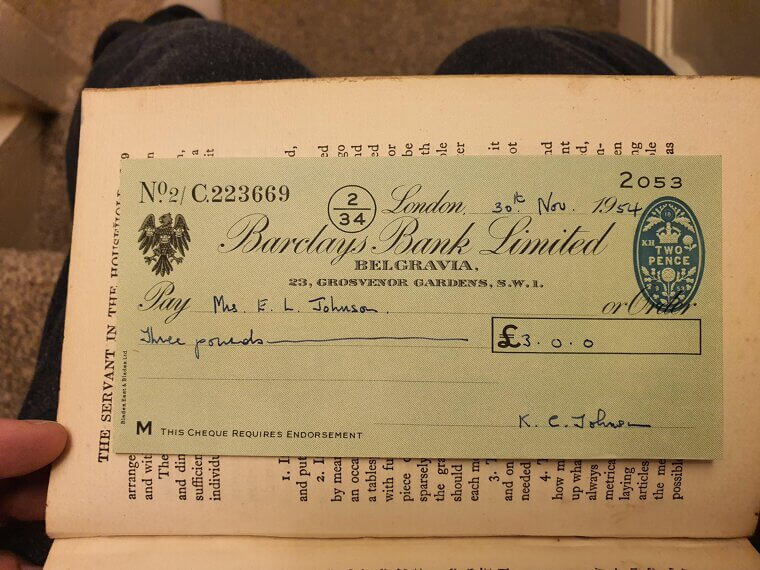
Balancing a checkbook takes some skill. Well, that’s what Gen Z thinks, anyway. Boomers sit down, review their transactions, and do the math by hand. Gen Z, however, opens an app and sees the numbers instantly because there’s an app for everything! For younger people, the bank already tracks everything, so they feel that doing it again is pointless and time-consuming. Boomers see it as smart money management, while Gen Z sees it as double the work for no reason, especially when everyone has access to a calculator on their phones.
Paperwork Palace
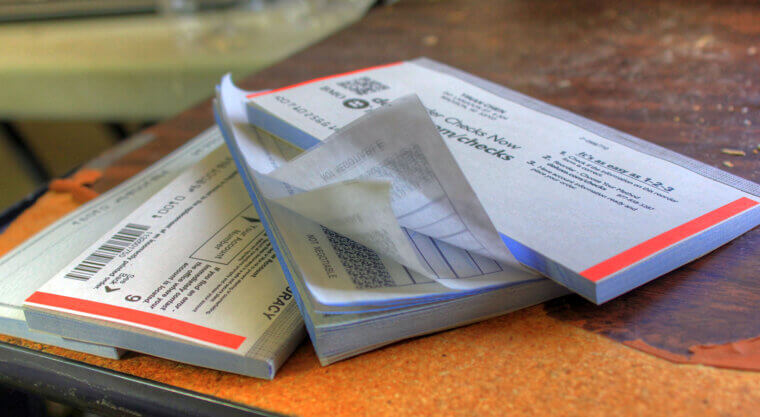
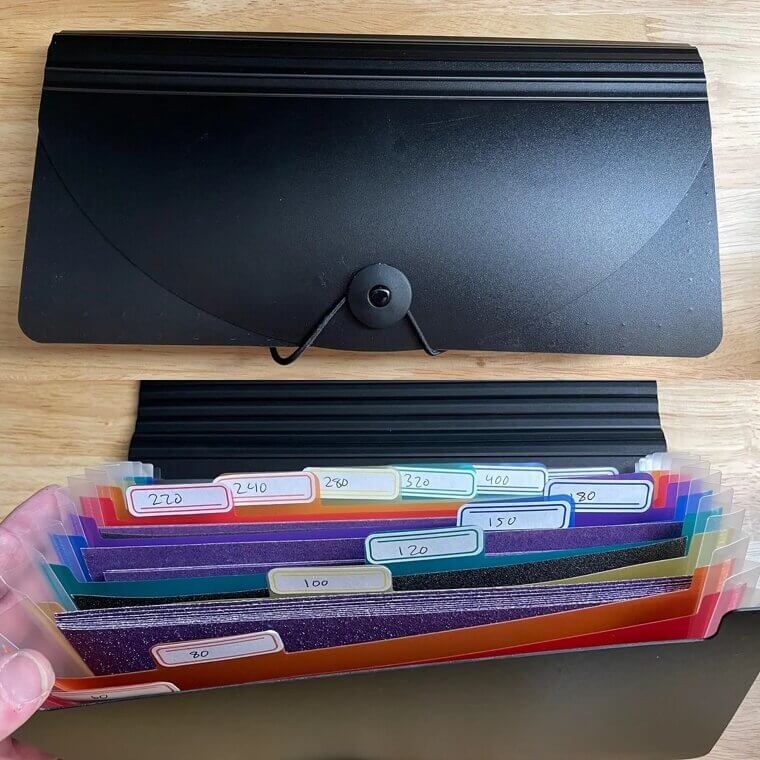
Who still gets paper bills and statements? Boomers, that’s who. Boomers still insist on paper bills and statements that they stuff into cabinets in folders. Gen Z can’t relate, and younger people prefer digital records they can search, store, and forget about. Boomers like paper because it feels real and safe. When a boomer says, “I need to file this,” Gen Z rolls their eyes because the idea of printing something that already exists online feels wild! Boomers want and need this paper trail. Gen Z wants less stuff and fewer drawers to open.
Morning Paper Ritual
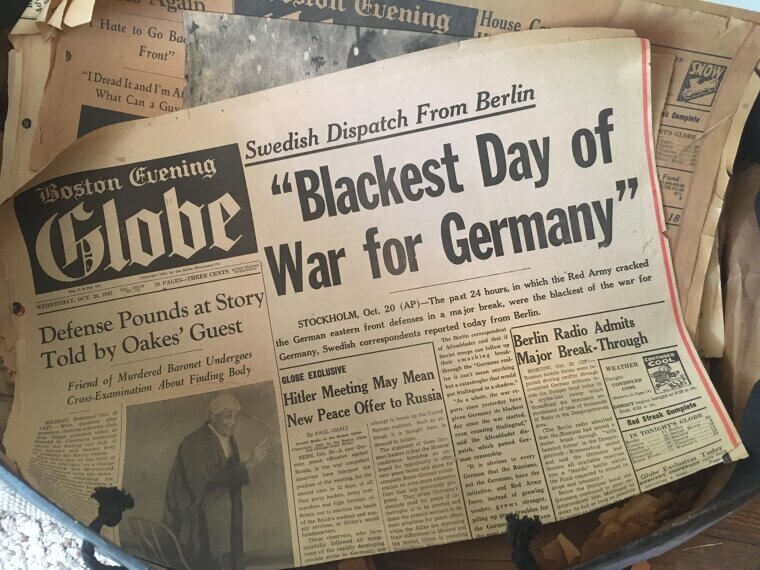
There’s nothing boomers love more than sitting down to read their printed newspaper. They really enjoy holding it, flipping the pages, and taking their time. Gen Z, however, usually gets the news by scrolling on their phone before they even get out of bed. Waiting for tomorrow’s paper feels silly and slow when news updates every minute online. Boomers seem to like the calm routine and trust printed news more than what they find online. The paper isn’t bad, it just feels like extra effort when everything is already on a screen - and mostly free.
Landline Loyalty
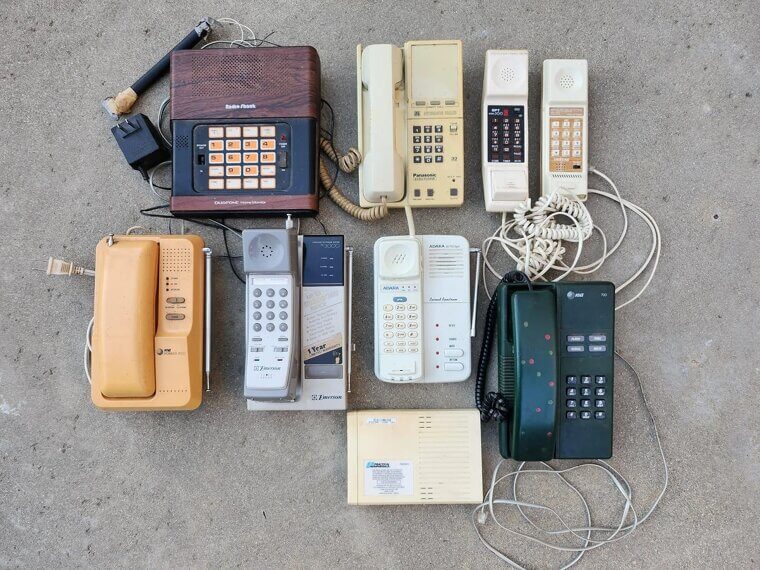
Boomers still using landline phones feels strange to Gen Z. Even stranger is answering with a full “Hello?” like there’s no caller ID, so you have to wait to find out who’s calling. Gen Z rarely answers any calls unless they’re expecting one. Texting feels way easier and less stressful. But boomers love their landlines because they’re reliable, familiar, and don’t need a manual to operate. They also don’t need to be charged, and you don’t have to upgrade any software to keep it running. When a landline rings, Gen Z freezes.
The Long Voicemail
Boomers leave long voicemails that explain everything in detail. They give updates, backgrounds, and reminders, often repeating themselves a few times. Gen Z, however, hates voicemails because they take up time to listen to. You can’t skim them or read them quickly like you can a text. Boomers think they’re being helpful and clear, but what Gen Zers really want is a short text they can read when they want to. Voicemails go unheard for days, creating guilt, and boomers don’t really understand why. If only everyone would just text, right?
Cash at All Time
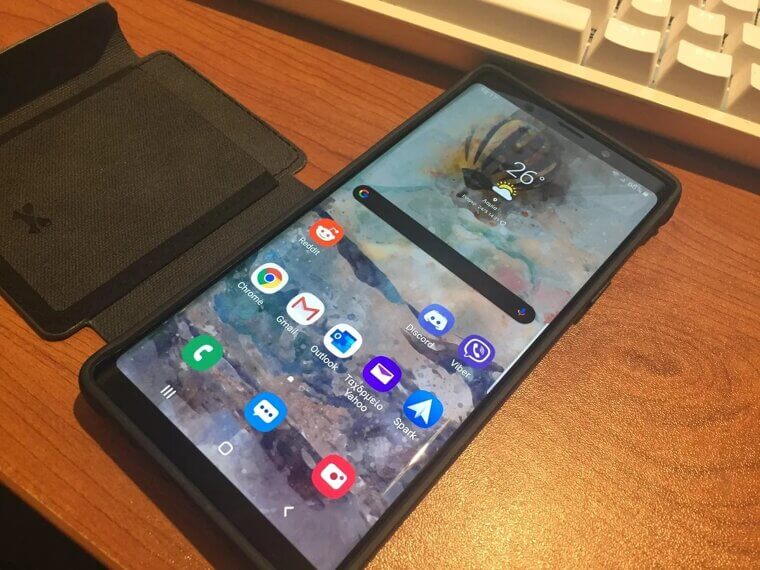
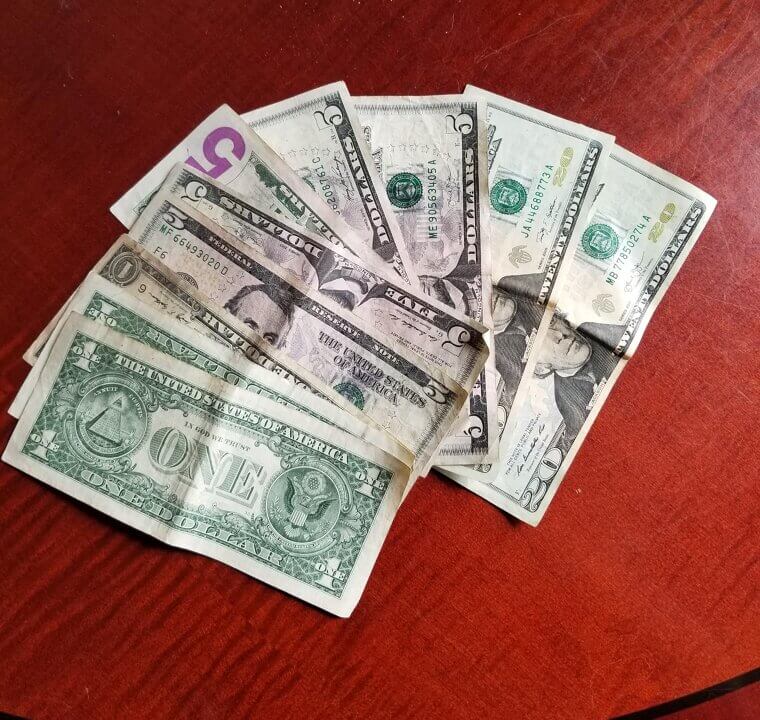
Cen Z mostly uses cards, phones, or apps to pay, while boomers carry cash absolutely everywhere. Paying with cash feels slower to younger people, especially for smaller purposes. But boomers love cash because it feels real and is way easier to control. Gen Z worries about losing it or forgetting where it went. Watching someone count out bills feels old-school. It’s not wrong - it just feels unnecessary in a world where tapping a phone or swiping a card takes two seconds and keeps a record automatically.
Stick Shift for the Win
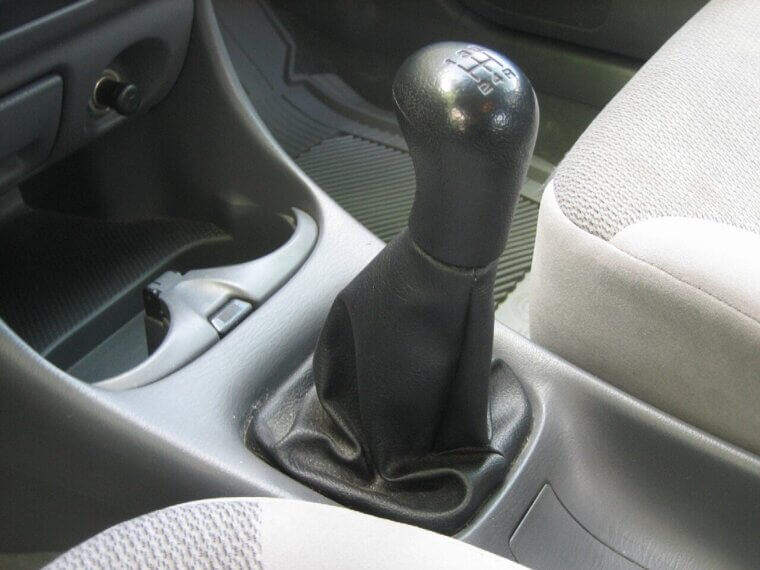
Boomers feel proud of driving a manual car. They see it as a real skill. Gen Z prefers automatic or stick shift cars because they’re easier and less stressful. They just want driving to be simple because traffic takes enough energy. Boomers say stick shift makes you a better driver, especially when you factor in the gears and clutch. Pride makes sense, but Gen Z doesn’t see the need to make driving harder than it has to be. Boomers love a good drive, even if it’s in a manual car.
Paper Map Collection
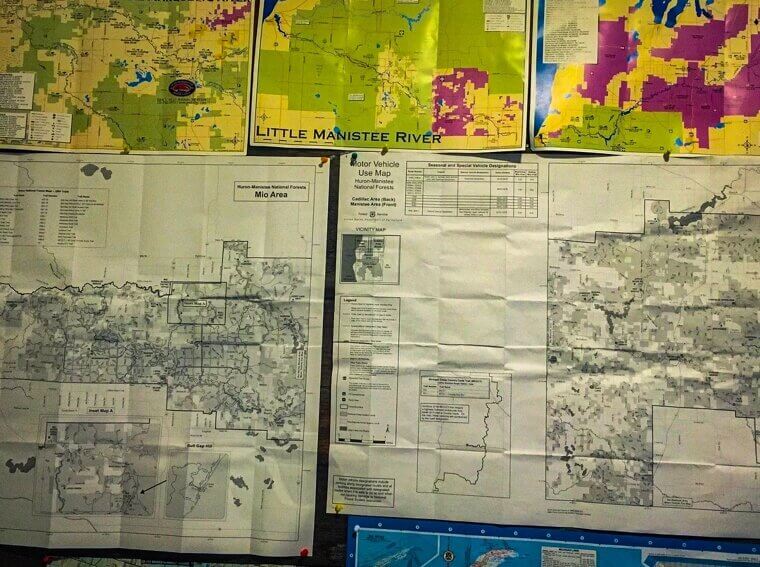
Boomers keeping stacks of paper maps and atlases feels strange to Gen Z. These maps live in glove boxes, drawers, or cupboards and almost never get used. Boomers like them because they don’t rely on technology and never “lose signal.” Gen Z trusts GPS because it updates traffic, reroutes instantly, and talks out loud. Watching someone pull out a huge folded map while a phone sits right there feels confusing. Boomers feel prepared and smart. Gen Z feels impatient. The maps aren’t wrong or useless - they just feel slow and hard compared to something that updates itself automatically.
Cable TV Loyalty
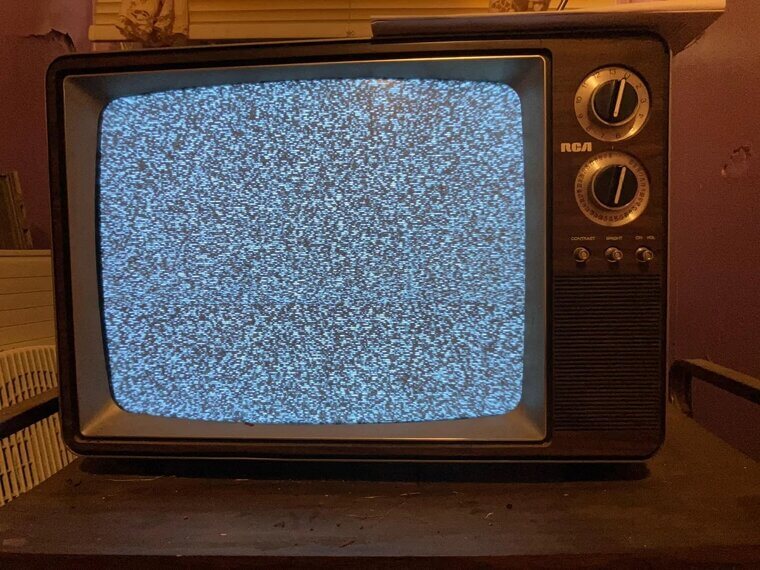
With all the streaming platforms available today, it’s a bit odd that boomers still prefer their cable TV. They flip through channels, wait for shows to start, and sit through long ad breaks. Gen Z streams shows whenever they want and skip ads completely. Waiting for a specific time to watch something feels stressful and unnecessary. Boomers like the routine and comfort of cable. Gen Z wants control and choice. Channel surfing feels random instead of intentional. Sitting through commercials feels painful. Cable TV feels cosy to boomers.
Book-Based Answers
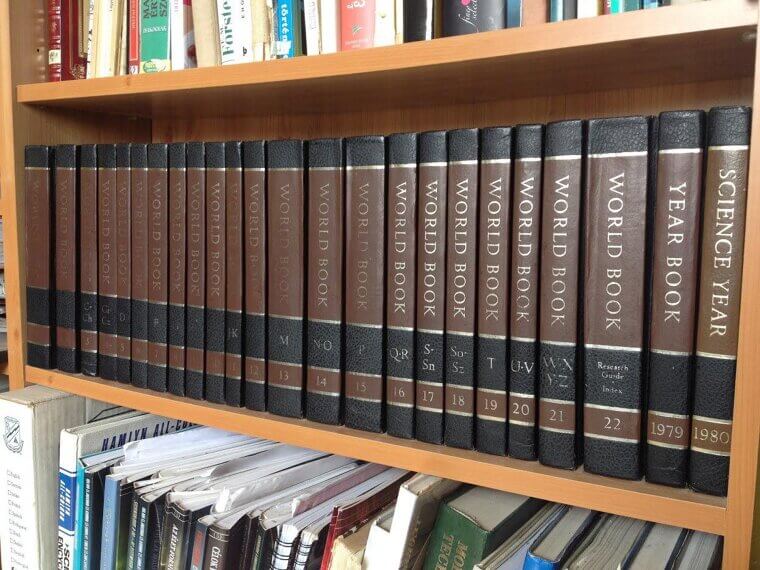
Forget Wikipedia or Google, boomers still use encyclopedias or reference books to look things up. These books take up space and require flipping through pages to find the answer they’re looking for. All Gen Z does is open their favorite search engine on their phone and get results in seconds. Boomers trust books because they feel solid and reliable. Gen Z trusts online searches because they update constantly. Watching someone spend time searching a book feels unnecessary when the answer is right there online, but boomers enjoy the process.
The “Just in Case” Drawer
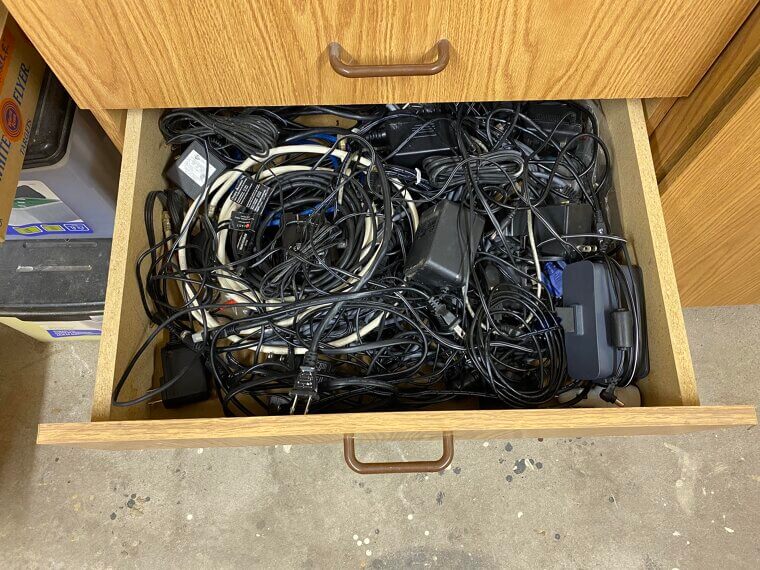
Boomers love keeping old cords, manuals, remotes, and VHS tapes just in case they might need them one day. Gen Z opens these drawers and feels overwhelmed. Most of these items don’t match current devices anymore. Manuals are online. VHS players are gone. Boomers fear throwing something away that could be useful later. Gen Z fears clutter and wasted space. Cleaning these drawers often turns into a debate instead of progress. The drawer never gets fully cleared, and everyone walks away slightly annoyed, but also amused by how much history can fit into one messy space.
Smoking Nostalgia
Boomers sometimes talk about smoking like it was a normal and social habit - and, back in the day, it was. They remember smoke breaks, social cigarettes, and how common it used to be. Gen Z mostly sees smoking as unhealthy and outdated. Younger people grew up with strong health warnings and anti-smoking campaigns. Boomers speak about it casually or with nostalgia. Gen Z reacts with concern or discomfort. This difference isn’t about judging - it’s about changing times. What once felt normal now feels risky. Conversations can feel awkward because both generations grew up with very different messages about smoking.

Exhaustion as a Flex
Boomers often brag about working long hours and being constantly tired. They talk about missed sleep like it proves dedication. Gen Z doesn’t see that as impressive. Younger people value rest, balance, and mental health. Boomers connect success with pushing through exhaustion. Gen Z believes burnout is a warning sign, not a goal. Hearing someone proudly say they never took breaks sounds unhealthy to younger ears. Boomers see strength and discipline. Gen Z sees stress and long-term problems. This difference often causes tension, especially at work, where priorities feel completely different.