Skipping Daily Sun Protection
Many people believe that sunscreen is only necessary for a day at the beach, but the reality is that incidental sun exposure is the primary driver of premature aging. UV rays are present even on cloudy days and can penetrate through glass windows while you are driving or working in an office. These rays break down collagen and elastin, the essential proteins that keep skin firm and youthful. Over time, this cumulative damage leads to deep wrinkles, leathery texture, and the formation of sunspots. By 2026, the standard for skincare should be a broad spectrum SPF applied every single morning regardless of the weather. Neglecting this one step allows the sun to accelerate the aging process significantly faster than genetics alone. Consistent protection is the most effective way to prevent the sagging and discoloration that often define an aging complexion.

Chronic Sleep Deprivation
The term "beauty sleep" is backed by significant biological science that many busy adults tend to ignore. During deep sleep, the body undergoes a process of cellular repair and regeneration, specifically in the skin. When you consistently get less than seven to eight hours of rest, your body produces more cortisol, the stress hormone. Elevated cortisol levels can break down the skin's collagen supply and lead to increased inflammation. Furthermore, sleep is when the body balances its hydration levels; without enough rest, the skin cannot recover its moisture, resulting in puffy eyes, dark circles, and a dull, dehydrated appearance. Chronic tiredness makes fine lines appear deeper and reduces the skin's ability to recover from environmental stressors. Making sleep a non-negotiable priority is essential for anyone looking to maintain a vibrant and resilient facial structure over the long term

Excessive Sugar Consumption
Your diet plays a massive role in how quickly your skin ages, and sugar is one of the most destructive culprits. Through a process called glycation, sugar molecules in the bloodstream attach to proteins like collagen and elastin, creating harmful new molecules called Advanced Glycation End products (AGEs). These AGEs make your collagen brittle and less elastic, leading to skin that sags and wrinkles prematurely. While many focus on topical creams, the internal damage caused by a high-sugar diet is often much harder to reverse. Reducing your intake of processed sweets and high-fructose corn syrup can significantly slow down the visible signs of aging. By protecting your collagen from the inside out, you preserve the natural bounce and smoothness of your skin. It is a fundamental lifestyle shift that yields far better results than even the most expensive luxury serums on the market.

Inadequate Daily Hydration
Dehydration is an immediate age accelerator that manifests as fine lines and a lack of radiance. When the body is not properly hydrated, it pulls moisture from the skin to support vital organ functions, leaving the complexion looking "crepy" and sunken. This lack of internal moisture makes the skin less resilient to external movements, meaning that expression lines from squinting or smiling are more likely to become permanent fixtures on your face. Furthermore, well hydrated skin has a natural plumpness that reflects light better, creating a youthful glow. When you are dehydrated, your skin looks flat and shadows become more prominent, especially around the eyes and mouth. Drinking enough water and consuming water-rich foods is a simple yet foundational habit that ensures your skin cells stay turgid and healthy, providing a natural defense against the structural collapse that leads to sagging.

Neglecting the Neck and Hands
A common mistake in many skincare routines is stopping at the jawline, leaving the neck and hands vulnerable to rapid aging. The skin on the neck is thinner and has fewer oil glands than the skin on the face, making it much more susceptible to dryness and wrinkling. Similarly, the hands are constantly exposed to the sun and environmental pollutants, yet they are rarely given the same level of care as the face. This leads to a stark contrast where a person may have a smooth face but a "turkey neck" or heavily spotted hands that betray their true age. To combat this, every product used on the face, including cleansers, serums, and especially sunscreens, should be extended down to the chest and applied to the backs of the hands. Treating these areas as part of your facial routine is vital for maintaining a cohesive and youthful appearance, as they are often the first places where neglected habits become visible

Constant Exposure to Blue Light
In the modern era, we spend a staggering amount of time staring at smartphones, tablets, and computer screens. These devices emit blue light, also known as High Energy Visible (HEV) light, which can penetrate deeper into the skin than UV rays. Emerging research suggests that prolonged exposure to blue light can lead to oxidative stress, causing skin cells to age prematurely and contributing to hyperpigmentation. This "digital aging" is a relatively new phenomenon, but its effects are becoming increasingly clear as people spend more hours in front of screens. Using blue light filters on devices and looking for skincare products that contain antioxidants like Vitamin C or specialized HEV protection can help mitigate this damage. Being mindful of your screen time is not just good for your mental health; it is a necessary protective measure for preserving the long term integrity and even tone of your complexion.

Rubbing and Tugging the Eyes
The skin around the eyes is the thinnest and most delicate on the entire body, making it incredibly prone to mechanical aging. Habits such as rubbing your eyes when tired, tugging at the lids while applying makeup, or aggressively scrubbing off mascara can cause micro-tears and permanent stretching. Over time, this repetitive physical stress leads to the premature development of crow's feet and under-eye bags. Once the skin in this area loses its elasticity due to physical trauma, it is very difficult to tighten without professional intervention. It is crucial to handle the eye area with extreme care, using only your ring finger for product application and opting for gentle, oil-based cleansers that melt away makeup without the need for friction. By treating the eye area with the softness it requires, you can significantly delay the onset of the fine lines that often act as the first visible signs of the aging process.

High Stress and Lack of Relaxation
Mental and emotional stress manifests physically on the skin through various pathways. When you are under constant pressure, your body is in a perpetual "fight or flight" mode, diverting blood flow away from the skin and toward your muscles and heart. This deprives the skin of oxygen and essential nutrients, leading to a sallow and aged appearance. Stress also triggers the release of pro-inflammatory cytokines, which can exacerbate skin conditions like eczema, rosacea, and acne, all of which contribute to long term tissue damage. Additionally, people under stress tend to furrow their brows or clench their jaws, creating deep-set "frown lines" and tension in the facial muscles that can alter the face's shape over time. Incorporating daily relaxation techniques, whether through meditation, exercise, or a hobby, is a critical anti-aging strategy that addresses the internal environment responsible for your skin's outward health.

Sleeping on Your Face
The position in which you sleep can have a profound impact on the development of "sleep wrinkles." When you press your face against a pillow for eight hours a night, the skin is subjected to constant pressure and friction. Over years, these compression lines can become permanent, particularly on the cheeks and forehead. Unlike expression lines that form from muscle movement, sleep wrinkles are the result of the skin being physically folded and held in place. Switching to a back-sleeping position is one of the most effective ways to prevent this type of mechanical aging. If sleeping on your back is not an option, investing in a silk or satin pillowcase can reduce the friction and tugging on the skin, allowing it to glide more easily. While it may seem like a minor detail, the cumulative effect of thousands of nights spent pressing your face into a cotton pillow can add years to your appearance.

Using the Wrong Cleansing Temperature
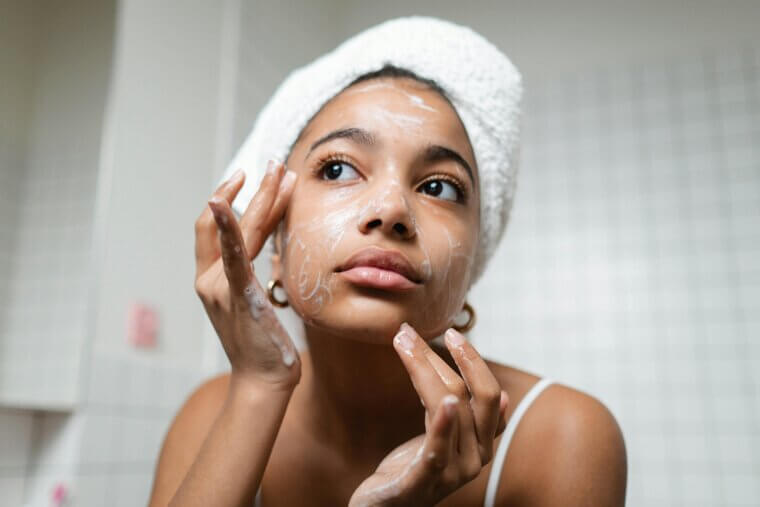
While a steaming hot shower might feel relaxing, hot water is incredibly damaging to the skin's natural protective barrier. High temperatures strip away the essential oils and lipids that keep the skin hydrated and protected from environmental irritants. When this barrier is compromised, the skin becomes dry, inflamed, and much more susceptible to the formation of fine lines. This is especially true for the face, where the skin is more sensitive than the rest of the body. To preserve your skin's youthful moisture, you should always wash your face with lukewarm water. This temperature is effective enough to remove dirt and excess oil without shocking the skin or causing broken capillaries. Consistently using water that is too hot leads to chronic dryness, which is one of the fastest ways to make skin look aged, dull, and weathered. Cold or lukewarm water helps maintain a tight, healthy, and vibrant complexion.