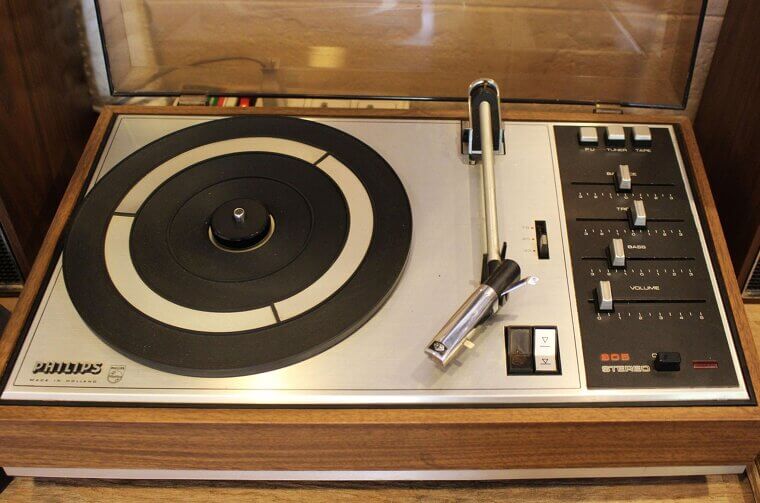
Lasting Vinyl Record Players
Turntables in the '80s played vinyl records with a needle, a platter, and a motor. The sound was warm and full because the grooves in the record captured every detail of the original recording. You placed the record on the platter, lowered the tonearm, and listened. No compression, no data loss, no algorithms deciding what you should hear next. The mechanical parts were simple enough to repair if something wore out. Modern streaming services are convenient, but the audio is compressed to save bandwidth. Vinyl gives you the whole sound, the way it was meant to be heard. And when you're done listening, you have something physical to hold onto, not just a playlist that might disappear tomorrow.
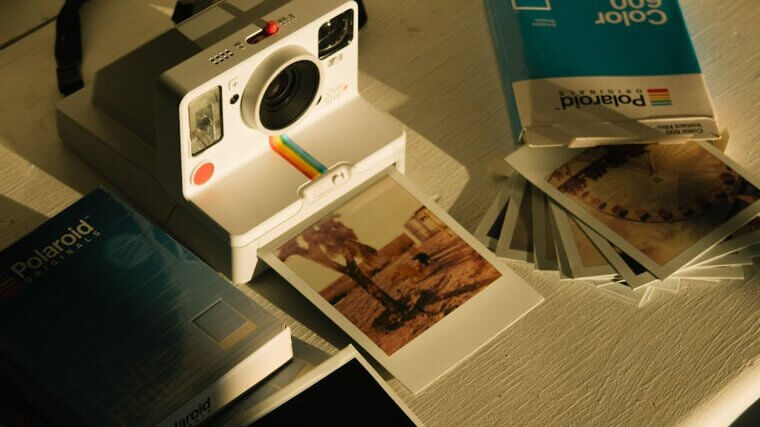
Sturdy Polaroid Instant Photos
Polaroid cameras gave you a finished photo in your hand within minutes. You pressed the button, the camera whirred, and out came a picture that developed right in front of you. The chemical process happened right there in the film pack—no darkroom needed, no waiting days for prints to come back from the store. You could watch the image slowly appear, colors shifting from green to their final tones. The original Polaroids were built with metal frames and glass lenses. They felt solid in your hands and lasted for decades without breaking down. You knew exactly what you got the moment you took the shot. No scrolling through a hundred digital copies trying to pick the best one.
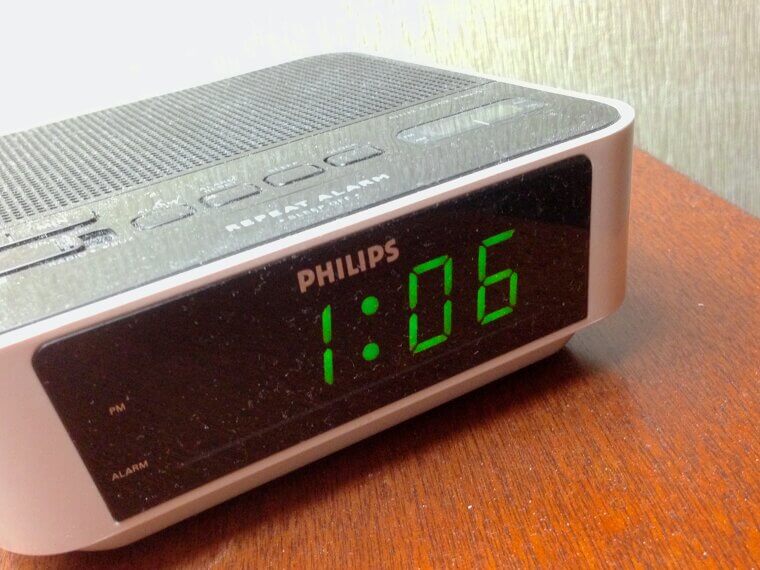
Simple Digital Alarm Clocks
Those red LED alarm clocks with the big numbers never needed resetting unless the power went out. You set the time once, maybe twice a year for daylight saving, and it just worked. The alarm was loud enough to wake you up but not complicated to set. Two buttons, maybe three, and you were done. Smartphone alarms depend on software updates, battery life, and whether you remembered to turn the ringer volume up. A power surge won't erase the time on your phone, but it also won't wake you up if the battery died overnight. The old digital clocks kept time with simple circuits that didn't need constant attention. You glanced at them in the dark and saw exactly what time it was.
Accurate Mechanical Timers
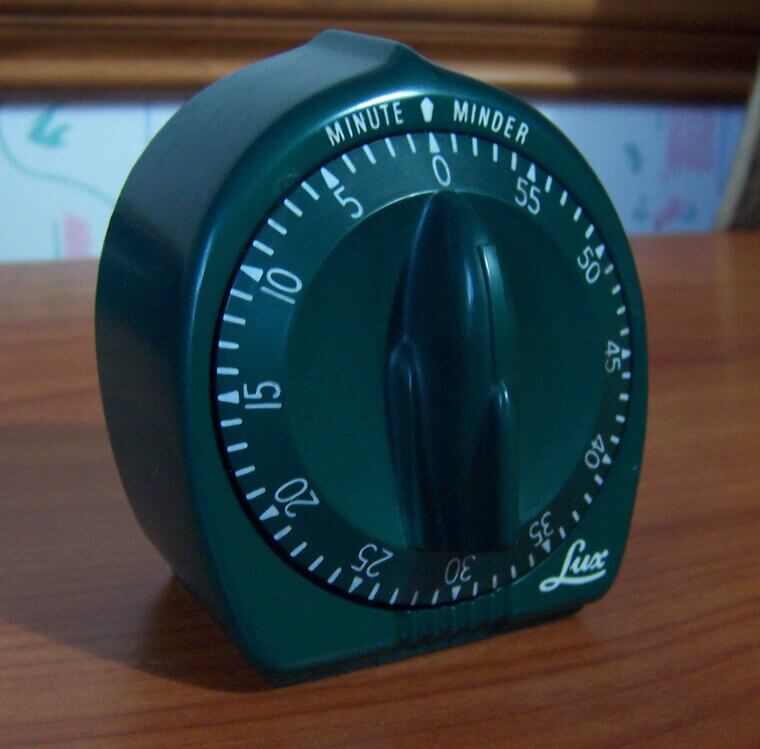
Mechanical kitchen timers ticked down the minutes with a spring-loaded dial and a bell that rang when time was up. You twisted the dial, set it on the counter, and forgot about it until you heard the ring. No touchscreens, no apps, no wondering if you actually started the timer or just looked at it. The mechanism inside was all gears and springs, nothing that needed electricity or software. Digital timers today can do more, but they also fail more. Buttons stop responding, displays fade, and batteries die right when you need them most. A mechanical timer kept working because there wasn't much to break. Wind it up, and it counted down. That's all it ever needed to do.
Powerful Boom Box Sound
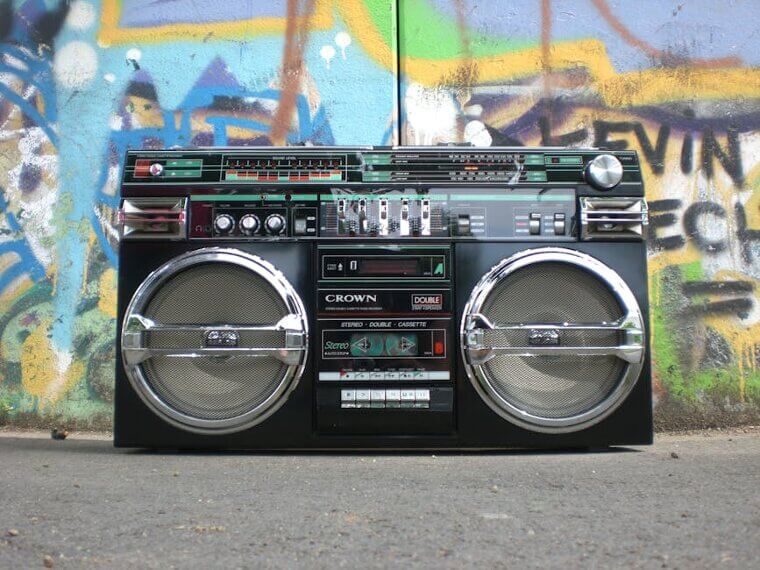
Boom boxes filled a room with sound using speakers the size of dinner plates. The bass was deep, the treble was clear, and you didn't need an app or a wireless connection to make it work. You pressed play, and music came out loud and strong. Modern Bluetooth speakers are smaller and more portable, but they don't have the power to shake the floor or fill a backyard the way a boom box could. The sound from those big speakers felt full because they moved more air. You could hear every instrument, every vocal layer, without turning the volume all the way up. And when the batteries ran low, you plugged it into the wall and kept the party going.
Durable Walkman Cassette Players
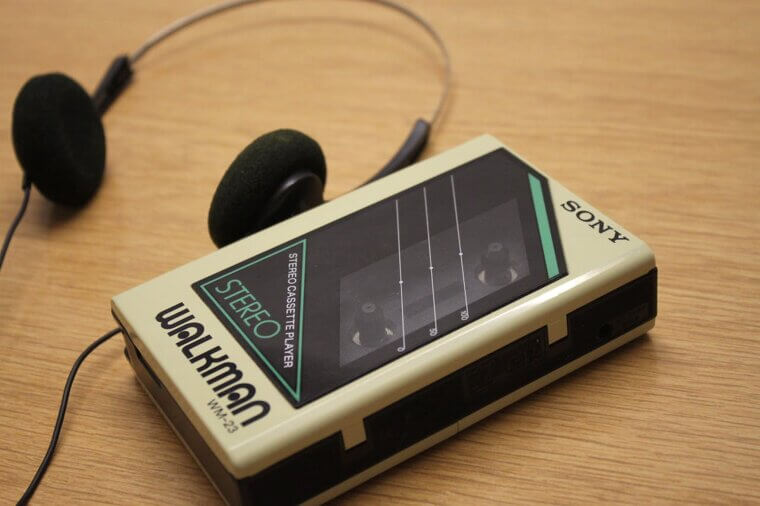
A Walkman could survive being dropped, tossed in a backpack, or left in a hot car. The metal casing protected the gears inside, and if something did break, you could usually see what went wrong and fix it. You controlled your music with physical buttons—play, stop, rewind, fast forward. Each one clicked when you pressed it, so you knew it registered. The headphone jack was a simple plug that either worked or didn't, no pairing process or compatibility issues. A Walkman ran on two AA batteries that you could replace anywhere. You could listen all day, and when it finally stopped, you just popped in fresh batteries and kept going.
Dependable Film Cameras
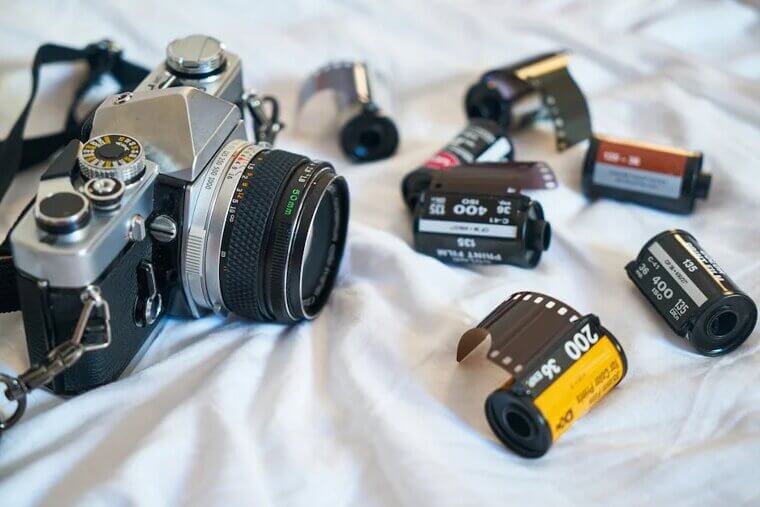
Film cameras made you think before pressing the shutter because you only had 24 or 36 shots per roll. You framed the picture, checked the lighting, and made sure it was worth taking. The photos came out with a depth and texture that digital images still try to replicate with filters. Film didn't need batteries to capture the image, just to advance the roll and power the light meter. You could shoot all day, drop the roll off at the drugstore, and pick up prints a few days later. Digital cameras today take thousands of photos, but most of them get deleted or forgotten. Film forced you to be intentional, and the results felt more valuable because of it.
Strong Metal Flashlights
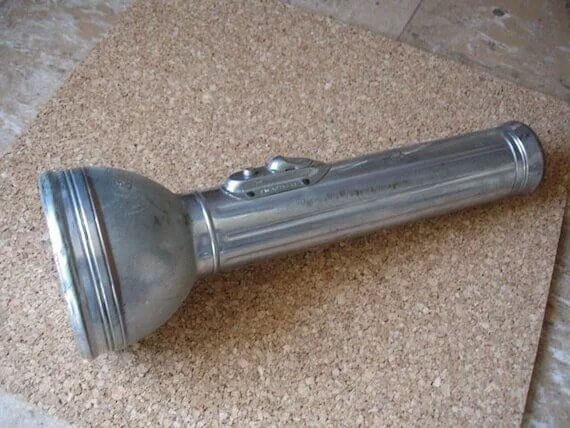
Metal flashlights from the '80s were built like tools, not toys. The body was aluminum or steel, heavy enough to use as a hammer if you needed to. The bulb screwed in, the batteries dropped into a tube, and the switch clicked on and off with a solid feel. You could drop one off a roof, run it over with a car, and it would still turn on. The beam was bright and steady, no flickering or dimming until the batteries were nearly dead. The old metal ones didn't have circuit boards. Just a bulb, a reflector, and a simple switch. They worked in the rain, the cold, the heat, and they kept working for decades.
Efficient Toaster Performance
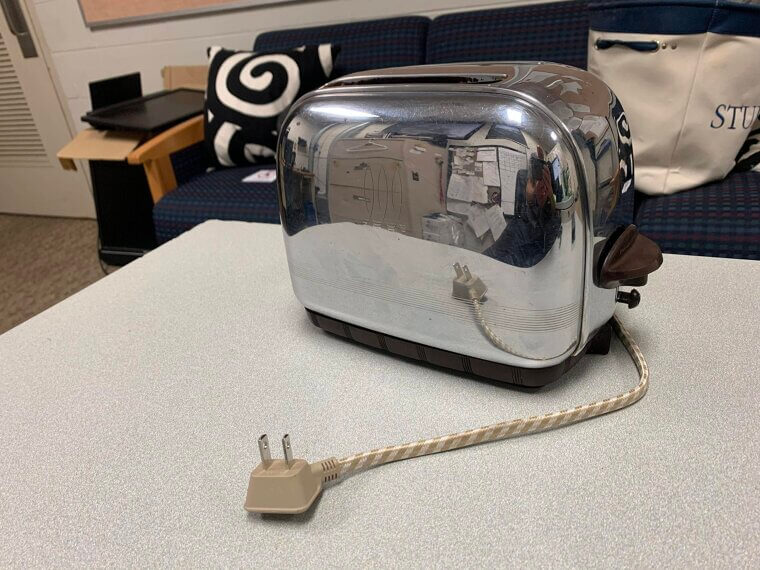
Toasters from the '80s had a simple dial, a lever, and a heating element. You set the darkness level, pushed the lever down, and waited for the toast to pop up. The metal body conducted heat evenly, and the thick wire coils browned bread consistently every time. Modern toasters have more settings and digital displays, but they also have more plastic parts that melt and more sensors that fail. The old ones didn't need sensors because the timer was mechanical. When time ran up, the toast popped. If it wasn't dark enough, you pushed it down again. No guessing, no uneven browning, no burning one side while the other stayed pale. Just reliable, even toast every morning.
Precise Manual Can Openers
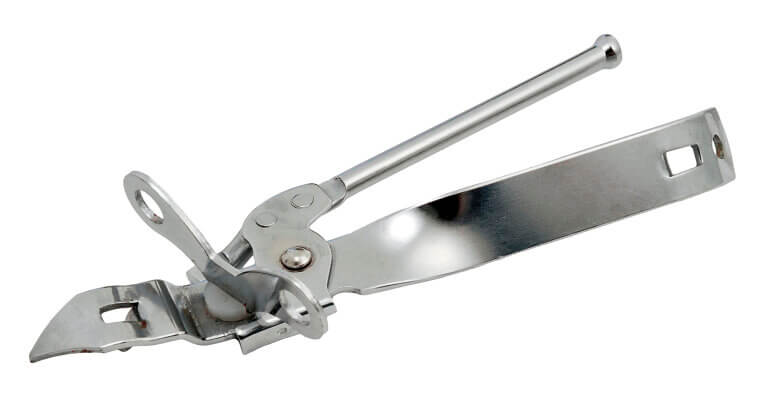
Manual can openers from the '80s were made from solid metal with sharp cutting wheels that didn't dull easily. You clamped it onto the can, turned the handle, and the lid came off clean. The cutting wheel bit into the metal rim and followed it around in one smooth motion. You felt the resistance change as it worked its way around the can, so you knew when you were almost done. A manual opener fit in a drawer, worked in any situation, and lasted decades. The design was simple because it didn't need to be complicated. Two pieces of metal, a cutting edge, and a handle. That's all it took to open a can.
Simple Calculator Functions
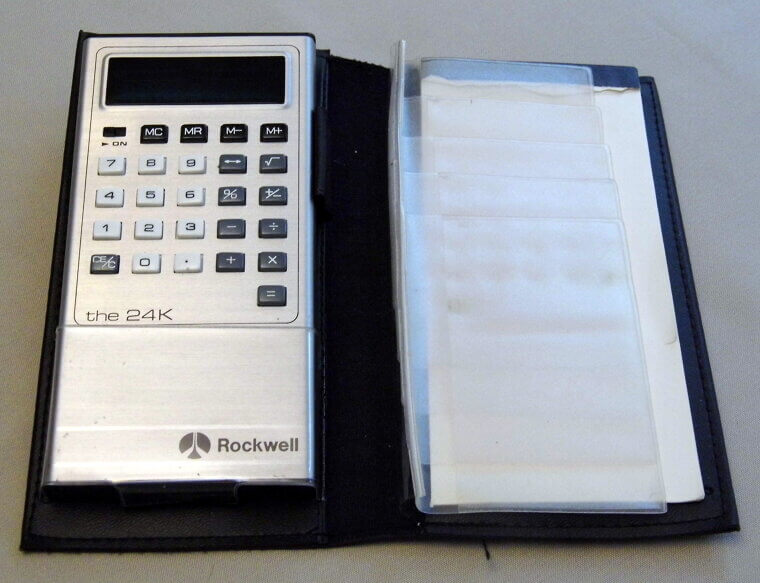
Calculators in the '80s had physical buttons that clicked when you pressed them. You felt the input register, and the numbers showed up on the display instantly. Solar-powered models worked under any light, and battery-powered ones ran for years on a single coin cell. The functions were straightforward because that's all most people needed. Add, subtract, multiply, divide, maybe a square root button. Smartphone calculator apps do more, but they also require unlocking your phone, opening the app, and hoping the touchscreen registers your taps correctly. A standalone calculator sat in a drawer, ready to use the second you picked it up. No loading time, no updates, no distractions.
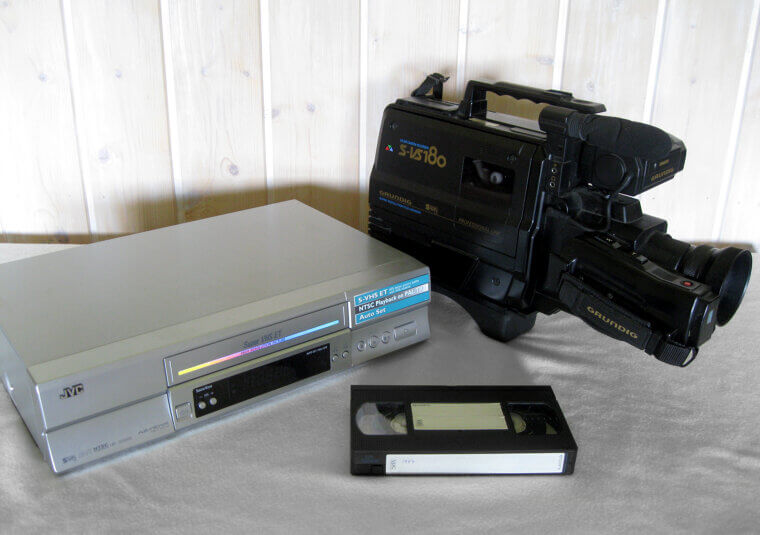
Solid VHS Recording Quality
VHS tapes let you record a show, label it, and keep it on a shelf for years. The quality wasn't perfect, but it was good enough to watch again and again. You pressed record, the tape rolled, and you had a copy of whatever was on TV. No subscriptions, no cloud storage, no wondering if the service would delete your recording to make room for new content. The tapes wore out eventually, but they lasted a long time if you took care of them. Modern DVRs offer better picture quality and more storage, but they depend on software that updates, crashes, and sometimes erases everything without warning. A VHS tape didn't need an internet connection to play back what you recorded.
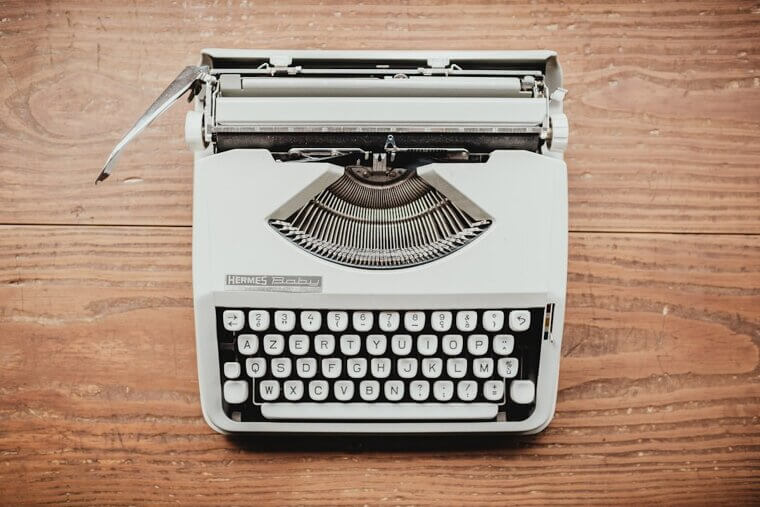
Reliable Typewriter Keys
Typewriters in the '80s didn't autocorrect, didn't crash, and didn't lose your work if the power blinked. You hit a key, and a metal arm stamped ink onto paper. The sound of the keys clacking gave you feedback that something was happening. The carriage return bell dinged when you reached the end of a line, a satisfying reminder to keep moving. If you made a mistake, you saw it immediately and fixed it with correction tape or fluid. Electric typewriters made the process faster, but even manual ones worked without electricity. You finished a page, pulled it out of the roller, and had something real in your hands.
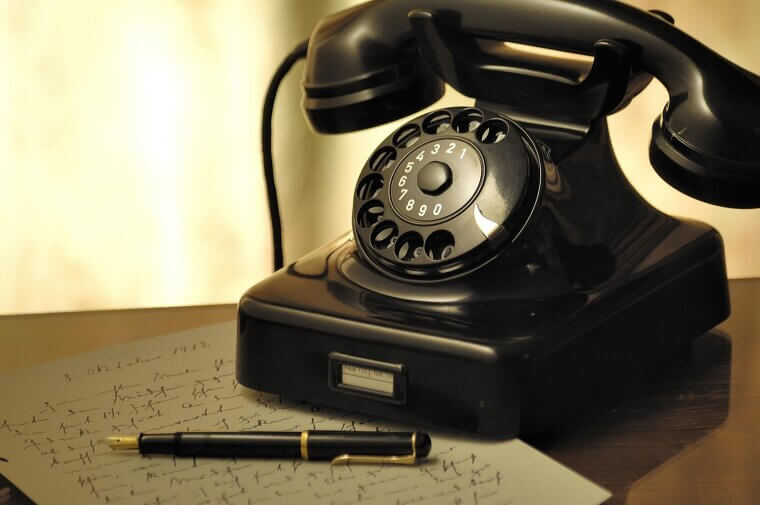
Reliable Rotary Phone Connections
Those heavy rotary phones from the '80s sat on kitchen counters and hall tables for decades without breaking down. The mechanical dial mechanism was simple—springs, gears, and a number wheel that clicked back into place. No circuit boards to fry, no software to crash. When you picked up the receiver, you heard that familiar dial tone instantly. The sound quality was surprisingly good too, carried through thick copper wires that ran directly to the phone company's lines. You could drop one of these phones, knock it off the table, even get the cord tangled up, and it still worked perfectly. That chunky plastic housing protected everything inside. These weren't designed to be replaced every few years—they were built to last a lifetime.
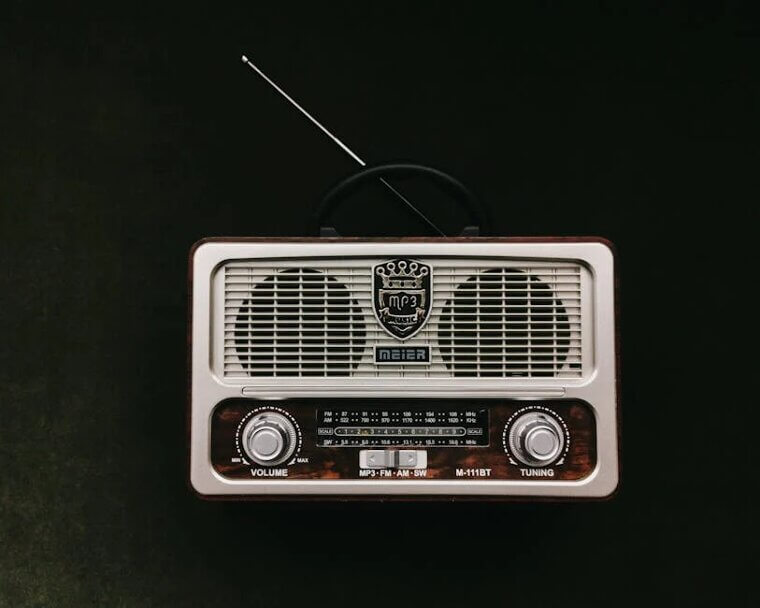
Durable Radio Reception
AM/FM radios from the '80s picked up stations from miles away with just a telescoping antenna. You turned the dial, heard static, kept turning, and landed on a clear signal. The tuner was analog, so you could fine-tune the frequency until the music came through crisp. Battery-powered models worked anywhere, and plug-in versions kept playing through storms and outages if you had a backup power source. Digital radios today sound clearer when they work, but they cut out completely when the signal drops. Analog radio degraded gradually, so you could still hear the station even if it wasn't perfect. You didn't need an app, a subscription, or an internet connection. Just turn it on and listen.
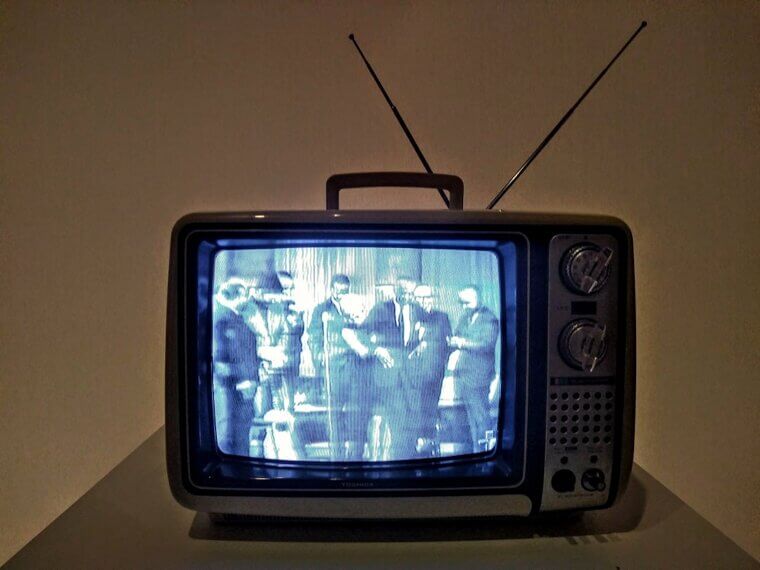
Clear Analog TV Reception
Analog TVs in the '80s pulled signals out of the air with rabbit ear antennas or rooftop aerials. When the signal was strong, the picture was clear and steady. You didn't deal with buffering, loading screens, or error messages telling you the network was unavailable. Adjusting the antenna was part of the routine, and once you found the right angle, the picture stayed put. Digital TV signals today either work perfectly or cut out completely. There's no in-between, no snowy picture that still lets you follow the show. Analog signals degraded gradually, so you could still watch even if the reception wasn't perfect. You saw the game, the news, the movie, without waiting for anything to load.