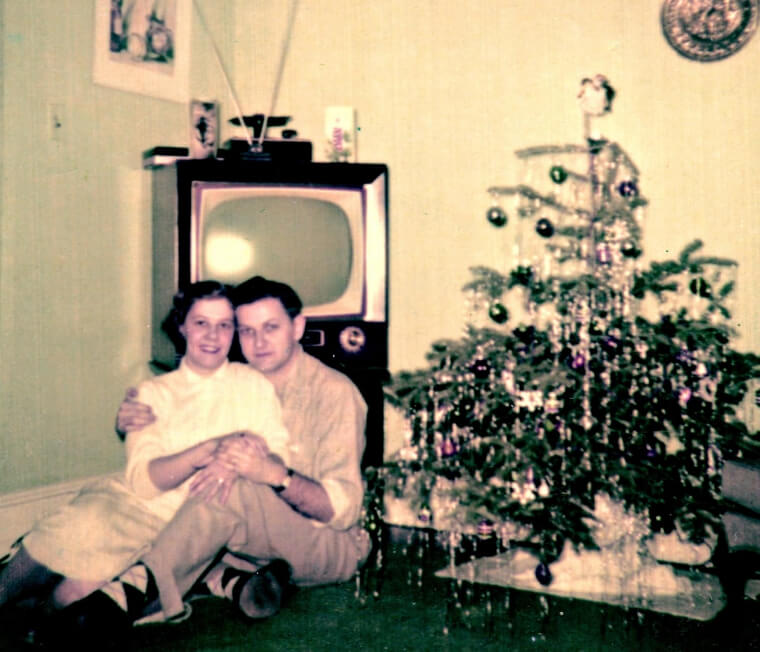
The Clarity of the Formal Invitation
In the 1950s, there was no such thing as a vague text message asking to hang out. A date was a formal request made days in advance. This established a clear sense of intent from the very beginning. When a person asked for a date, they specified a time, a place, and an activity. This eliminated the anxiety of "situationships" and the confusion of wondering if a meeting was a romantic encounter or just a casual gathering of friends. By setting a firm plan, both individuals showed respect for each other's time and schedule. In a modern world filled with last-minute cancellations and "maybe" RSVPs, this level of certainty provided a foundation of security. It allowed both parties to prepare mentally and physically, ensuring that the focus remained on getting to know one another rather than worrying about the logistics of the evening.
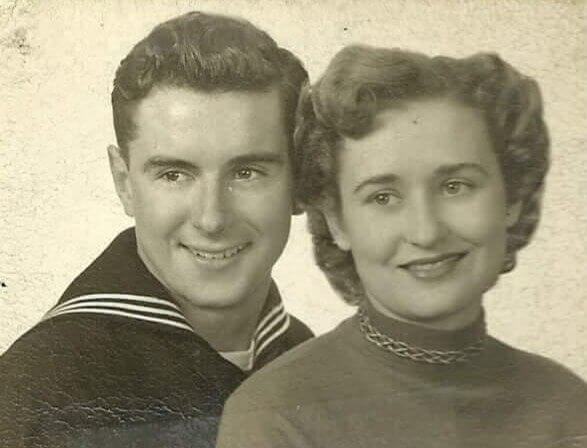
Dressing for the Occasion
Dating in the mid-twentieth century was treated as a special event, and the attire reflected that importance. Men typically wore suits or sports coats, while women donned their best dresses. This practice was not just about vanity; it was a sign of mutual respect. By putting effort into their appearance, each person signaled to the other that the date was worth their time and energy. This ritual created a sense of occasion that is often lost in today’s world of casual wear and sweatpants. When you dress up for someone, it elevates the mood and makes the encounter feel more significant. It encourages better behavior and a more refined attitude throughout the night. This tradition helped distinguish a romantic pursuit from a mundane daily activity, making the time spent together feel truly unique and valued by both participants.

The Punctuality Standard
Being late for a date in the 1950s was considered a major social transgression. Punctuality was a hallmark of character and reliability. If a man said he would pick up a woman at seven o'clock, he was at her door at exactly seven o'clock. This built immediate trust. It showed that the person was dependable and took their commitments seriously. In the digital age, people often use smartphones to send "running five minutes late" messages as an excuse for poor time management. However, the old-school rule of being on time eliminated the frustration of waiting and the feeling of being undervalued. Starting a date on time meant starting on a positive note, without the stress of apologies or explanations. It reinforced the idea that the person you were meeting was a priority, not an afterthought in a busy schedule.
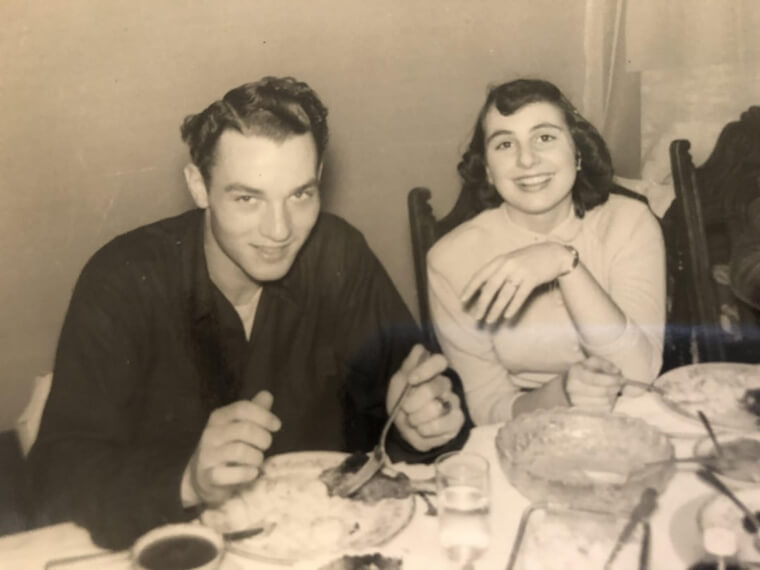
The Art of Focused Conversation
Without the distraction of smartphones or constant digital notifications, couples in the 1950s had no choice but to talk to one another. Deep, focused conversation was the primary form of entertainment. People learned how to ask meaningful questions and listen intently to the answers. This helped individuals determine compatibility much faster than modern swiping culture. You had to be present in the moment and engage with the person sitting across from you. Eye contact was mandatory, and active listening was a required skill. This rule of undivided attention fostered genuine emotional intimacy. It allowed for a level of connection that is difficult to achieve when people are constantly checking their phones for likes or emails. Modern dating could benefit greatly from this "phone-free" philosophy to build real bonds between people.
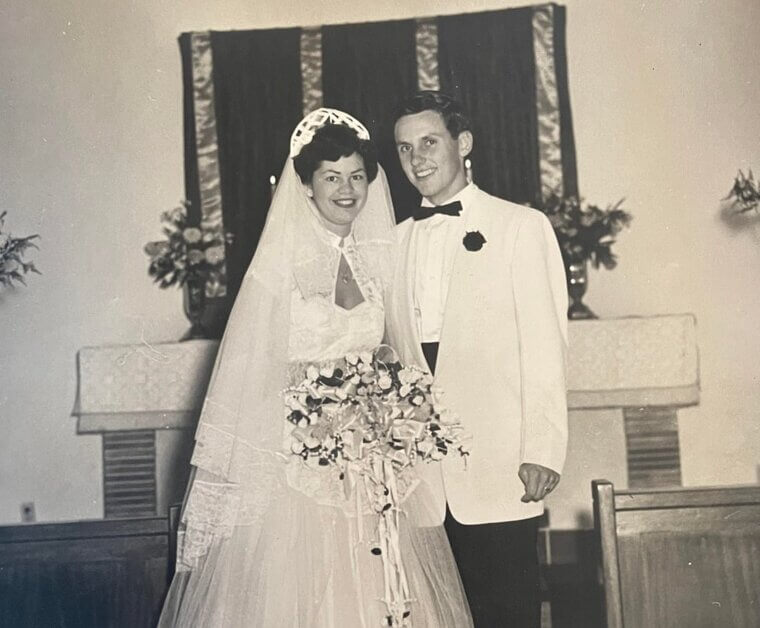
Meeting the Family at the Door
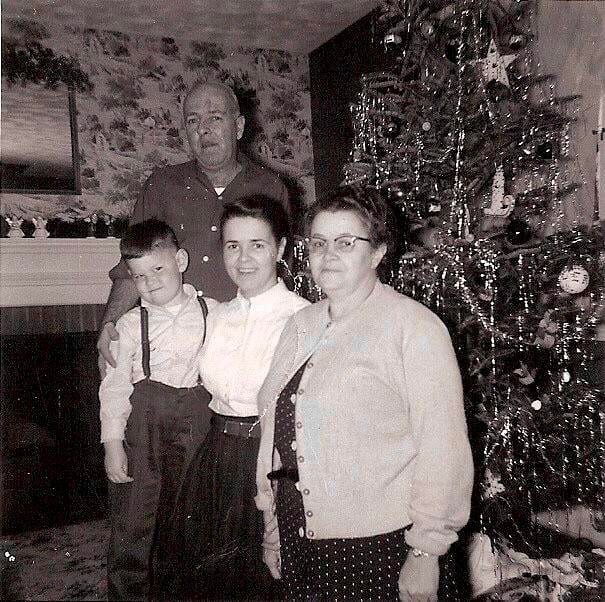
The concept of "curbside pickup" did not exist in 1950s dating culture. A man was expected to walk up to the front door, ring the bell, and often exchange pleasantries with the parents or roommates. This rule served as a built-in accountability system. It forced the suitor to be on his best behavior because he was being observed by the people who cared most about his date. For the person being picked up, it provided a sense of safety and social validation. It integrated dating into a wider social circle rather than keeping it a secret or a private experiment. While it might seem intimidating today, this practice ensured that everyone was transparent about their intentions. It prevented ghosting and promoted a level of social responsibility that made dating a more honorable and community-supported endeavor.
Defining the Relationship Early
While the 1950s had various stages of dating, such as "going steady," the definitions were always clear. There was very little "gray area" regarding where a couple stood. If you were going steady, you wore a class ring or a pin to signify your commitment to the world. This clarity prevented the modern heartbreak of one person thinking the relationship is exclusive while the other is still keeping their options open. Having these social milestones made it easier to navigate the emotional landscape of romance. It provided a roadmap for how the relationship should progress. People knew the rules and the expectations, which reduced the mental exhaustion associated with modern dating games. Knowing exactly where you stand with a partner allows for a more relaxed and honest connection to grow over time.
The Chivalry of Protective Gestures
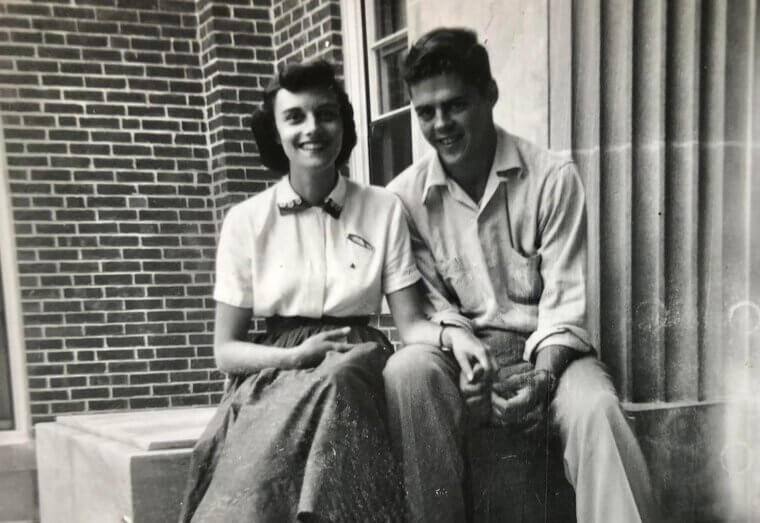
Simple gestures like opening doors, pulling out chairs, or walking on the street side of the sidewalk were standard practices. While some may view these as outdated, they were originally designed to show care and protection. These small acts of service communicated that one person was looking out for the comfort and well-being of the other. It created an environment of politeness and gentility. These gestures were not about implying weakness, but about demonstrating thoughtfulness. In a fast-paced world, these "mini-rituals" provide moments of connection and remind both partners to be considerate of one another. Practicing chivalry fosters an atmosphere of mutual appreciation. When someone goes out of their way to make you feel comfortable, it sets a positive tone for the entire relationship and builds a foundation of kindness.
Respecting the "End of the Night" Boundaries
In the 1950s, there were very clear social expectations regarding the end of a date. There was a respectful distance maintained, and boundaries were generally understood and honored. This lack of ambiguity allowed individuals to feel safe and respected throughout the evening. There was no pressure to rush into physical intimacy or to stay out later than one felt comfortable. Curfews, whether set by parents or by social convention, provided a natural end to the evening that left both parties wanting more. This "slow burn" approach to romance helped build long-term tension and interest. It allowed a relationship to develop based on personality and shared values rather than just physical attraction. Respecting these boundaries showed that the individuals valued each other as people, not just as temporary companions.
The Importance of Group Activities
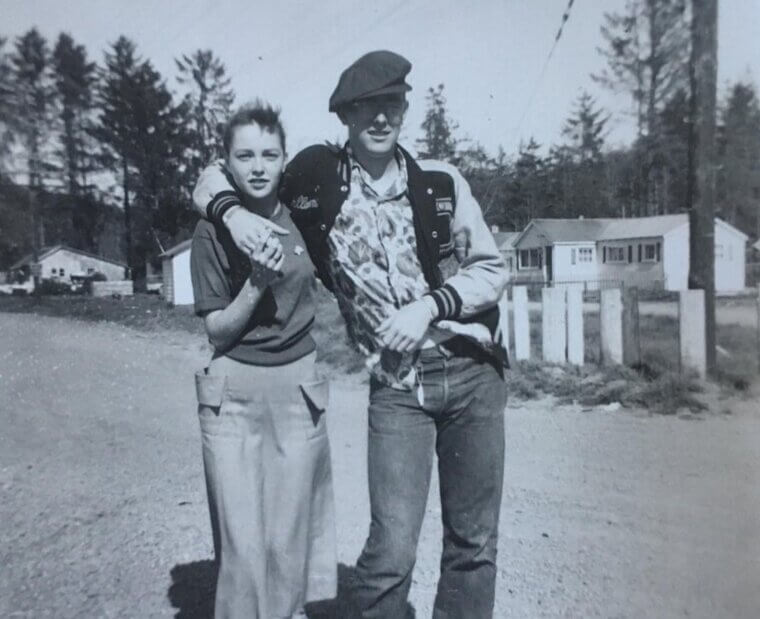
Dating was not always a secluded, one-on-one affair. Group dates at soda shops, dances, or community events were incredibly common. This allowed friends to observe how a potential partner interacted with others. Seeing how a person treats a waiter, a stranger, or a mutual friend provides valuable insight into their true character. Modern dating often isolates two people in a bubble where they only see the "best version" of each other. By engaging in social settings, couples in the 1950s could see if their personalities truly meshed within a broader social context. It took the pressure off the individual and made the dating process feel like a fun, shared experience rather than a high-stakes interview. This social integration is a healthy way to build a relationship that can withstand the realities of daily life.
Direct and Honest Communication
If a second date was not going to happen, people were generally more direct about it. While "ghosting" is a modern plague enabled by technology, the 1950s required a more face-to-face approach to social rejection. Because people lived in tighter-knit communities, your reputation mattered. Being rude or dishonest could have social consequences. This encouraged people to be more upfront about their feelings. If a match wasn't right, the communication was usually handled with a level of tact and finality. This allowed everyone to move on without the lingering "what ifs" that haunt modern singles who are left waiting for a text that never comes. Returning to a standard of honest, direct communication would solve many of the frustrations found in today's dating landscape. It builds a culture of integrity and maturity.