When Dessert Meant More Than Just Something Sweet
There was a time when desserts were not rushed, store bought, or treated as an afterthought. They marked the end of a meal, the effort of the cook, and often the reason people lingered at the table just a little longer. Many of these old school desserts required patience, planning, and confidence in the kitchen, which made them feel special when they finally appeared. Over the years, changing schedules and convenience foods pushed many of them aside. What remains is a collection of flavors and traditions that older generations remember clearly, even if they rarely see them anymore. Looking back at these forgotten desserts is about more than nostalgia. It is a reminder of when food was tied closely to care, occasion, and the simple pleasure of making something by hand.
Baked Custard in Porcelain Cups
Baked custard was once a dessert that felt gentle, dependable, and quietly elegant. It appeared at Sunday dinners, holiday meals, and special occasions when something homemade but not flashy was called for. Made from milk, eggs, sugar, and a touch of nutmeg or vanilla, baked custard relied on careful timing and patience rather than decoration. It was poured into porcelain cups or shallow dishes and baked slowly until just set. Families knew not to rush it. The custard was meant to be smooth, warm, and comforting, not overly sweet or dramatic. Over time, desserts became louder, richer, and more indulgent, pushing simple custard aside. Today, many people associate custard only with packaged pudding cups. What has been lost is the ritual and calm that came with it. Baked custard invited you to slow down, sit at the table, and enjoy something subtle. For older generations, it recalls quiet evenings, careful cooking, and a kind of dessert that did not try to impress but always satisfied.

Pineapple Upside Down Cake
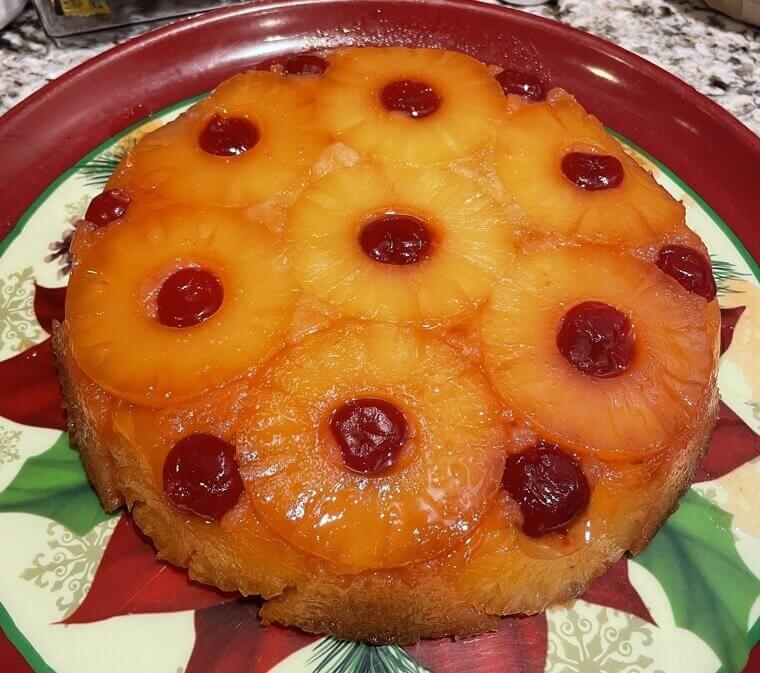
Pineapple upside down cake once felt festive and modern, especially when canned pineapple became widely available. The glossy rings, bright cherries, and caramelized sugar topping made it feel special without being complicated. Families baked it in cast iron skillets or round pans and flipped it dramatically onto serving plates. The reveal was part of the excitement. This cake showed up at potlucks, birthdays, and neighborhood gatherings because it traveled well and looked impressive. Over time, lighter cakes and frosted desserts replaced it. Today, pineapple upside down cake is often treated as a novelty rather than a classic. That is a shame, because it balanced sweetness, fruit, and cake in a way few modern desserts do. For those who grew up with it, the cake brings back memories of shared tables and recipes passed hand to hand. It deserves a comeback not for nostalgia alone, but because it still holds up as a warm, welcoming dessert meant to be shared.
Rice Pudding Served Warm
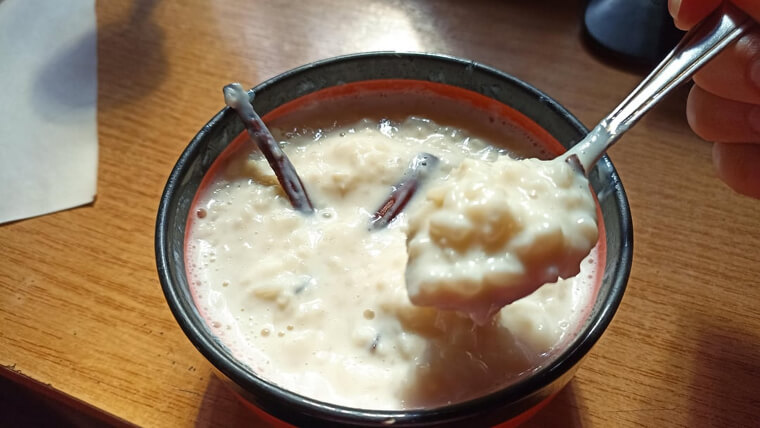
Rice pudding was a dessert that blurred the line between comfort food and sweet treat. Made from simple ingredients like milk, rice, sugar, and cinnamon, it simmered slowly on the stove until thick and creamy. Families served it warm in bowls, often as a quiet end to a meal rather than a centerpiece. Rice pudding was practical, using pantry staples, but it felt indulgent because of the time it required. Over the years, convenience foods replaced it. Instant puddings and packaged desserts pushed slow simmering recipes aside. Today, rice pudding is often overlooked or associated with blandness. Older adults remember it differently. They remember the smell filling the kitchen, the steady stirring, and the way it felt nourishing and satisfying. Rice pudding deserves a comeback because it offers comfort without excess. It reminds people that dessert does not need to be complicated to be meaningful.
Junket Custard
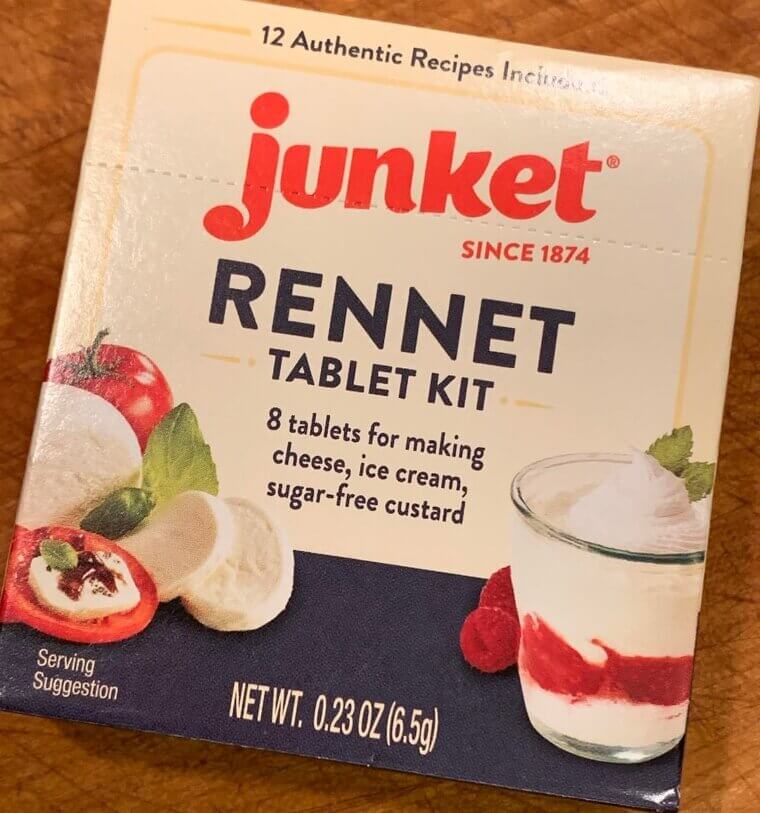
Junket custard was once a common dessert that appeared in many households. Made using rennet tablets, milk, and sugar, it set softly into a delicate, spoonable texture. It felt almost magical to children watching liquid turn into custard without baking. Junket was often served plain or lightly flavored, sometimes topped with fruit or a sprinkle of cinnamon. Over time, junket faded away as rennet became harder to find and packaged desserts took over. Many people today have never heard of it. For older adults, junket brings back memories of simple desserts served without fuss. It was gentle, light, and easy to digest, which made it popular across generations. Bringing it back would mean rediscovering a dessert that valued texture and subtle flavor over richness. Junket custard represents a time when desserts were as much about curiosity and tradition as they were about sweetness.
Shoepeg Corn Pudding
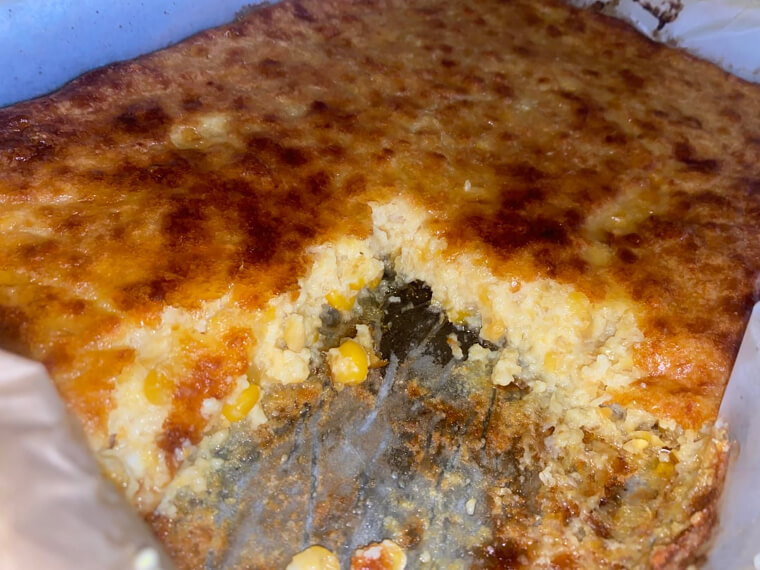
Corn pudding made with shoepeg corn was a dish that lived somewhere between side dish and dessert. Slightly sweet, creamy, and comforting, it appeared at holiday meals and Sunday dinners. Shoepeg corn, with its small, tender kernels, gave the pudding a unique texture. Families baked it slowly until set, serving it warm alongside savory dishes or sometimes as a sweet finish. Over time, recipes became more specialized, and corn pudding faded from dessert tables. Today, it is often forgotten entirely. For older generations, it recalls family gatherings where recipes did not fit neatly into categories. Dessert did not always mean chocolate or cake. Corn pudding deserves a comeback because it reflects a flexible, creative approach to cooking that valued what was available and familiar.
Tapioca Pudding With Real Pearls
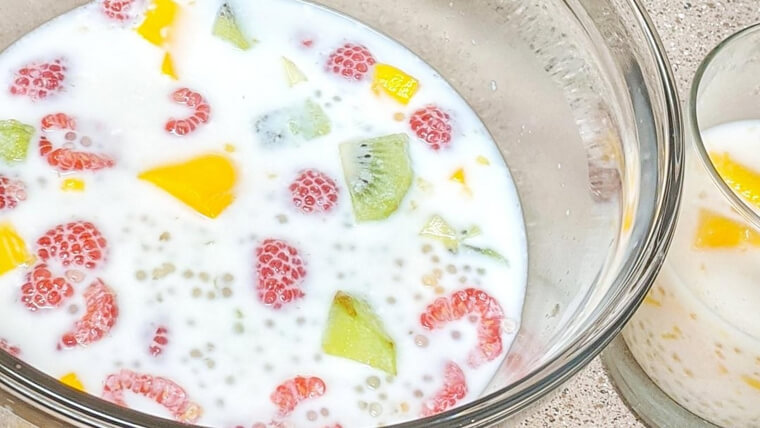
Tapioca pudding once featured real tapioca pearls that required soaking, patience, and careful cooking. The result was a creamy dessert dotted with translucent pearls that kids loved to spoon up. Families made it from scratch, stirring constantly to prevent sticking. Over time, instant versions replaced the original, and then even those faded from popularity. Today, tapioca is more likely associated with novelty drinks than home desserts. Older adults remember tapioca pudding as soothing and satisfying, not trendy. It deserves a return because it rewards patience and attention. Tapioca pudding offered texture and comfort in equal measure, reminding people that desserts could be playful and calming at the same time.
Date Pudding
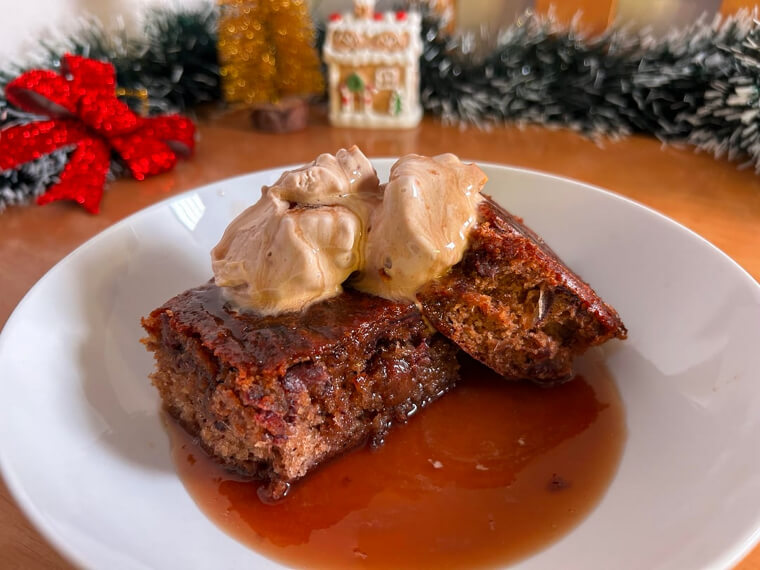
Date pudding was a rich, dense dessert that relied on dried fruit rather than sugar alone for sweetness. Often steamed or baked, it had a deep flavor and moist texture. Families served it warm, sometimes with sauce poured over the top. Date pudding reflected a time when desserts used pantry staples thoughtfully. Over time, dates fell out of favor, replaced by chocolate and packaged sweets. Today, date pudding is rarely seen. For those who grew up with it, the dessert feels grounding and old fashioned in the best way. It deserves a comeback because it offers depth and warmth without excess sweetness, fitting modern tastes better than many realize.
Charlotte Russe
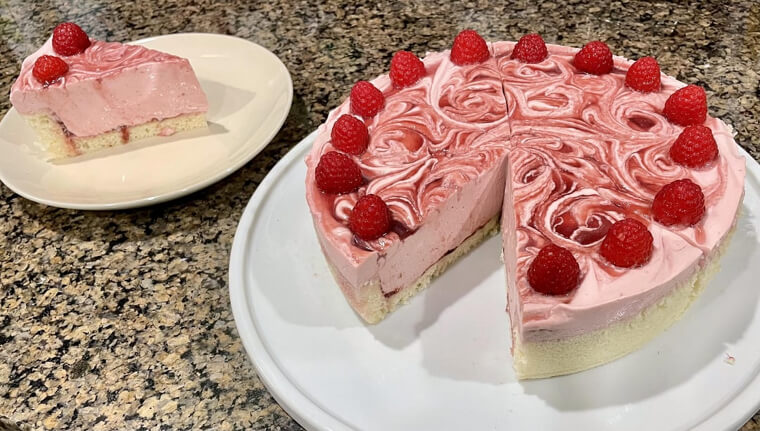
Charlotte russe was once considered one of the more elegant desserts a home cook could serve. It was not something made casually or thrown together at the last minute. This dessert usually involved lining a mold with sponge cake or ladyfingers, then filling it with custard, whipped cream, or a combination of both. After chilling, it was unmolded carefully and presented as a smooth, structured centerpiece. Families saved charlotte russe for holidays, anniversaries, or when guests were coming over. The preparation required planning, patience, and confidence, which made it feel special. Over time, desserts became more casual and convenience driven, and charlotte russe quietly slipped out of rotation. Its formal presentation began to feel old fashioned rather than impressive. Today, many people recognize the name but have never tasted it. For older adults, charlotte russe brings back memories of celebrations that felt intentional and well planned. It represents a time when desserts were meant to slow the meal and invite conversation. Its balance of light cake and creamy filling still holds up, and it deserves renewed appreciation for its simplicity, elegance, and sense of occasion.
Lemon Icebox Pie
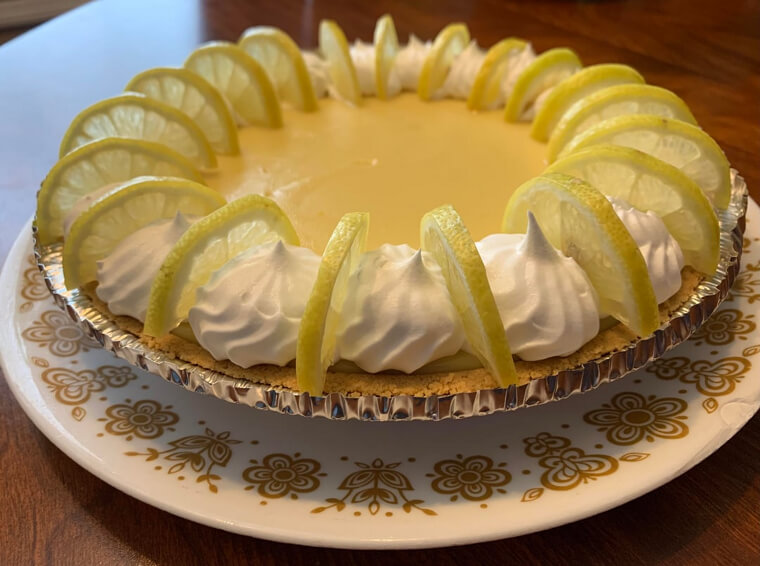
Lemon icebox pie was a dependable dessert that appeared again and again during warm months. It required no baking, which made it especially popular in the summer when ovens were avoided whenever possible. Made from simple ingredients like citrus juice, sweetened condensed milk, and a crumb crust, the pie was mixed, poured, and chilled until firm. Families relied on it because it was easy to prepare ahead of time and always delivered consistent results. The flavor was bright and refreshing, offering a welcome contrast to heavier meals. Over time, store bought pies and frozen desserts replaced homemade icebox pies, and the tradition faded. Today, lemon icebox pie is often overlooked or remembered only vaguely. For older adults, it recalls hot afternoons, refrigerator shelves crowded with dishes, and the satisfaction of slicing into something cool and familiar. The pie deserves a comeback because it still fits modern kitchens perfectly. It is simple, reliable, and refreshing without being overly sweet, proving that some of the best desserts never needed updating in the first place.
Floating Island Dessert
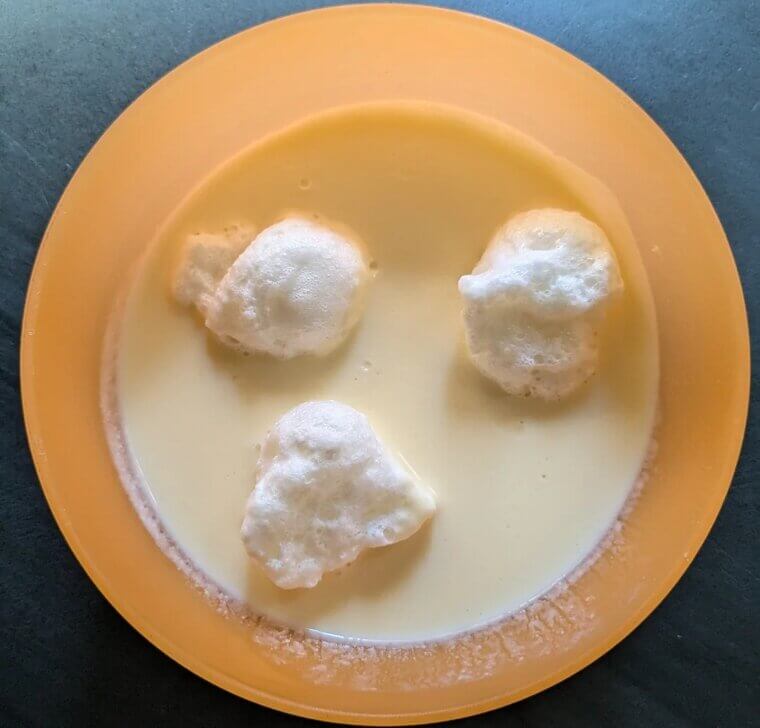
Floating island was a dessert that impressed without relying on expensive ingredients. Made from poached meringue floating on a pool of custard, it looked dramatic and elegant when served. Families often made floating island for dinner guests or special occasions because it showed effort and skill. The contrast between the airy meringue and smooth custard made it feel light yet indulgent. Preparing it required attention, from whipping egg whites correctly to cooking the custard gently. Over time, recipes like floating island became less common as desserts shifted toward convenience and packaged options. Today, it is rarely seen outside of cookbooks or restaurants. For older generations, floating island represents pride in cooking and the satisfaction of mastering something delicate. It also recalls a time when desserts were meant to surprise quietly rather than overwhelm. Floating island deserves rediscovery because it balances beauty and restraint, reminding us that elegance does not need excess to leave a lasting impression.