When Christmas Traditions Reflected Harder Times
Many long forgotten Christmas traditions grew out of eras shaped by scarcity, rigid social rules, and limited understanding of health and safety. While they may sound charming in old photographs or nostalgic stories, these customs often brought discomfort, exclusion, or even real danger. The holidays were not always about ease or enjoyment, especially for women, children, and workers who carried the burden of making celebrations happen. Some traditions reinforced strict class divides, while others relied on practices we now recognize as unsafe or unkind. As society changed, many of these customs quietly faded away, replaced by celebrations that prioritize comfort, inclusion, and choice. Looking back can be interesting, but it also reminds us how far holiday traditions have evolved. Not every old practice deserves a revival, and many are best left as historical footnotes rather than modern celebrations. Understanding why these traditions disappeared helps explain why today’s Christmas often feels warmer, simpler, and more personal than those of the past.
Christmas Cards Sent Out of Obligation
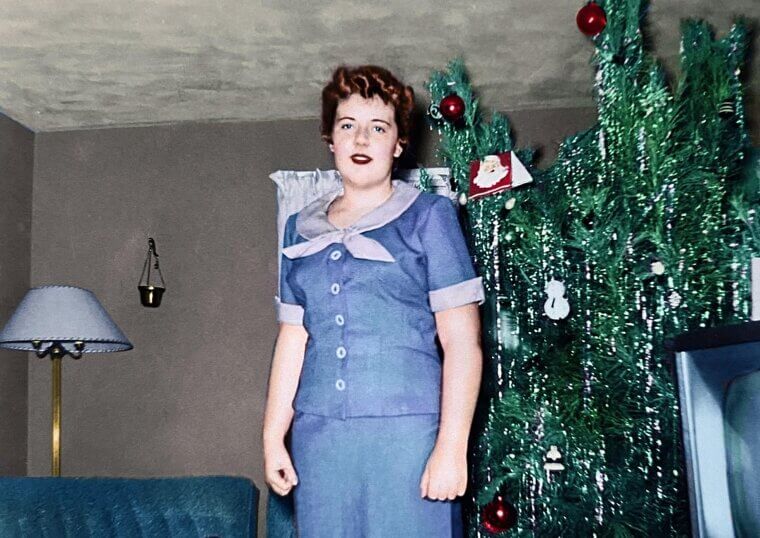
For decades, sending Christmas cards was not a cheerful choice but a social requirement. Families felt pressured to send cards to every neighbor, coworker, distant relative, and casual acquaintance. Forgetting someone could cause offense that lingered well into the new year. The cost of cards, postage, and time added stress during an already busy season, especially for households on tight budgets. Cards often included stiff, formal messages rather than heartfelt notes, turning a gesture of goodwill into a chore. Women, in particular, were expected to manage the entire process, from selecting designs to addressing envelopes by hand. As communication became easier and more flexible, the obligation slowly faded. Today, many people still enjoy sending cards, but the pressure is largely gone. Letting go of enforced traditions has allowed holiday greetings to feel genuine again instead of exhausting.
Unsafe Decorations and Open Flame Displays
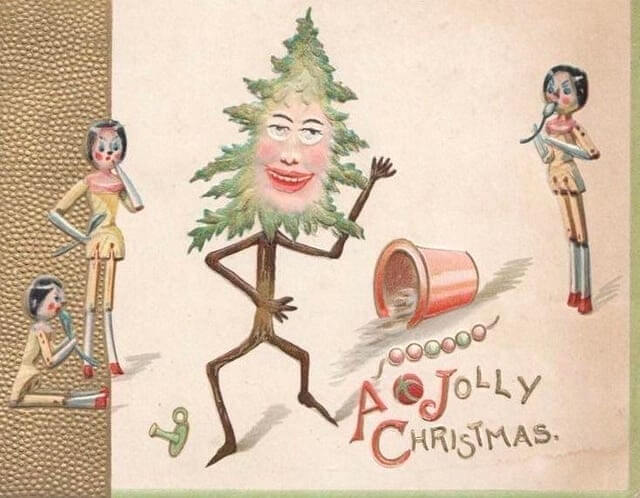
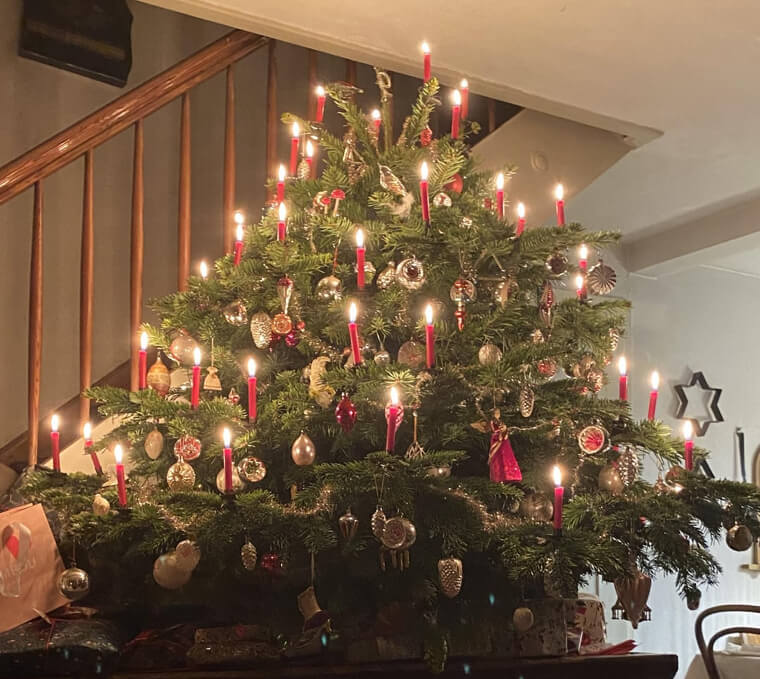
Early Christmas decorations often posed serious fire hazards. Real candles placed on trees, dry greenery near fireplaces, and fragile electrical wiring created dangerous conditions in many homes. Fires during the holiday season were far more common than they are today. Families accepted these risks as unavoidable, even though they endangered lives and property. As safety standards improved and electric lighting became more reliable, these practices gradually disappeared. Modern decorations may lack some old fashioned charm, but they dramatically reduce the risk of accidents. The move away from open flames and unsafe materials reflects a growing awareness that tradition should never outweigh safety. This is one holiday custom most people are happy to leave behind.
Mandatory Long Formal Meals
Traditional Christmas dinners were often lengthy, rigid affairs with strict seating arrangements and expectations. Guests were expected to dress formally, follow etiquette rules, and sit through multiple courses regardless of comfort or appetite. For many, especially children and older adults, these meals were exhausting rather than enjoyable. Hosts faced immense pressure to prepare elaborate dishes, often spending days in the kitchen. Modern celebrations tend to favor flexibility, comfort, and shared responsibility. Potluck meals, casual dress, and simpler menus allow people to focus on conversation and connection instead of performance. Letting go of overly formal meals has made holiday gatherings more relaxed and inclusive, reducing stress for everyone involved.
Public Gift Comparisons and Social Pressure
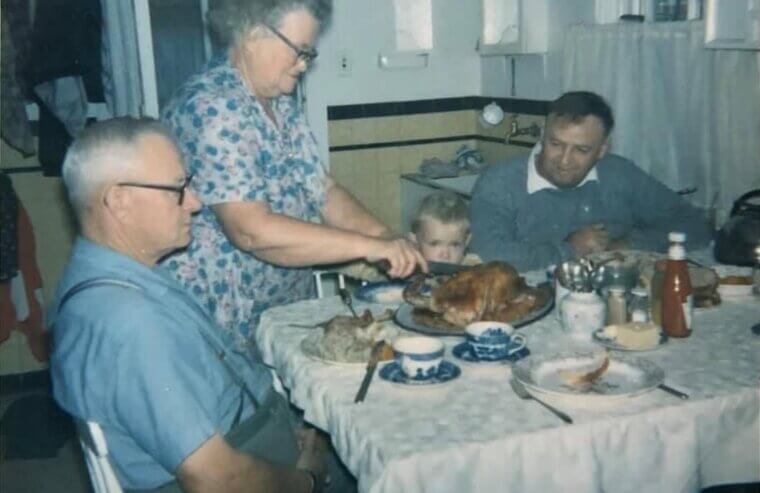
Christmas traditions once placed heavy emphasis on visible gift giving that reinforced social status. Families displayed presents openly, and children often compared what they received with others. This created embarrassment for those with fewer resources and encouraged competition rather than gratitude. Adults also felt judged based on the quantity and perceived value of their gifts. The season could become uncomfortable for anyone struggling financially. Over time, attitudes shifted toward more private and thoughtful exchanges. Many families now set spending limits or focus on shared experiences instead of displays. Reducing public comparison has helped make the holidays more compassionate and less stressful. Letting go of this tradition has allowed Christmas to feel less like a test of success and more like a time for connection.

Strict Gender Roles in Holiday Duties
Older Christmas traditions often reinforced rigid gender roles. Women were expected to cook, clean, decorate, shop, and manage family emotions, while men relaxed or handled only select tasks. These expectations created exhaustion and resentment that rarely received acknowledgment. The holiday workload fell unevenly, turning celebration into unpaid labor for many women. As gender roles evolved, families began sharing responsibilities more evenly. Today, many households divide tasks based on preference rather than tradition. Moving away from rigid expectations has made the holidays more enjoyable and fair. Christmas no longer needs to depend on one person carrying the entire burden. This shift reflects broader cultural changes that value balance, respect, and shared effort.
Uncomfortable or Impractical Holiday Clothing
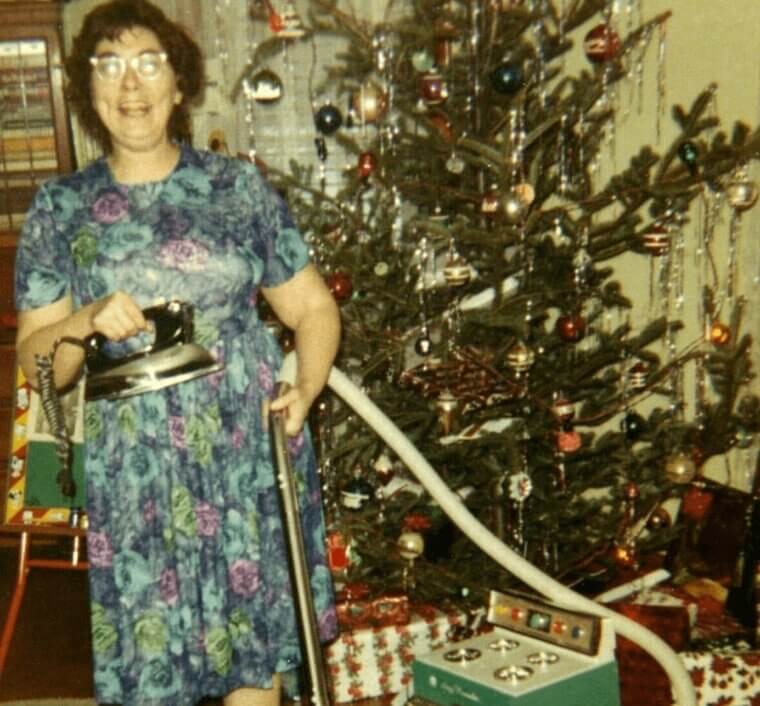
Christmas clothing once prioritized appearance over comfort. Children were dressed in stiff outfits, itchy fabrics, and restrictive shoes that limited movement. Adults often wore formal attire for hours, regardless of temperature or comfort. These expectations made relaxation difficult and added stress to gatherings. Complaints were discouraged in favor of maintaining appearances. As lifestyles became more casual, these traditions faded. Comfortable clothing now allows people to focus on enjoying time together instead of enduring discomfort. The move toward practicality reflects a broader shift in values, where well being matters more than presentation. Letting go of impractical holiday fashion has made celebrations warmer in every sense.
Excessive Expectations for Perfection
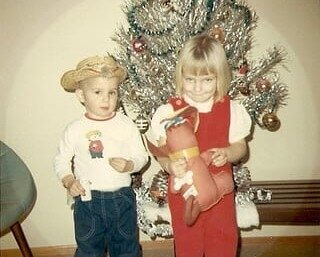
Past Christmas traditions often demanded flawless execution. Homes had to be spotless, meals had to impress, and family members were expected to behave perfectly. Mistakes or deviations were seen as failures rather than part of life. This pressure caused anxiety and disappointment, overshadowing joy. Modern celebrations increasingly embrace flexibility and realism. Imperfect decorations, simple meals, and relaxed schedules are now widely accepted. This change has made Christmas more forgiving and emotionally healthier. Releasing the need for perfection allows people to be present and appreciative. The holiday becomes about shared moments rather than meeting impossible standards, making this outdated tradition one that few miss.
Carols Used as Fundraising Pressure
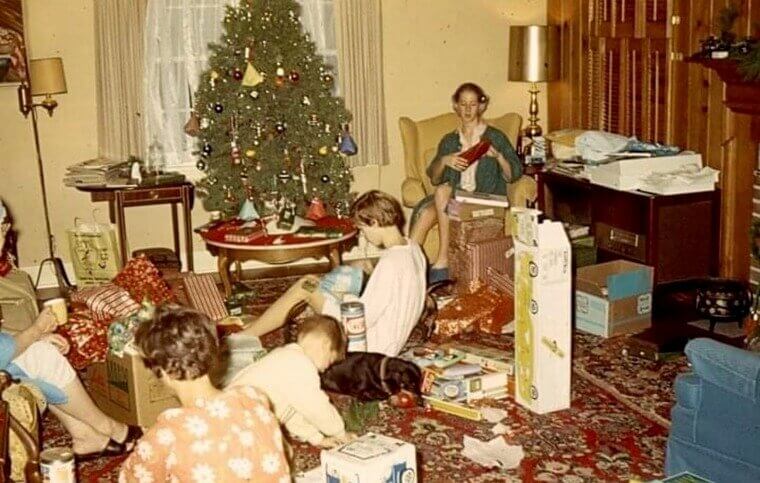
In the past, caroling was not always a simple act of cheer. Groups sometimes went door to door with the clear expectation of receiving money, food, or favors in return for songs. Refusing to give could lead to awkwardness or judgment, especially in small communities. What should have been festive often felt like social pressure. For households struggling financially, these visits added stress rather than joy. Over time, informal fundraising gave way to organized charities and voluntary donations. Caroling today is more likely to be community based or purely celebratory. Removing obligation has allowed music to return to its original purpose of spreading goodwill. This tradition faded because generosity feels better when it is freely chosen rather than quietly demanded.
Long Holiday Travel Without Modern Comforts
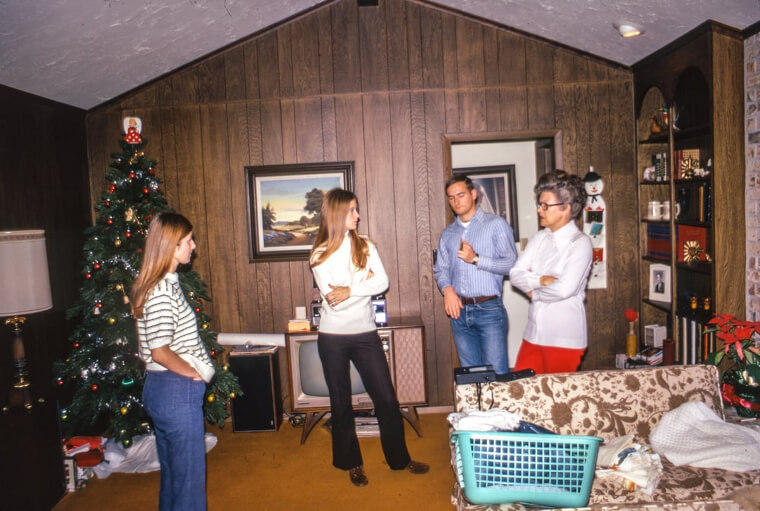
Earlier generations often endured exhausting holiday travel with few comforts. Long train rides, crowded buses, or unreliable roads made visiting family physically demanding. Weather delays and limited accommodations added frustration. Travel was treated as a duty, regardless of health, age, or finances. For older adults and young children, the journey itself could overshadow the celebration. Modern transportation and flexible scheduling have changed expectations. Many families now choose to celebrate locally or connect in other ways. Letting go of mandatory travel has allowed people to prioritize well being. Christmas no longer requires endurance to prove devotion, making this old expectation one most are glad to leave behind.
Ignoring Personal Limits for the Sake of Tradition
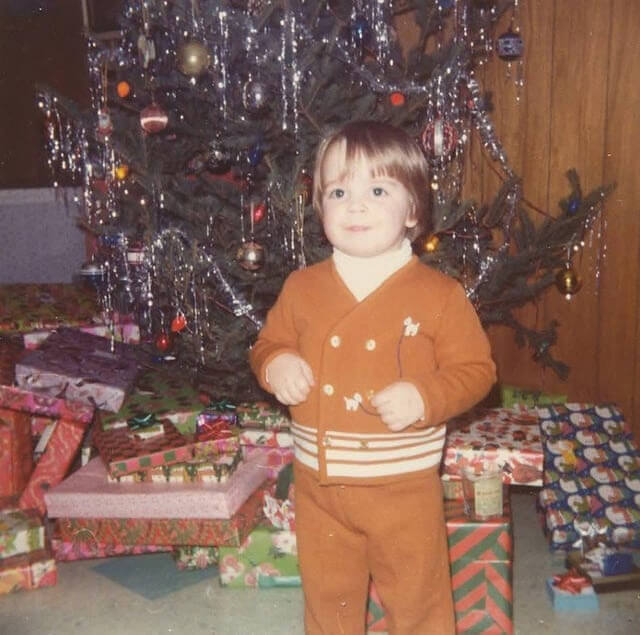
Past Christmas traditions often demanded endurance. People attended gatherings despite illness, exhaustion, or emotional strain. Saying no was viewed as selfish. This mindset overlooked individual needs and health. Modern celebrations increasingly respect boundaries. Families now understand that rest, mental well being, and flexibility matter. Choosing smaller gatherings or quieter holidays is more accepted. Letting go of the idea that tradition must be followed at all costs has made Christmas more humane. Celebrations are now shaped around people rather than pressure. This final forgotten tradition deserves to stay in the past, replaced by compassion and understanding.
Children Being Frightened Into Good Behavior
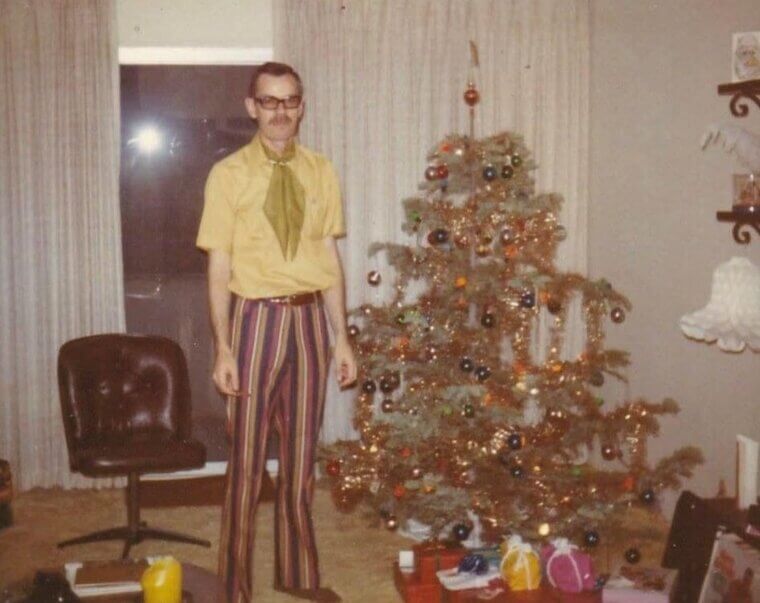
Old fashioned Christmas celebrations often relied on fear to control children’s behavior. Stories of harsh consequences, threatening figures, or gifts being taken away were common tools used to enforce obedience. Instead of excitement, some children experienced anxiety throughout December, worried about punishment rather than enjoying anticipation. This approach reflected parenting norms of the time but left lasting impressions that were not always positive. The holidays became something to endure rather than celebrate. Modern families tend to focus more on encouragement, kindness, and shared experiences. While discipline still exists, fear based traditions have mostly disappeared. Removing intimidation from the holidays has helped Christmas become a time of joy rather than worry for children. The shift reflects a broader understanding of emotional well being and child development that was not considered in earlier generations.