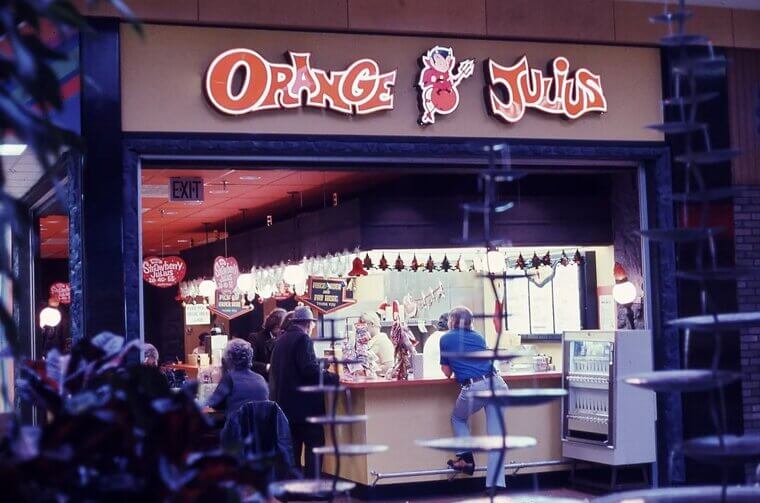
The Orange Julius Scent
You could smell it long before you even saw the counter; that sweet citrus cloud that somehow made frosted beverages seem like the most important purchase decision of your afternoon. The Orange Julius stand operated as an olfactory beacon and was the undisputed official fragrance of the 1980s food court. That smell mixed with mall air conditioning created a specific sensation that no Jamba Juice has ever replicated. It lingered on your clothes as you wandered past record stores and shoe shops, quietly announcing where you had been. Ordering one felt like participating in a ritual everyone understood without explaining. The paper cup was cold, the foam was thick, and the first sip always tasted better than expected. Even people who were not thirsty found themselves stopping, pulled in by nostalgia before they knew what was happening.
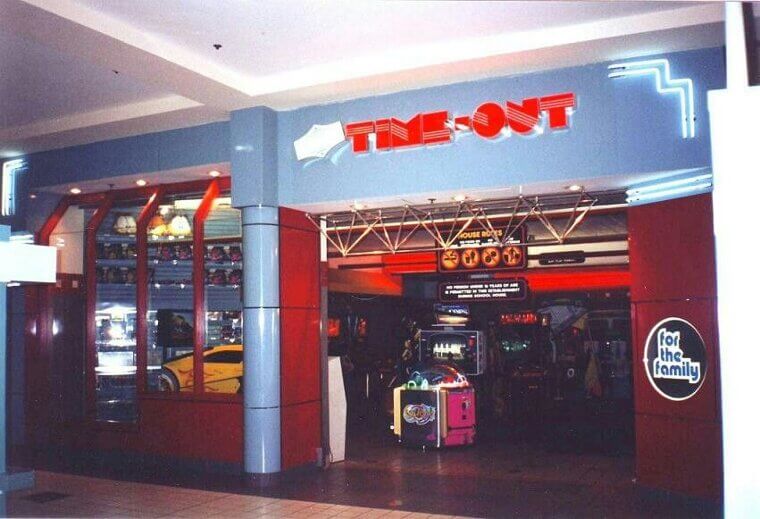
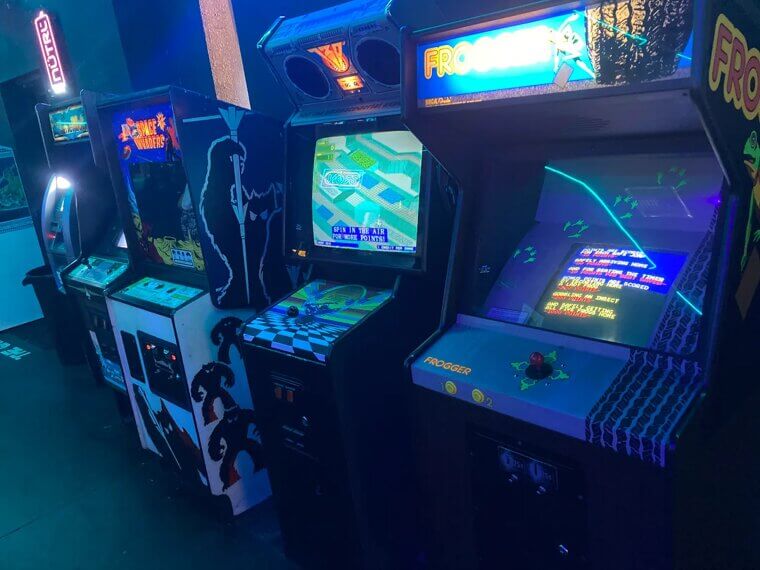
Mall Arcades Tucked Behind the Food Court
The arcade wasn't front and center. Usually, it was past the bathrooms or down some carpeted hallway that seemed deliberately designed to keep parents from finding their kids too easily. Walking into that dark space filled with beeping machines and the smell of burned popcorn felt like entering another world.
The Arcade Token Machine
There was an art to feeding dollar bills into that metal box and hearing tokens clatter into the tray, as if you'd just won something. Each token made a satisfying clink in your pocket and represented exactly one ‘continue’ screen or maybe two games if you were good. It was like being able to see your remaining fun in physical form.
Neon Zig-Zag Lighting and Geometric Design
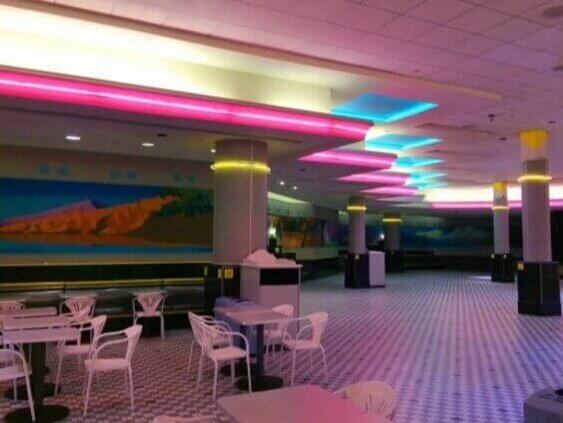
Before everything became beige and minimalist, malls were a literal electric dream. Pink and teal neon tubes zigzagged across ceilings for no architectural reason whatsoever. Triangular planters jutted out at weird angles. However, it did give the whole place a futuristic, high-energy vibe that made shopping feel a little more than just shopping.
Echoing Indoor Fountains
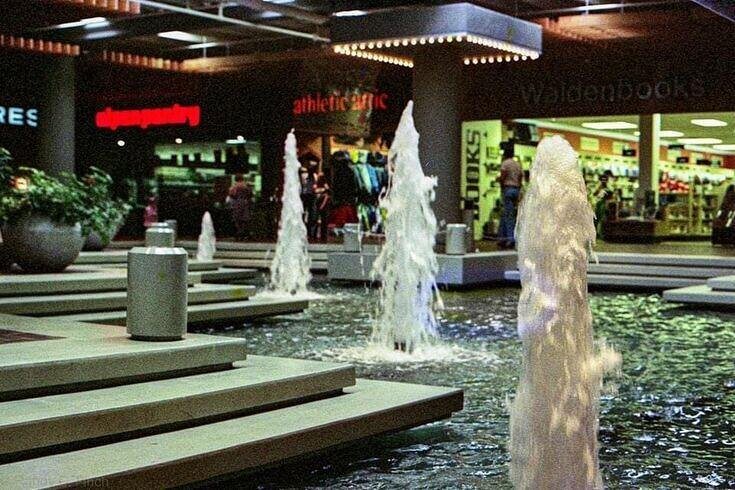
Every mall had a massive fountain that served as the heartbeat of the atrium. The sound of rushing water echoed off the high glass ceilings, creating a white noise that drowned out the crowd. They also served as landmark meeting spots because "meet me by the fountain" was way easier than trying to describe store locations.
KB Toys' Clearance Bins
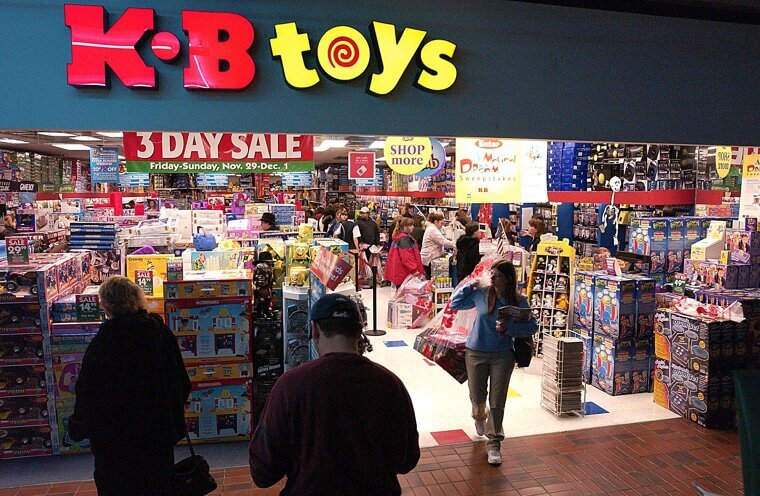
The giant bin at the front concentrated the chaotic energy of KB Toys. It was a messy mountain of discount action figures, off-brand water guns, and tangled board games. Digging through it felt like archaeological work where the reward might be a Transformer missing one leg for three dollars. Of course, parents loved these bins because they were cheap.
Toy Stores With Open Demo Tables
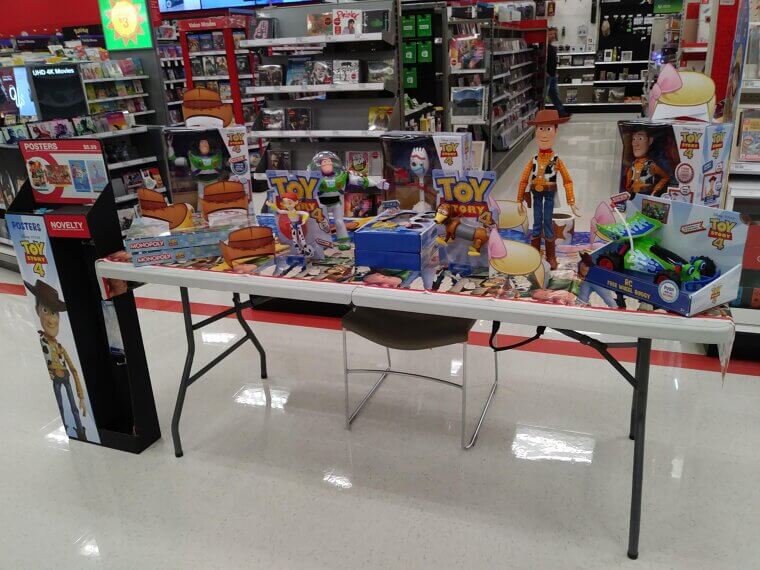
Imagine walking into a store and hearing the excited squeals of children as they play with the toys. For free. No purchase required. You could try out things like half-built LEGO sets, electronic games with dead batteries, and action figures in compromising positions. Store employees mostly ignored you… unless you started a lightsaber fight.
Sam Goody Listening Stations
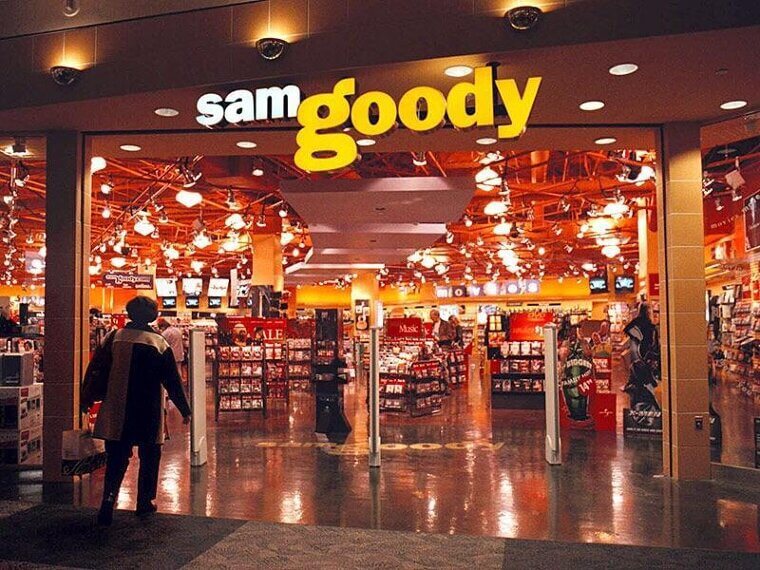
Before Spotify decided what you liked, you had to actually listen to music to see if you liked it or not. Sam Goody had headphone stations where you could sample CDs before dropping seventeen dollars on an album that might only have two songs worth listening to. Also, the sampling window was limited. You either committed to the purchase or walked away.
Waldenbooks' Magazine Browsing Ritual
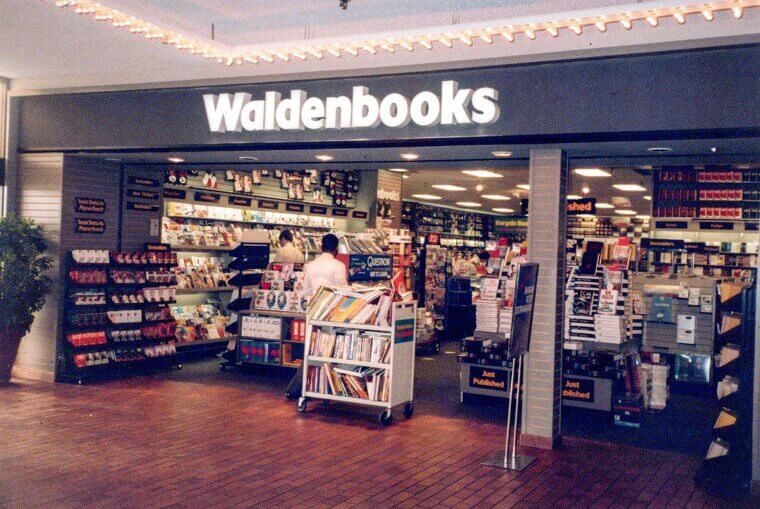
Waldenbooks had one unspoken rule: you could read magazines for free as long as you looked vaguely interested in buying something, eventually. Kids would camp out in the aisle for hours flipping through gaming magazines, rock magazines, or whatever niche publication existed in print form back then. This was free entertainment, and the mall AC was excellent.
The Sharper Image "Try Everything" Floor
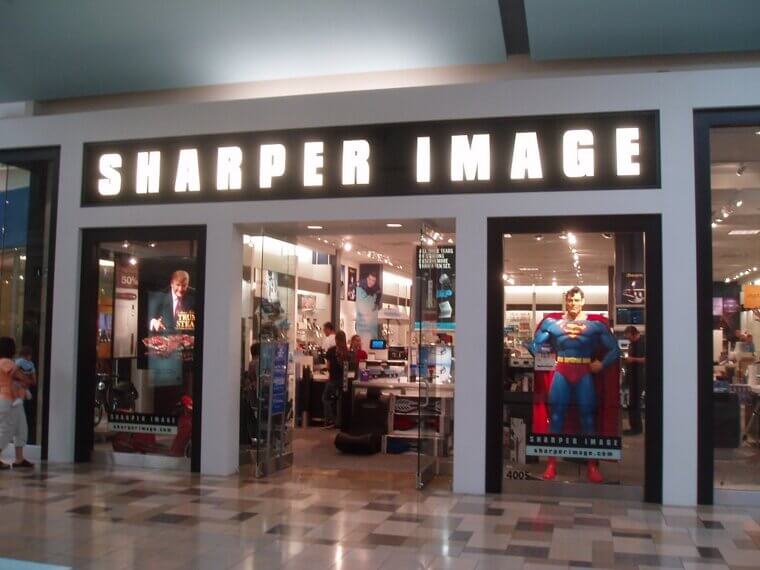
The Sharper Image was a toy store for grown-ups disguised as a place that sold massage chairs. You could test thousand-dollar massage chairs, play with robotic dogs, or just stand in front of the air purifier. Nobody who shopped there actually needed any of it, but everyone wanted to try everything out.
The VW Bug Inside Gadzooks
Walking into Gadzooks felt like entering a cool older sibling’s garage. They famously had a full-sized Volkswagen Beetle sliced in half or hollowed out right in the middle of the store. It usually doubled as a display for t-shirts or a place for bored boyfriends to sit, served no retail purpose either, and was just aggressively on-brand.
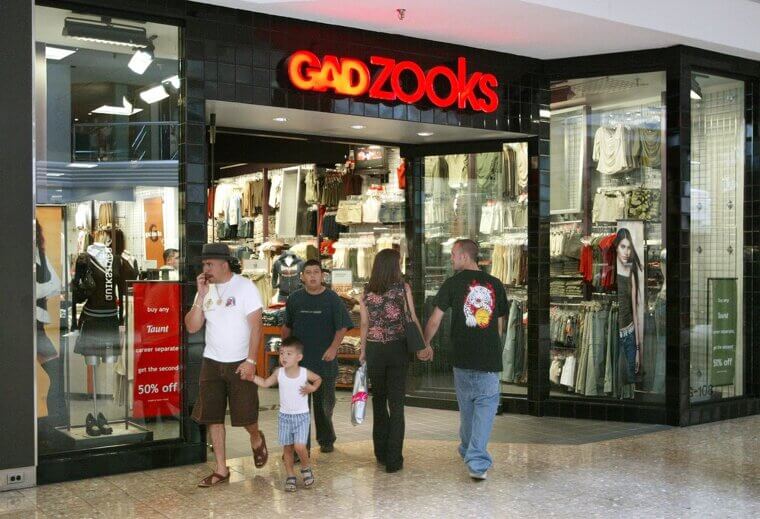
Photo Booth Strips You Had to Wait For
Photo booths required commitment. You fed in money, crammed yourself and three other friends into a space designed for one and a half people, then spent the next four flashes trying different poses. Sometimes they were blurry. Sometimes someone's eyes were closed. It didn't matter. Those strips became wallet treasures and locker decorations.
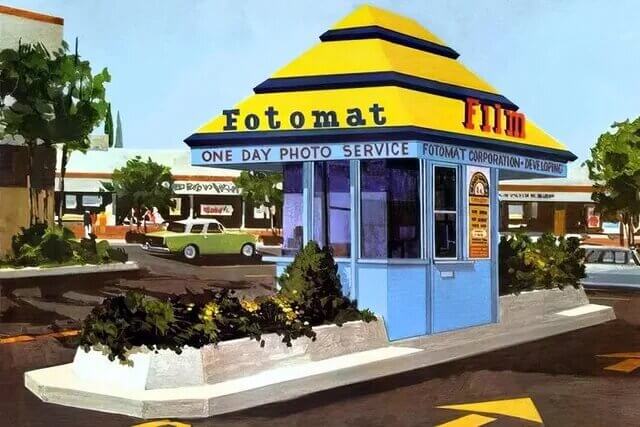
The "Circle the Mall" Lap
Driving to the mall was only half the battle. Once you arrived, you'd walk the entire mall perimeter with your friends, seeing and being seen, window shopping without buying, passing the same stores twice while pretending you had somewhere to be. People timed it so they could walk past their crush's favorite store. Older folks did laps in matching tracksuits. No one could resist the lap.
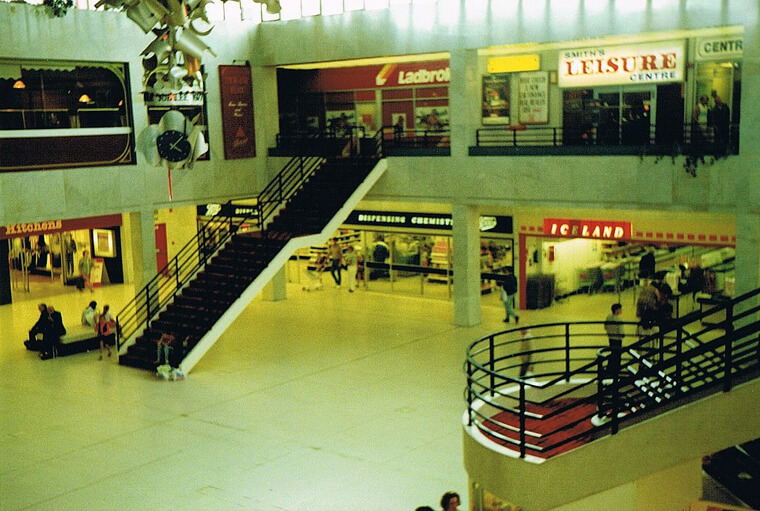
Sunken Conversation Pits
Architects in the eighties loved a good "conversation pit." These were carpeted, multi-level, recessed areas in the middle of the concourse, usually filled with teenagers acting too cool to be there or tired dads holding five shopping bags. It felt like a cozy living room right in the middle of a massive commercial hub.
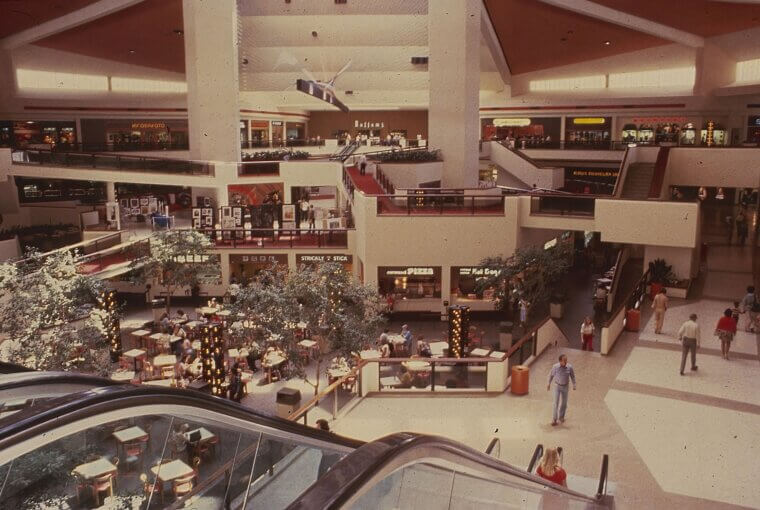
Indoor Trees and Aviaries
Malls tried really hard to bring the outdoors inside. You’d find massive ficus trees growing under skylights and, occasionally, giant birdcages filled with exotic finches or parrots. The chirping mixed with the mall music to create a strange, tropical atmosphere. It was a weirdly peaceful touch in a place designed to make you spend money as fast as possible.
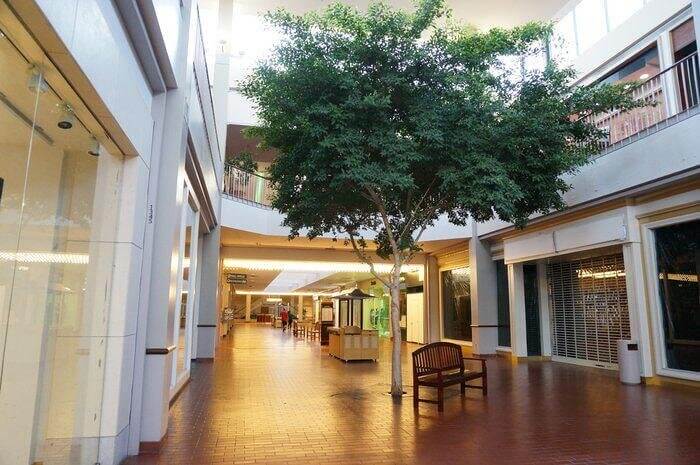
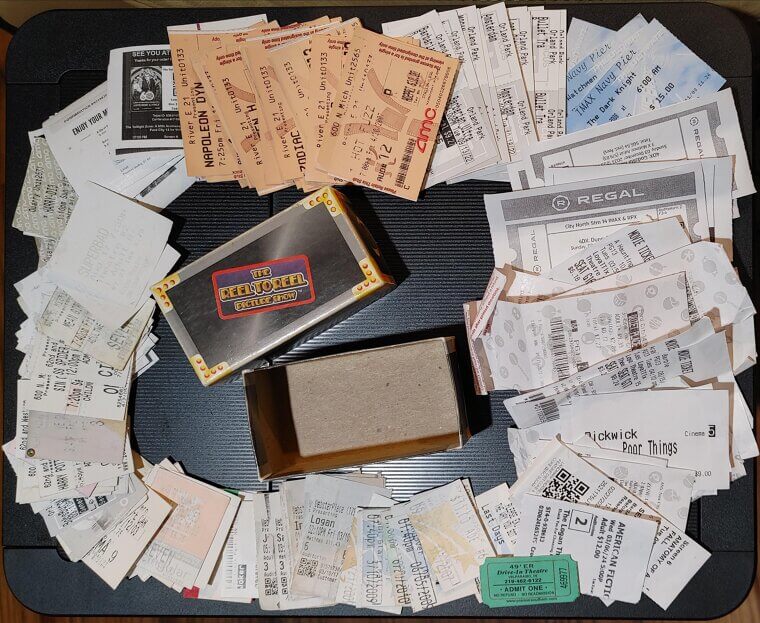
Paper Movie Tickets Torn by Hand
The ticket wasn't just proof of purchase; it was a physical object someone tore in half right in front of you, keeping one part and handing you the stub. That stub became a bookmark, a receipt, a memory you could stick in a drawer and find years later. Digital tickets don't tear. They scan. It's efficient and completely soulless. The ritual is gone.
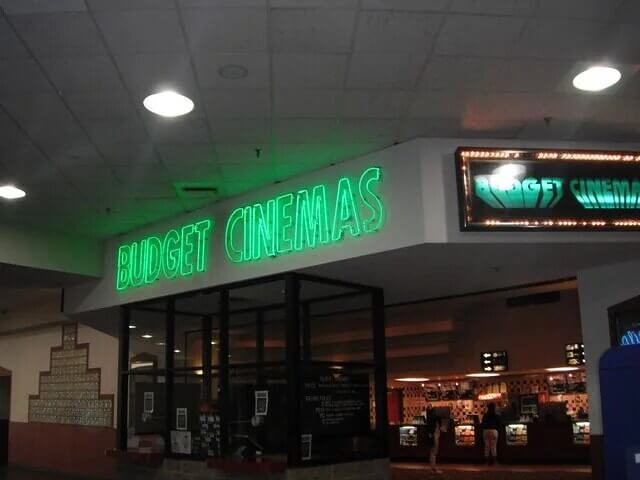
Cheap Second-Run Mall Movie Theaters
These theaters showed movies that had already left the fancy theaters but weren't yet on video, charging like two dollars for admission to a space that smelled permanently of industrial cleaner and regret. The seats weren’t the best, and the screen had mysterious stains. But you got the chance to see movies you'd missed, or rewatch favorites for almost nothing.
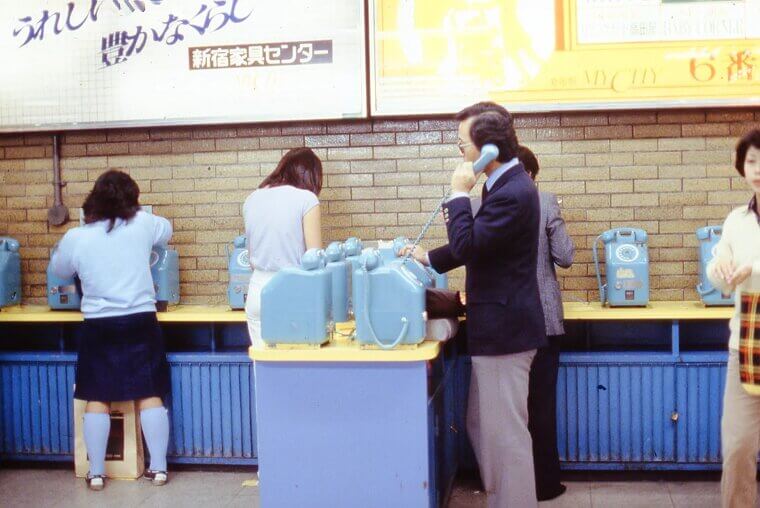
Payphones as Social Hubs
Before everyone had phones in their pockets, payphones were where you checked in with parents, coordinated meetups that went wrong, or had conversations while strangers waited impatiently behind you. Each call at the time cost a quarter and required you to remember phone numbers, an ancient skill lost to time…
Pretzel Stand Lines (Hot Sam / Pretzel Time)
The line for hot pretzels moved at the exact pace of continental drift, but people waited anyway because that smell was supernatural and had a pull of its own. Watching the pretzel person salt them with those giant crystals was like dinner theater. The first bite was always too hot. You ate it anyway.

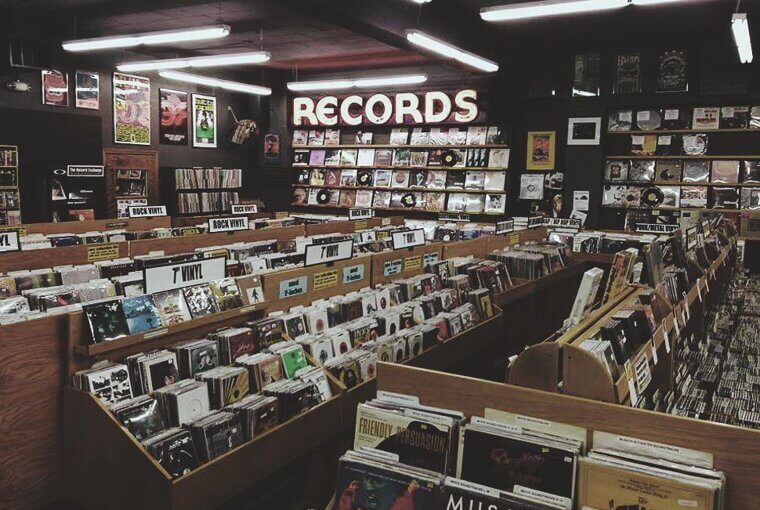
Physical Record Stores With Wood-Paneled Walls
Record stores had a vibe: dim lighting, wood paneling that belonged in a 1970s basement, and employees who judged your taste silently while filing CDs. The stores organized music into impossibly specific genres, and flipping through CDs alphabetically was how you discovered new bands. You couldn't preview everything, so buying music required faith. Those were testing times.