Plant-Based Meat Alternatives
Plant-based meat alternatives are advertised as being healthy and environmentally friendly. However, most of the time, they are ultra-processed and include a wide variety of unhealthy ingredients, such as sodium, sugar etc. More so, these foods lack fiber and whole-food nutrition, meaning that they aren't actually as good for you as regular meat options.

Granola
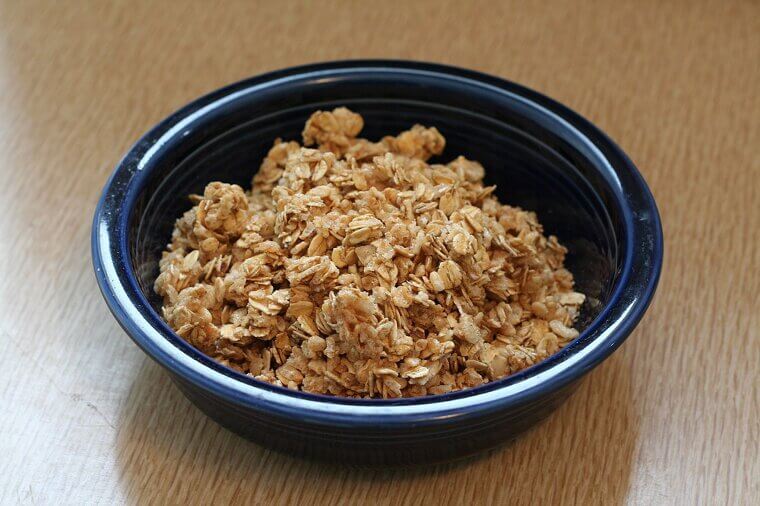
While granola has always been advertised as a healthy mix of oats, nuts, fruit and seeds, it also contains a few additional ingredients that aren't so good for you. Most store-bought versions are loaded with sugar, honey and syrups, making them extremely calorie-dense. In fact, a single bowl can exceed the recommended daily sugar intake, turning a what many believe to be a “healthy breakfast” into a dessert disguised as nutrition.
Protein Bars
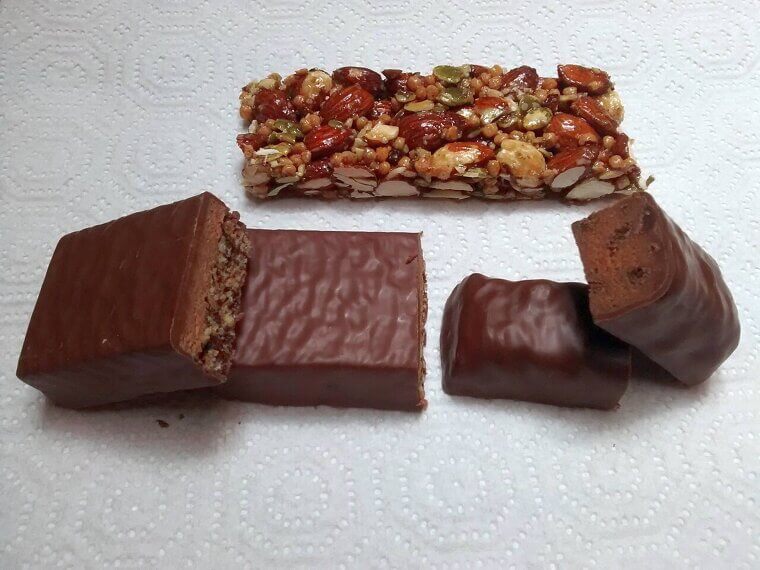
Protein bars are often associated with health, as they are the snack of choice for bodybuilders and other athletes. With that being said, many of them are essentially candy bars in disguise. They usually contain refined sugars, hydrogenated oils and artificial sweeteners, all of which provide excess calories and additives that outweigh any benefits. If consumed on a regular basis, these bars are likely to lead to rapid weight gain and high blood sugar levels.
Flavored Yogurt
Yogurt is usually advertised as a probiatic-rich snack, making it ideal for digestive health. In reality, flavored varieties are packed full of sugar and often contain flavored syrups instead of real fruit. Some products even contain more sugar than a can of soda! This undermines the gut-health benefits of the probiotics, turning yogurt into a sugar bomb that spikes blood sugar and leaves you with an energy low.

Fruit Juice
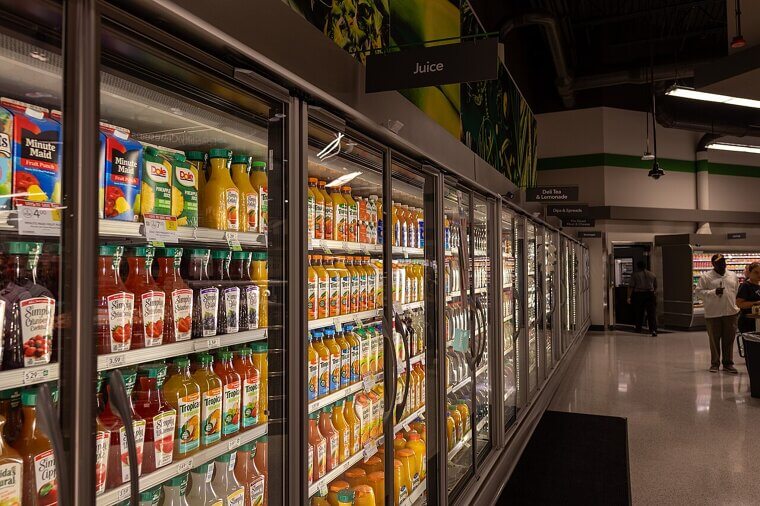
Many people replace fruit and vegetables with juice varieties, believing that they are essentially the same thing. However, this simply isn't the case. Juicing the fruit strips away any fiber, leaving behind concentrated fructose that floods the bloodstream. In fact, a single glass of orange juice as roughly the same amount of sugar as a can of soda. Ultimately, without fiber to slow down the absorption of the sugar, fruit juice promotes weight gain, fatty liver, as well as an increased risk of type 2 diabetes.
Smoothies (Store-Bought)
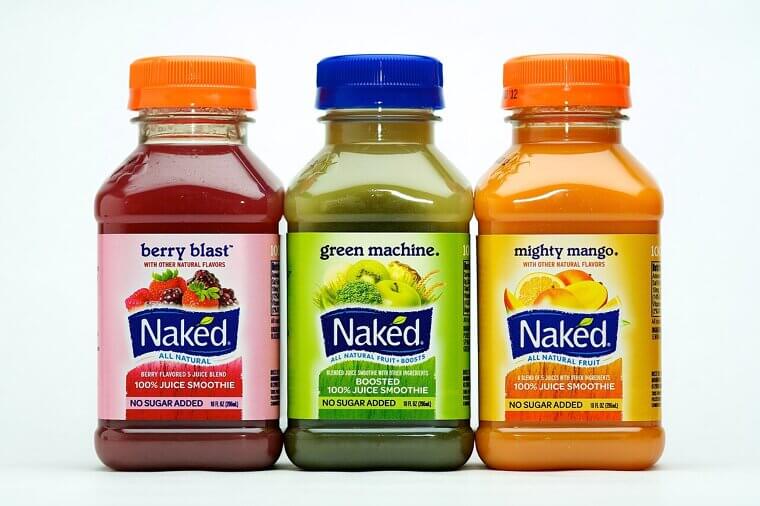
Smoothies can be a healthy snacking option, especially if they are made using fresh and wholesome ingredients. However, store-bought options definitely aren't the best choice. They are essentially calorie traps, containing cheap fruit concentrates, syrups and very little fiber or protein. A single store-bought smoothie can contain upwards of 600 calories - enough for a whole meal. Instead of providing energy, store-bought smoothies will spike your blood sugar and leave you hungry soon after drinking, undermining their supposed health benefits.
Vegetable Chips
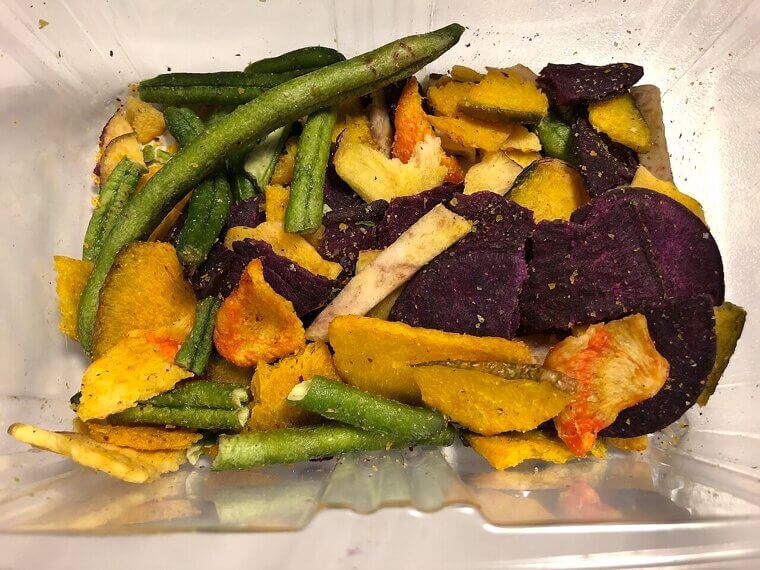
Vegetables chips have always been marketed as the healthier alternative to regular potato crisps. However, they are essentially a sodium bomb. More so, vegetable nutrients are lost during the drying process, leaving behind empty calories that offer little to no health benefits. Ultimately, they deliver the same amount of sodium and fat risks as regular chips, misleading consumers with their healthy “veggie” branding.
Gluten-Free Snacks
While not everyone is actually gluten intolerant, gluten-free snacks are often marketed as a healthy alternative for anyone. However, in reality, many are ultra-processed, replacing wheat with refined starches. They are also low in fiber and can cause a massive spike in blood sugar, leaving you with low energy levels shortly after eating. So, unless you actually have celiac disease or a gluten intolerance, gluten-free doesn’t equal healthy. These snacks are also a lot more expensive than traditional options.

Diet Soda
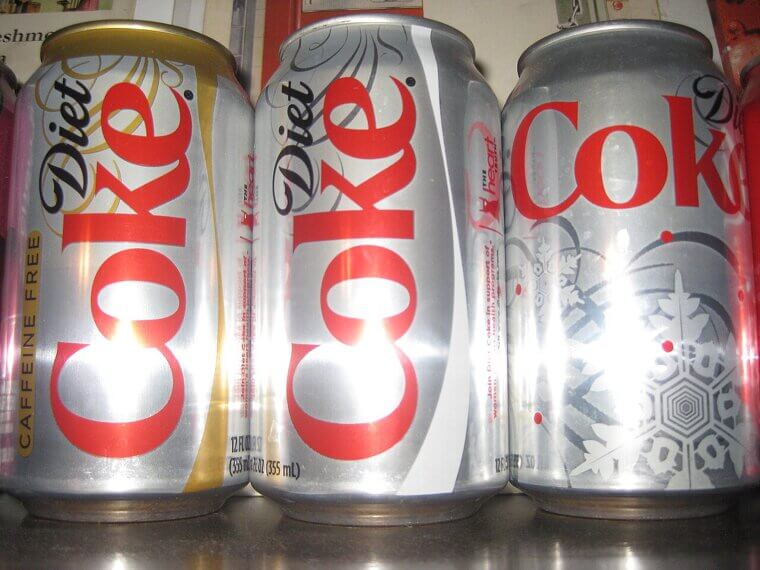
Many people drink diet soda on a daily basis, believing it to be completely calorie free. While it may not cause you to gain weight, diet soda contains artificial sweeteners that disrupt gut function and leave you craving sugar. In fact, diet soda's are closely linked to metabolic syndrome - a condition that ultimately causes weight gain. So, while diet soda does avoid sugar, it also perpetuates sweet cravings, making it harder to adopt healthy drinking habits in the long run.
Sports Drinks
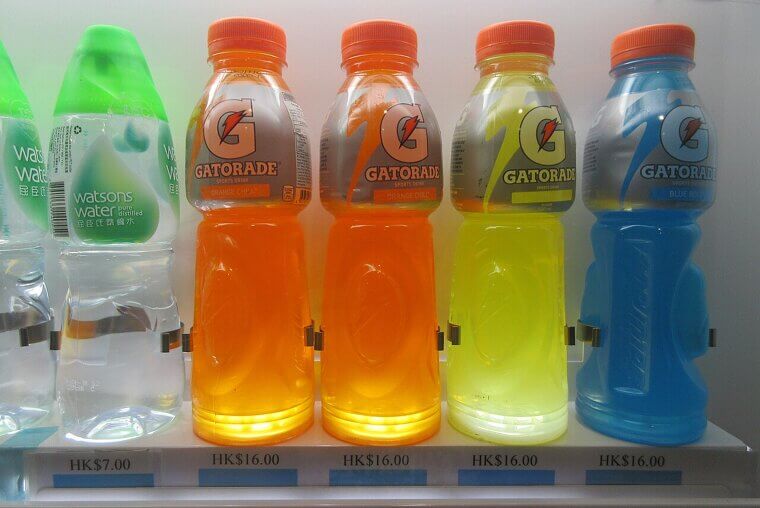
Sports drinks are advertised as the perfect hydration solution for athletes, as they usually contain electrolytes. However, unless you have done some form of exercise beforehand, the high sugar and sodium content is completely unnecessary. A single bottle can contain up to 35 grams of sugar - roughly twice as much as a can of Coke. In the long run, overconsumption will lead to obesity, hypertension and dental decay. For casual exercises, a simple bottle of water will suffice.
Energy Drinks
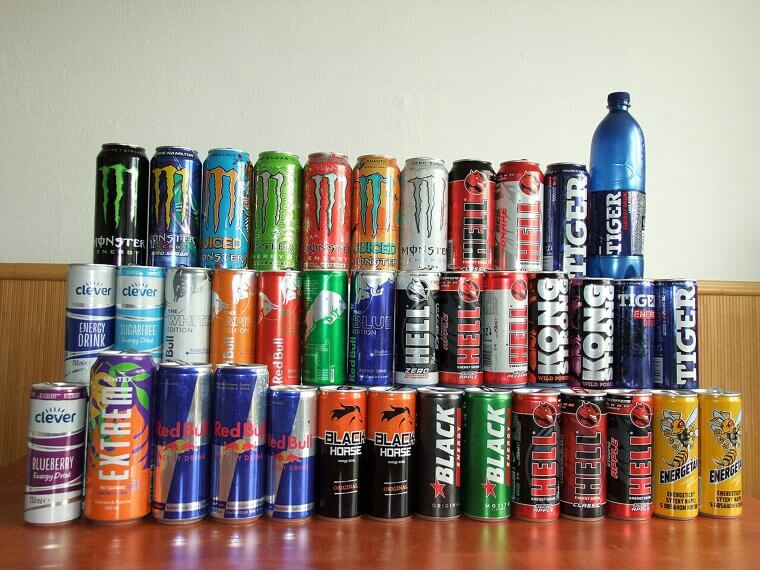
Energy drinks are designed to provide energy and stamina through their high caffeine and sugar content. Not only can frequent energy drink consumption lead to weight gain, but it also stresses the heart, raises blood pressure and disrupts sleep. In fact, there have been many instances in which long-term consumption of these beverages have lead to cardiovascular risk - especially when combined with alcohol or certain types of medication.
Dried Fruit
Dried fruit may seem like a healthy snack, but it is actually packed with sugar. More so, many brands coat the fruit in syrup before drying. A single handful of raisins equals the amount of sugar in the same serving of candy. As a result, frequent eating will cause weight gain, dehydration and high blood sugar. Essentially, it is fruit stripped of balance and marketed as convenient - despite being deceptively unhealthy.

Fat-Free Products
Fat-free foods are marketed as heart-healthy. However, removing fat often means adding sugar or refined carbs for taste. Healthy fats are also essential for satiety and nutrient absorption. As a result, fat-free labels mislead customers into choosing products that are actually worse for their overall health.
Sushi Rolls (Specialty)
Sushi is considered a health food, as it is made out of lean fish and rice. However, specialty rolls are often deep-fried or contain unhealthy condiments, such as mayo. More so, the soy sauce used is extremely high in sodium, which leaves you feeling thirsty after eating. So, while sushi may seem like a light and healthy meal option, many varieties actually rival fast food in terms of fat, sodium and sugar content.

Trail Mix
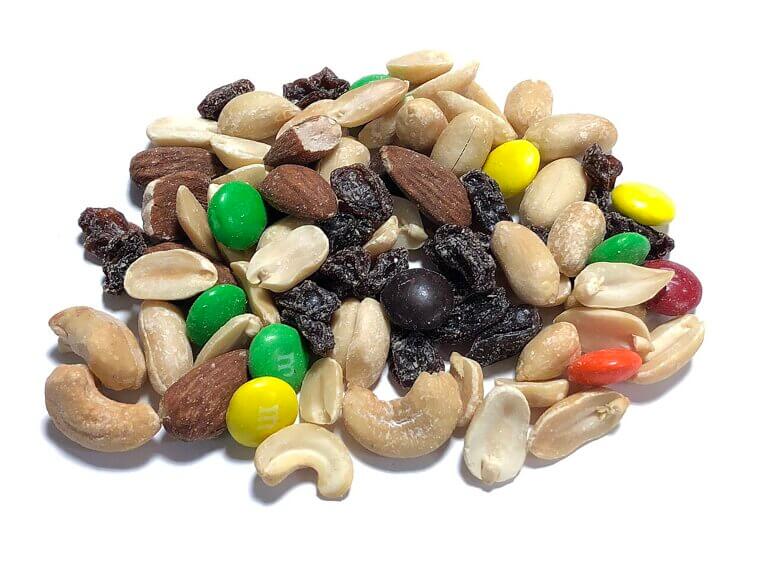
While trail mix is advertised as the perfect hiker's snack, commercial varients are often made with candy-coated chocolate and other unhealthy ingredients. Not only does this make them calorie-dense, with a small handful easily exceeding 300 calories, but it also makes for a high sugar content, leading to spiked blood glucose levels. Oftentimes, trail mix is more indulgent than nutritious, undermining its reputation as a health-conscious breakfast or snacking option.
Acai Bowls
Acai bowls are usually marketed as superfood-packed meals. While the acai itself is nutrient-rich and healthy, toppings, such as granola, honey and sweetened coconut, turn them into complete sugar bombs, with a single bowl easily exceeding 700 calories.

Whole Wheat Bread (Commercial)
While whole wheat bread is marketed as fiber- and nutrient-rich, commercial versions are often made with refined flour and caramel coloring (in order to mimic the whole grain look). As a result, these varieties contain minimal fiber and plenty of additives, leading to a blood sugar spike that will leave you with low energy soon after eating.

Flavored Oatmeal Packets
Oatmeal is often advertised as the healthiest breakfast option. However, instant oatmeal products are actually packed to the brim with sugar, artificial flavorings and other unhealthy ingredients. Additionally, they lack the slow-digesting benefits of steel-cut oats, leaving you with less energy for the day ahead.

Coconut Water (Packaged)
While natural coconut water is extemely hydrating and healthy, commercial varieties often contain added sugar and artificial flavorings. Often viewed as a miracle drink, packaged products are actually just another sugary drink in disguise that, if overconsumed, can lead to rapid weight gain and high blood glucose levels. Additionally, coconut water has a particularly high potassium content, which can be bad for the kidneys if consumed on a daily basis.
Frozen Yogurt
Frozen yogurt is promoted as a lighter and less calorie-dense dessert than ice cream. However, in reality, most products contain just as much sugar as the latter, as well as artificial flavorings. More so, customers often stack their frozen yogurt with unhealthy ingredients, such as candy or syrups, only adding to the already calorie-dense dessert. So, while consumers believe that they're making a healthier choice, frozen yogurt actually delivers the same metabolic and health risks.