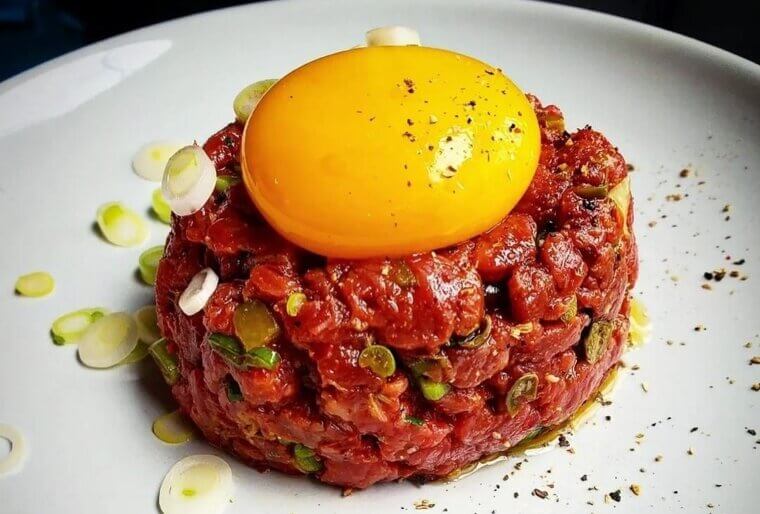
Tartare Dishes
Steak tartare or tuna tartare may look chic, but inspectors see raw meat as a hazard. Without cooking, bacteria remain alive and well. Even with careful preparation, the risk is higher than with most foods. Inspectors often skip tartare dishes, knowing that elegance doesn’t outweigh the potential for foodborne illness.
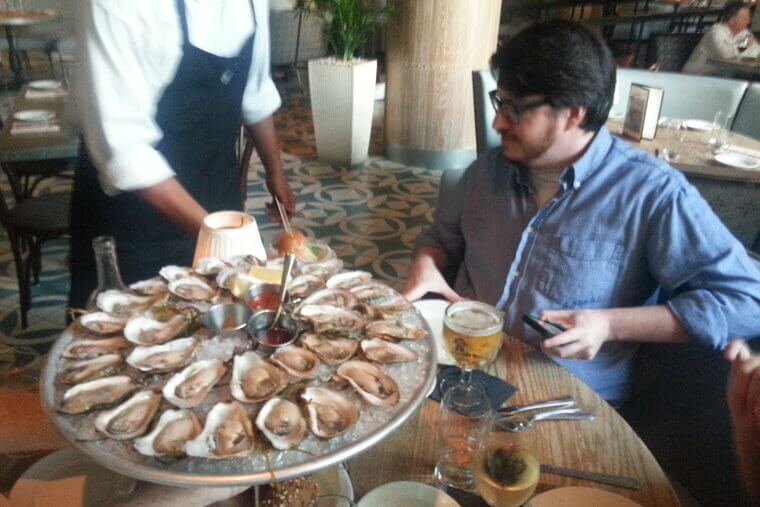
Raw Oysters
Inspectors are well aware that raw oysters can harbor Vibrio bacteria, despite their appearance on ice. As they filter water, these mussels can gather floating debris; they quickly become dangerous if the temperature is not strictly controlled. So, as no one wants to eat off-seafood, food inspectors tend to steer clear of it.
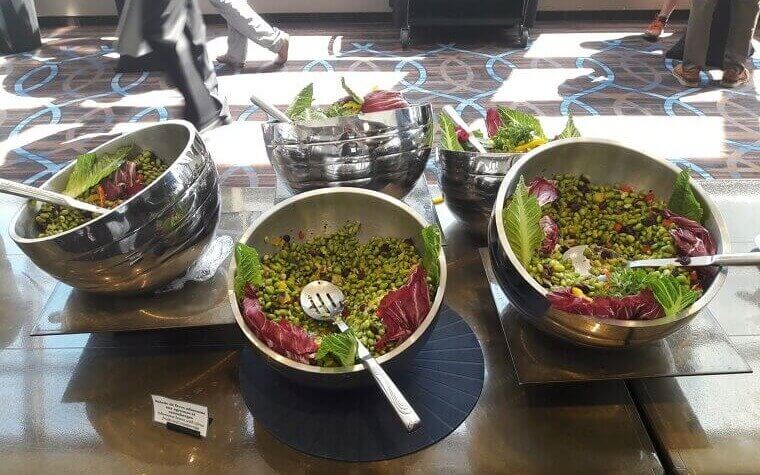
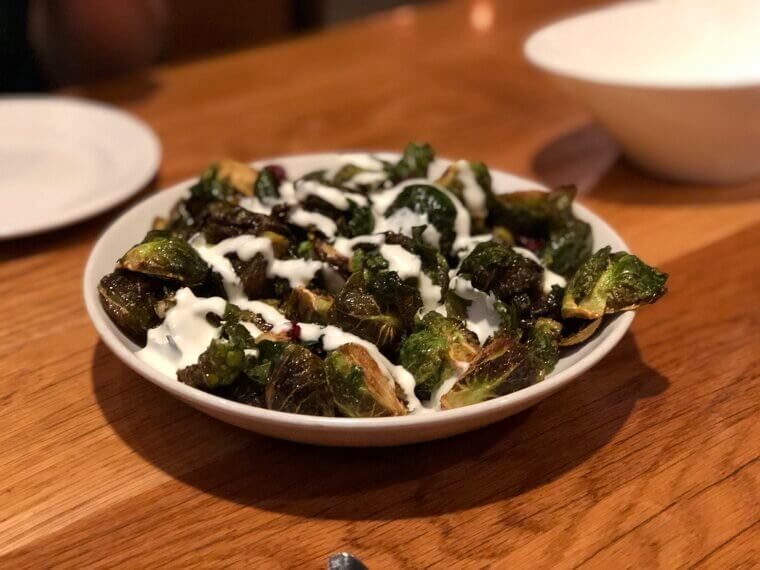
Sprouts
Surprised to see a green ‘superfood’ here? Probably, as they look healthy but they need to be kept warm before eating, but do you know what else needs heat to thrive? Germs and bacteria. Because of this, they can be linked to diseases like salmonella. With this in mind, it's easy to understand why it can be best to avoid them.
Buffet Sushi
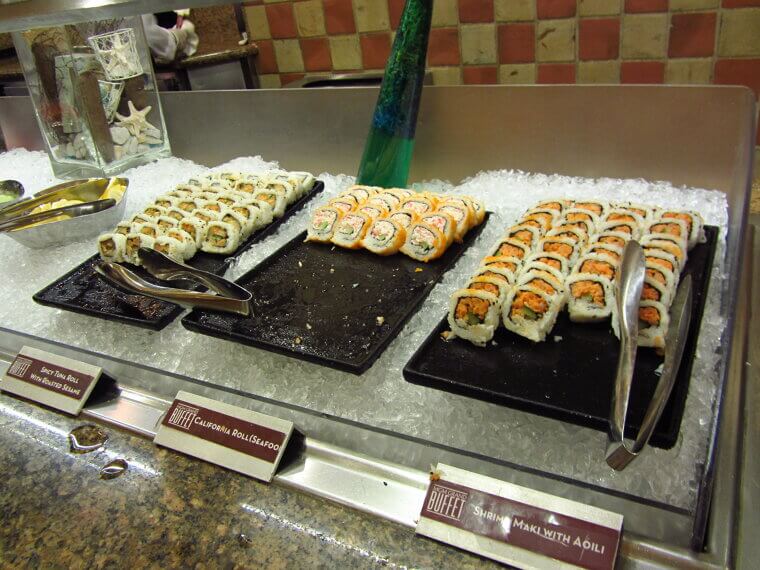
Yes, sushi can be delightful, but buffet sushi is a different story! Inspectors worry about raw fish sitting out too long, rice held at unsafe temperatures, and cross‑contamination from shared utensils. It’s a perfect storm for bacteria - while sushi bars with strict standards are fine, buffet trays often earn a cautious side‑eye.
Ground Beef
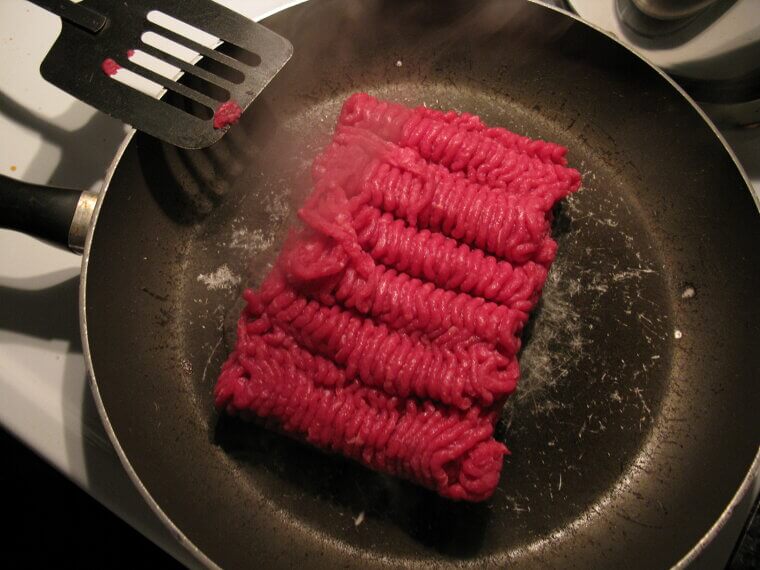
Ground beef is versatile, but inspectors know it’s more prone to contamination than whole cuts. Grinding mixes bacteria throughout the meat, so undercooking is a real hazard. Burgers cooked rare may look trendy, but inspectors prefer them thoroughly done. It’s not all about taste - it’s about avoiding pathogens that thrive in the middle.
Unpasteurized Dairy
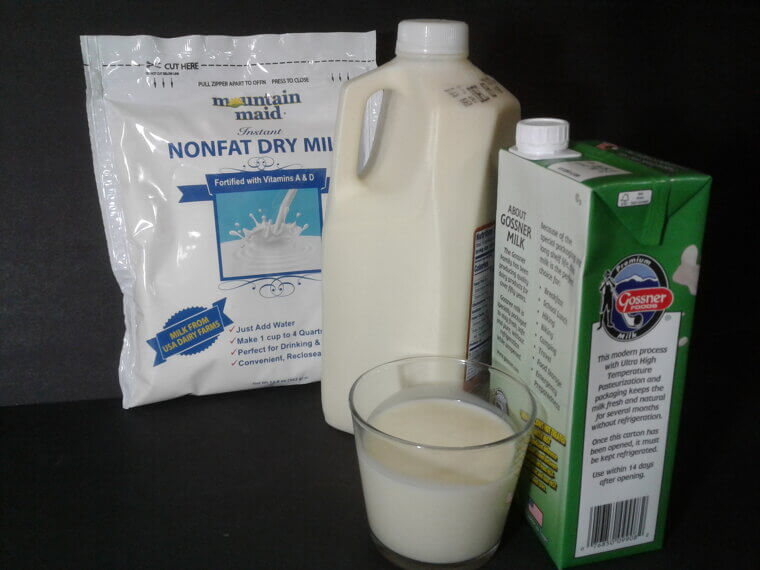
Unpasteurized milk and cheeses may sound artisanal, but inspectors know they can harbor Listeria or Salmonella. Pasteurization exists for a reason: it kills harmful bacteria. While some diners love the rustic appeal, inspectors avoid these products because the risks outweigh the appeal. Safety, after all, is more important than tradition.
Pre‑cut Fruit
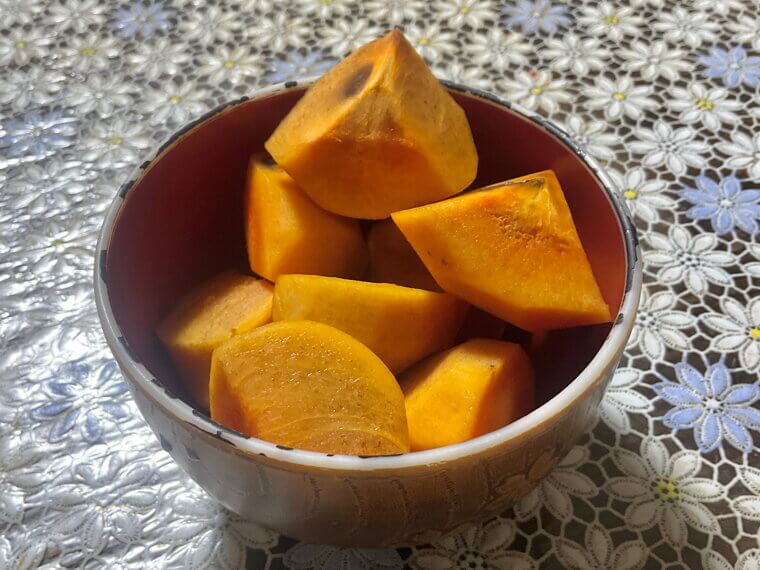
Fruit is healthy, but once it’s cut, it becomes vulnerable; inspectors know pre‑cut fruit can sit around at unsafe temperatures, letting bacteria multiply. That melon cube at the salad bar may look refreshing, but it’s not always handled properly. Whole fruit is safer, so inspectors often pass on the pre‑packaged trays.
Leafy Greens
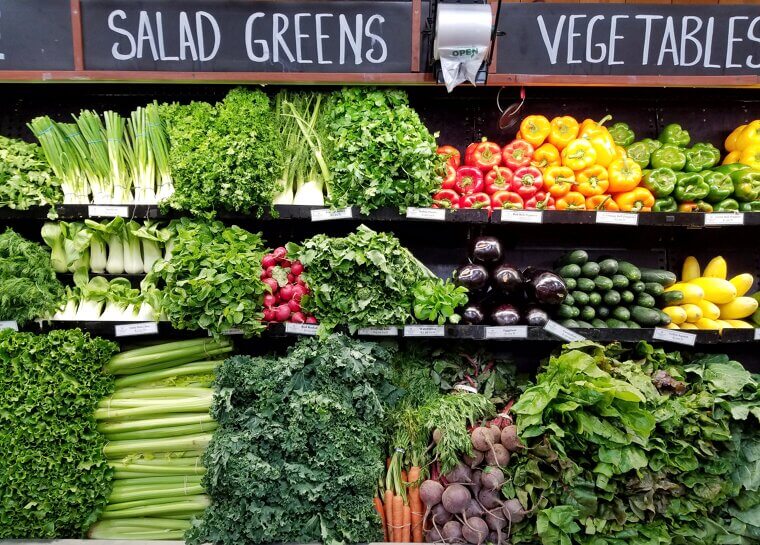
Leafy greens are a salad staple, but inspectors know they’re frequent culprits in outbreaks. Washing helps, but contamination can happen before they even reach the kitchen. Inspectors often avoid raw greens in restaurants where food safety practices seem lax. A crisp salad isn’t worth the risk of illness; unless you're certain it’s safe to consume, of course.
Soft Cheeses
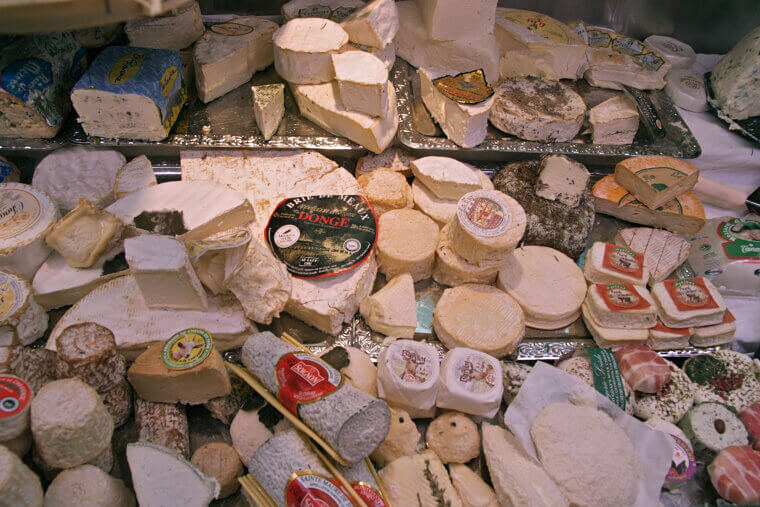
Soft cheeses like Brie or Camembert can be delicious, but inspectors know they’re risky if made from raw milk. Listeria thrives in these creamy textures. While cheese boards look inviting, inspectors often skip them unless they’re pasteurized. Safety beats sophistication when it comes to dairy that can quietly harbor bacteria.
Eggs Served Raw or Undercooked
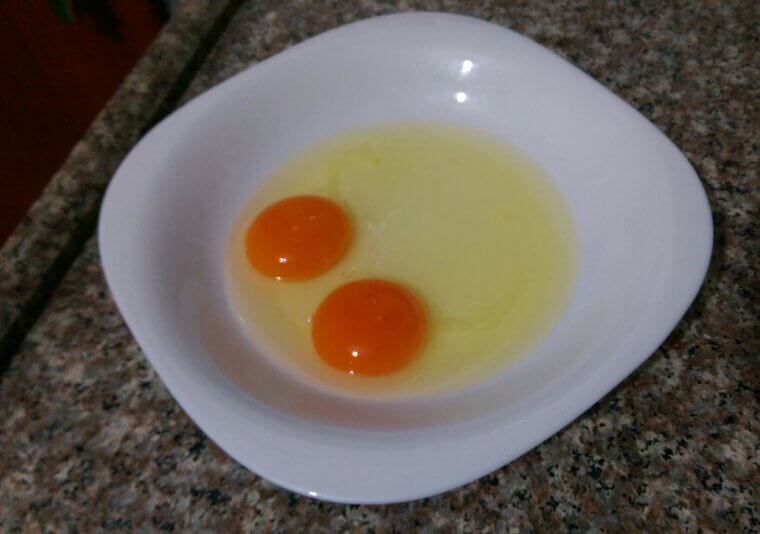
Sunny‑side‑up eggs may look Instagram‑worthy, but inspectors know risk is real. Raw or lightly cooked eggs can carry bacteria that survive the heat. That means dishes like homemade Caesar dressing or tiramisu with raw eggs are red flags. Inspectors prefer eggs cooked through, leaving no room for unwelcome surprises.
Clams and Mussels
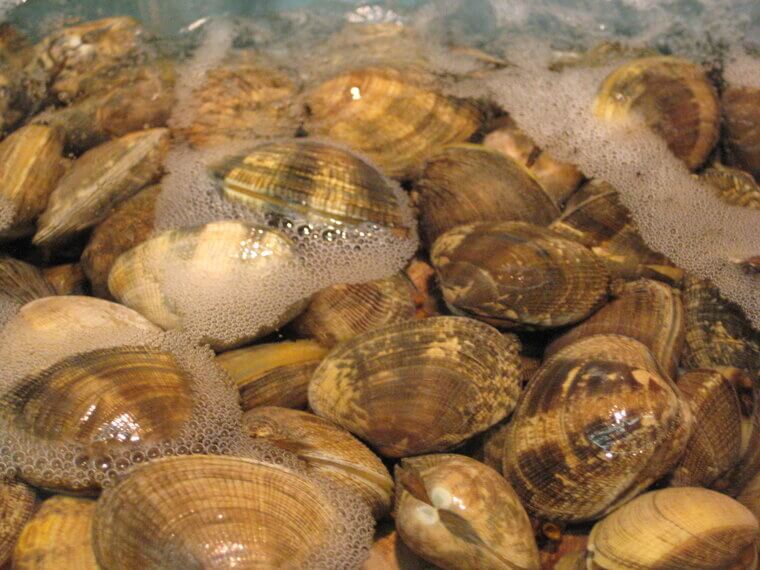
Clams and mussels are filter feeders, meaning they absorb whatever’s in the water. Inspectors know that can include toxins or bacteria. If they’re not sourced and stored properly, they’re risky. While seafood lovers enjoy them steamed, inspectors often avoid them altogether, preferring safer shellfish options that don’t carry the same baggage.
Cold Deli Meats
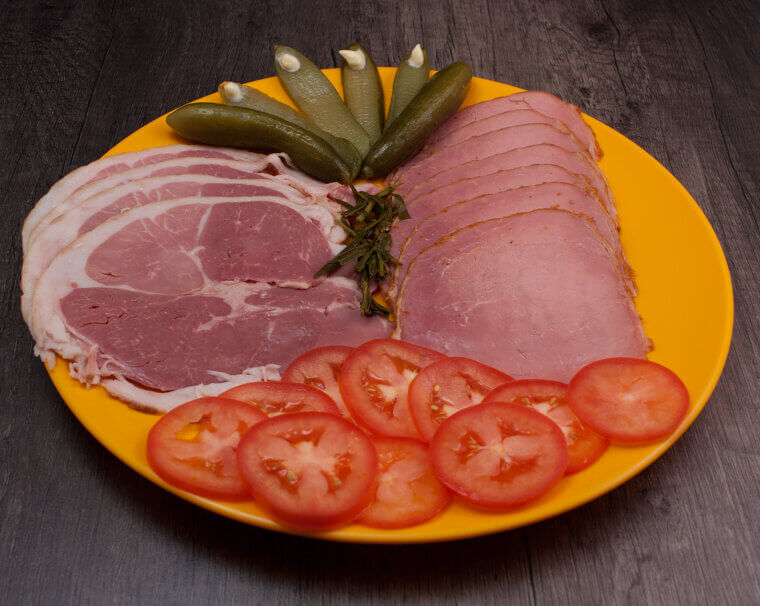
Cold cuts may be convenient, but inspectors know they’re prone to Listeria contamination. Sliced meats stored improperly can quickly become unsafe. Sandwich platters at buffets are especially concerning. Inspectors often avoid them, preferring freshly cooked meats instead. It’s not about being picky - it’s about steering clear of bacteria that thrive in cold storage.
Buffet Hot Foods
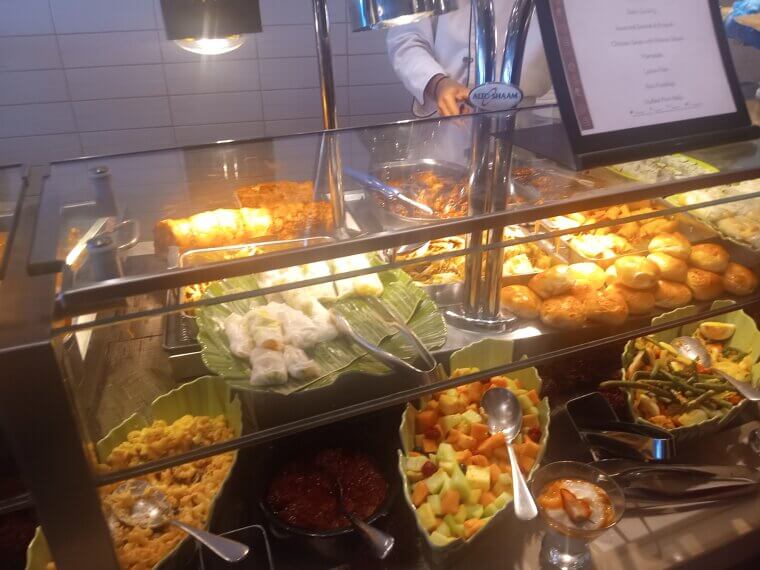
Buffet trays of hot food may look abundant, but inspectors know they’re often held at unsafe temperatures. Lukewarm dishes sit in the “danger zone” where bacteria multiply. Inspectors avoid them unless they’re piping hot. That steam table may look inviting, but it’s not always doing its job properly.
Unwashed Berries
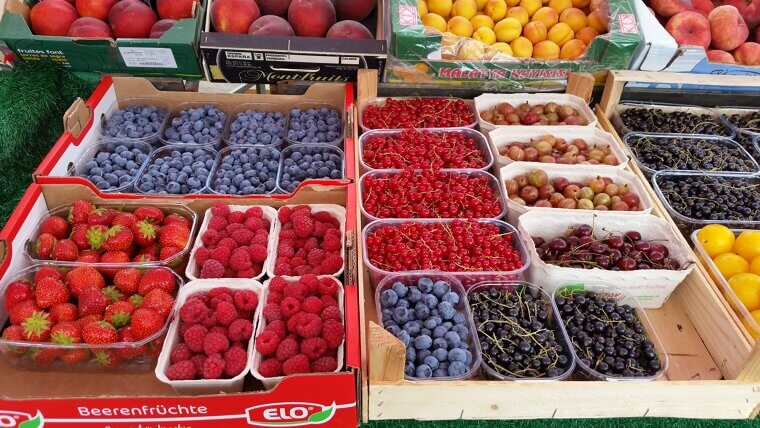
Berries are fragile and easily contaminated. Inspectors know they’re often eaten raw, which means no cooking step to kill bacteria. If they’re not washed thoroughly, they can carry pathogens. While berries look sweet and innocent, inspectors often skip them in restaurants where food-handling practices seem questionable. Safety first, sweet tooth second.
Unpasteurized Juices
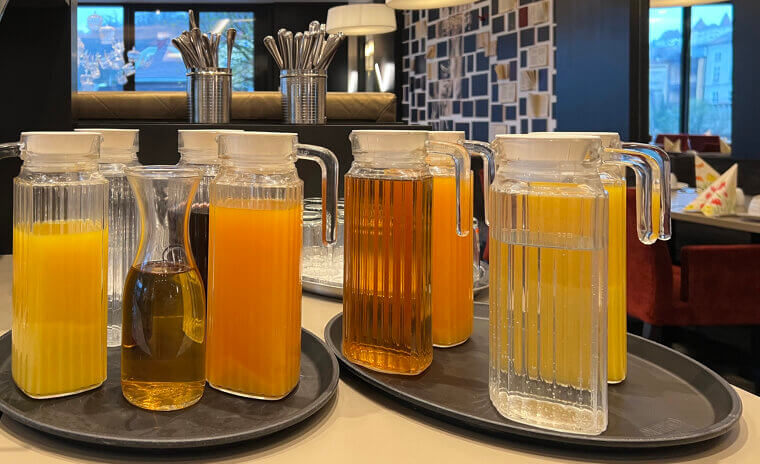
Fresh‑pressed juices may sound healthy, but inspectors know unpasteurized versions can carry harmful bacteria. Without pasteurization, there’s no safeguard against contamination. That trendy juice bar may look appealing, but inspectors often avoid raw juices. They prefer pasteurized options that deliver the same vitamins without the hidden risks.
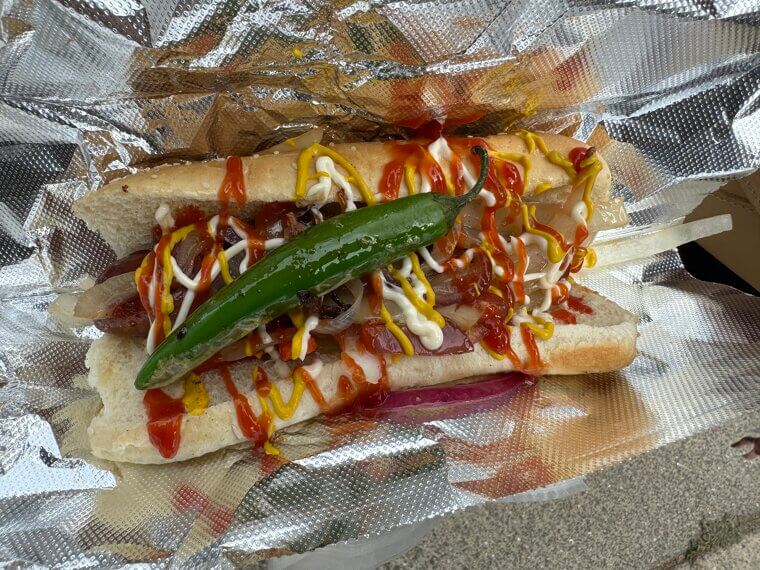
Street‑vendor Hot Dogs
Hot dogs from street carts may be iconic, but inspectors know storage and reheating practices aren’t always ideal. If they’re not kept at proper temperatures, bacteria can thrive. Inspectors often avoid them, preferring hot dogs cooked fresh in controlled kitchens. Nostalgia is nice, but food safety matters more.
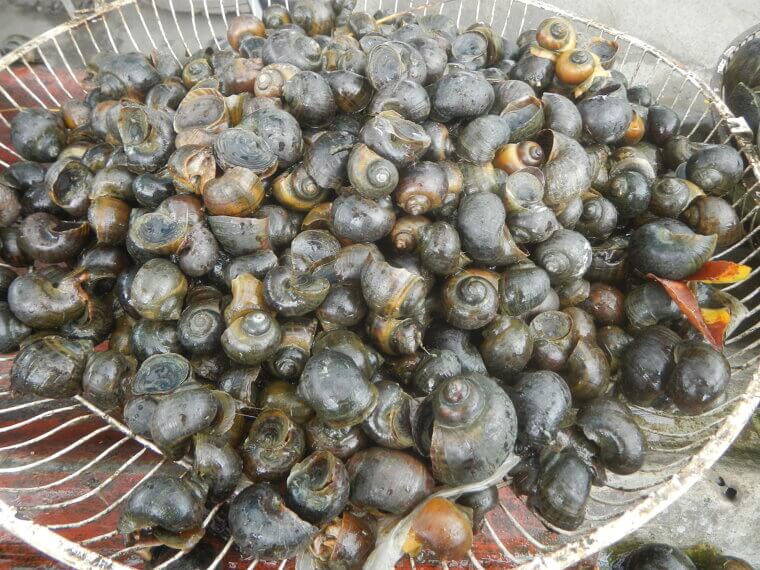
Shellfish in Warm Months
Shellfish can be risky year‑round, but inspectors know warm months make them worse. Higher water temperatures lead to greater bacterial growth. Unless sourcing and storage are impeccable, shellfish can quickly become unsafe. Inspectors often avoid them in summer, preferring cooler‑season catches that don’t carry the same elevated risks.
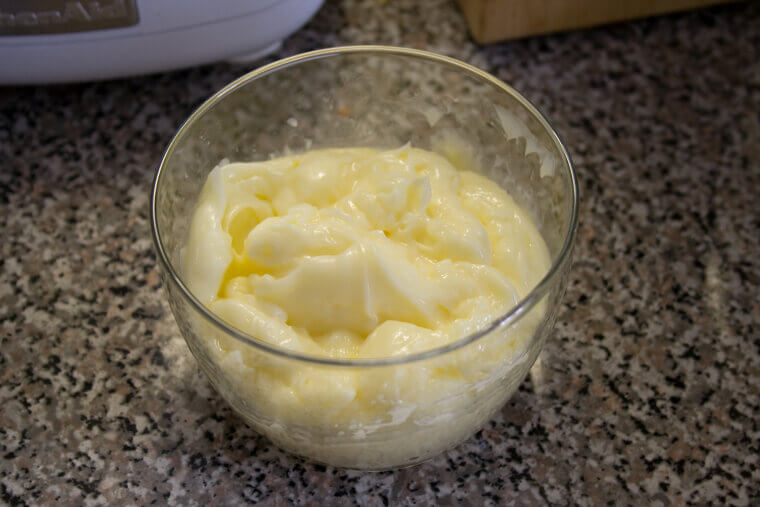
Homemade Mayonnaise
Homemade mayo may taste rich, but inspectors know raw eggs make it risky. Salmonella can survive in that creamy mixture. Commercial mayo is pasteurized and safer, but homemade versions are unpredictable. Inspectors often skip it, preferring condiments that don’t come with a side of potential foodborne illness.
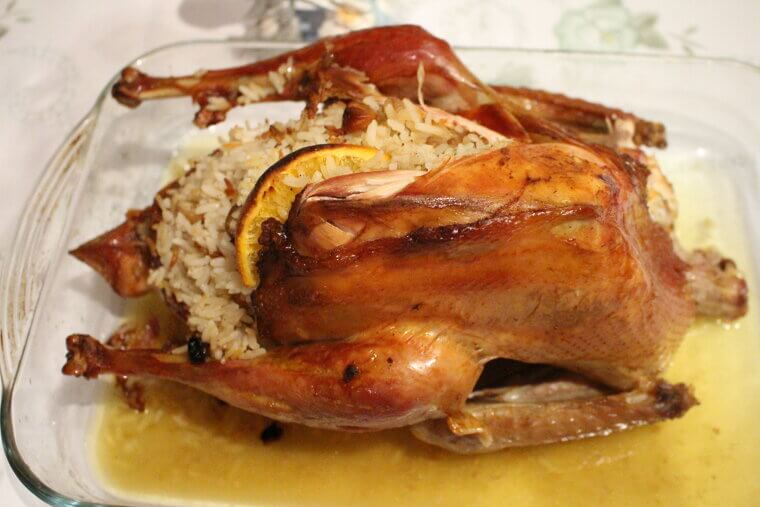
Stuffed Poultry
Stuffing poultry may sound festive, but inspectors know it prevents even cooking. The stuffing insulates bacteria inside, making it harder to reach safe temperatures. That’s why inspectors avoid stuffed birds in restaurants. They prefer stuffing cooked separately, ensuring both the poultry and the side dish are safe to enjoy.
Open Salad Bars
Salad bars look colorful, but inspectors know they’re breeding grounds for cross‑contamination. Shared utensils, questionable temperature control, and uncovered dishes make them risky. Inspectors often avoid them, preferring salads prepared fresh in the kitchen. Convenience is nice, but food safety is nicer when it comes to leafy greens and toppings.