Why Food Taboos Mattered at the Turn of the Year
For generations, food on New Year’s carried meaning beyond taste or tradition. Families believed that what they ate, or avoided, could influence luck, health, and prosperity for the year ahead. These ideas often came from cultural symbolism, wordplay, or simple observation passed down through elders. Certain foods were skipped not because they were disliked, but because they were thought to invite hardship or loss. In many homes, New Year’s meals were planned carefully, with rules quietly enforced around the table. Children learned early that some foods were not welcome on that day, even if they appeared the rest of the year. Looking back, these beliefs may seem superstitious, but they offered comfort and structure. They gave families a sense of control over an uncertain future. Today, fewer people follow strict food rules on New Year’s, yet the memories remain strong. These avoided foods tell a story about hope, caution, and the desire to begin again on the right foot.

Lobster and Other Foods That Move Backward
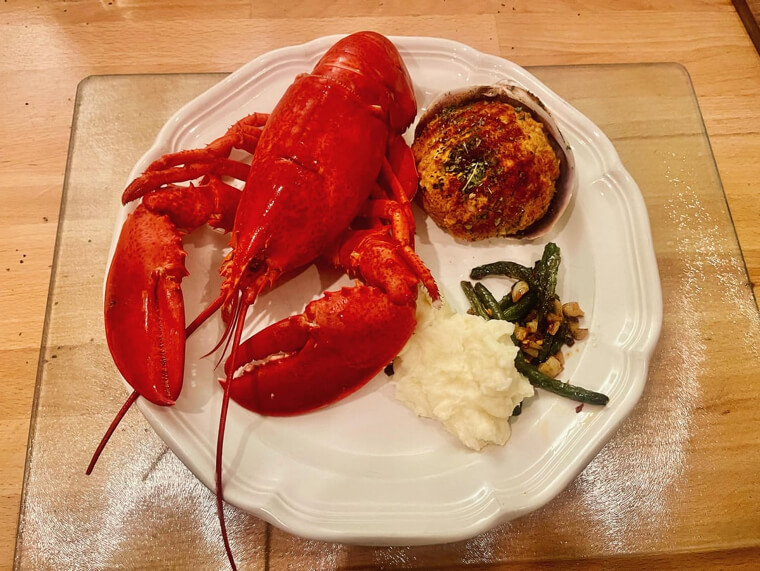
In some cultures, lobster was avoided on New Year’s because of how it moves. Lobsters swim backward, and that motion became linked with the fear of moving back in life rather than forward. Starting the year with a backward symbol felt risky. The same thinking applied to other foods associated with retreat or reversal. Families who followed this belief chose dishes that symbolized progress instead. Even if lobster was considered a luxury, it stayed off the table. Looking back, this rule feels especially nostalgic, reflecting a time when symbolism mattered deeply. Today, many people enjoy lobster whenever they like, without concern for its direction of movement. Still, the old belief reveals how carefully families once thought about the year ahead. Food was not just nourishment but a message to fate. Avoiding lobster was a small act meant to protect momentum and encourage growth in the months to come. The reasoning may seem quaint now, but it shows how meaning was woven into everyday choices at home.
Chicken Wings and the Fear of Scratching Away Luck
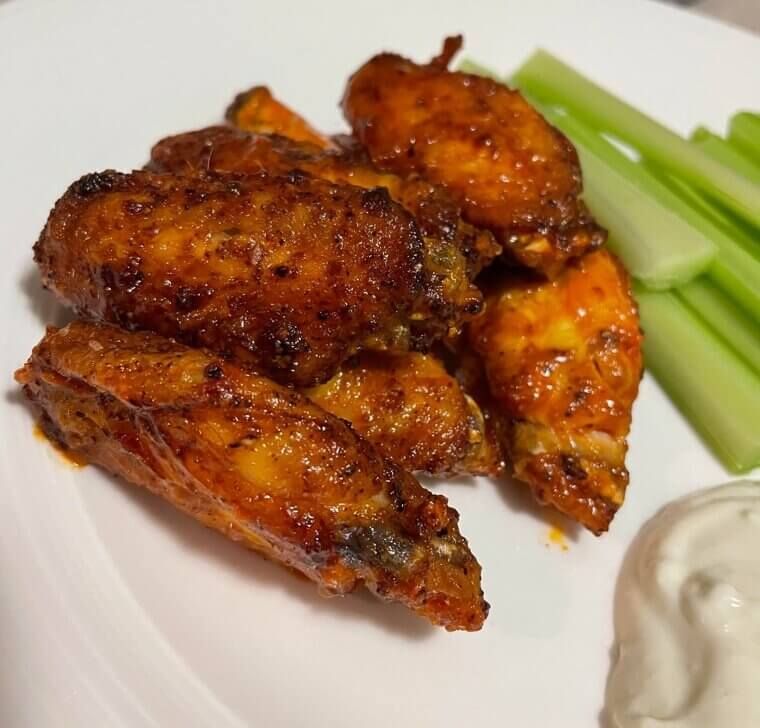
Chicken was another food some families avoided on New Year’s, especially wings or legs. The concern came from how chickens scratch backward in the dirt. That motion was believed to scratch away good fortune before it had a chance to settle. In households that followed this rule, poultry was replaced with foods thought to move forward or stay grounded. The belief was taken seriously, even if it meant skipping favorite dishes. Looking back, the idea feels both charming and strict. Today, most people would not connect chicken with financial or personal setbacks. Yet for earlier generations, these symbols offered guidance. Avoiding chicken was a way to show respect for tradition and caution. It reflected the hope that careful choices could shape outcomes. The habit has largely faded, but it remains part of family stories shared around the table. Remembering why chicken was once avoided highlights how closely food, belief, and daily life were once connected during New Year’s celebrations at home.
Fish With Fins Versus Fish Without Them
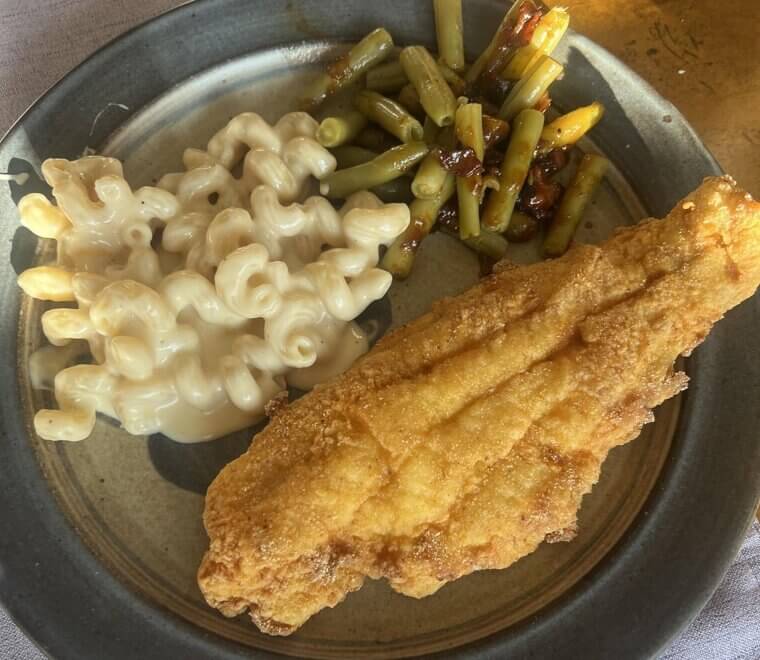
Fish often played a role in New Year’s meals, but not all fish were considered equal. In some traditions, fish without fins or scales, such as catfish, were avoided. These fish were associated with scavenging or staying close to the bottom, which symbolized struggle or lack of progress. Families preferred fish that swam freely and upward, believing they represented abundance and movement. Avoiding certain fish was not about taste but meaning. Looking back, these distinctions feel detailed and carefully thought out. Today, many people enjoy all types of fish without hesitation. Still, the old rules show how deeply symbolism shaped food choices. Meals were designed to reflect hopes for improvement and stability. Avoiding bottom dwelling fish was a way to aim higher, at least in spirit. While modern celebrations rarely follow such guidelines, the memory of these choices reveals how food once served as a quiet language of intention at the start of the year.
Bread and Baked Goods Linked to Emptiness
In some households, certain breads or baked goods were avoided on New Year’s because they were linked to lack or emptiness. Plain bread, especially if served alone, could symbolize hard times ahead. Families worried it suggested scarcity rather than abundance. Instead, richer or fuller dishes were preferred. Looking back, this belief reflects a time when food security was less certain. Bread carried strong emotional meaning, representing survival rather than comfort. Avoiding it on New Year’s was a way to reject the idea of struggle. Today, bread is enjoyed freely and often associated with warmth and tradition. The old fear feels outdated, yet understandable given past experiences. Remembering this habit highlights how New Year’s meals were shaped by hopes for stability. Food choices were meant to send a message of fullness and prosperity. While these beliefs are rarely followed now, they offer insight into how families once used meals to express optimism and guard against worry as the year began.
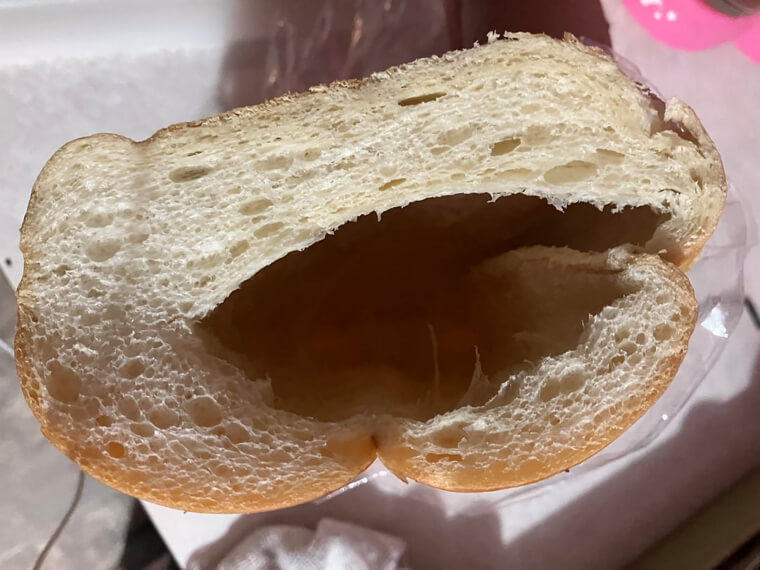
Certain Noodles That Symbolized a Shortened Year
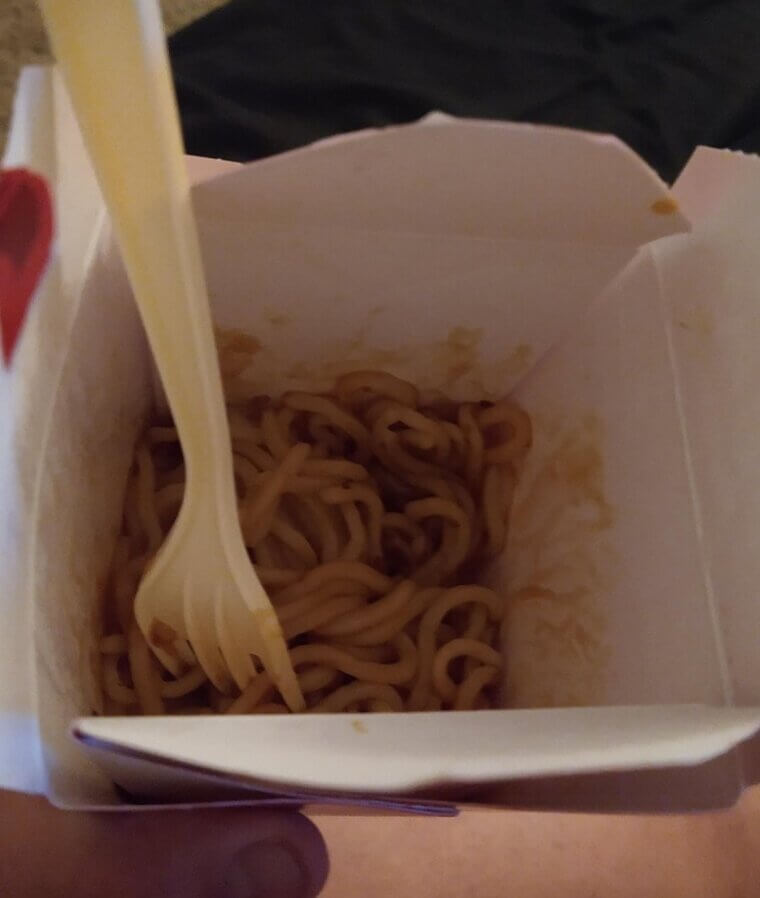
Certain noodles were avoided on New Year’s in some families because of how they were cut and served. Short noodles or broken strands were believed to represent a shortened life or interrupted luck. At a time when longevity mattered deeply, this symbolism carried weight. Families who followed this belief saved noodles for other days and chose foods that felt whole and complete instead. Looking back, the idea feels strict, especially since long noodles are now widely associated with good fortune. Still, the concern reflected deeper fears about health and stability. Breaking food was sometimes seen as breaking possibility. Today, few people worry about noodle length, and convenience has replaced caution. Yet the old rule reminds us how carefully meals were once prepared. Even small details carried meaning. Avoiding certain noodles was less about denial and more about protecting hope. The habit has faded, but it shows how intention shaped even the simplest choices at the start of the year.
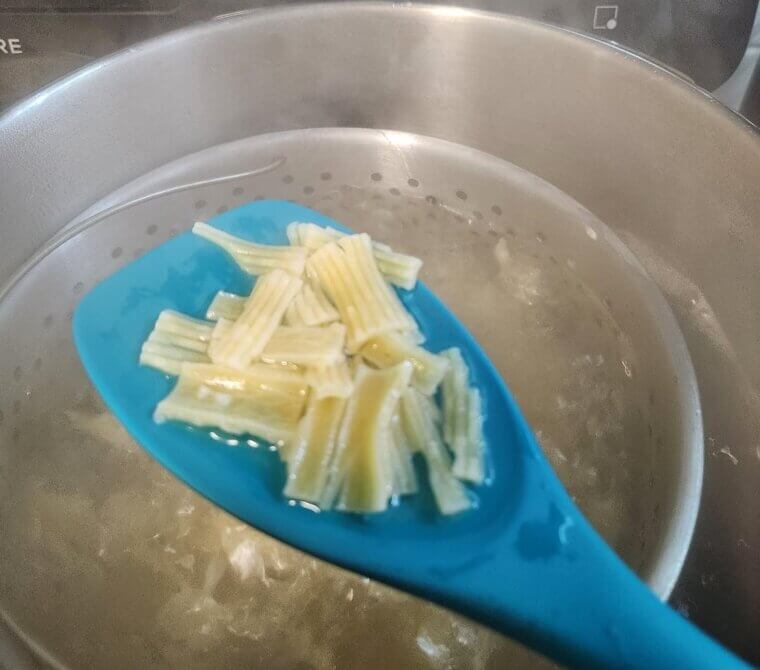
Cheese and Foods Linked to Being Nibbled Away
Cheese was sometimes avoided on New Year’s because it was associated with mice and scarcity. In households shaped by old sayings, cheese symbolized being nibbled away or losing resources bit by bit. Starting the year with that image felt risky. Families who followed this belief chose foods that suggested fullness and strength instead. Looking back, the idea feels surprising, especially since cheese later became a symbol of comfort and celebration. At the time, however, associations mattered more than flavor. Food carried messages about survival and security. Today, most people enjoy cheese without a second thought, including on holiday tables. Still, the memory reflects how earlier generations viewed abundance. Avoiding cheese was not about dislike but protection. It was one more way families tried to guard against hardship. While the rule has disappeared, it offers insight into how cautious people once felt at the start of a new year and how food was used to express hopes quietly at home.

White Foods Associated With Mourning
White foods were avoided in some cultures because they were linked to mourning and loss. Rice, plain porridge, or unadorned tofu could resemble funeral meals rather than celebration. Serving them on New Year’s was thought to invite sadness into the months ahead. Families chose colorful or rich dishes instead, believing brightness encouraged joy. Looking back, this rule feels rooted in emotion rather than logic. Color carried meaning when life felt uncertain. Today, white foods are everyday staples and rarely connected to bad luck. Still, the old avoidance shows how closely food and feeling were tied. Meals were meant to set a tone for the year. Avoiding pale dishes was a way to lean toward hope. While modern tables mix colors freely, the memory remains a reminder that presentation once mattered deeply. Food was not only nourishment but a signal of intention. That belief shaped choices in quiet ways that families carried forward year after year.
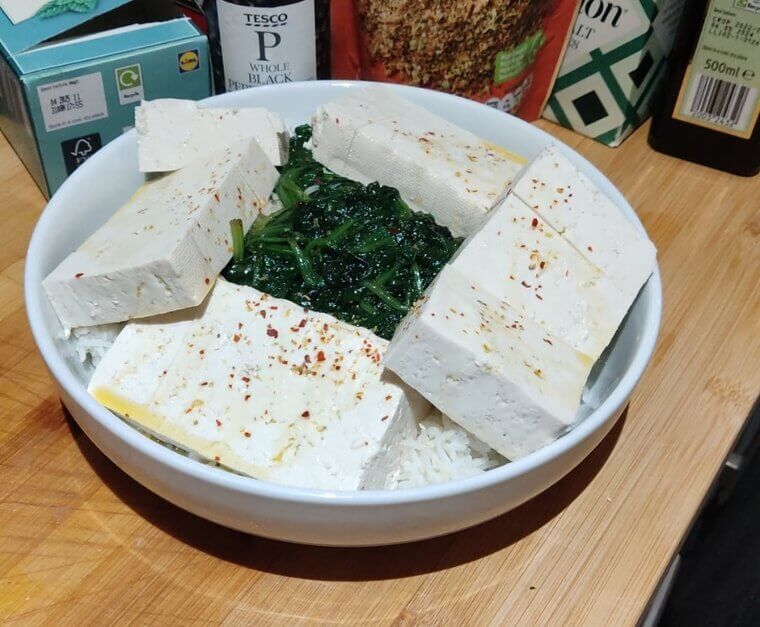
Foods That Were Heavily Cut or Sliced
Foods with sharp edges or cutting symbolism were avoided in some households on New Year’s. Sliced foods, chopped meats, or anything heavily cut could suggest severing luck or relationships. Elders encouraged whole dishes that felt unbroken. Looking back, the belief feels symbolic and careful. It came from a desire to keep life intact. Today, few people think twice about how food is cut, especially with prepared meals so common. Still, the old rule shows how mindful families once were. Every action was thought to carry consequence. Avoiding sharp symbolism was a way to protect harmony. While the practice has mostly vanished, it reflects a time when meals were slow and deliberate. The goal was not perfection but peace. Remembering this habit highlights how New Year’s food traditions were built on hope and caution rather than convenience, shaping the way families approached the first meal of the year together at home.
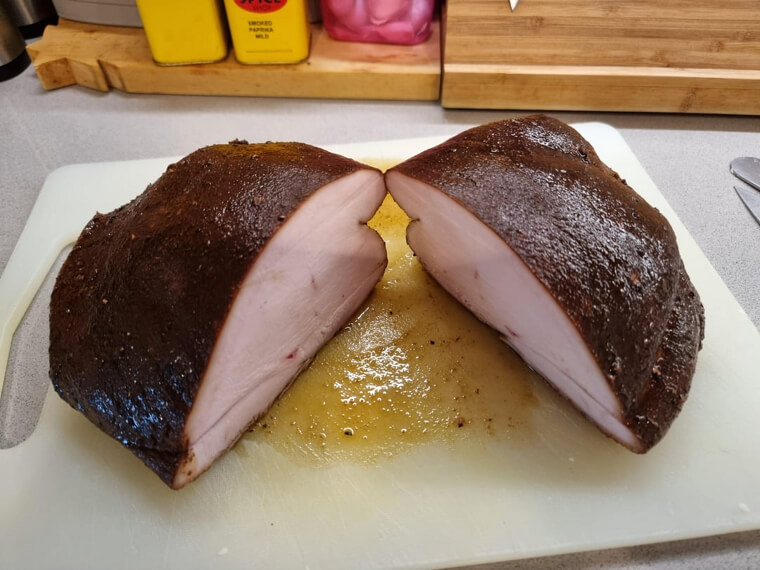
Leftovers Carried Over From the Old Year
Leftovers were avoided by some families on New Year’s because they symbolized carrying old problems forward. Starting the year with yesterday’s food felt like starting with yesterday’s worries. Freshly prepared meals were preferred, even if simpler. Looking back, this belief reflects a desire for renewal. Waste was a concern, yet meaning came first on that day. Today, leftovers are practical and appreciated, especially with busy schedules. Few people see them as unlucky. Still, the old habit shows how seriously people took fresh starts. Cooking anew was a way to reset emotionally. Avoiding leftovers was less about rules and more about intention. It marked a clean break between years. While modern households value efficiency, the memory of starting with something new still resonates. It reminds us how food once helped people feel ready to move on, leaving the past behind as the calendar turned quietly at home together again with family.