High-Fat, Heavily Fried Foods
The worst offense for evening eating is consuming anything heavily fried or exceptionally high in saturated fat, such as deep-fried chicken, thick creamy sauces, or fatty cuts of red meat. While fat provides satisfying flavor, it is notoriously slow to digest. When the stomach is working overtime to break down these complex molecules, it diverts energy and blood flow to the digestive tract, actively preventing the body from entering the restful state needed for quality sleep. This slow digestion often leads to indigestion, bloating, and discomfort that peak just as you are trying to wind down for the night, resulting in fragmented sleep patterns and early morning wakefulness. Older adults, whose digestive systems operate less efficiently than they did in their youth, should be particularly cautious. Eating a large, fatty meal late forces the body to prioritize digestion over cellular repair and metabolic rest, making the entire dinner an act of sabotage against a good night's rest and healthy aging. The recommended approach is substituting deep-fried items with lean baked or grilled proteins and light vegetable sides for dinner.

Large Portions of Lean Protein
While protein is essential for muscle maintenance and satiety, attempting to maximize protein intake at dinner often backfires, as this strategy can interfere with muscle repair. Consuming excessive amounts in the late evening can place an undue burden on the kidneys and liver, organs responsible for processing the protein's waste products, such as urea. If the portion is too large, the metabolic effort required to process the amino acids raises the body's core temperature, interfering with the natural drop in temperature necessary to initiate sleep. Furthermore, processing a massive protein load can lead to increased nocturnal urination, forcing disruptive trips to the bathroom that severely fragment the sleep cycle. The key mistake here is not the protein itself, but the portion size. Aim for a moderate, palm-sized portion of lean fish or poultry at dinner, ensuring the body has ample time to process it before bedtime, rather than stressing the system right before lights out.

Spicy and Acidic Foods
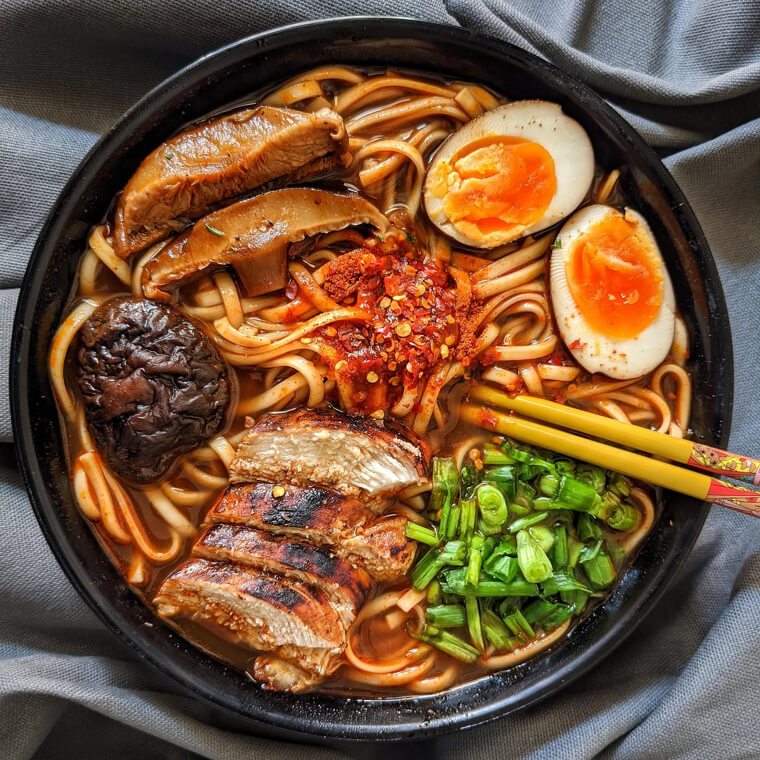
Dishes loaded with chili peppers, hot sauce, heavy garlic, or highly acidic ingredients like tomato sauce are delicious, but they are poor choices for evening meals, especially for anyone prone to heartburn or acid reflux. Spicy foods stimulate the production of stomach acid, and when lying down, gravity no longer assists in keeping that acid where it belongs. This leads to uncomfortable or even painful heartburn and reflux that can instantly wake you from sleep or make it impossible to fall asleep in the first place. This regret is compounded by the fact that many seniors take medications that can already weaken the esophageal sphincter, making them doubly vulnerable to nighttime acid issues. The mistake is assuming a low tolerance for spice is the only issue; even moderate spice can trigger an issue when the body is horizontal. To prevent this painful cycle of wakefulness, it is strongly advised to eliminate rich, acidic sauces and very spicy seasonings after the 5 PM cut-off.
Hidden Caffeine Sources Like Dark Chocolate and Sodas
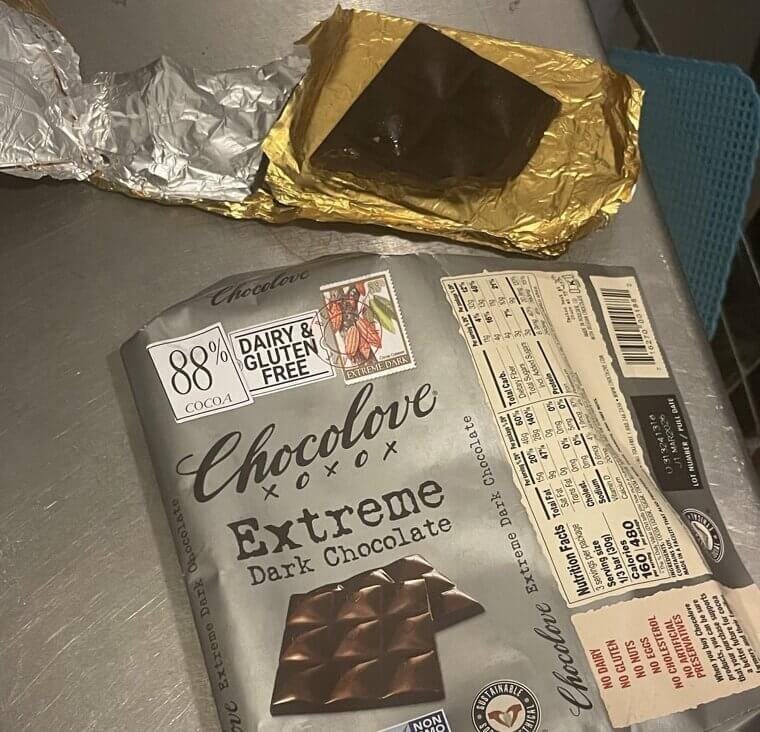
Many older adults diligently avoid coffee after lunch but unknowingly sabotage their sleep with hidden sources of caffeine consumed in the evening. The two major culprits are popular sodas, especially cola, and dark chocolate desserts. Dark chocolate, often consumed after dinner as a "healthier" treat, contains not only caffeine but also the stimulant theobromine, both of which can linger in the system for up to six hours, keeping the nervous system alert. Experience confirms that even small doses of stimulants consumed post-5 PM can disrupt the deep, restorative slow-wave sleep cycles crucial for cognitive and physical recovery in seniors. The mistake is misjudging the half-life of caffeine and assuming only coffee matters. Switching to decaffeinated herbal tea, water, or fresh fruit for dessert completely eliminates this self-imposed evening stimulation, ensuring the brain can achieve the necessary deep rest required for optimal function and memory consolidation the following day.
Large Simple Carbohydrates and Sugar Desserts
While a sudden sugar craving is common in the evening, indulging in large portions of simple carbohydrates, such as white pasta, sugary pastries, or white bread, is a serious mistake for metabolic health. These foods are rapidly converted into glucose, causing a swift spike in blood sugar. This sugar rush triggers a massive release of insulin, leading to an inevitable and dramatic blood sugar crash a few hours later, often during the middle of the night. This crash stimulates the release of stress hormones, which can wake you up and make it difficult to return to sleep, creating the frustrating cycle of midnight wakefulness. Furthermore, the body is less efficient at burning calories late at night, meaning that those large doses of simple sugars are much more likely to be stored as fat, contributing to long-term weight gain. For stable sleep and metabolic health, always choose complex carbohydrates like whole grains or fibrous vegetables if you must eat, minimizing the intake of processed sugars after 5 PM.