Sweetened Breakfast Cereal
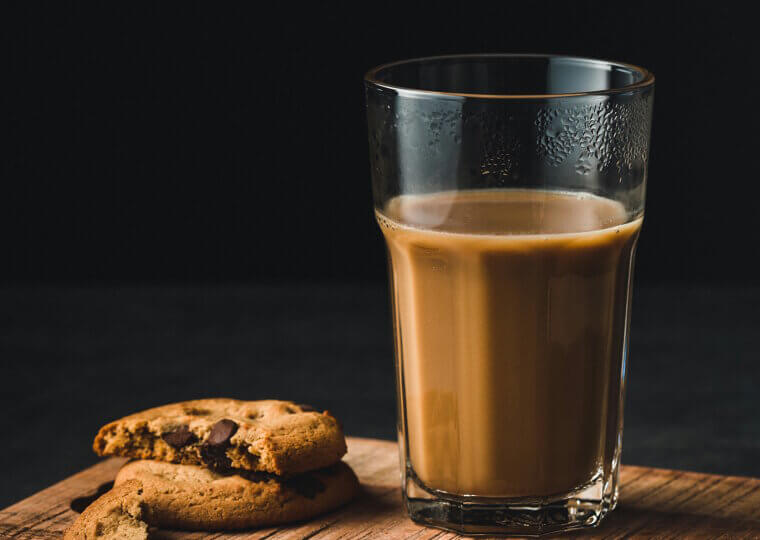
Sweetened breakfast cereal once dominated the dawn of every school day. Bright colors, cartoon mascots, and promises of vitamins made mornings feel like celebrations. Milk turned neon, sugar sparkled, and bowls disappeared faster than adults could warn of cavities. Modern nutrition would frown at the sugar parade, but childhood tasted differently. Every crunch was an alarm clock of fun, and mornings felt lighter, brighter, and full of possibility.
Tang
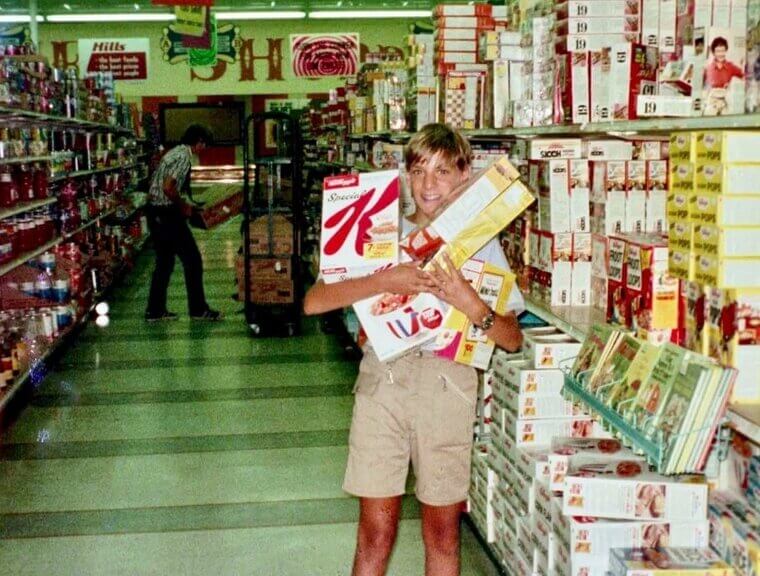
The powdered magic of childhood kitchens, Tang was a drink so vividly orange it felt engineered for astronauts and hyperactive earthlings alike. You’d scoop those glinting crystals into water and watch them bloom like some sugary science experiment. Adults swore it was close enough to juice, and kids didn’t question miracles. With time, though, its nutritional veneer dissolved, leaving a concoction more chemistry set than citrus grove and the memory of a suspiciously glowing pitcher.
SunnyD
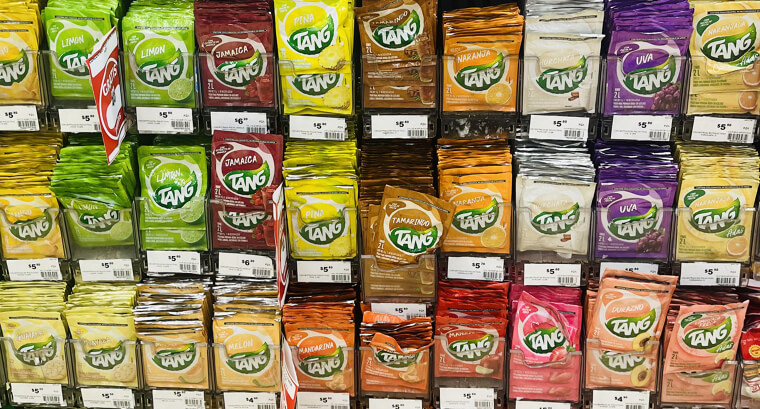
SunnyD strutted through childhood like a bright orange superstar, the kind of drink that seemed healthy purely by association with oranges. Its tangy, electric flavor felt futuristic - almost sci-fi - and parents popped it into lunchboxes believing it carried the spirit of vitamins. Only later did we learn that the closest it came to fruit was the color palette. The myth has faded, but the memory lingers alongside its oddly addictive zing.
Fruit-On-The-Bottom Yogurt
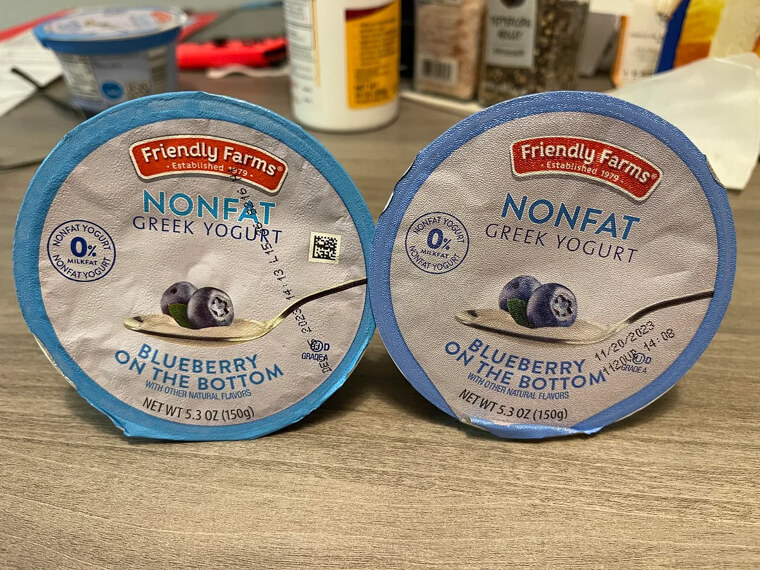
Fruit-on-the-bottom yogurt once felt like the height of childhood sophistication: a dessert cleverly disguised as breakfast. Peel back the foil lid, stir up that neon fruit sludge, and feel oddly proud - as though you’d crafted something gourmet. Back then, “healthy” meant it contained a dairy product and vaguely fruit-like shapes. Today, with its sugar levels exposed, it reads more like a dessert in witness protection. Still, there’s a certain charm in the nostalgia.
SnackWell’s Fat-Free Cookies
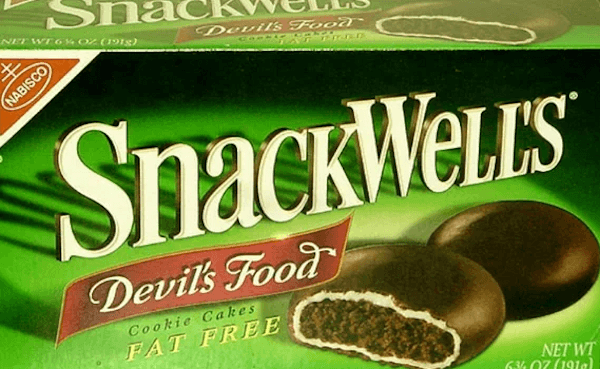
There was a moment in time when SnackWell’s fat-free cookies swept through households like a green-boxed prophecy. Adults praised them with the zeal usually reserved for miracle cures, and kids scarfed them down thinking they’d cracked some nutritional cheat code. Of course, the truth was hiding under all that sweetness: less fat, but more sugar than anyone wanted to admit. The health halo has slipped since then, yet they remain a reminder of a hopeful time.
Frozen Yogurt Cups
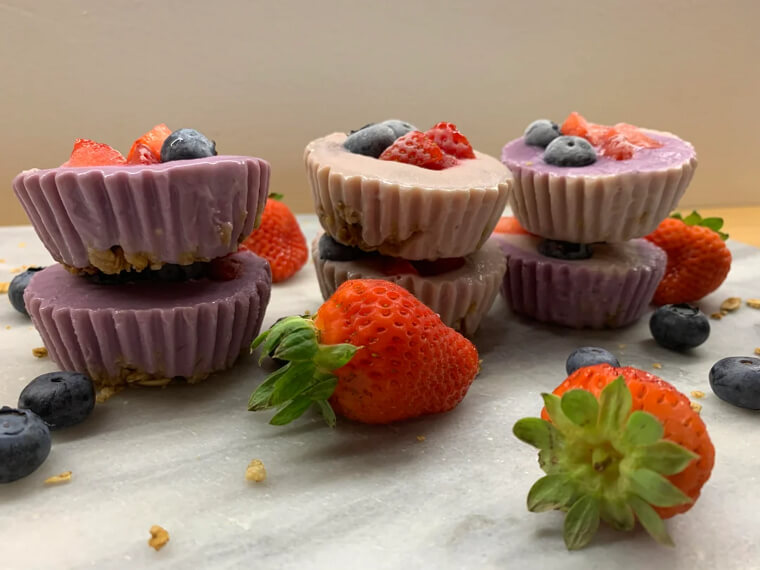
These were the cool kid of the freezer aisle, literally and figuratively. They promised all the joys of ice cream without the supposed guilt, which felt revolutionary at the time. We’d happily spoon through those pastel cups, convinced we were doing our bodies a favor while still chasing that dairy-daydream sweetness. As nutrition labels became less forgiving, the myth cracked; turns out froyo was often just dessert dressed in sensible shoes.
Lunchables
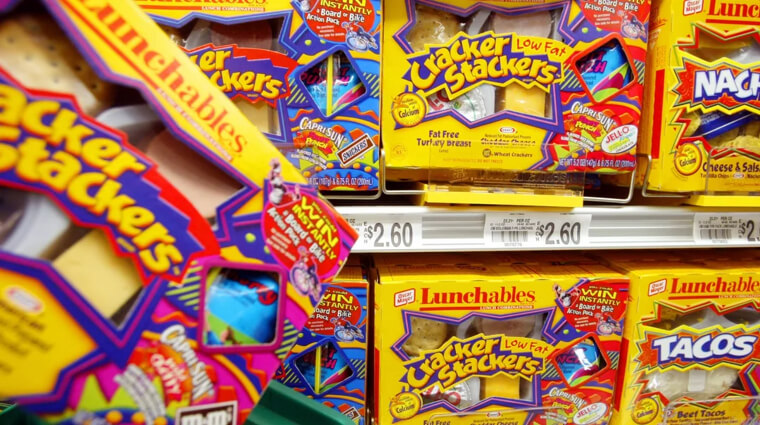
Lunchables were the crown jewel of cafeteria prestige: little plastic kingdoms where you could stack crackers, cheese, and mystery meat into creations that felt both culinary and wildly chaotic. They sold themselves as balanced meals, and for a generation, that seemed true enough. In hindsight, the sodium alone could probably power a small generator, and the ingredients list reads like something out of speculative fiction. Yet there’s undeniable sweetness in remembering the thrill!
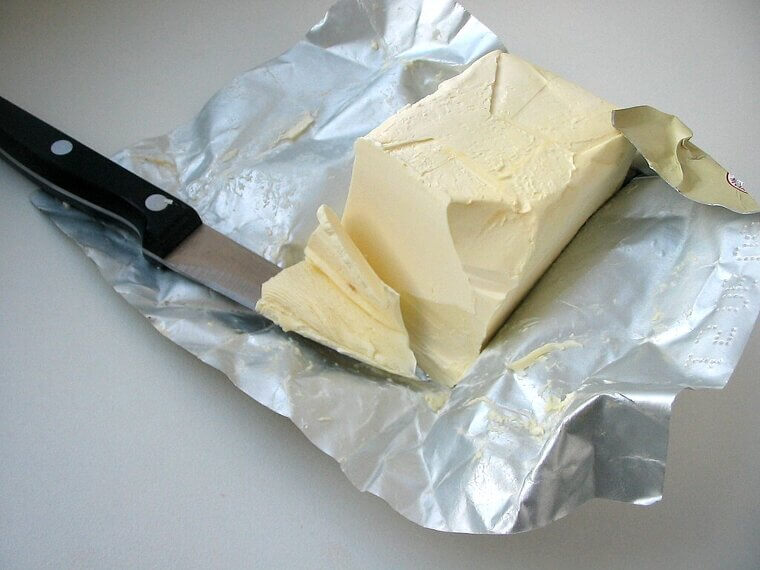
Margarine
Margarine slid into households with the confidence of a health-conscious hero, promising a brave new world where butter was passé and yellow tubs reigned supreme. It spread smoothly, melted obligingly, and carried an aura of modern efficiency. Years later, we learned the trans-fat underpinnings of its empire, and the glow dimmed considerably. Still, there’s something charming about remembering the way families brandished it like nutritional progress, as if salvation came in a plastic container.
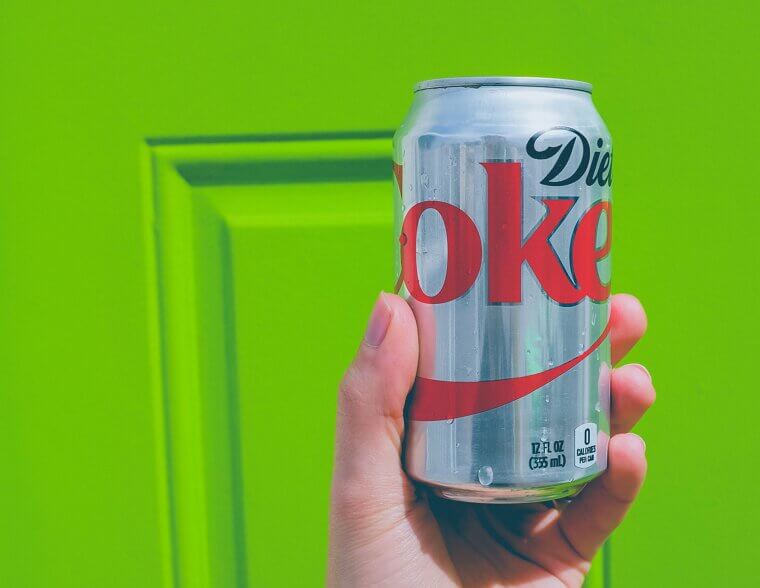
Diet Soda
Diet soda felt like a loophole in the universe: all the fizz, flavor, and caffeinated bravado without any “real” consequences. Adults nursed it with smug satisfaction, while kids stole sips thinking they’d discovered a grown-up elixir. Its artificial sweetness eventually earned a more dubious reputation, and the idea of it being healthy drifted away like a popped bubble. Yet nostalgia clings to that crack of the tab and the hope that you could outsmart sugar with science.
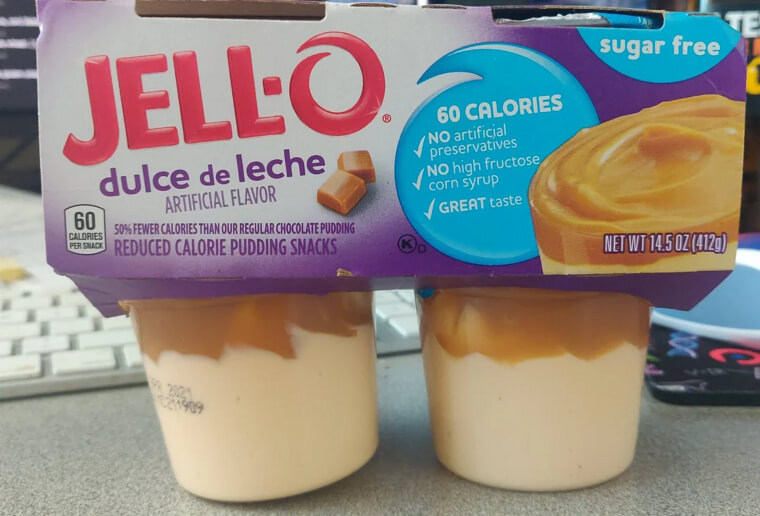
Low-Fat Pudding Cups
Low-fat pudding cups strutted onto the scene like dessert’s responsible cousin, offering indulgence without guilt. Kids loved the creamy swirl; adults loved the reassuring claim printed on the label. In time we uncovered the truth hiding behind the curtain: sugar levels doing acrobatics and ingredient lists that read like a novella. The health glamor may have slipped, but the memory remains sweet - those little cups waiting patiently in lunchboxes, promising smooth comfort on chaotic schooldays.
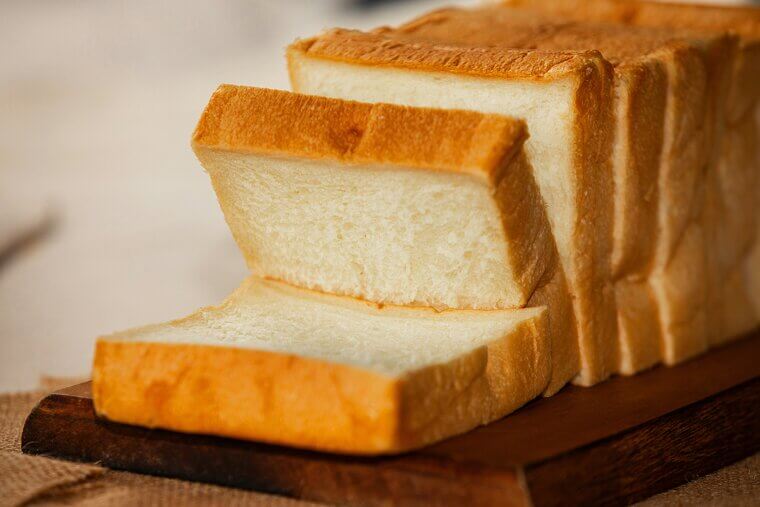
White Bread
White bread was once the default setting of childhood: soft, squishy, and endlessly obliging. It cradled peanut butter, held together lopsided sandwiches, and dissolved in your mouth with a kind of nostalgic innocence. For decades, it was seen as the sensible choice - simple, clean, and wholesome enough. As nutrition science marched onward, it became the poster child for “maybe not the best idea.” It remains a gentle reminder of simpler days when softness itself felt nutritious.
Canned Fruit in Syrup
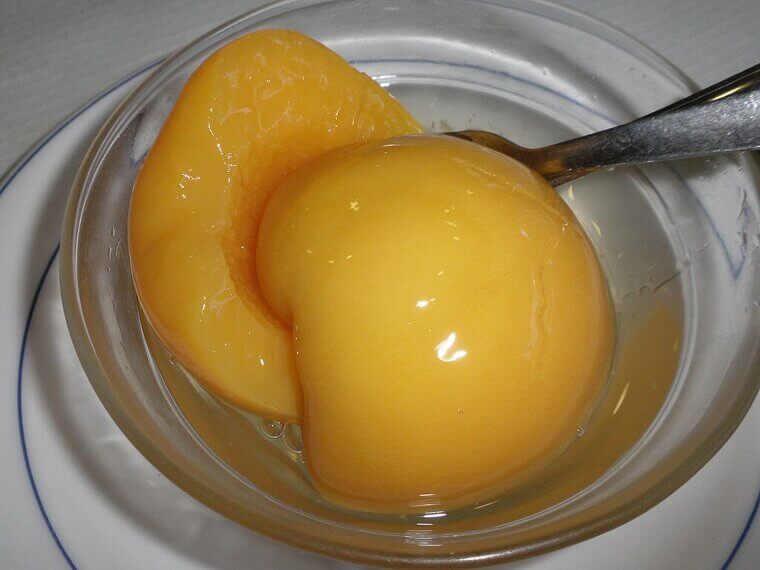
Canned fruit in syrup once masqueraded as a health food triumph, gleaming like treasure in its syrupy bath. We ate it believing we were practically meditating in a garden of wholesome goodness. However, the “garden” was mostly sugar water wearing a fruity hat. Despite the truth, the soft peaches, the slippery pears, the cherries glowing like neon rubies… each bite felt like luxury in a bowl, even if the vitamins had long packed their bags.
Microwave Popcorn (buttery Varieties)
Microwave popcorn used to burst onto the scene with the scent of movie-night excitement and the promise of a guiltless snack. You’d listen for the frantic popping, then tear open the bag like unwrapping a gift from the buttery gods. When those artificial oils and mysterious coatings stepped out of the shadows, the health claims crumbled. Nostalgia sticks, though: warm kernels raining into a bowl and the feeling that you were indulging in something practically wholesome.

Cheese Slices (processed Singles)
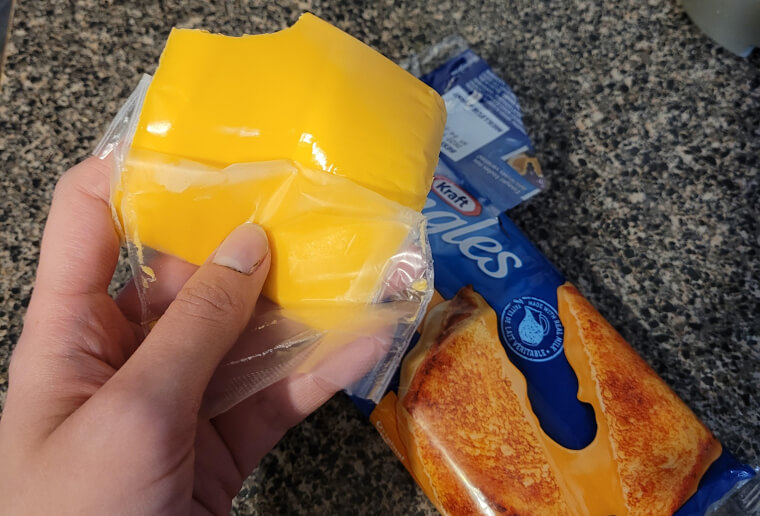
Processed cheese slices once seemed like feats of edible engineering: perfect squares, identical every time, and obediently melting on anything warm. Kids adored them, and adults nodded approvingly, believing they were a tidy source of dairy. The truth, of course, drifted out over time, and the slices became less “nutrition” and more “soft yellow science project.” Still, the gentle peel-apart ritual from the plastic wrapper feels stitched into childhood.
Instant Ramen
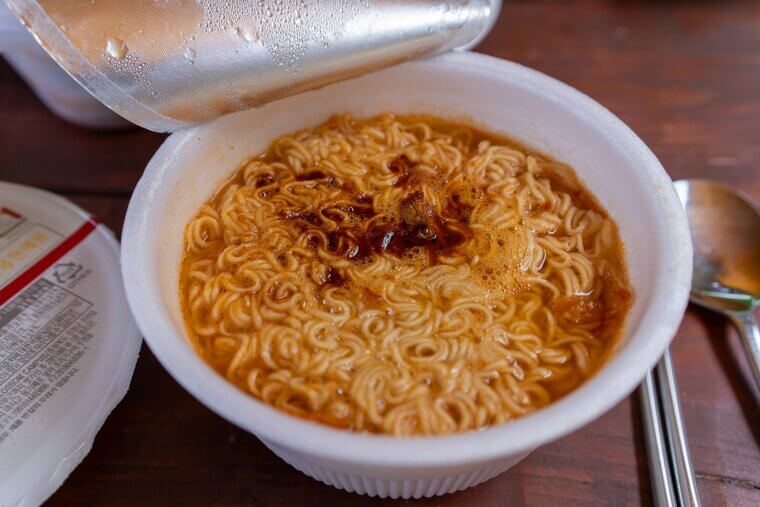
Arriving in cupboards like a culinary miracle, instant ramen was cheap, quick, and somehow comforting in its simplicity. Toss the brick into a pot, stir in that tiny flavor packet, and suddenly you had a meal that felt both rebellious and oddly gourmet. Ultimately the sodium numbers swooped in like plot twists nobody wanted. Even so, ramen holds its warm place in the past as survival food, celebration food and late-night creativity.
Granola Bars (classic Sugary Ones)
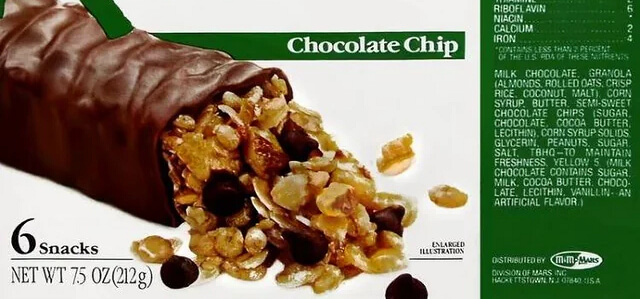
Granola bars strutted around with a badge of outdoor virtue, as if eating one instantly transformed you into a hiker with heroic calves. They looked wholesome - oats, nuts, nature - but hid sugar levels worthy of a candy aisle cameo. That didn’t matter to us then. They were sweet, portable, and somehow made you feel productive just by chewing. Today, their health reputation has mellowed, but those crumbling, sticky bars still whisper tales of snack-time optimism.
Flavored Applesauce
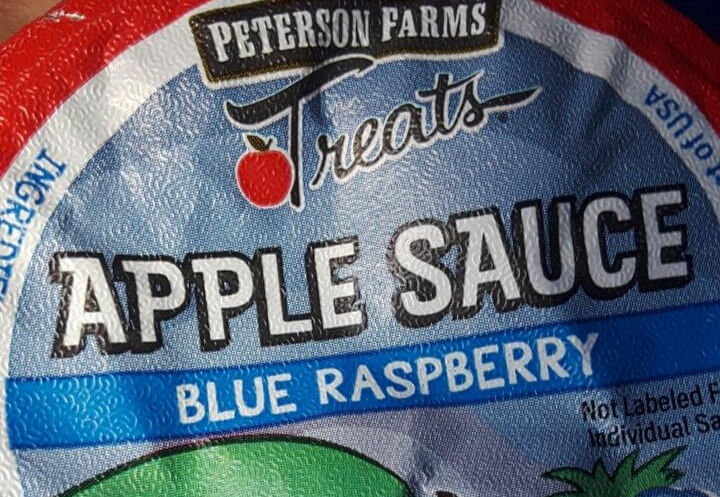
Flavored applesauce promised a fruit fix in a squishy, squeezable package. Strawberry, cinnamon, and even mysterious “tropical” varieties seemed healthy enough to justify a snack mid-recess. Parents nodded approvingly while kids slurped their way to sticky fingertips. The reality? Added sugar lurking behind the fun flavors. The little plastic cup, its shiny lid, the satisfying squish - all a tiny moment of joy, a portable fruit adventure that made lunchboxes feel like treasure chests.
Toaster Pastries
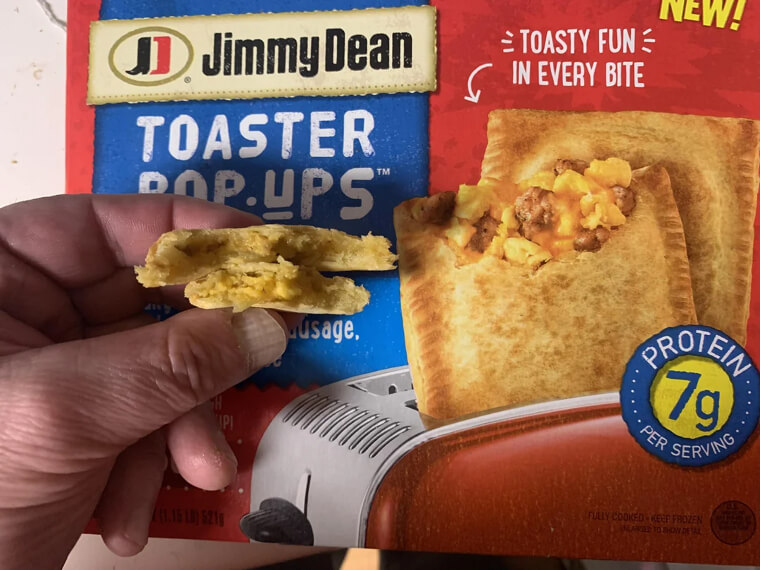
Toaster pastries were the miniature breakfast miracles of childhood: golden rectangles that oozed sugary filling with each bite. You could toast them, burn them, or eat them straight from the foil; none of it mattered. Health-wise, they were far from champions, but back then, they were pure joy. The aroma alone could hypnotize a kitchen into surrendering a moment of magic. Even today, the memory of those gooey, sugar-laden pockets carries mischievous nostalgia.
Canned Vegetable Soup (high-Sodium Classics)
Canned vegetable soup offered convenience in a tin, a supposed shortcut to healthy living. Parents loved it; kids tolerated it, sometimes secretly enjoying the mystery chunks floating in broth. Later, the sodium levels became notorious, and its healthy reputation deflated like a forgotten soufflé. It still floats in memory though; open the lid, inhale the steamy, salty aroma, and remember that in the moment, it felt like a nurturing gesture.

Chocolate Milk as an Everyday Drink
Chocolate milk was the beloved compromise between indulgence and nutrition: a sip of joy disguised as a calcium fix. Brown rivers of sweetened milk slid down straws in lunchrooms and after soccer practice, promising happiness in every gulp. We believed it was healthy, or at least healthy-ish, and no adult seemed to question it. Nowadays, the sugar content raises eyebrows, but that creamy, chocolaty comfort still whispers of childhood afternoons.