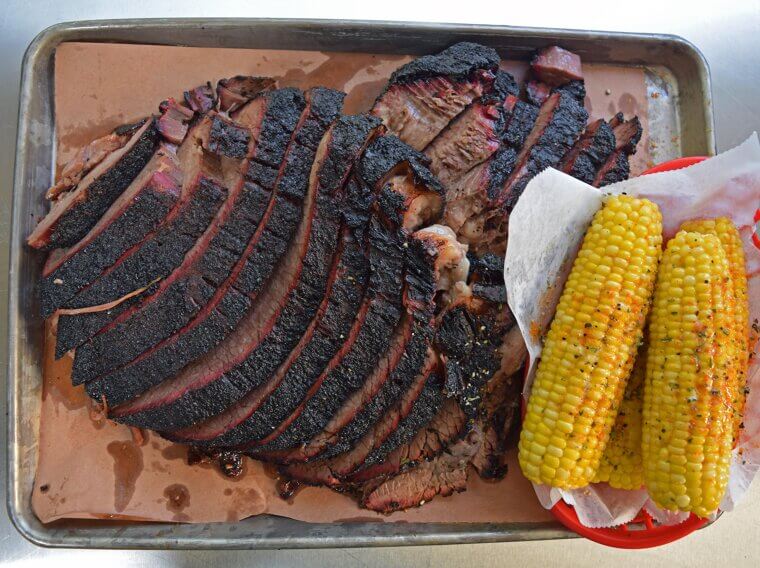
Texas-Style Smoked Brisket
A proper Texas brisket takes 12-16 hours in a smoker, and you've got to know exactly when to wrap it, when to let it push through the stall, and when it's actually done (spoiler: it jiggles). That smoke ring, that bark, that melt-in-your-mouth texture? All of that comes from understanding your smoker like it's a living thing.
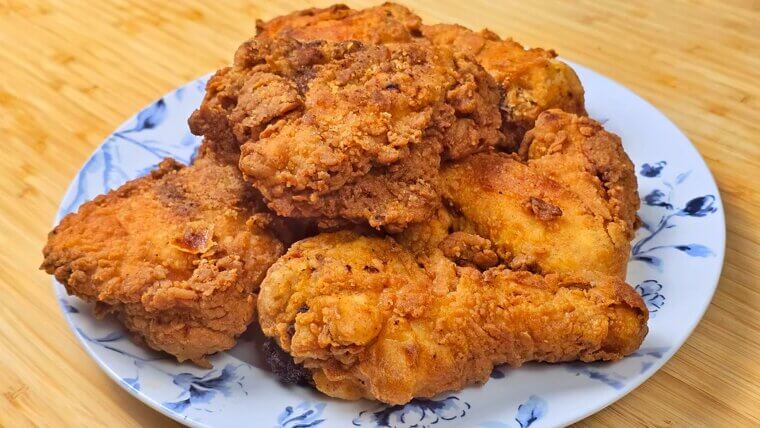
Fried Chicken
Look, you can follow all the recipes you want, but there's something about Southern fried chicken that just hits different. It's about knowing exactly how hot the oil needs to be and achieving that perfect golden crust without burning it. They don’t teach that in the videos.
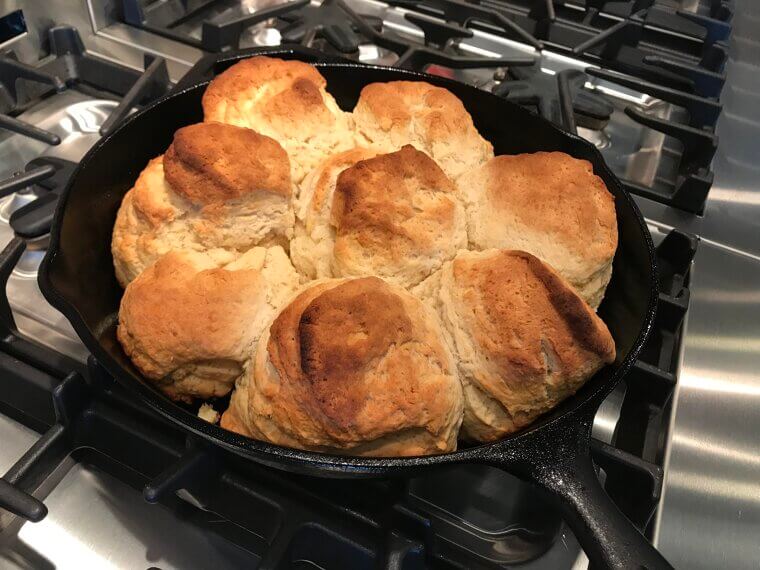
Buttermilk Biscuits (Cathead Biscuits)
Southern cooks have a supernatural feel for biscuit dough. They know when to stop mixing, how to fold without overworking, and the exact pressure for cutting. Temperature, humidity, and even the weather matter. You might make decent biscuits, but those sky-high, perfectly tender catheads are generational knowledge.
Biscuits and Gravy
The gravy's the thing here. Outsiders either make it too thick, like paste, or too thin, like sad milk. Southern breakfast gravy requires the perfect sausage-to-flour ratio, cooked just long enough to lose the raw flour taste but not so long that it gets gluey.
Think you can easily make most of these? A bold claim!
Think you can easily make most of these? A bold claim!
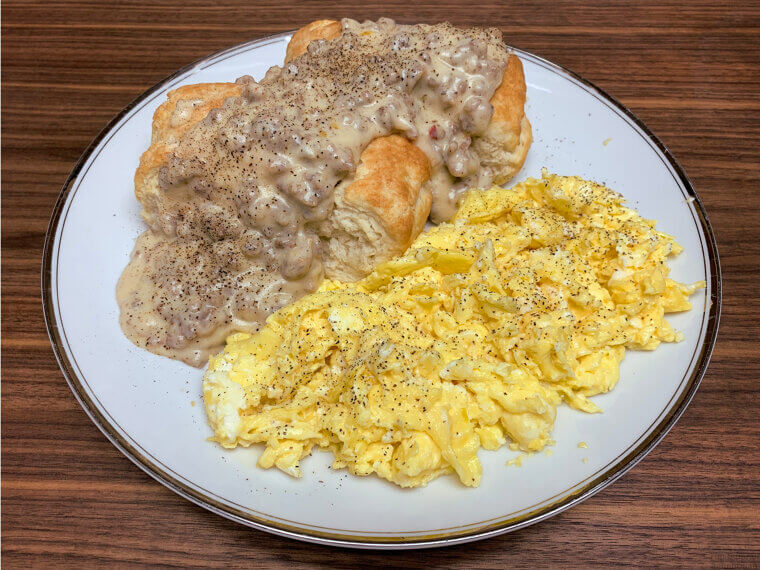
Shrimp and Grits (Lowcountry)
This isn't just shrimp on top of porridge. Real Lowcountry grits are simmered in butter and cream until they're silky smooth, while the shrimp swim in a gravy rich in bacon fat, perhaps with a hint of tomato, and definitely some spice.
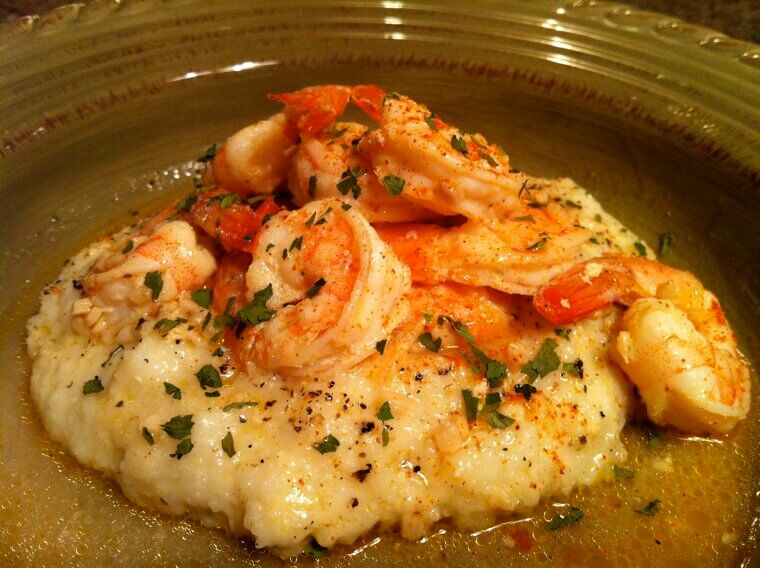
Gumbo (Creole / Cajun)
Making a proper roux is where most people fail spectacularly. You have to stand there stirring for 30-45 minutes, watching it go from blonde to chocolate brown without burning. One wrong move and it's bitter trash. Then there's the whole debate about tomatoes, okra versus filé, and the exact moment to add your protein.
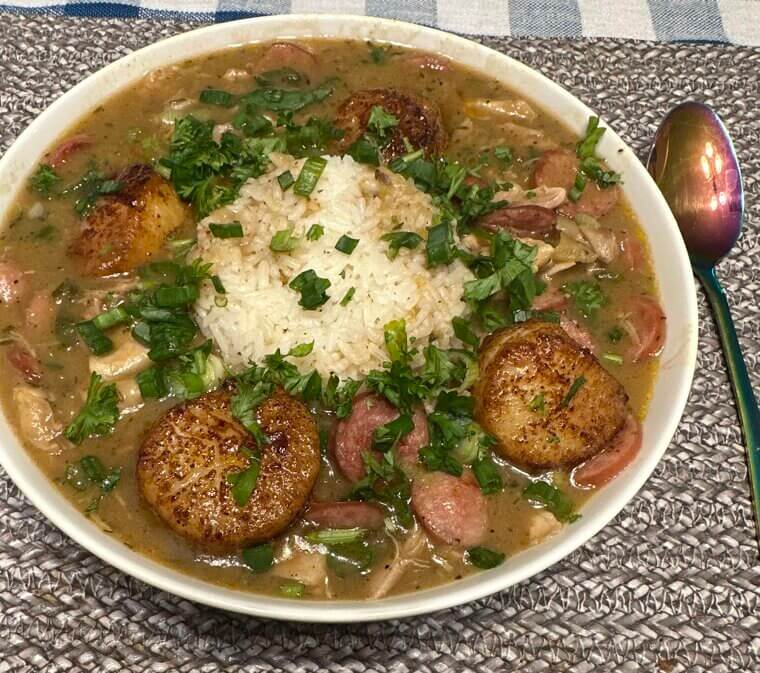
Jambalaya (Creole / Cajun)
The rice must be cooked directly in the pot with everything else, absorbing all those flavors while getting perfectly tender. Outsiders panic and add too much liquid or keep stirring it like risotto, which turns it into a sticky mess.
The next few get a bit tricky…
The next few get a bit tricky…
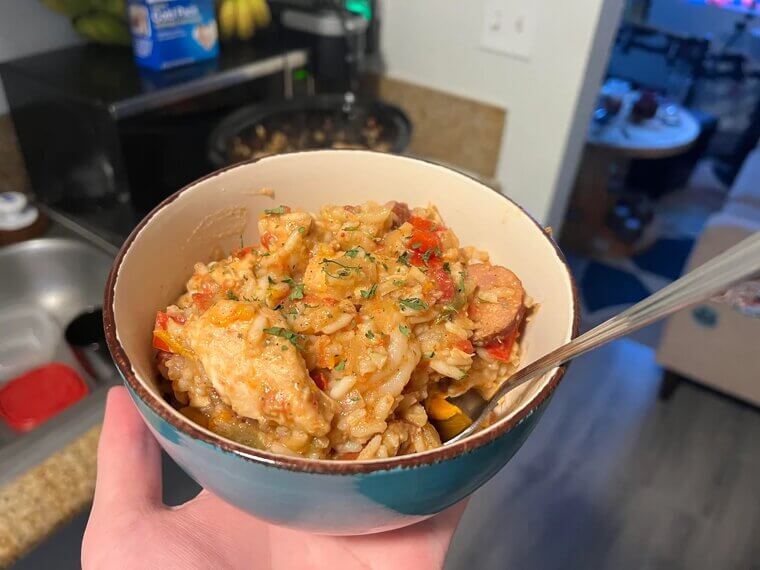
Red Beans and Rice (New Orleans)
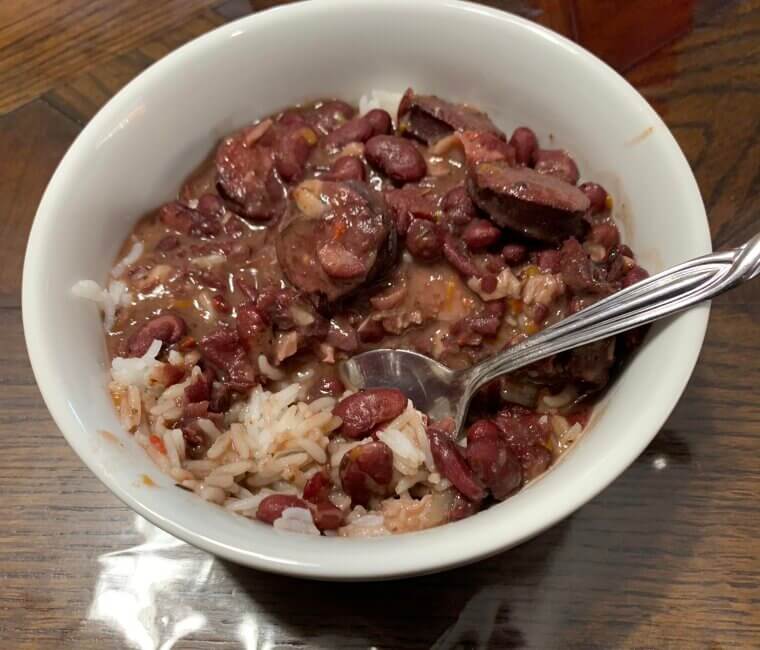
Every Monday in New Orleans, red beans simmer for hours until they're creamy, and some have broken down to thicken the pot liquor. People outside of Louisiana either undercook them or forget the holy trinity (onion, celery, and green bell pepper) entirely.
Hushpuppies
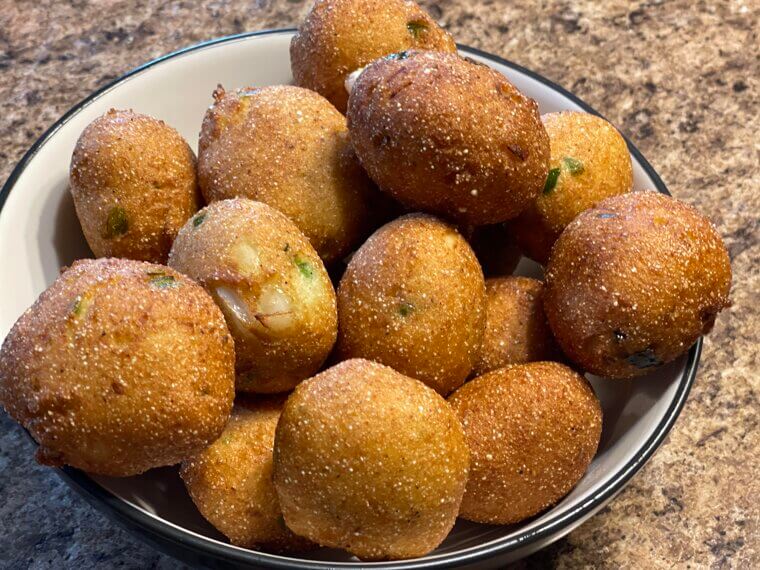
These aren't just fried cornmeal balls. The batter needs the right balance of sweet and savory, a hint of buttermilk tang, and possibly some onion. They should be crispy on the outside and fluffy on the inside, golden brown all over.
Collard Greens (Slow-Simmered With Smoked Pork)
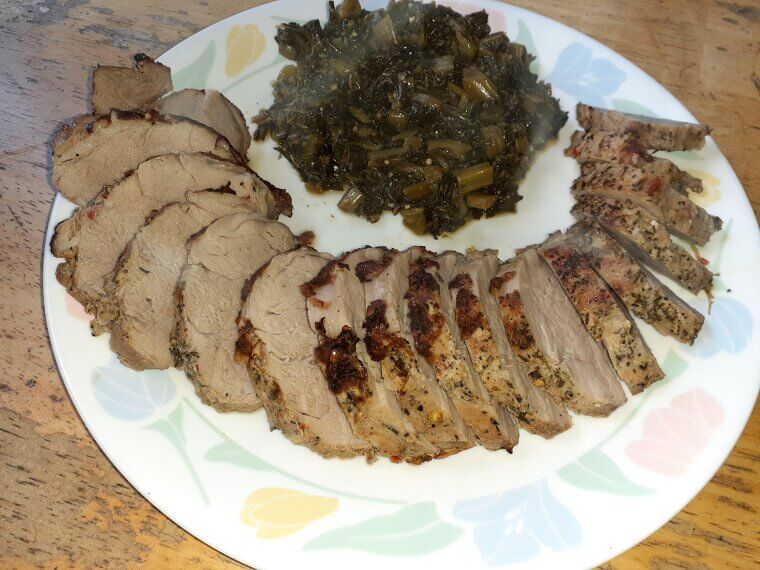
Low and slow with a ham hock is the only way. These greens need to simmer for hours until they're tender, absorbing all the smoky flavor of the pork. And that pot liquor at the bottom is Liquid gold!
Your kitchen's about to smell amazing… if you can pull these off.
Your kitchen's about to smell amazing… if you can pull these off.
Braised Oxtail or Pot Roast Southern-Style
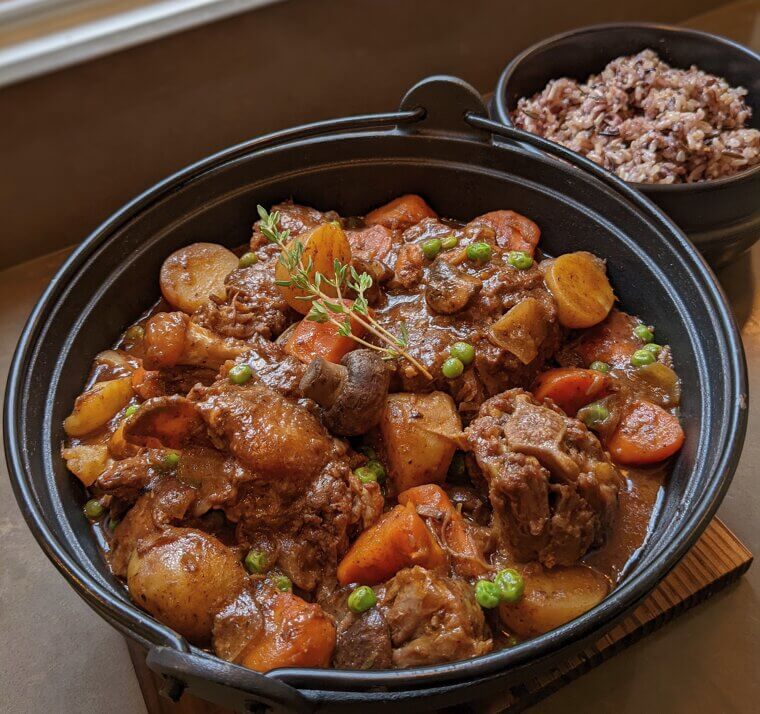
Southern pot roast isn't fancy, but getting the meat fall-apart tender while keeping vegetables from turning mushy is an art. The braising liquid needs acid, fat, and the right herbs. Oxtails, in particular, require patience and low heat for hours, allowing the collagen to break down into silky richness.
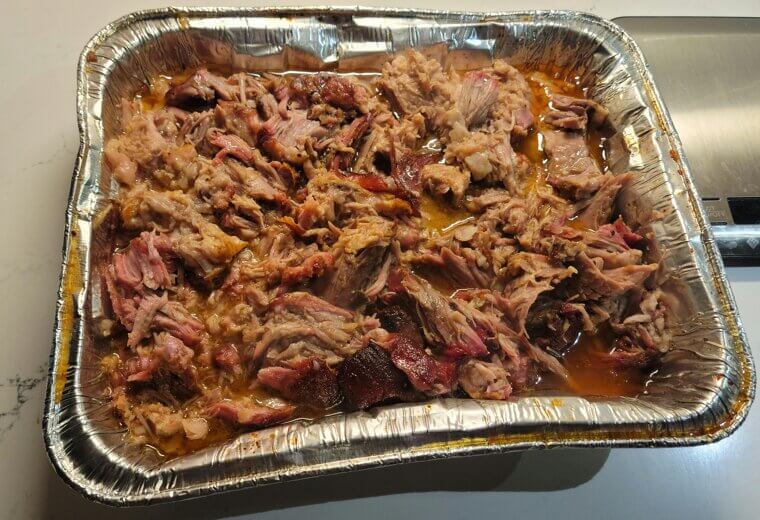
Pulled Pork (Slow-Smoked, Carolina Style)
Twelve-plus hours of smoking at low temperature, managing your wood and heat, and spritzing at the right time. It's a commitment. Then there's the vinegar versus mustard versus tomato sauce debate, depending on which part of Carolina you're in.
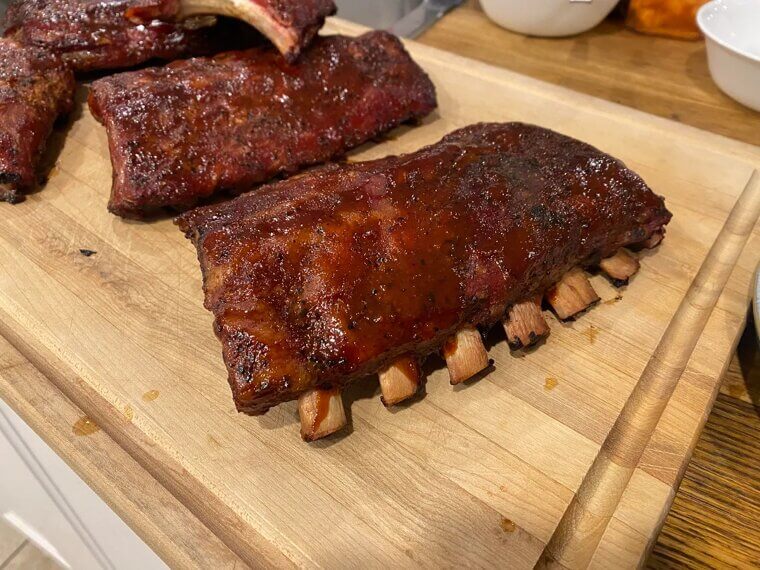
BBQ Ribs (Regional Styles)
Whether you're going for Memphis dry rub, Kansas City sweet and sticky, or Texas minimal seasoning, ribs need low, slow heat and smoke. They should pull cleanly off the bone without falling off (that means they're overcooked).
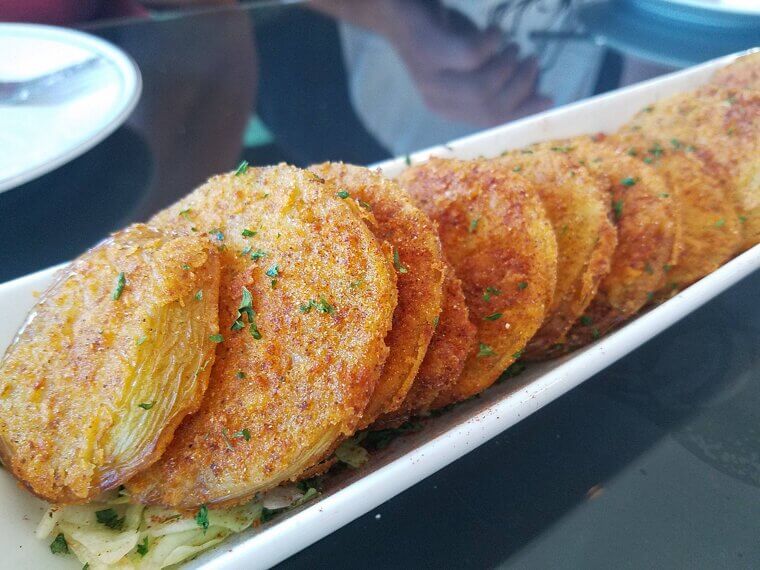
Fried Green Tomatoes
The trick here is to have the tomatoes be properly firm and tart, not too ripe. That cornmeal crust should stick and get crunchy without being greasy, and the inside should be just barely softened. Slice them too thick and they won't cook through; slice them too thin and they fall apart.
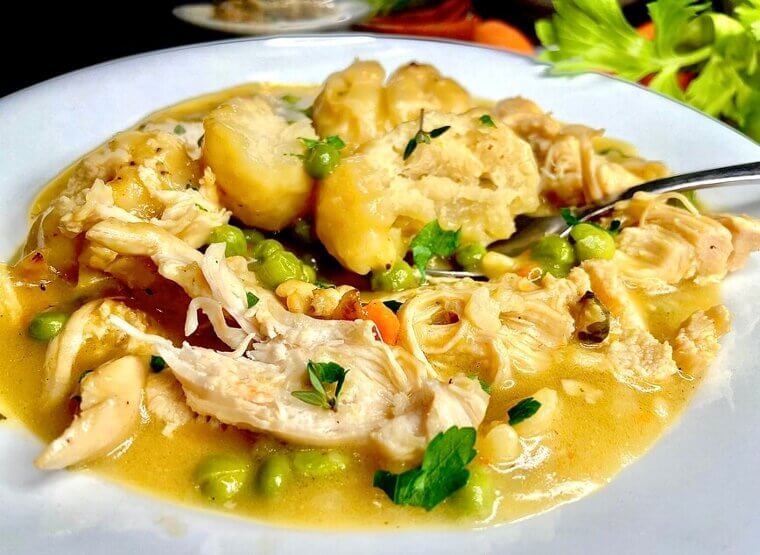
Chicken and Dumplings
Those dumplings need to be pillowy and tender, cooked right in the broth without dissolving into gummy blobs. Some folks roll dumplings, others do drop dumplings, and both require instinct about consistency and cooking time that comes from watching your grandmother make them fifty times.
Hope you're taking notes, because these classics don't forgive mistakes.
Hope you're taking notes, because these classics don't forgive mistakes.
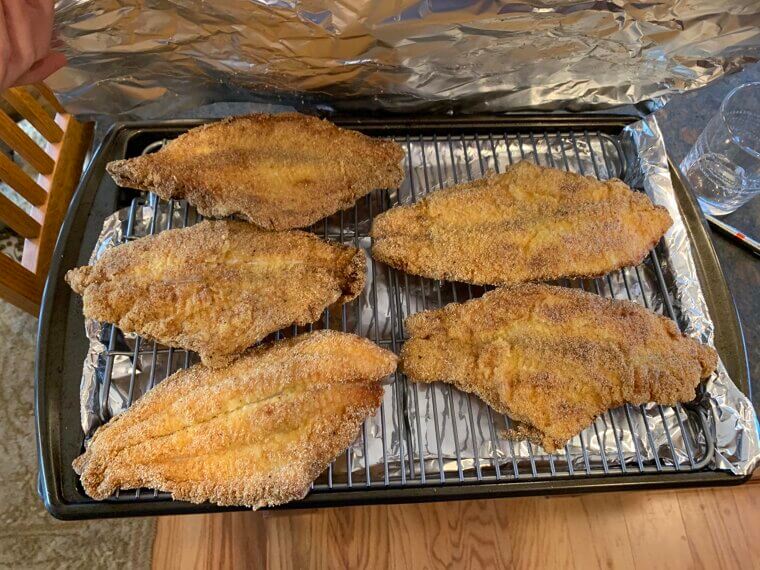
Catfish — Fried, Cornmeal-Crusted
Catfish needs a good soak in buttermilk to handle the muddy flavor some of them have, then a cornmeal coating that gets seriously crunchy without being too thick. Oil temperature is everything; too cool and it's greasy; too hot and it's burnt outside and raw inside.
Brunswick Stew
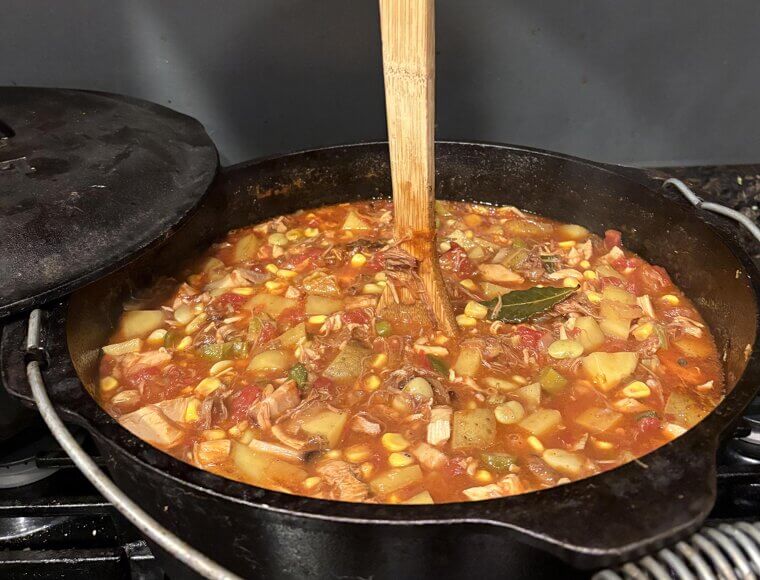
This thick, tomato-based stew featuring pulled pork or chicken, lima beans, corn, and sometimes squirrel (if you're old-school) needs to simmer until everything melds together. Every family has its own recipe, its own meat preference, and its own vegetables. Make it wrong and someone's meemaw will have words.
Hoppin' John (Black-Eyed Peas & Rice)
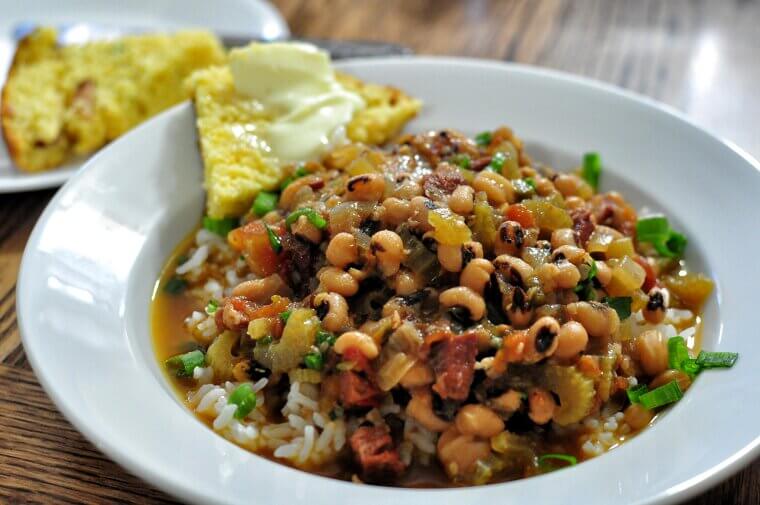
Black-eyed peas cooked with rice, pork, and the holy trinity may sound simple, but those peas need to be perfectly creamy, while the rice needs to be fluffy and separate. Eating it on New Year's Day is supposed to bring good luck, so don’t mess it up.
Time to separate the amateurs from the pros.
Time to separate the amateurs from the pros.
Dirty Rice (Cajun)
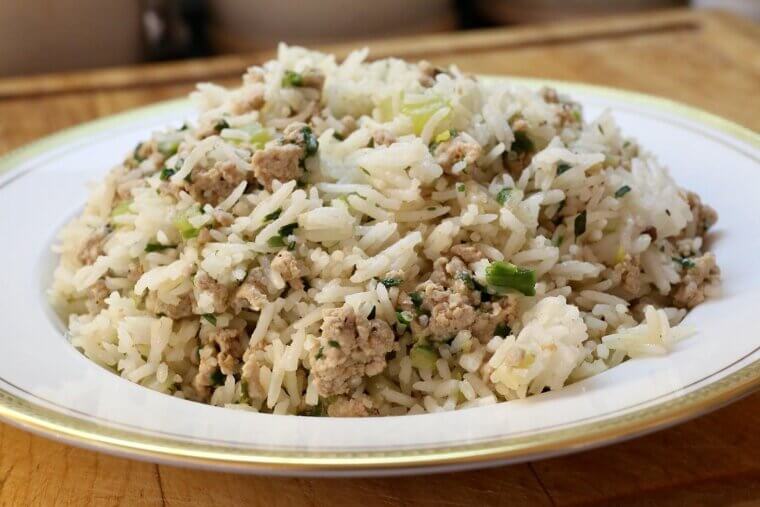
The "dirty" comes from chicken livers and gizzards cooked down with onion, celery, and green bell pepper until everything's deeply savory and rich. Most people skip the organ meats entirely or don't cook them enough to break down, ending up with boring rice instead of this deeply flavorful side dish.
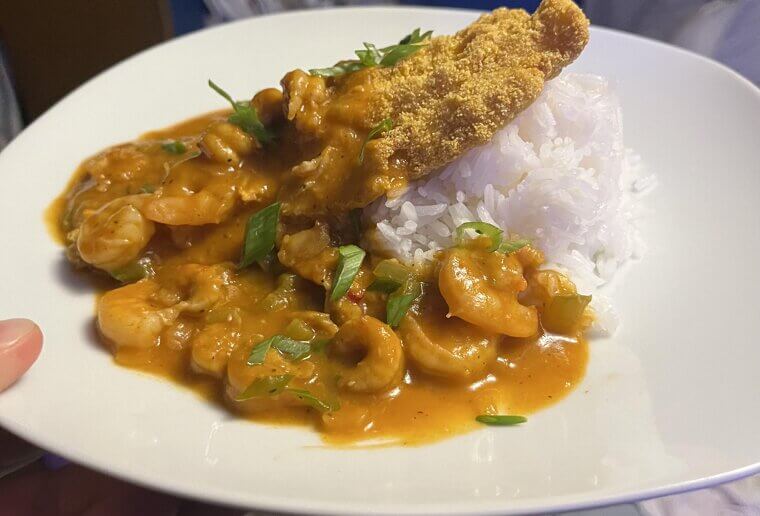
Étouffée (Shrimp or Crawfish)
Étouffée means "smothered," and that thick, rich gravy needs a good roux and perfectly cooked seafood that's not rubbery. Overcook the shrimp and you've got expensive rubber bands. Undercook the roux and it tastes like raw flour. There's no middle ground here. Tread carefully.
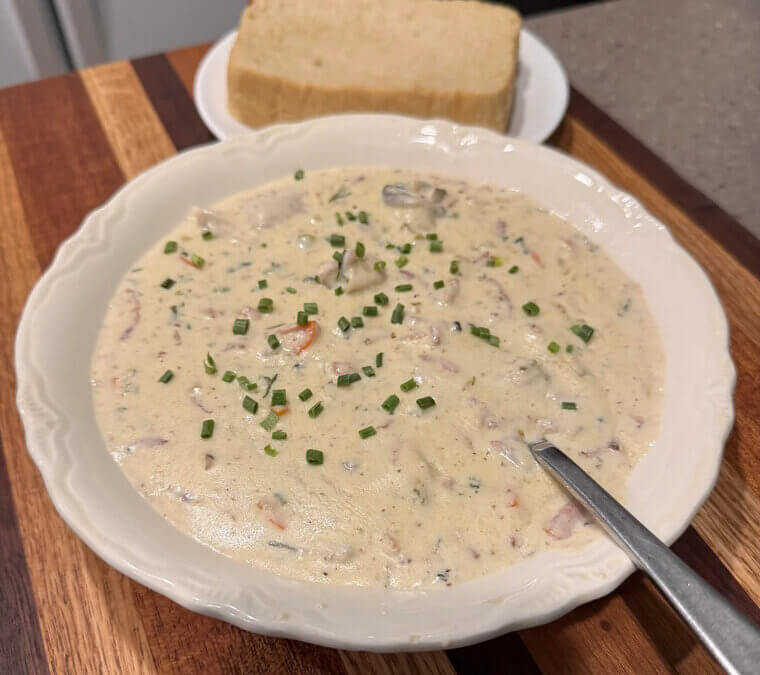
Oyster Stew
Fresh oysters barely cooked in a cream base with butter… sounds easy until you overcook them into little rubber erasers. They should stay plump and tender, the broth should be rich without being heavy, and everything needs to come together in minutes once you start.
Your confidence might be shaky by now, and these won't help.
Your confidence might be shaky by now, and these won't help.
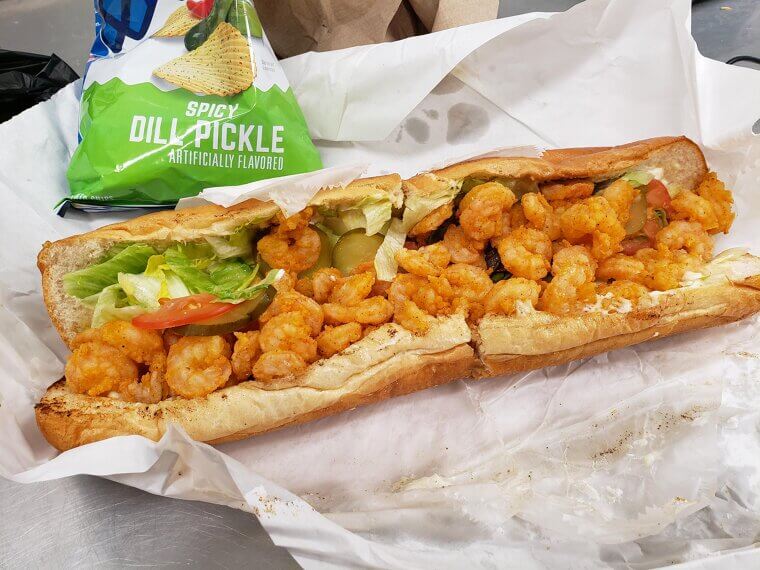
Po'boy Sandwich (Louisiana)
The bread makes or breaks this. You need authentic New Orleans French bread that's crispy on the outside and fluffy on the inside, light enough not to overpower the filling. It should be hot, the bread should be fresh, and the ratio needs to be perfect. Subway bread won't cut it.
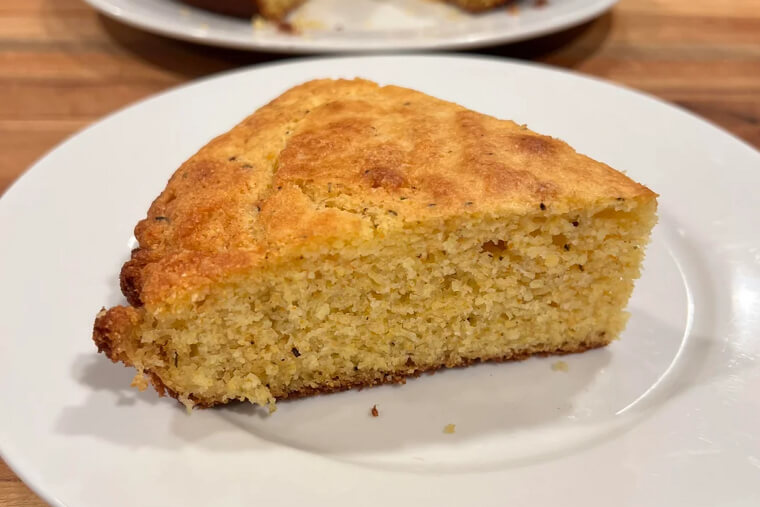
Cornbread (Skillet or Hoe-Cake Style)
Real Southern cornbread isn't sweet; that's cake. It's made in a screaming hot cast-iron skillet with oil or bacon grease so the bottom and edges get crispy and golden. Buttermilk adds tang, and the ratio of cornmeal to flour is a topic of hot debate.
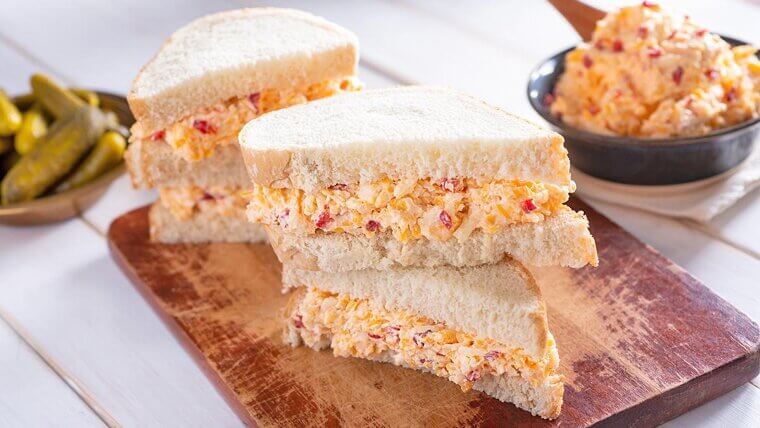
Pimiento Cheese (Spread / Sandwich)
Sharp cheddar, mayo, pimientos, and seasoning mixed to the perfect spreadable consistency. Seems too simple to mess up, right? Wrong. The cheese needs to be shredded just right (not pre-shredded with that anti-caking stuff), the mayo ratio has to be spot-on, and some folks add cream cheese or hot sauce.
These classics would humble even experienced cooks.
These classics would humble even experienced cooks.
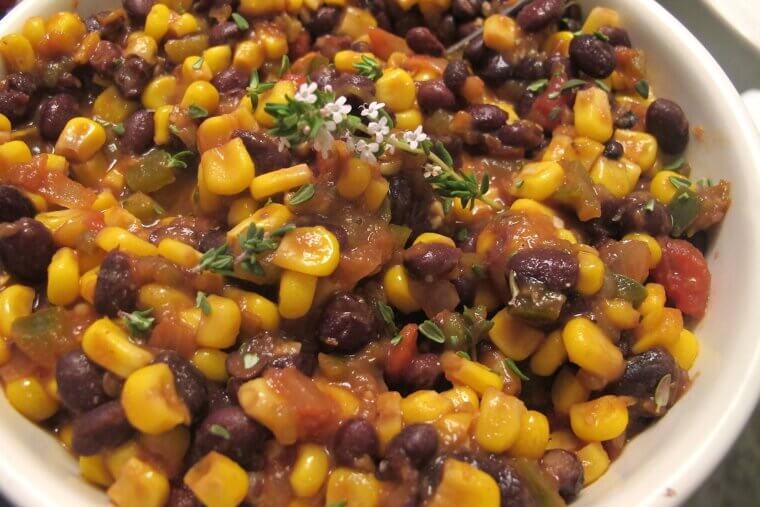
Succotash (Beans & Corn)
Lima beans and corn cooked together with butter, perhaps some cream, sounds straightforward until you've got mushy beans or hard corn (or God forbid, both at once). Fresh vegetables make all the difference, and knowing when to stop cooking so things stay tender separates good succotash from baby food.
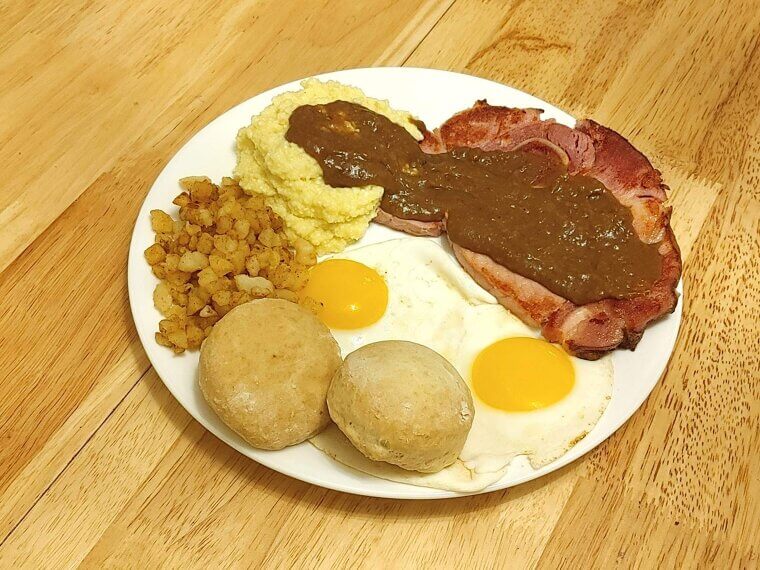
Red-Eye Gravy With Country Ham
This is just country ham drippings and black coffee, but the balance is everything. The coffee cuts the saltiness of the ham while the drippings give it body and flavor. It should be thin, not thick, with a reddish tinge (hence the name).
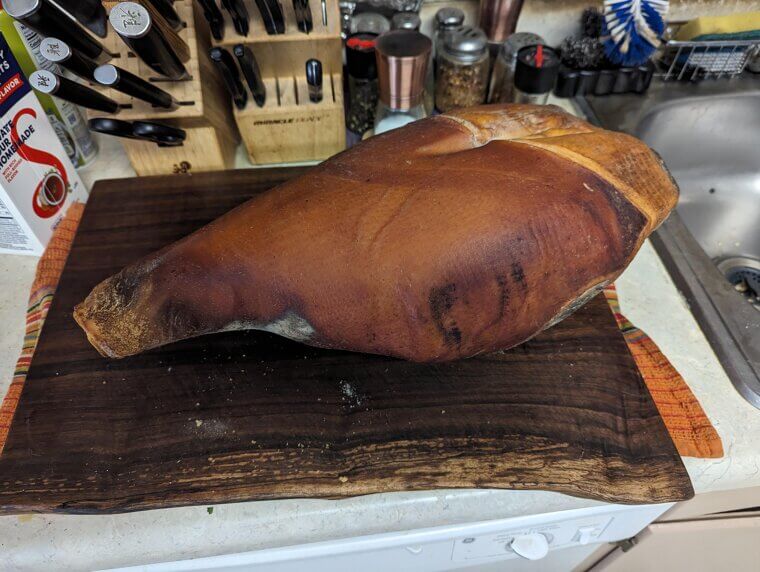
Country Ham (Salt-Cured, Pan-Fried, or Baked)
Country ham is salt-cured for months and intensely salty in a way that shocks people used to deli ham. You've got to soak it, sometimes overnight, then cook it without drying it out completely. It's an acquired taste that most outsiders just can't appreciate properly.
It’s a pie. How hard can it be, right?
It’s a pie. How hard can it be, right?
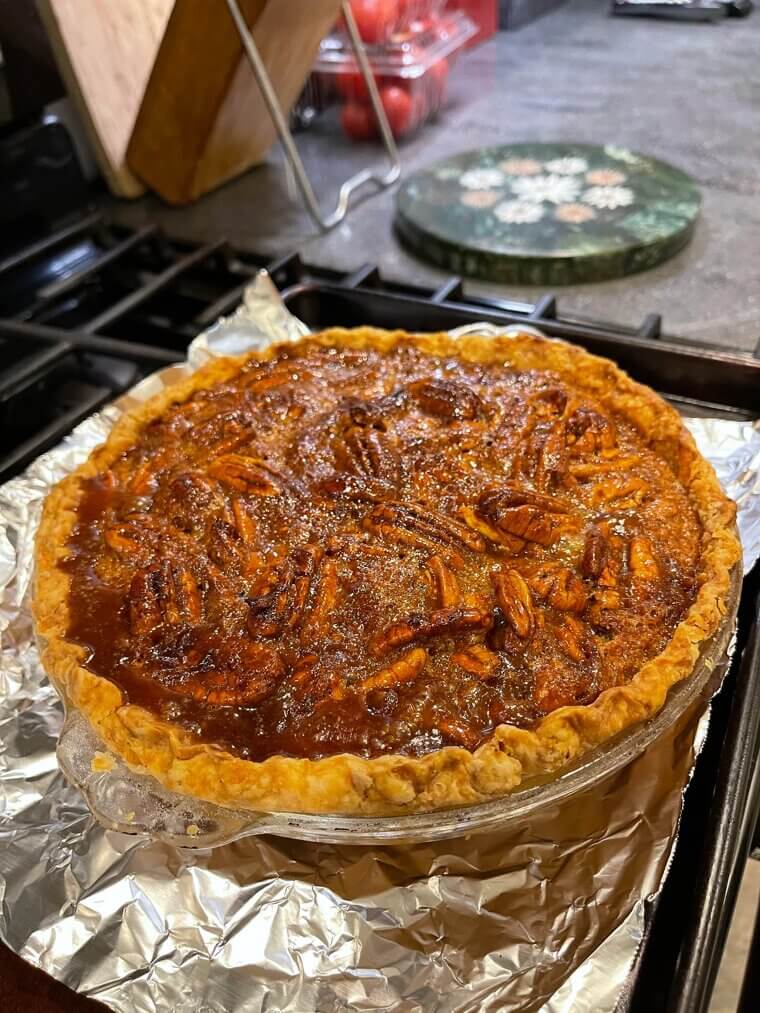
Pecan Pie
The ultimate test of your Southern cooking skills! That filling needs to set up perfectly. Not runny, not crystallized. The crust must be flaky and hold together under all that sweet filling. Too much corn syrup and it's sickeningly sweet; not enough and it won't set.
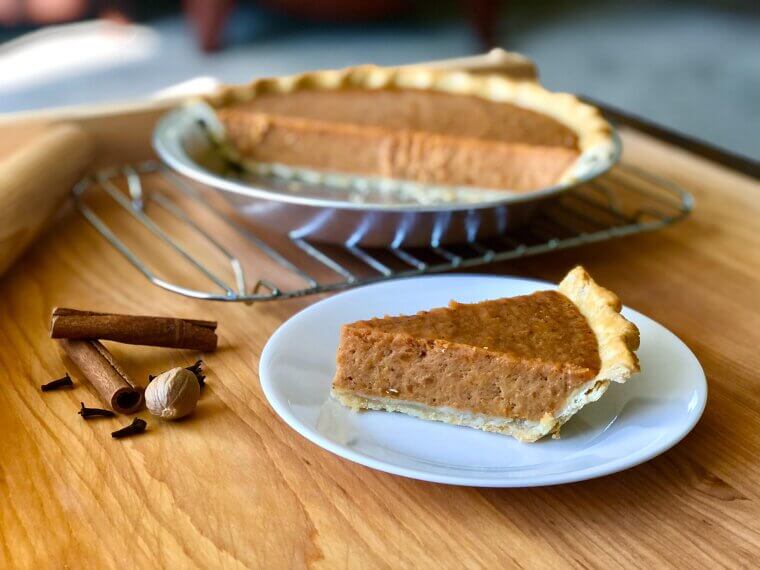
Sweet Potato Pie
Not to be confused with pumpkin pie, sweet potato pie has its own spice profile and texture. The secret here is the filling. It needs to be smooth and custardy, while the sweet potatoes must be the right variety and cooked properly. Oh, and the spices need to enhance, not overpower.
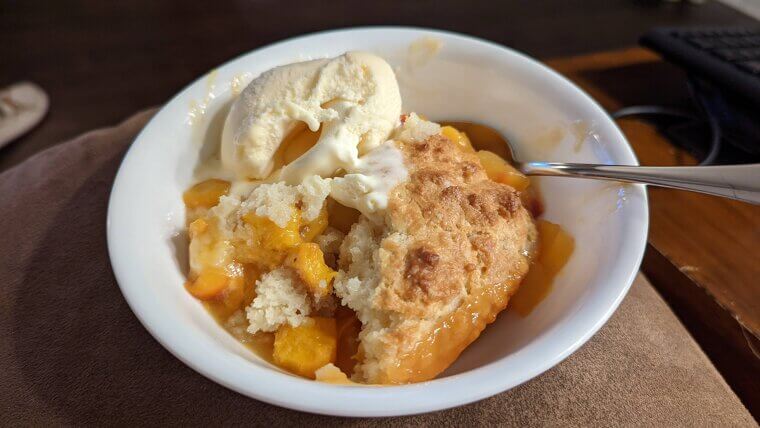
Peach Cobbler (or Cobbler-Style Fruit Desserts)
A true cobbler requires more than a casual scoop of fruit and a dollop of dough. Its flaky, butter-rich biscuit-style topping must be baked into the sweet, bubbling fruit filling, creating that perfectly rustic texture and distinct, comforting warmth uniquely mastered in the South.
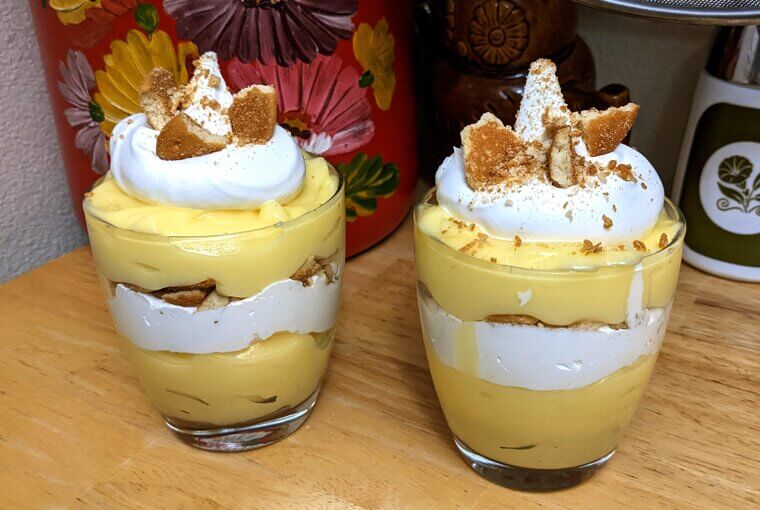
Banana Pudding (Layered, Wafer + Custard + Whipped Cream)
This is more than just a chilled dessert; it’s a delicate trifle. The vanilla wafers soften just right between layers of pudding and whipped cream (real, not Cool Whip). Let it sit for too long, and it'll turn to mush; serve it too soon, and the wafers won’t have softened.
Not all pies are created equal, though…
Not all pies are created equal, though…
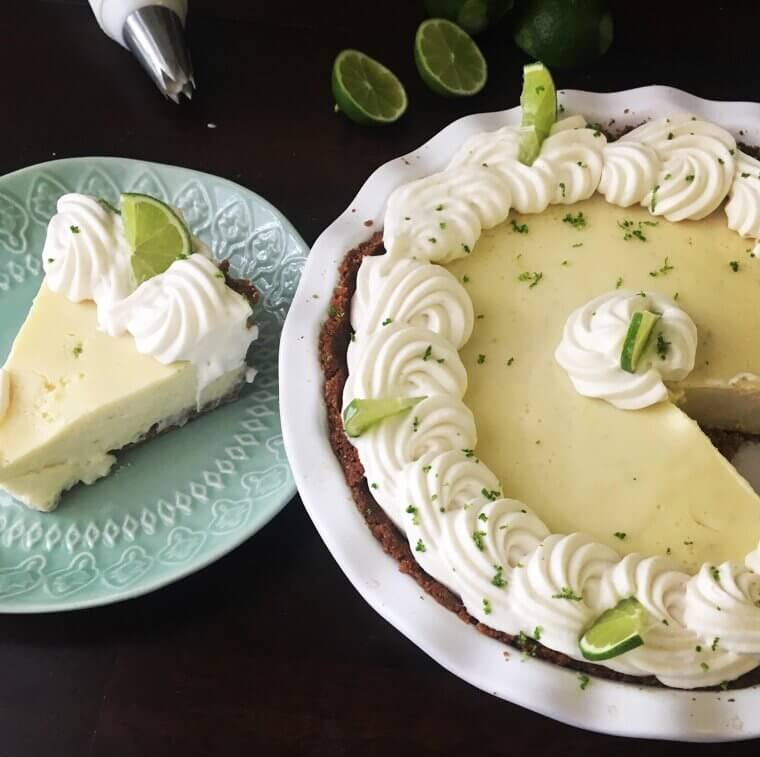
Key Lime Pie (Florida Gulf / Keys Classic)
A true Key lime pie must use the small, aromatic, and tart yellow-juiced Key Limes native to the Florida Keys; a non-negotiable ingredient. The filling is simple: never artificially green, but set into a graham cracker crust by the acid in the juice reacting with sweetened condensed milk.
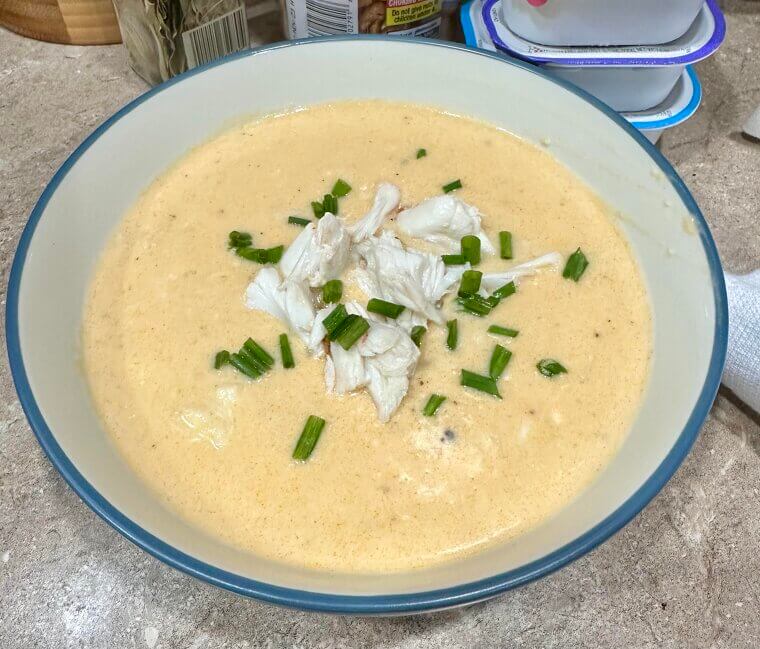
She-Crab Soup (Lowcountry / Charleston)
This elegant soup requires blue crab meat and crab roe (the orange eggs), which makes it a female-only affair and hard to source outside the Lowcountry. Overcook it and the crab will be stringy; underseason it and it'll be bland. It’s a fine line.
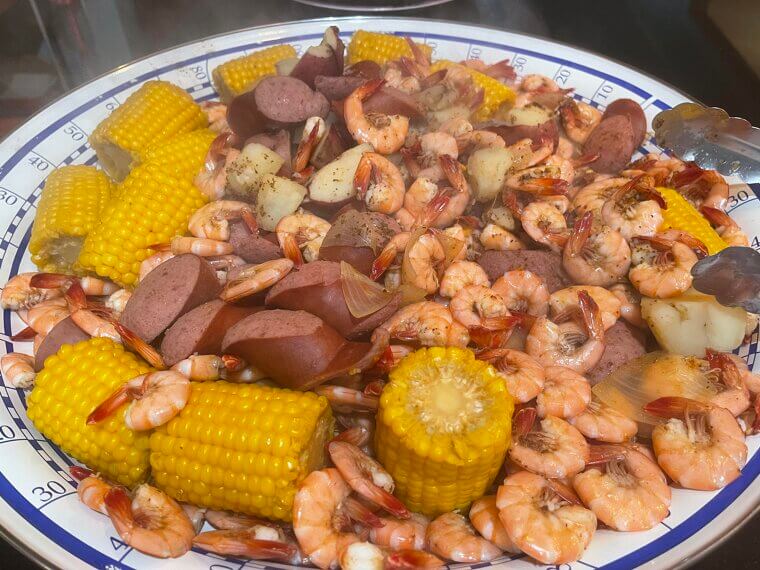
Frogmore Stew / Lowcountry Boil (Shrimp, Sausage, Corn, Potato)
Timing is everything when you're boiling potatoes, corn, sausage, and shrimp together. Fresh local shrimp and smoked sausage must be perfectly timed with the corn and potatoes, then drained and poured directly onto a newspaper-covered table to be eaten with the hands
Boudin (Cajun Sausage)
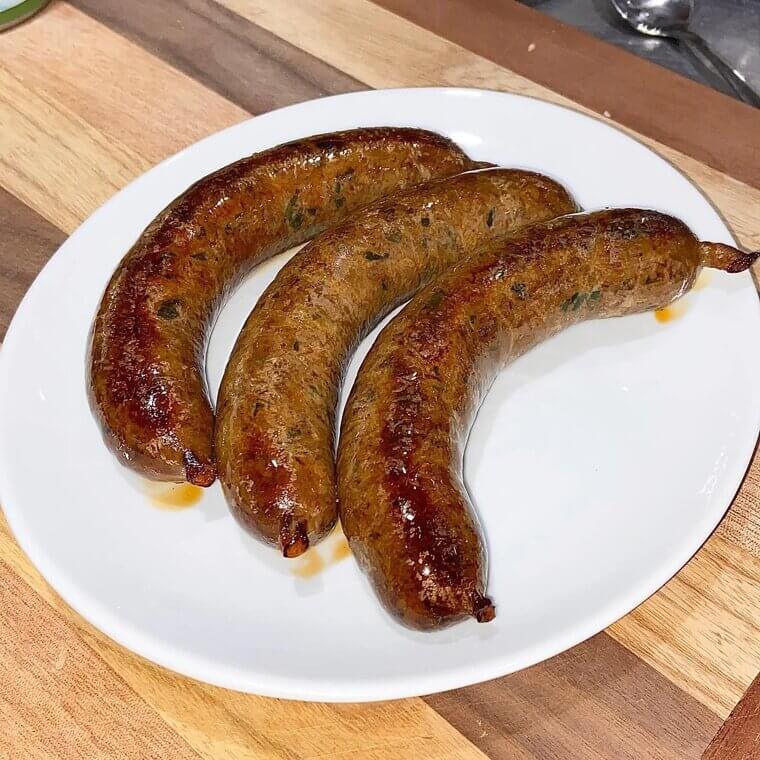
This pork and rice sausage seasoned with Cajun spices and stuffed into casings is a labor of love. The challenge is balancing the cooked pork, rice, and Cajun holy trinity (onion, celery, bell pepper) into a moist, yet tender, loose filling, then gently poaching it to be perfectly "squeezable" without bursting the casing.