Jell-O
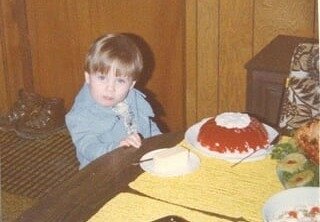
Between the 1960s and 1980s, Jell-O was the dessert of choice for many families. Jell-O 1-2-3 was especially popular, as it separated into three layers: gelatin, mousse and a creamy topping. Boomers enjoyed the unique taste and texture. However, by the 1990s, tastes shifted toward simpler and fresher desserts. More so, the preparation of Jell-O was tricky and, after a while, people become more aware of the dangers of artificial colorings and additives. Nowdays, many remember it fondly as a childhood science experiment that could also be eaten. It represented a time when dinner was a performance and chemical magic was the star of the show. While it has mostly vanished from modern tables, the memory of those bright colors still brings back a strong sense of childhood nostalgia.
TV Dinners
In the 1950s, Swanson’s frozen TV dinners changed how families ate by making mealtime quick and easy. Classic meals, such as turkey with mashed potatoes, came in separate sections on aluminum trays. Many Baby Boomers remember eating them, but as time passed, many lost interest. Concerns over too much salt, preservatives and bland flavors pushed shoppers to choose fresher and healthier alternatives. Eventually, microwave-safe packaging took over. Nowdays, frozen meals are still available, but TV dinners have disappeared from the shelves entirely. They remind us of a time when convenience was prioritized over health.
Tang
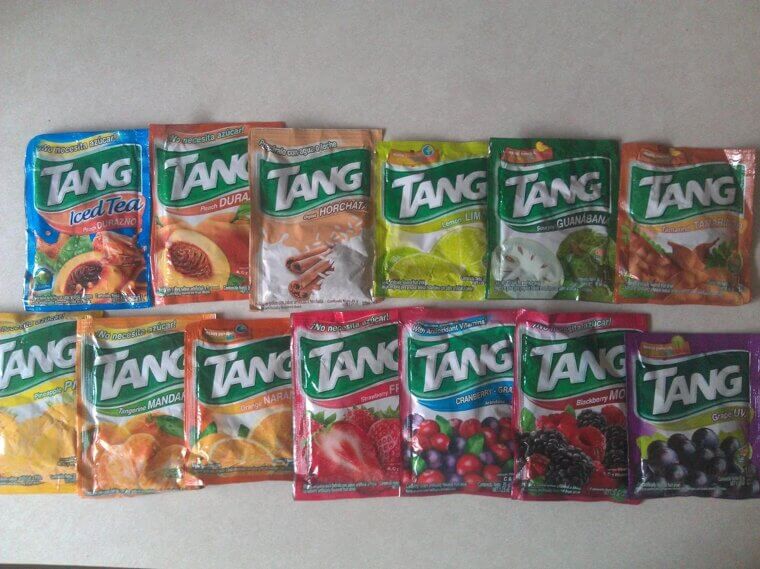
Tang initially became popular after NASA astronauts drank it in space, turning it into a symbol of the future. Many baby boomers enjoyed its bright orange taste. However, in reality, it was mostly sugar, citric acid and artificial coloring - all of which are not good for you. As people started choosing real fruit juices and healthier alternatives, Tang became less popular. By the 1990s, it was considered old-fashioned and lacking in nutrition. While it can still be found in some places, it is no longer a common item in most homes.
Salisbury Steak
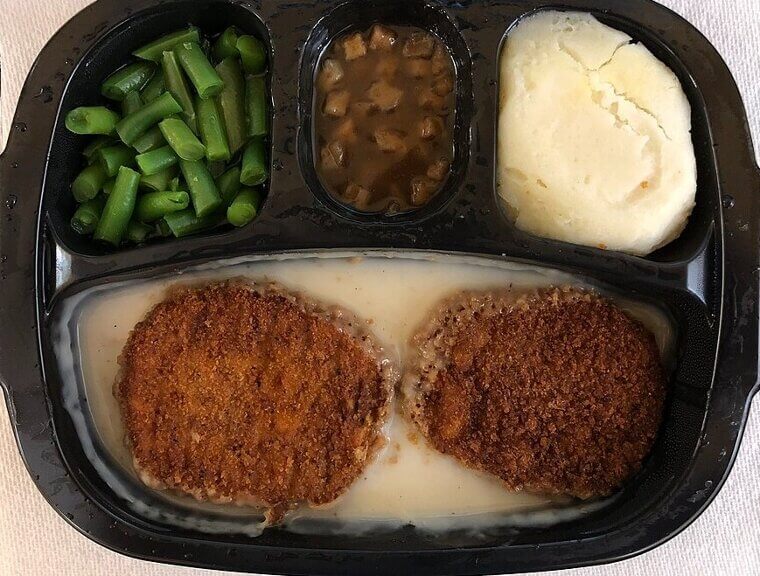
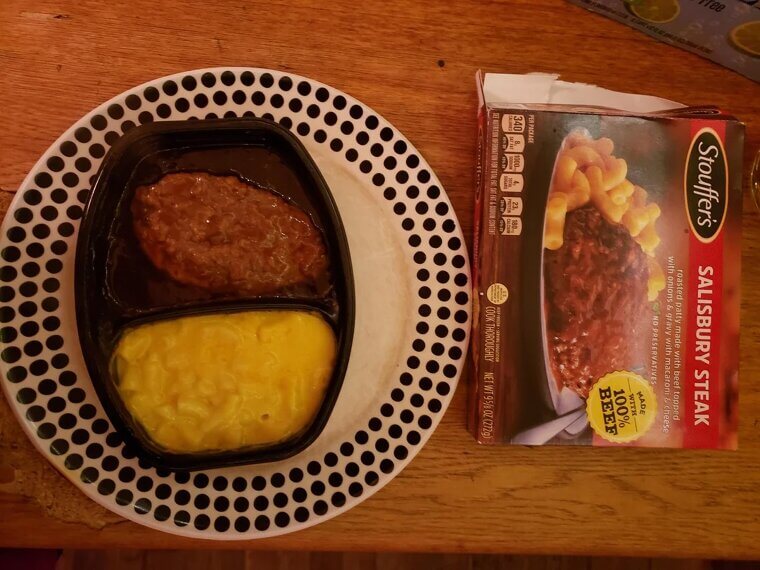
This frozen meal was once a household favorite, featuring ground beef patties covered in brown gravy - usually with mashed potatoes on the side. Many Boomers ate it often. However, over time, it became known for being highly processed. Packed with fat, salt and preservatives, it lost popularity as people started caring more about healthy eating. Overall, its chewy texture and artificial taste just couldn’t match fresh beef dishes. Salisbury steak can still be found in some cafeterias and freezer sections, but it’s nowhere near as popular as it once was.
Tab Soda
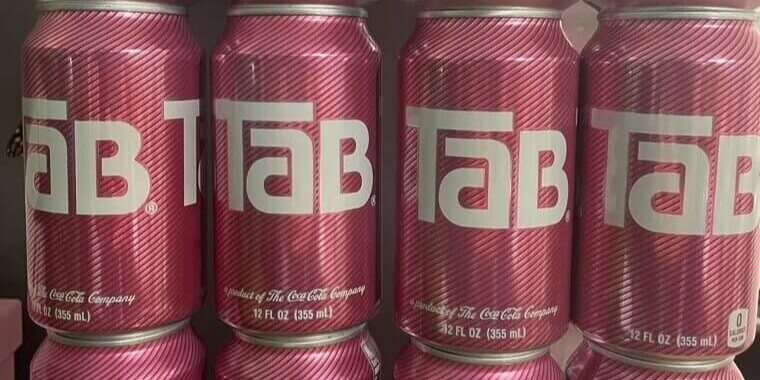
Tab, also known as Coca‑Cola’s first ever diet soda, came out in 1963 and targeted people who wanted fewer calories. Its saccharin formula gave it a unique and slightly bitter taste - which some people loved. However, Diet Coke took over in the 1980s and became known for its better flavoring and branding. Worries about artificial sweeteners also hurt Tab’s reputation. Coca‑Cola eventually stopped making Tab entirely in 2020. Today, people remember it as a diet soda pioneer, but its unusual taste and old-fashioned branding ultimately let it down in a competitive market.
SpaghettiOs With Meatballs
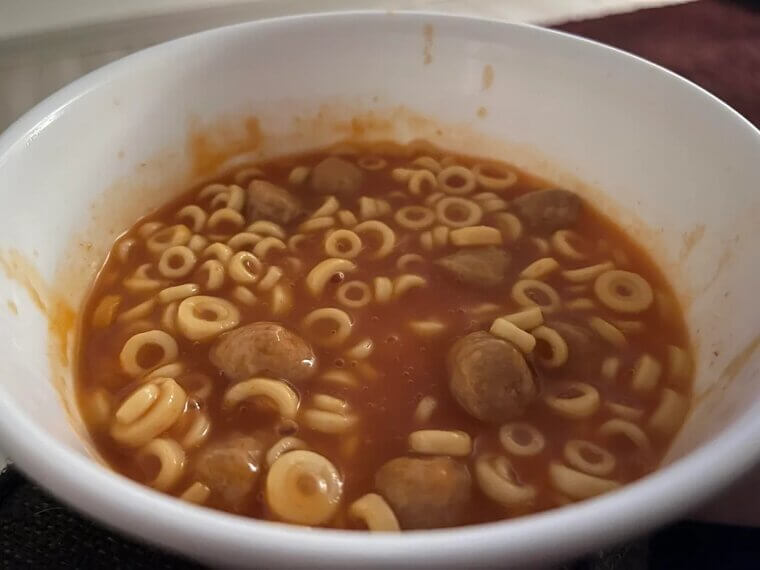
SpaghettiOs were a favorite for many kids between the 60s and 80s. The canned pasta rings with meatballs were easy to serve and appealed to parents who didn't want to spend hours in the kitchen after work. But the original recipe also had a lot of sodium, sugar and preservatives. As parents started to care more about healthy eating, sales dropped and the recipe ultimately changed. Many boomers remember the old flavor, but today’s SpaghettiOs are entirely different to the original recipe. Although you can still find them, they aren’t anywhere as popular as they once were.
Swanson Fried Chicken
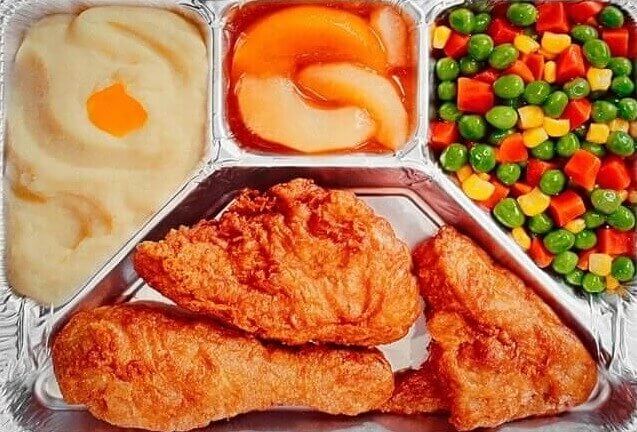
Frozen fried chicken used to be a popular choice for families who wanted an easy meal. Many boomers remember enjoying crispy chicken with mashed potatoes and corn, all served together in one tray. However, once reheated, the chicken often lost its fresh taste and became soggy. As people grew more concerned about fat and sodium, sales dropped. More so, consumers started choosing fast-food fried chicken instead. Swanson eventually stopped making the product and it became a symbol of mid-century convenience.
Vienna Sausages
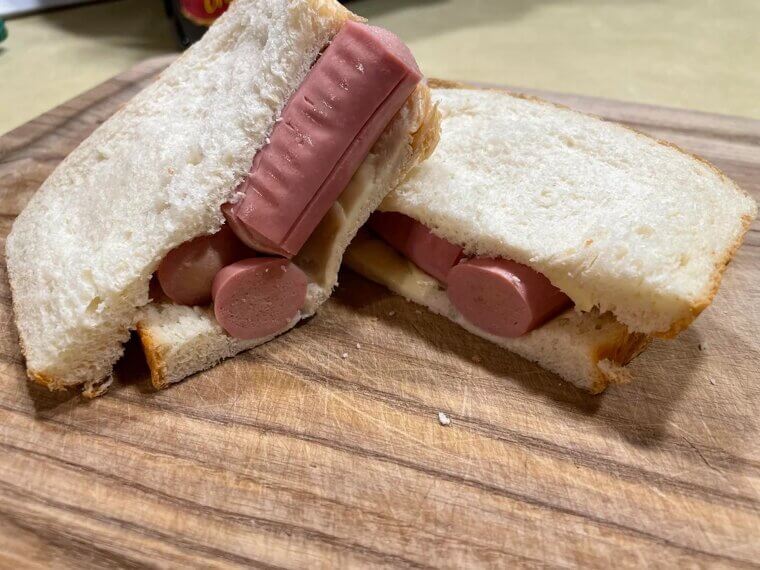
Vienna sausages were once a cheap and easy snack, particularly popular amongst Boomers. People often ate them straight from the can or with crackers. Over time, however, their soft texture, salty taste and poor nutrition made them less appealing. Shoppers started looking for fresher, better-quality meats and Vienna sausages became a sort of emergency food rather than something for everyday meals. While they’re still around, most people simply don’t buy them anymore. There are also a number of healthier (and therefore more popular) sausage alternatives out there to choose from.
Chef Boyardee Ravioli
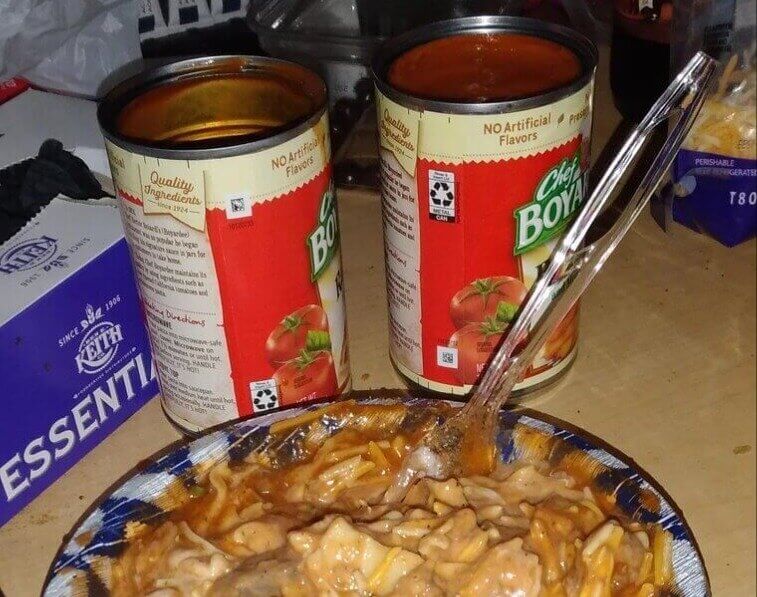
Chef Boyardee’s canned ravioli was once advertized as real Italian food for American families. Many Boomers remember eating it as kids, but the original recipe contained a lot of preservatives and didn’t have much real flavor. However, after a few changes were made to the recipe, the ravioli suddenly became less popular - even though it was technically more healthy. Chef Boyardee is still in stores today, but most people now see it as a cheap option instead of an everyday meal. In other words, it isn't anywhere near as popular as it once was.
Wonder Bread
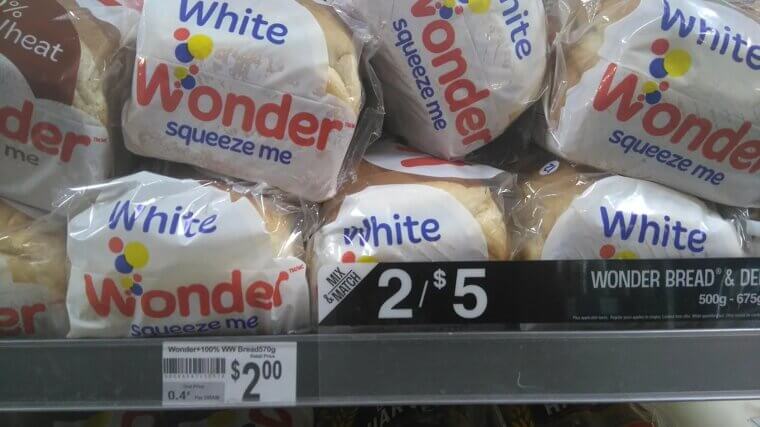
Wonder Bread was known for its soft, fluffy texture and colorful packaging. Many Boomers made it their go-to lunch option. With that being said, some critics claimed that it had very little nutritional value. The term “white bread” even became a way to describe food that was bland and unhealthy. As whole grain and artisanal breads became more popular, the original Wonder Bread lost its initial appeal. The company even added more nutrients to the recipe in an attempt to keep customers interested, but it just didn't work.
Carnation Breakfast Bar
The Carnation Breakfast Bar offered a quick and easy snack option for people who didn't have the time to make a full meal. However, while it may have been convenient, it definitely wasn't healthy. The recipe was incredibly high in sugar and contained plenty of artificial flavorings. As parents started to care more about healthy eating and nutritional value, the appeal of these bars slowly started to fade. Carnation changed the recipe in an attempt to make it a bit healthier, but the damage was already done. In 1997, the bars were discontinued entirely due to a lack of sales.

Hi‑C Ecto Cooler
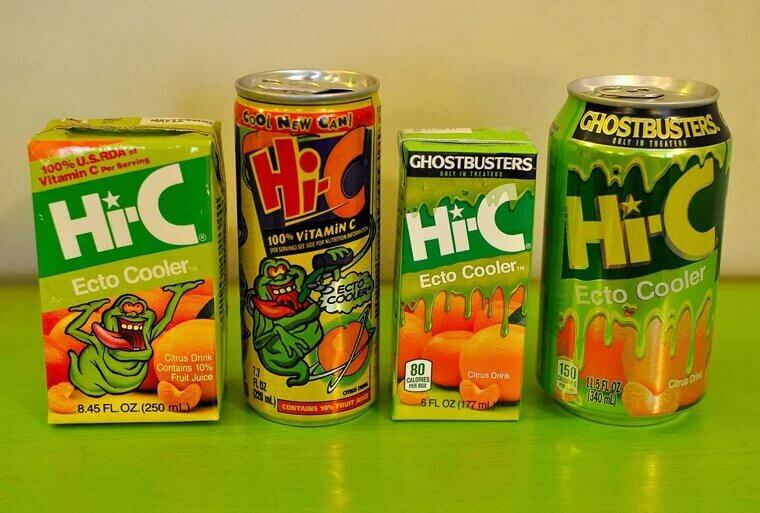
Ecto Cooler first hit the shelves in 1989 as a piece of Ghostbusters merchandise. The neon green citrus drink quickly became a favorite amongst kids, while parents remembered its uniqe and colorful branding. When the licensing deal ended, sales fell off. The drink was discontinued, brought back for a short nostalgic run and then disappeared again. Overall, its bright color and sugary taste didn’t coincide with today’s health trends. Nowdays, the drink is remembered more as a symbol of pop culture than something that boomers actually enjoyed.
Fruit Brute Cereal
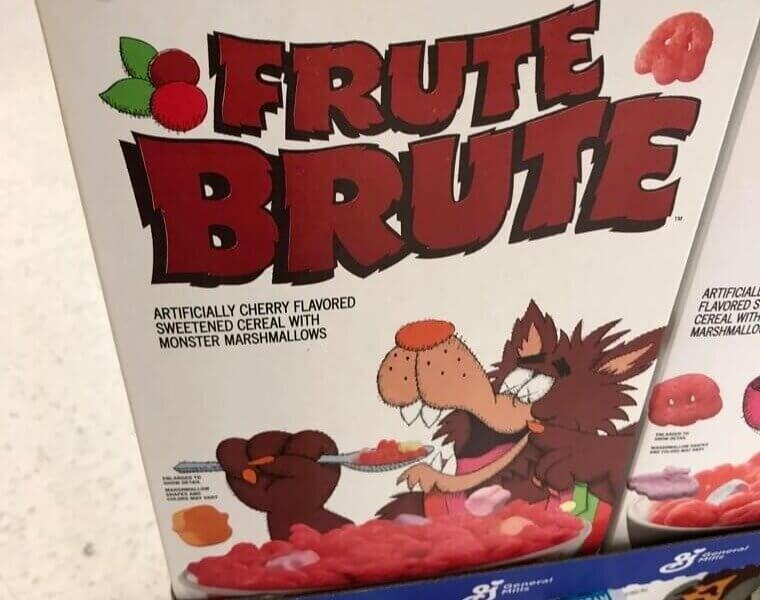
Fruit Brute was one of General Mills’ Monster Cereals, known for its werewolf mascot and fruity marshmallows. Many boomers remember the bright boxes and Saturday morning cartoon connections. With that being said, it never sold as well as Count Chocula or Franken Berry. The cereal was discontinued in the 1980s, brought back for a short period, and then taken off shelves again. It contained plenty of artificial flavorings and sugar, which simply didn’t keep up with health trends. Regardless, Fruit Brute is still a nostalgic favorite for some boomers.
Marathon Bar
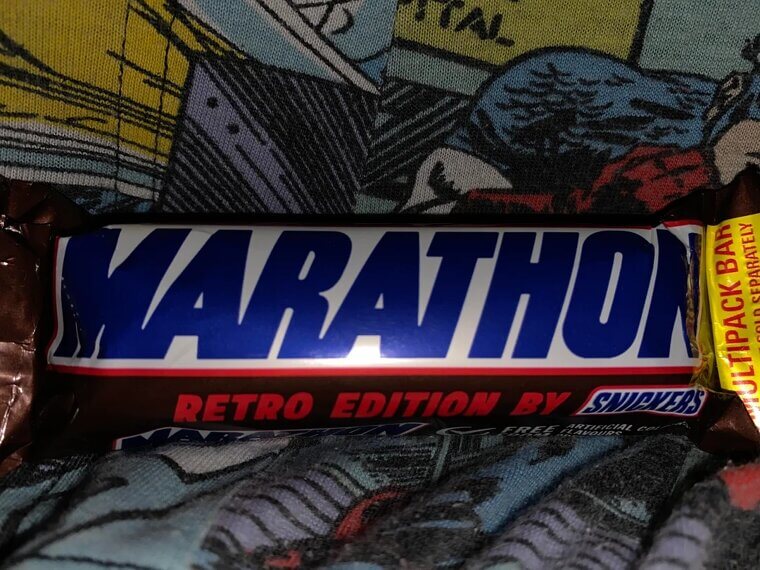
The Marathon Bar was first released in the 1970s. It was a chocolate-covered caramel candy that captured the hearts of baby-boomers everywhere. They enjoyed it for its unique look and chewy texture. With that being said, the car was also hard to eat and tricky to package. By the 1980s, sales dropped massively, leading to its eventual discontinuation. The big size and gimmick couldn’t keep up with simpler, more convenient candy bars. Nowdays, boomers still feel nostalgia when thinking about the Marathon bar.
Crystal Pepsi
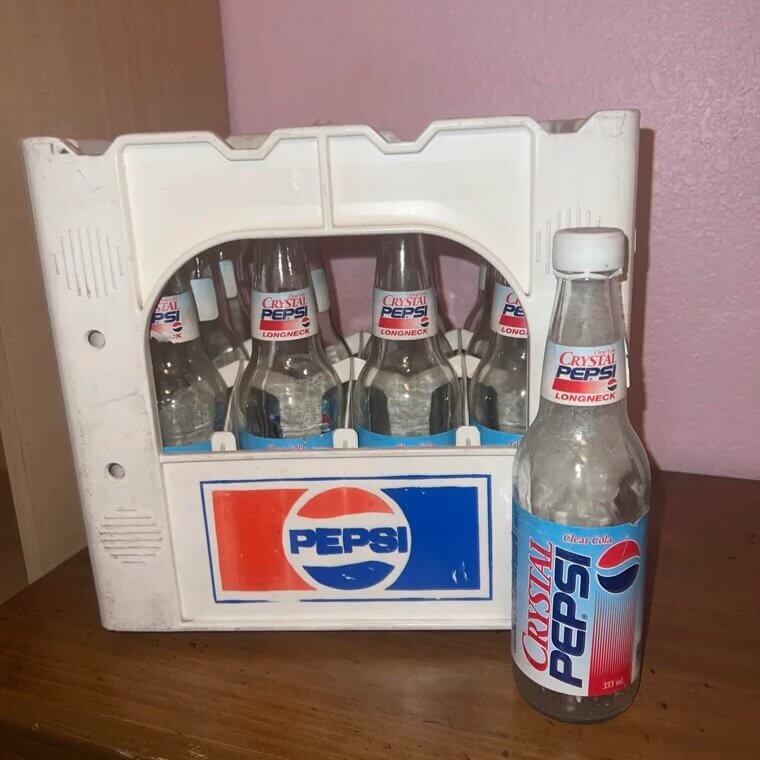
Crystal Pepsi was first released in the early 1990s as a clear cola. It was advertised as a more “pure” option compared to regular sodas. Both boomers and their kids were curious, but the taste didn’t quite live up to the hype. It was basically Pepsi without the caramel coloring, which left people confused. Sales dropped quickly, and the drink was pulled from shelves after just a few years. Crystal Pepsi’s story shows that flashy branding doesn't always work - especially when the taste just isn't up to par.