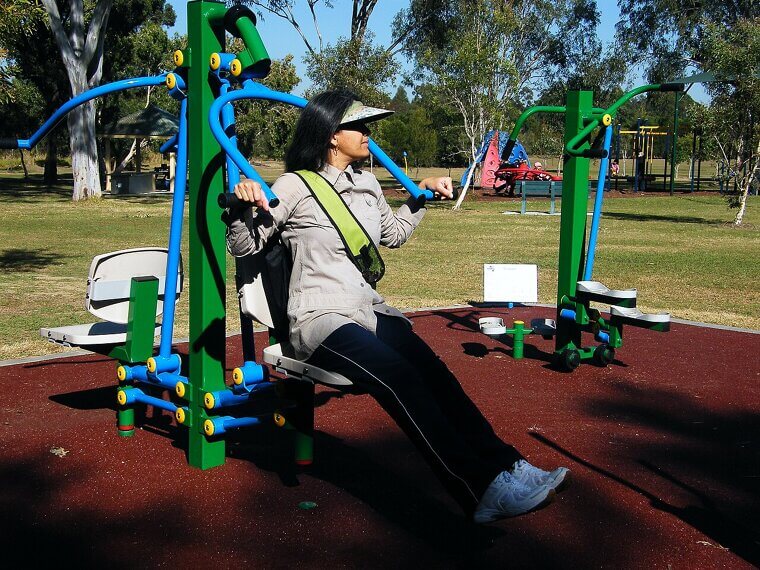
Aqua Boot Camps
Many people underestimate just how hard aqua boot camps can be. These are essentially water resistance workouts that make use of pool noodles and dumbells. Not only can they be incredibly difficult, especially if you aren't already fit, but pool decks are also slippery, increasing the liklihood of seniors falling.
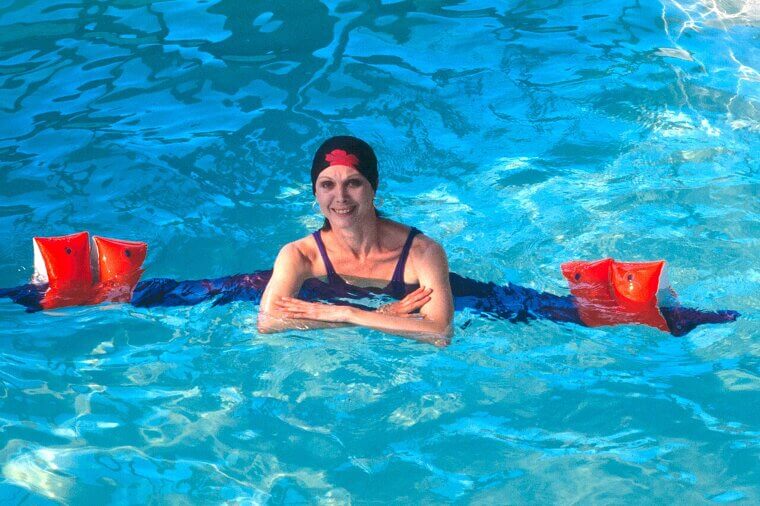
Crossfit
While crossfit may be a fun and social sport, it is incredibly hard on the body. In fact, as far as high intensity sports go, it has one of the highest injury rates out there - especially amongst older adults. To be more specific, explosive lifts and fast-paced circuits often result in shoulder tears, knee injuries, and back strain.
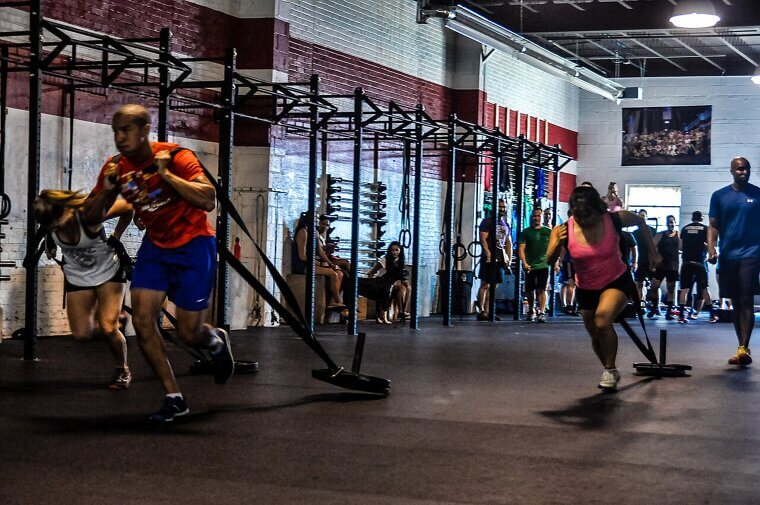
P90X
P90X refers to a DVD series that emphasized “muscle confusion” and extreme cardio. It was also called 'insanity' training, which tells you all you need to know about the intensity of it. Older adults simply couldn’t keep up with the fast pace of the exercises, leading to exhaustion and joint pain.
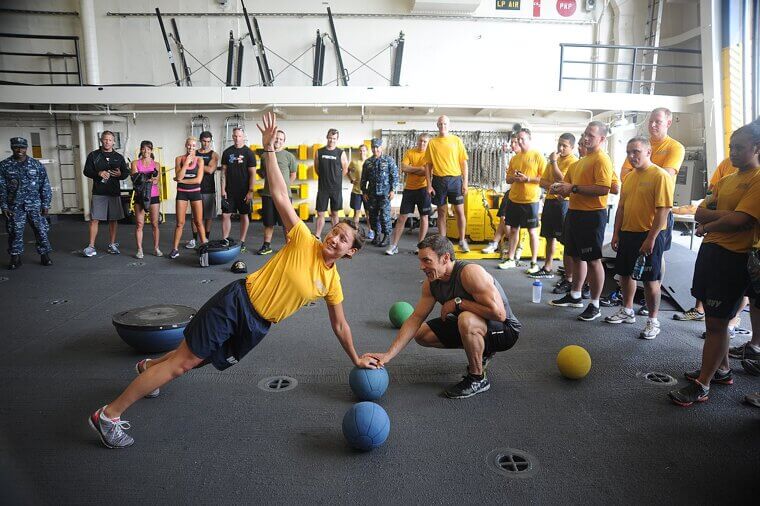
Hot Yoga
Unlike regular yoga, hot yoga was performed in rooms heated to about 40 degrees Celcius or outdoors during the hotest time of day. The idea behind it was to burn as many calories as possible. In reality, however, the heat only led to dehydration, dizziness and, in extreme cases, heat stroke.

Boot Camps
Boot camps were popular for their military-style workouts, complete with sprints, push-ups, and burpees. While it may be good exercise, the high-intensity nature definitely didn't suit older adults. On top of this, the high-impact drills often resulted in falls, sprains and cardiovascular strain.
Heavy Powerlifting
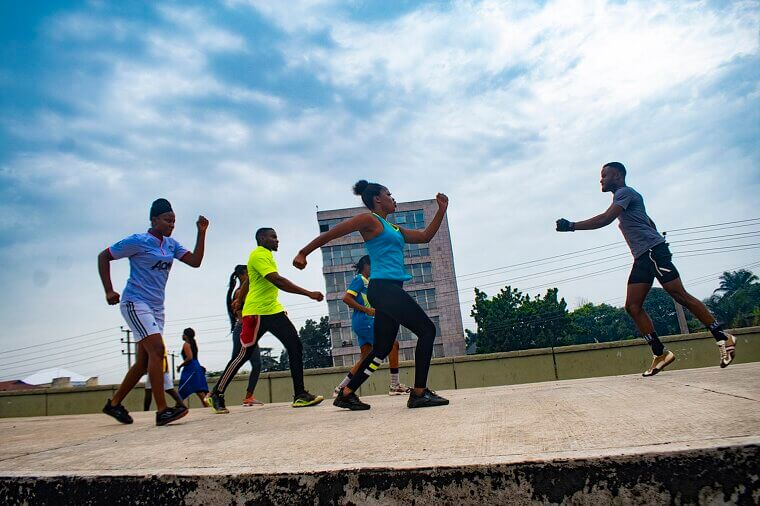
Powerlifting is a very dangerous sport that lead to life-changing injuries if performed incorrectly. Common exercises include squats, deadlifts and bench presses - all with maximal loads. Older adults often lack the proper form and strength needed to perform such manuevers. In many cases, powerlifting over the age 50 can result in herniated discs, torn ligaments and chronic joint pain.
Long-Distance Running
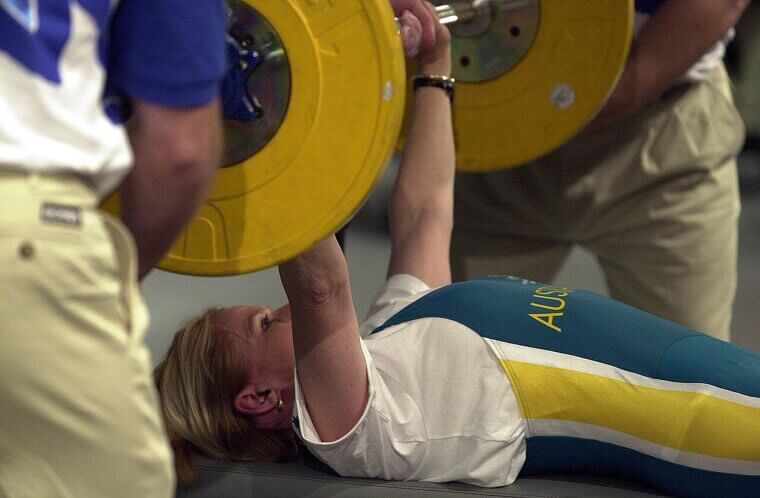
While running is good for everyone, long-distance running is a different beast. In fact, experts recommend slowly building up to longer distances through years of consistent training. A lot of the time, older adults who rush into this sport will experience stress fractures, cartilage wear and overuse strains.
HIIT (High Intensity Interval Training)
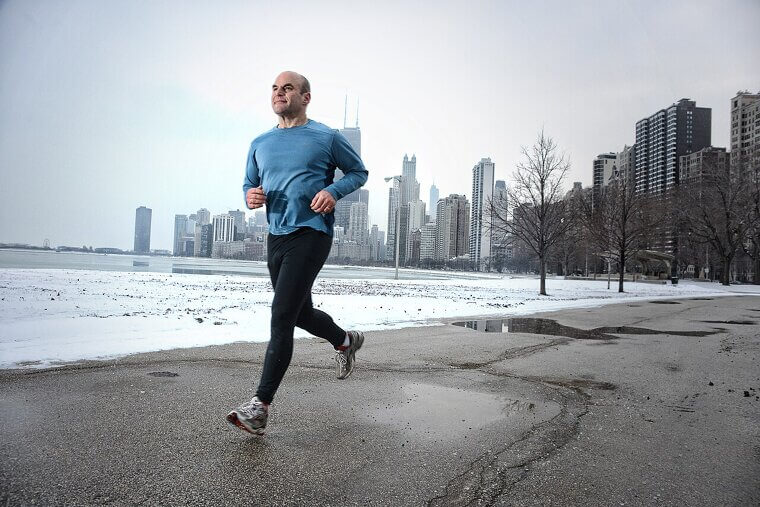
As the name suggests, HIIT isn't for the weak. It includes a wide range of super intense exercises, such as alternating sprints and strength moves at max effort. Throughout the workout, your heart rate will be extremely high, which is a major risk for older adults - especially those with cardiovascular concerns.
Obstacle Course Races
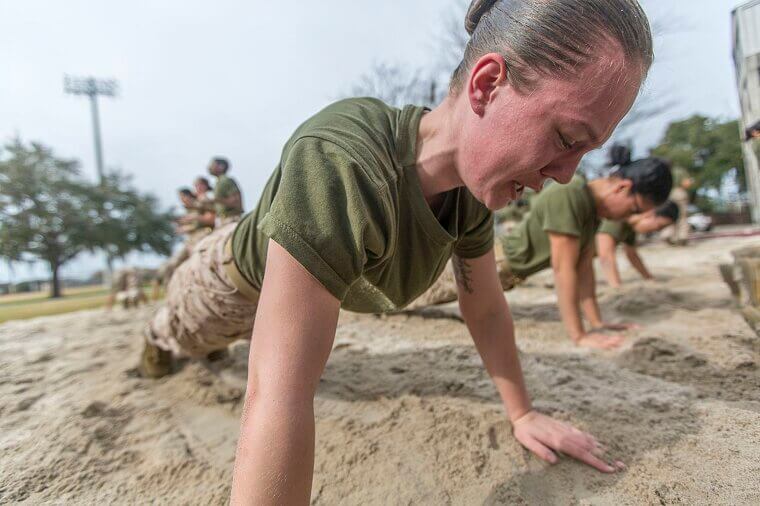
For a while, obstacle course races were also incrediblu popular. They included tricky exercises, such as crawling under wire, scaling walls and carrying heavy loads. While it may have been fun, injuries were also very common. Falls, sprains, and broken bones were essentially seen as part of the sport, which obviously wasn't ideal for older adults.

Vibration Plates
For a while, every gym seemed to have vibration plates. These were essentially machines that vibrated at a fast pace in order to stimulate the muscles. While they claimed to improve strength and circulation, it was later proven that the vibration did very little for the body. More so, balance issues made them particulalry problematic for older adults who were prone to falling.
Extreme Diet and Intense Exercise
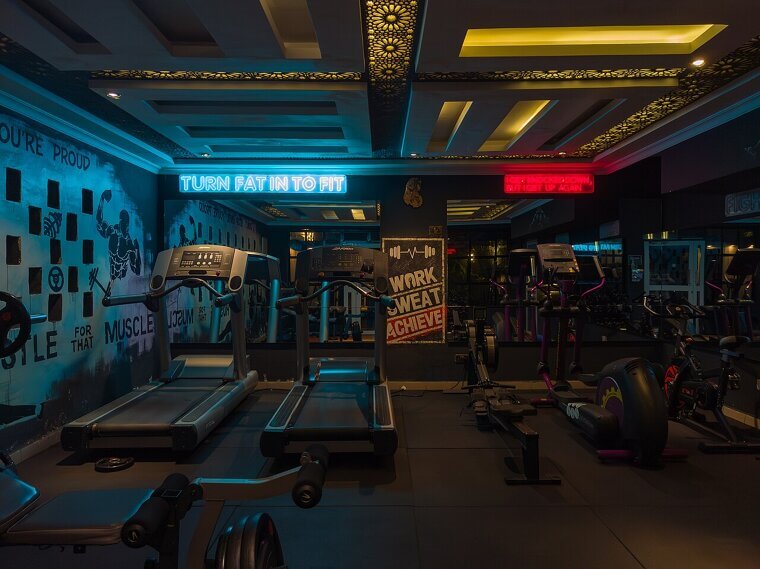
We are always seeing new dietary or exercise challenges that online influencers claim 'changed their lives'. In reality, many of these challenges are dangerous, as they combine calorie restriction with intense exercise. Over time, this causes fatigue, nutrient deficiencies and muscle loss - all of which can be disastrous for older adults.

Wearable Tech Obsession
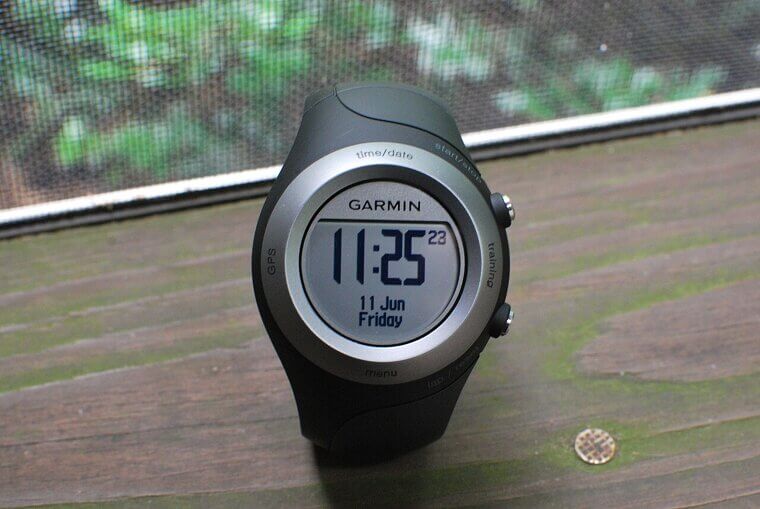
For a while, health enthusiasts seemed to be obsessed with tracking their steps, heart rate and number of calories burned per day. Not only did this take the fun out of exercising, but it also caused stress when goals weren't met. As an older adult, exercise should be about mental and physical well-being.
Group Dance Fitness
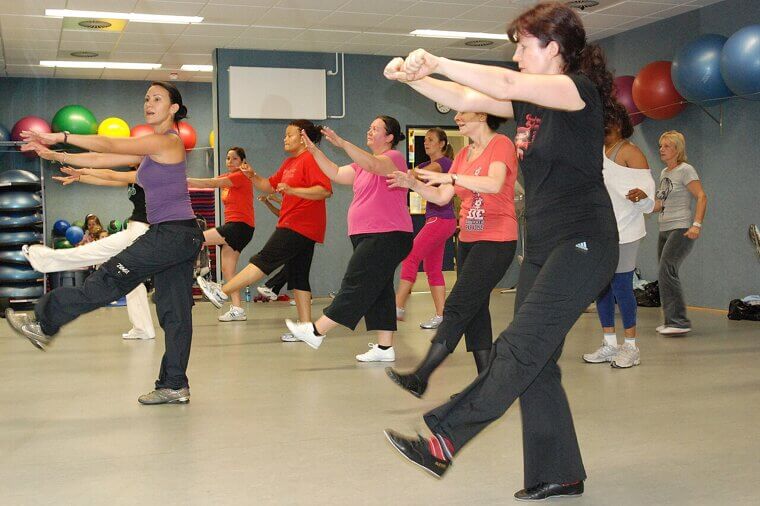
Group dance classes may be fun and social, but, for older adults, they are also pretty dangerous - especially when there is fast choreography involved. To be more specific, falls and twisted ankles are common injuries amongst seniors. The loud music can also be overwhelming and mask any signs of over-exertion.
Martial Arts Kickboxing
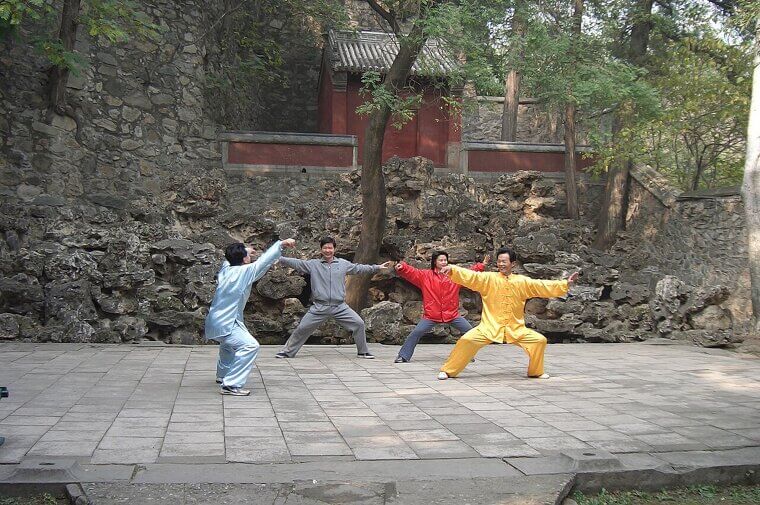
While learning martial arts may sound like a good idea, it is actually an incredibly high-impact sport. Frequent punches and kicks place plenty of stress of the shoulders, knees and hips - all of which are already under strain as an older adult. On top of this, there is an increased risk of falls during sparring or bag work.
Pilates Reformers
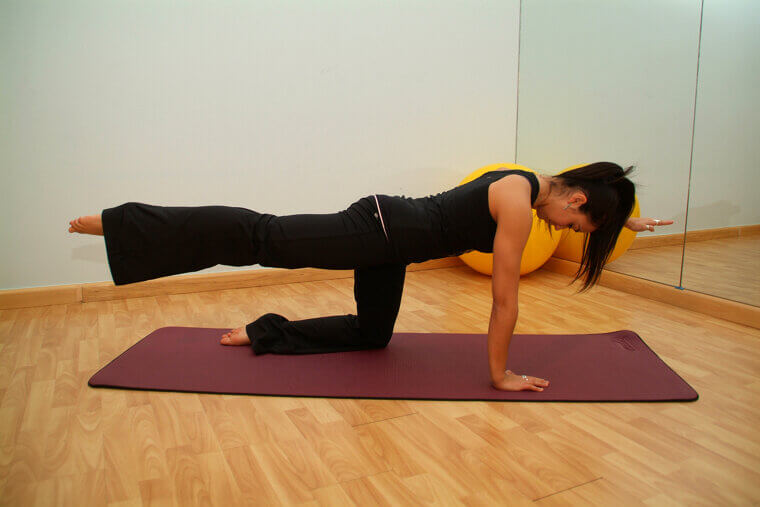
Pilates may seem like the perfect sport for seniors, as it is low impact. However, that doesn't make it easy. In fact, when a pose is performed incorrectly, it can place immense strain on certain joints and muscles, increasing the liklihood of injury. Complex equipment is also sometimes used.
Extreme Cycling (Spin Classes)
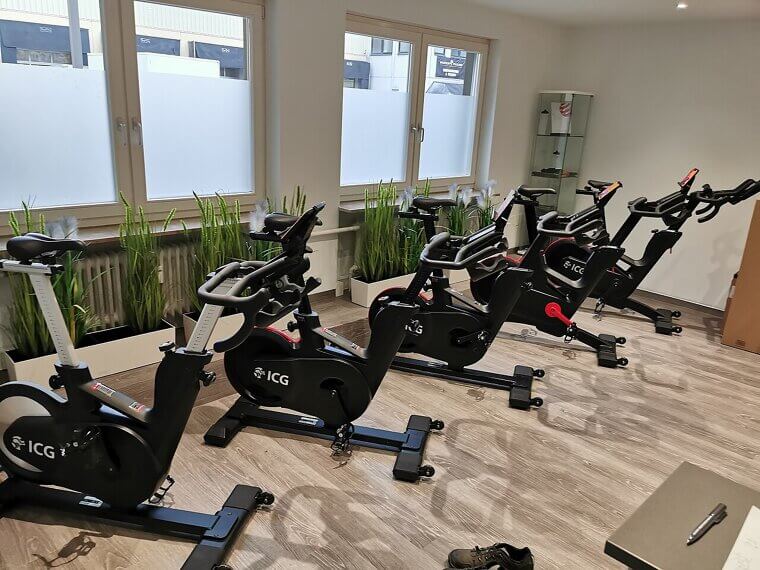
If you've ever been to a spinning class, you would know just how intense they can get. With loud music, flashing lights and high-speed cycling, they definitely aren't for the unfit. Back strain, dehydration and repetitive stress injuries are particulalry common amongst older adults.
Fitness Apps With Unrealistic Goals
While having a fitness app to help keep you accountable may sound great, most of them actually just take the fun out of the fitness experience. They push for unrealistic goals, such as walking at least 10 000 steps every single day. For older adults, these apps created a sense of guilt when these goals weren't met.

Barre Workouts
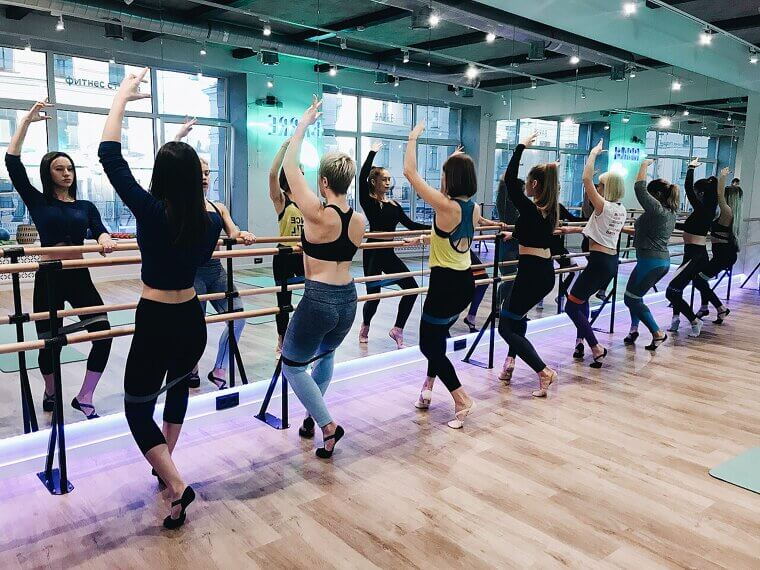
Barre workouts are essentially ballet-inspired routines that emphasize repetitive movement. While it may be less intense than other sports, the repitition often leads to overuse injuries - especially amongst older adults. Hip and knee pain are particularly common problems.On top of this, the workouts are sometimes monotonous and boring - unless you're training for ballet, of course.
The 'No Pain, No Gain' Mentality
Arguably the most damaging fitness trend of all time is the 'no pain, no gain' mentality. While many find it motivating, it actually isn't true. Exercise shouldn't be all about pain and suffering. When done properly, it can actually be an enjoyable experience that not only improves your physical health, but your mental health as well. More so, this mentality can cause individuals to ignore serious warning signs and pain signals, believing that it will only make them stronger in the long run.