
Putting Off Retirement Saving Because It Feels Too Late
Many older adults who believed that it was too late for them to save for retirement often regret their decision. Even small contributions generally add up over time, especially when the employer provides a matching contribution or there are tax breaks associated with saving. It is a common misconception that you need a massive head start to make a difference in your future. In reality, every dollar tucked away today serves as a vital brick in your financial foundation. Consistency often matters more than the initial amount, as the power of compounding works quietly in the background to grow your wealth. By starting now, you can take back control of your golden years and ensure that your later life is defined by comfort rather than constant financial worry and missed opportunities.

Using Credit Cards to Cover Everyday Expenses
Using credit cards for living expenses feels like the easy thing to do when money is tight. Minimum payments barely make a dent, and interest keeps compounding. Eventually, debt becomes part of the monthly routine. What started as a short-term solution quietly turns into long-term financial pressure that is hard to escape.

Ignoring Long-Term Care Planning
Too many people believe that their family will take care of them or that they will never require long-term assistance. Those who end up needing care always find the costs shocking. The expenses for assisted living and in-home care can rapidly deplete one's savings, resulting in regret over not having researched the options before it was time to act.

Relying Only on Social Security
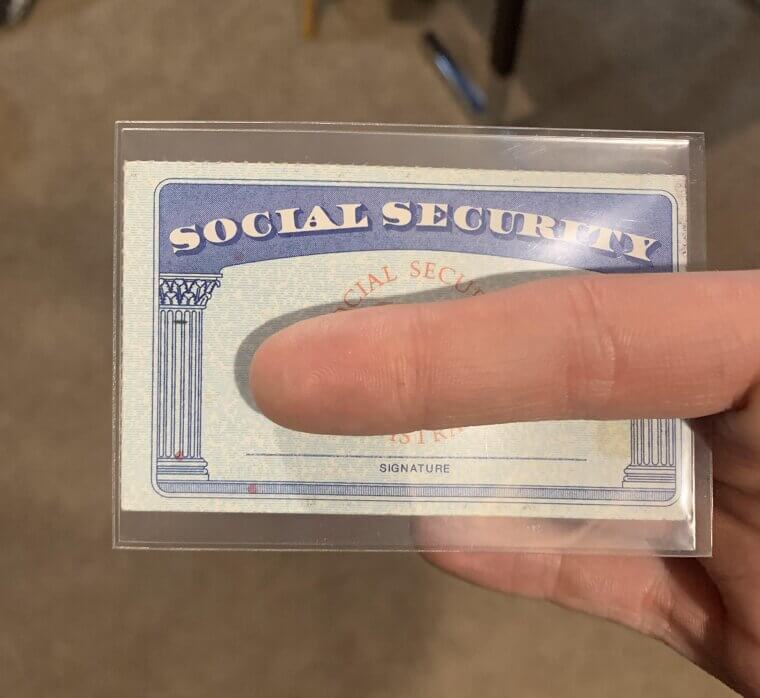
People often think that Social Security will cover most living costs. Then they find out otherwise when they start getting checks. Social Security was never meant to replace a person's entire source of income. While the cost of living increases year after year, the fixed benefit is limited, and depending solely on it often leads to constant stressful budget situations.
Cashing Out Retirement Accounts Early
Taking money out of retirement accounts early might look like the best option when you are in a pinch, but you’ll pay taxes and penalty fees for that withdrawal. It often costs more than you expect. Many people later realize that by taking that quick cash, they caused an even bigger problem later on.

Assuming Medicare Covers Everything
Medicare helps with some medical costs, but it does not cover every aspect of your medical expenses. Premiums, prescription medications, dental care, and vision expenses can add up significantly. Many people are surprised by out-of-pocket costs they did not plan for.

Treating the Home as a Backup Savings Account
Most people have this feeling that their home will always be there as a financial safety net if they need it. However, the reality is that accessing that money is not simple or cheap. Whether you sell, downsize, or borrow against your home, there are costs and stress that come with it.

Downsizing Too Late
Holding on to a large, expensive house for far longer than one should leads to the slow drain of one's funds. Maintenance, taxes, and utilities keep going higher. By the time some people downsize, the economy or health situation is no longer favorable. Older adults wish they had taken the opportunity to downsize sooner, when it felt like a choice instead of a forced decision.

Relying on Verbal Family Agreements
Money arrangements based on trust and conversations can create problems. Helping adult children or sharing expenses without written plans often leads to misunderstandings. Relationships get strained when expectations are unclear. Many people regret not putting agreements in writing, even with family, because it could have avoided emotional and financial fallout.

Skipping Emergency Savings
Some people assume retirement income will always be steady. Then a major repair, medical bill, or family emergency hits. Without cash reserves, credit cards or loans become the only option. Even a small emergency fund can prevent financial stress from spiraling quickly.

Depending on High-Fee Financial Products
Products with high management fees often look secure and professional, but the long-term effect of some of them goes unnoticed by most. Many people do not realize how much they are paying until they look closely. Most people regret that they did not ask more questions or compare with other valid, low-fee options.

Assuming Pensions Will Stay the Same Forever
Pensions feel stable, so it is easy to stop paying attention. But companies change, plans get frozen, and benefits can be reduced. Relying too heavily on a pension without backup savings can leave people exposed. Many older adults regret not building additional income streams while they still had working years left.

Letting Lifestyle Creep Follow Income Increases
As people make more money, it’s common for them to also increase their spending on items associated with an improved standard of living, such as better cars and larger homes. Many times, people don’t even remember to save. In retrospect, older adults wish they had saved instead of spending their salary increases on luxuries.

Using Payday Loans or High-Interest Short-Term Loans
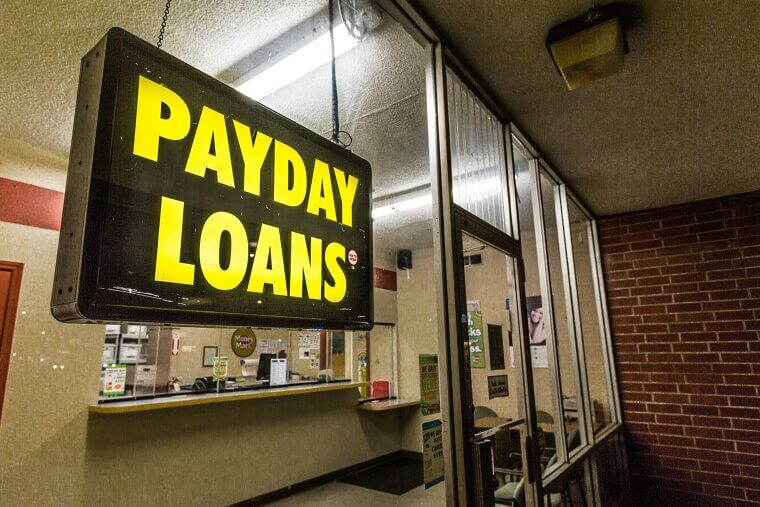
When money feels tight, fast cash looks tempting. The problem is that the interest rates are brutal. What starts as a small loan quickly grows into something hard to repay. You end up with a cycle that is difficult to break and adds stress during already tough times.
Believing You Will Work Much Longer Than Planned
A lot of people assume they will just keep working if money gets tight. Health issues, caregiving needs, or job changes often interrupt that plan. Depending on future work can be risky. Many older adults wish they had saved more earlier instead of assuming they could always earn later if needed.

Relying on One Single Income Source
Depending on just one source of income can feel simple, but it leaves very little room for surprises. If that income changes or stops, you get stressed out. Many people regret not diversifying earlier. Even small additional income streams can provide breathing room and peace of mind when life does not go according to plan.

Ignoring Inflation in Long-Term Planning
It is easy to plan based on today’s prices and forget that costs keep rising. Groceries, healthcare, and housing rarely stay the same, and plans that once looked solid start feeling tight. Many older adults regret not building in room for inflation. A little extra planning early can prevent a lot of pressure later.

Delaying Conversations About Money With a Partner
While it may seem easier to avoid talking about money, in the end, it leads to confusion. Different people have different expectations regarding how much should be spent, saved, or what is considered “normal” debt. Eventually, these differences reveal themselves, resulting in increased stress.

Assuming Debt Will Be Easier to Manage Later
Many people believe that once they retire or begin to slow down, debt will feel easier to manage. The reality is that fixed income makes debt payments feel heavier, not lighter. Carrying debt into retirement severely limits one's options, and many regret not prioritizing paying off their debt when income was stronger and options were wider.

Trusting Advice Without Fully Understanding It
Unless you fully understand the advice that is being given, it is likely that you'll end up regretful if you take it. Friends, relatives, co-workers, and even professionals are often unaware of the entire scope of your financial situation. If things do not go as planned, confusion will turn into frustration. Older adults wish they had taken the time to ask questions and learn some of the basics so they could make informed decisions.
