Not Wearing Seatbelts When Driving
While some people still don't wear seatbelts, it was commonplace for cars not to even have them installed in the 70s - especially in the back rows. Even if cars did have them, they would usually go unused, which often led to unnecessarily tragic accidents.

Minimal Food Safety Labeling
Nowdays, people are very aware of food allergens, making it illegal for food manufacturing companies to withold information regarding the contents of their products. In the 70s, things were very different. Nutrition facts and allergy warnings were often disregarded completely.

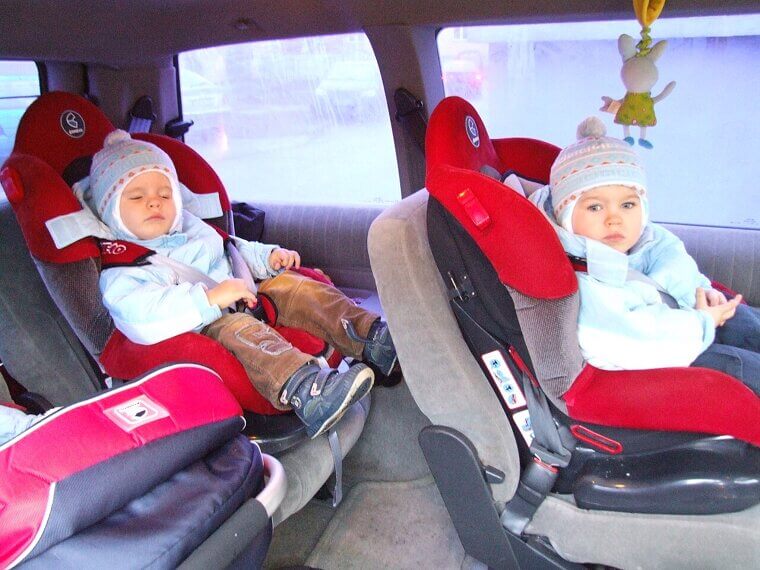
Driving Without Car Seats
Nowadays, it is actually illegal in many places for parents to drive without car seats for their babies or toddlers. Regular seat belts aren't designed for their smaller frames, making the additional safety mesaure of a car seat mandatory. However, in the 70s, it was commonplace for parents to simply strap their children in like a regular adult, without giving the situation a second thought.
Drunk Driving Culture
Nowdays, we are all taught the dangers of driving drunk, as there have been so many tragic accidents and horror stories in the past. In the 70s, however, there was a dangerous 'drunk driving culture'. People would leave bars after a long night out, having drunk way too much to be able to drive home safely.

Riding Motorcycles Without Helmets
Back in the 70s, helmets were optional. Whether you were riding around your neighbourhood for fun or competing in a competition, you could choose whether or not you wanted to take the risk of riding without head protection. As you can imagine, many people did, leading to unnecessaily gruesome falls and crashes.

Leaded Gasoline
Back in the day, not much was known when it came to the side effects of using leaded gasoline. In fact, it was widely used across the globe, exposing drivers (and pedestrian bystanders) to toxic lead emissions. Some symptoms of lead poisoning included chronically high blood pressure, memory loss, mood disorders and even a reduced sperm count.

Smoking Everywhere
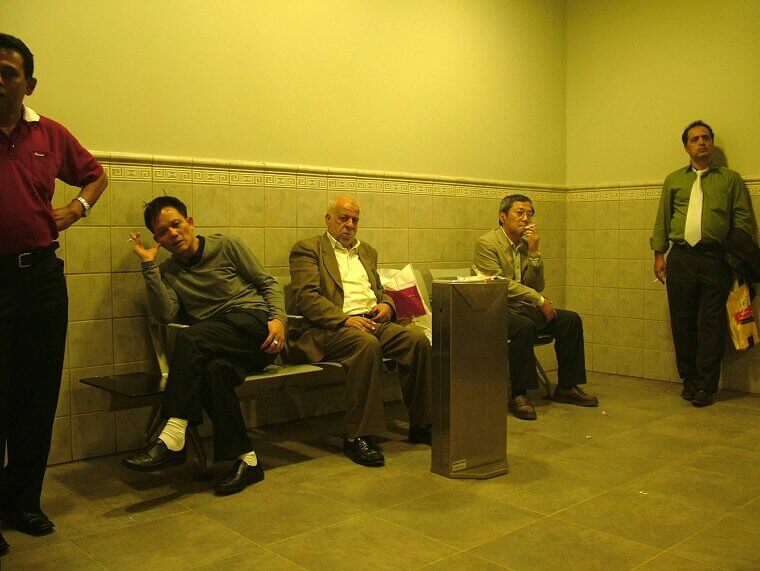
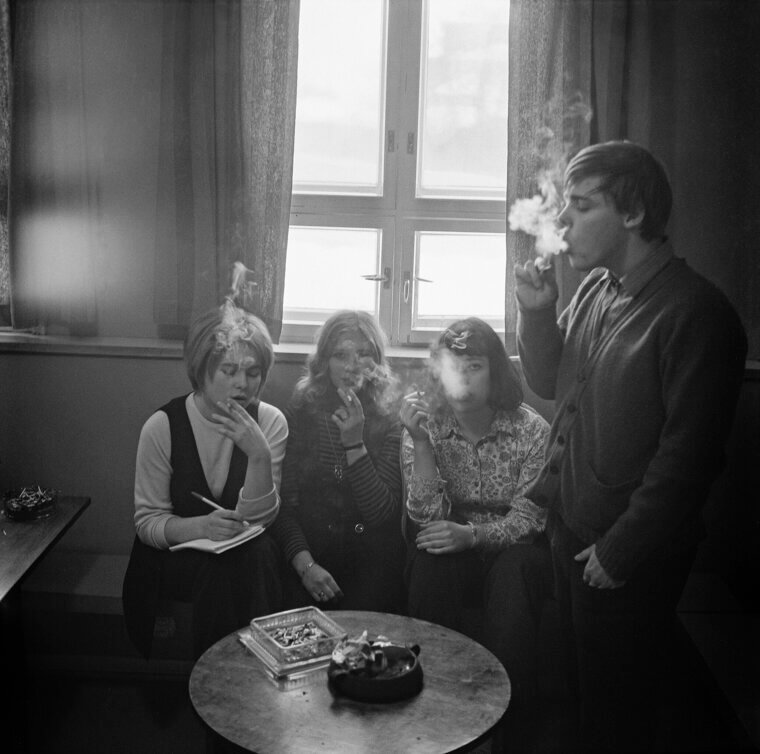
Can you imagine a world where smoking was commonplace? For those who hate the smell of cigarettes, it seems like a bit of a nightmare. Well, in the 70s, it was a reality. Smoking was allowed everywhere, including airports, aeroplanes, grocery stores and even children's playgrounds. No matter where you went, you were likely to inhale a few lungfulls of cigarette smoke.
Secondhand Smoke
Because people were allowed to smoke everywhere, there was no escaping the cigarette smoke. Even people who didn't smoke, including childen, were forced to breathe it in. Generally, there was very little awareness regading the dangers of smoking, as well as the dangers of secondhand smoke.
Not Using Sunscreen
Back in the 70s, there was very little awareness when it came to the dangers of sun exposure. People would spend hours at a time in the hot summer sun, without using any sunscreen. As a result, sun burns were common, leading to various skin diseases. Many years down the line, these same people started to be diagnosed with skin cancer, demonstrating the long-lasting nature of sun damage.

High-Fat, Processed Diets
In the 70s, people had very little regard for their diet and the effects that it had on their overall health. In fact, fast food and TV dinners dominated - both of which had very little nutritional value and were extremely high in calories.

Workplace Sexism Tolerated
In the 70s, life was very difficult for women - especially those who who were brave enough to tackle the corporate world. Back then, harassment and discrimination were brushed off as 'normal office culture'. Women were viewed as inferior and, as a result, found themselves in borderline dangerous situations.
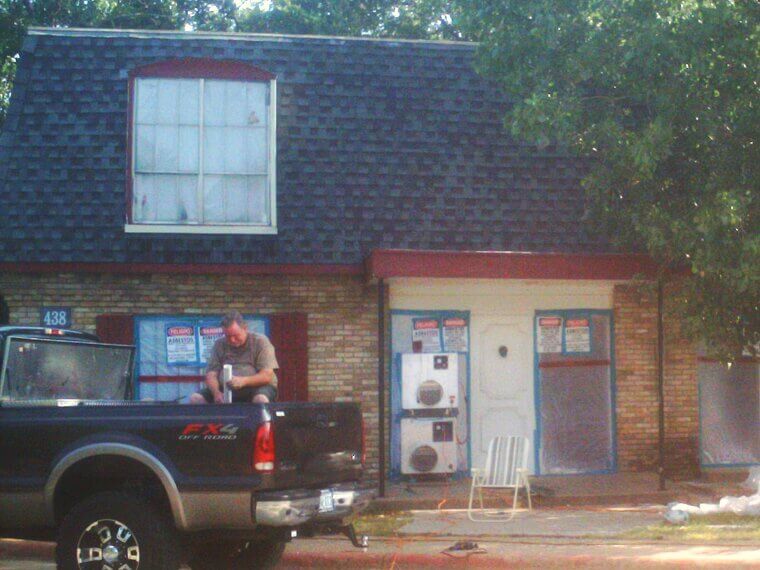
Asbestos in Homes
Nowdays, we all know the very serious health risks that come with breathing in asbestos. However, back in the 70s, people weren't as informed. In fact, asbestos was frequently used in insulation and construction materials, exposing unknowing homeowners to highly toxic particles on a daily basis. It doesn't come as much of a surprise that many of these individuals would go on to be diagnosed with lung cancer or other respiratory illnesses.
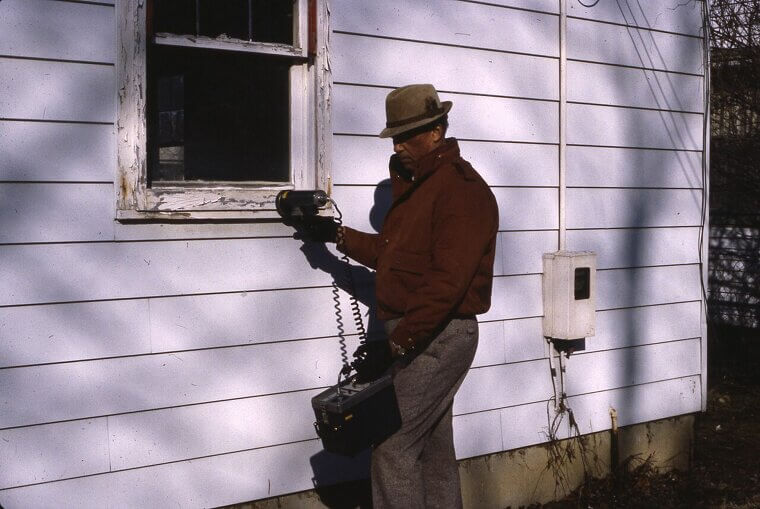
Lead Paint
We only really started to investigate the side effects of lead paint once we reached the 21st century. Before that, people were using it to paint their interior and exterior walls, unknowingly exposing themselves and their families to toxic fumes. Many people even fell ill from the side effects, though, at the time, they had no idea what was causing it.
Kids Roaming Freely
Nowdays, parents would never allow their children to walk the streets alone. We have all heard far too many horror stories of children being kidnapped or worse. Life was much different in the 70s. Children would roam around freely, without any concern for their safety or well-being.

Unsafe Playgrounds
It's safe to say that safety regulations were nowhere near as strict in the 70s as they are today. Instead of TVs and smartphones, children would occupy themselves on municipal playgrounds for hours on end. A lot of the time, these playgrounds weren't very well designed, with dangerous obstacles and little to no supervision.

Riding Bikes Without Helmets
Cycling was a popular mode of transport in the 70s - especially for children who couldn't yet drive. However, it wasn't exactly safe, as many went without helmets, completely overlooking any risks of head injury.

Poor Pollution Controls
Back in the day, the public wasn't anywhere near as clued up on the risks of pollution as we are today. Factories and cars would emit unchecked pollutants, often affecting the health of those nearby.
Limited Recycling
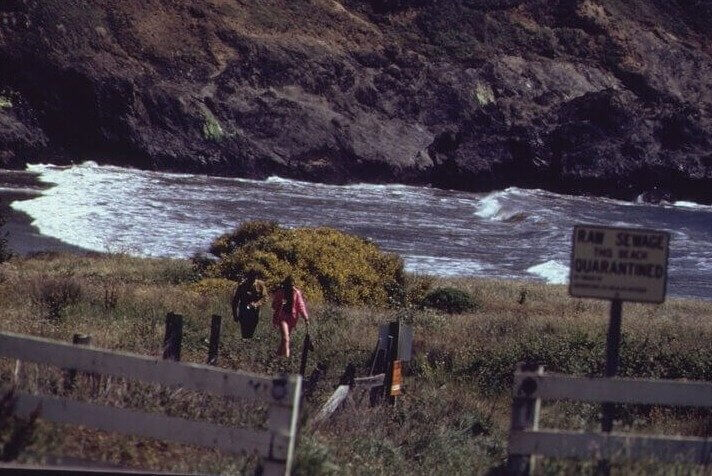
While litter may not seem like a major health risk, it can actually be pretty dangerous if left unchecked. Back in the 70s, waste management was primitive compared to what it is today, leading to pill ups of rubbish and plastic. Not only was this a safety hazard to local wildlife, but it also led to accidents amongst young children playing in the area.

Unsafe Toys
Toys in the 70s were often made up of small parts, sharp edges and even toxic materials, making them a massive safety risk to children. The BB gun is a prime example of a popular toy from this era that caused very serious accidents.

Limited Communication Options
If we experience an emergency today, we can easily contact emergency services via cell phone. In the 70s, this wasn't possible, leading to a slower emergency response and, therefore, fatalities that could probably have been prevented if modern technology had been around.