Neglecting Strength Training
So many of us focus on cardiovascular health (walking, jogging, or biking), which is undeniably important. However, the habit many older adults truly wish they'd adopted earlier is strength training. It's not about becoming a bodybuilder; it's about maintaining the functional muscle mass that begins to decline significantly after age 50. This isn't just vanity; it's the bedrock of independence. Regret often sets in when a simple fall causes a serious fracture, or when everyday tasks like carrying groceries or opening jars become surprisingly difficult. Consistent resistance work (even just bodyweight squats or using light resistance bands) is the single best defense against sarcopenia (muscle loss) and osteoporosis, and it's key to maintaining balance, making it the most practical investment you can make in your own future autonomy.

Not Prioritizing Sleep Hygiene
We often wear a lack of sleep as a badge of honor in our younger working years, pushing past fatigue with coffee and sheer willpower. However, consistently poor sleep habits compound over time, and the resulting fatigue and 'brain fog' are frequently mistaken for normal aging. Older adults often regret not recognizing sleep as a crucial, non-negotiable health habit. This isn't just about the quantity of sleep, but the quality. Establishing a strict, relaxing bedtime routine, keeping screens out of the bedroom, and ensuring the room is cool and dark are the elements of 'sleep hygiene' that pay huge dividends. A chronic lack of restorative sleep is linked to everything from poor memory to weakened immunity, and wishing you'd taken your eight hours seriously is a common lament in later years.

Letting Friendships Slide
As careers and families take up the bulk of our time in middle age, many people let casual friendships and social connections fade, believing they'll always be there. The regret comes later when the regular social structure of work disappears, and they realize their once-robust social circle has narrowed considerably. Loneliness isn't just an emotional burden; it is a significant health risk, comparable to smoking. Making the time (even when busy) to call a friend, join a club, or host a casual gathering is an essential habit for long-term emotional and cognitive health. Actively nurturing a diverse and supportive social network is a daily investment against isolation and is one of the most frequently cited habits people wish they hadn't put on the back burner.

Holding Onto Financial Stressors
For decades, financial decisions are often driven by immediate needs: mortgages, tuition, or keeping up appearances. The habit many older adults regret is not consciously shifting their spending and savings mindset earlier to prioritize a stress-free retirement. This isn't just about saving more, but about creating the habit of regular, mindful financial check-ups. Failing to automate savings, neglecting to pay down high-interest debt, or avoiding difficult conversations about wills and end-of-life planning all lead to disproportionate anxiety later on. The regret is less about 'not having a yacht' and more about 'not having peace of mind.' Adopting the habit of consistent, conservative financial discipline in your 40s and 50s is the key to a relaxed and secure older age.

Ignoring Mind-Body Connection Stress
Many high-achieving adults have the habit of internalizing stress and pushing through discomfort, often viewing physical symptoms like persistent headaches, shoulder tension, or acid reflux as minor nuisances rather than signals from the body. The regret is not adopting habits like meditation, deep breathing, or simple stretching sooner to actively manage and release chronic tension. This unmanaged, cumulative stress takes a severe toll on the body's systems, from cardiovascular health to digestion. Older adults often realize too late that a simple 10-minute daily practice of mindfulness or gentle yoga is a profound preventative medicine. Learning to pause, acknowledge, and consciously down-regulate the nervous system is a habit that yields significant dividends in physical comfort and emotional stability as the years pass.
Eating Out of Convenience, Not Fuel
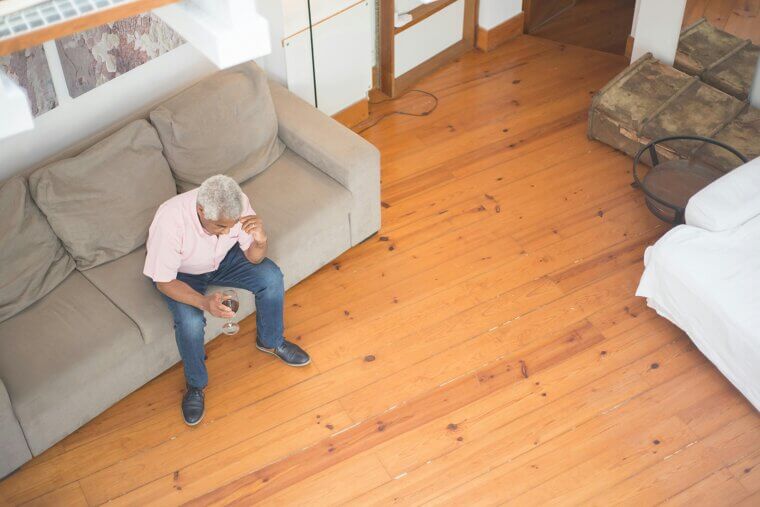
The habit of choosing the easiest, quickest meal rather than the most nourishing one is pervasive in modern life. Older adults frequently express regret over the cumulative effect of a lifetime of consuming processed foods, too much sugar, and too few whole, nutrient-dense options. While it's easy to blame a lack of time, the regret centers on not developing the habit of seeing food as medicine and prioritizing preparation. This isn't about dieting; it’s about consistently incorporating more fiber, lean protein, and diverse vegetables to support gut health, brain function, and sustained energy. The realization that diet fundamentally affects mobility and mood often comes in later life when chronic conditions become undeniable. Cooking more at home and meal planning is the simple, life-changing habit to adopt now.

Never Developing a Learning Hobby
The brain thrives on novelty, challenge, and continuous learning, yet many people fall into the comfortable, but cognitively stagnant, habit of passive entertainment like watching TV or endlessly scrolling. The most common regret in this category is not consistently dedicating time to a challenging, engaging, and new learning hobby. This could be anything from learning a new language or musical instrument to mastering complex wood carving or programming. The goal is to build new neural pathways. These types of activities are powerful tools against cognitive decline, as they promote neuroplasticity. Older adults wish they had established the daily habit of dedicated, focused learning to keep their minds sharp and their days filled with purpose beyond retirement.

Pushing Through Chronic Pain
A common habit among many adults is to tolerate chronic pain as if it were a normal part of aging, opting for over-the-counter medication rather than addressing the root cause. This often involves ignoring early signs of joint issues, mobility problems, or persistent back stiffness. The regret is often tied to missed opportunities for proactive care, such as physiotherapy, corrective exercise, or ergonomic adjustments, which could have preserved greater mobility. Pushing through pain can lead to compensating movements that cause further injury and stiffness, locking people into a cycle of decreased activity and increased suffering. Older adults strongly recommend cultivating the habit of early intervention: listening to the body’s signals and seeking professional help immediately to ensure small aches don't become disabling conditions.

Forgetting to Drink Water Consistently
It sounds simple, yet the habit of consistent, proper hydration is frequently overlooked. As we age, our thirst mechanism becomes less sensitive, meaning we often don't feel thirsty until we're already significantly dehydrated. Older adults regret not making the conscious effort earlier to treat water intake as a vital daily task, similar to taking medication. Chronic, low-level dehydration contributes to a host of problems often misdiagnosed as aging issues, including fatigue, dizziness, confusion, and urinary tract infections. It also exacerbates stiffness in joints. The simple habit of carrying a water bottle and setting specific times for drinking throughout the day is a small change with profound effects on energy levels and cognitive function later in life.

Skipping Annual Medical Screenings
During busy careers, it's easy to fall into the habit of skipping annual check-ups or deferring recommended screenings like colonoscopies, mammograms, or blood work, especially if you feel perfectly healthy. The regret stems from the realization that many serious chronic conditions are most treatable when caught in their earliest, asymptomatic stages. Older adults wish they had cultivated the non-negotiable habit of proactive medical vigilance. Viewing these appointments not as a hassle, but as a critical annual maintenance for your body, like a car inspection, is key. This diligence ensures that baseline health markers are tracked over time, allowing doctors to identify subtle changes and intervene long before a small issue becomes a life-altering illness.