Leaving Bread in the Fridge
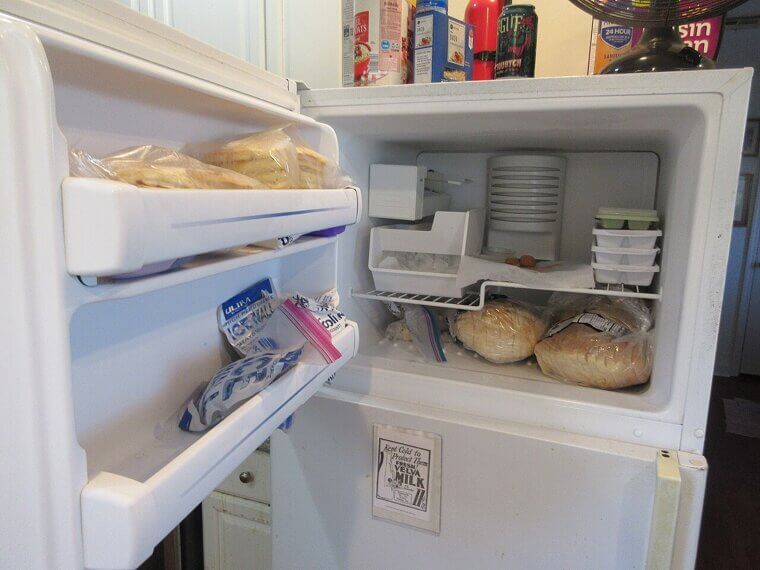
Many people leave their bread in the fridge or freezer, thinking that it keeps it fresh for longer. While this may technically be true, the cold temperatures also make the bread stale faster. So, instead of mold, you will just be left with old and tasteless bread. Instead, it is better to store bread at room temperature, where the texture and flavor hold up longer. Many people notice the difference right away once they stop refrigerating it. Bread kept on the counter stays softer and more enjoyable for everyday use. If you buy more than you can eat, freezing portions only when necessary works better than keeping the entire loaf cold. A simple change in storage can make even basic bread feel fresher without any extra effort.
Mixing Ethylene-Producing Fruits With Others
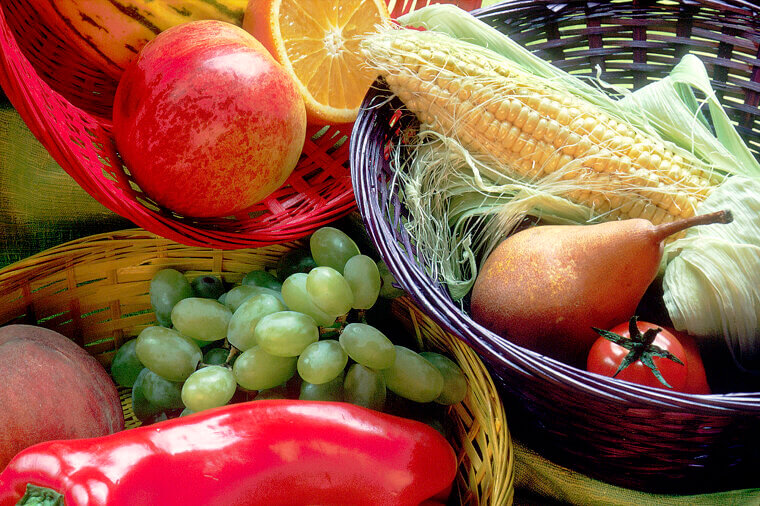
Bananas, tomatoes and apples release ethylene, while berries and leafy greens do not. By storing the two different varieties together, the non-ethylene-producing fruits and vegetables will decay faster, meaning that they will also need to be replaced more often. Not only is this a waste of perfectly good food, but it is also an unnecessary expense that will add up quickly.
Not Using the Crisper Drawer Properly
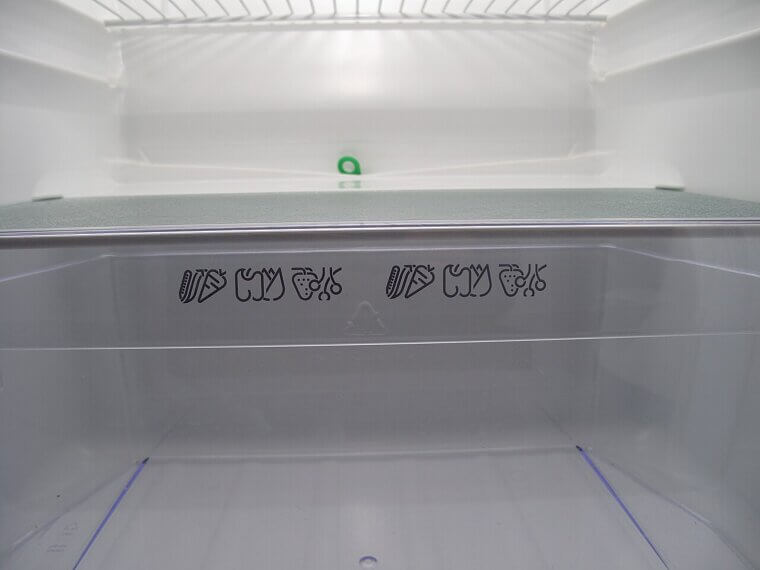
Not using the crisper drawer correctly shortens the life of your produce, as they are designed to help control humidity, keeping fruits and vegetables fresher for a longer time. High-humidity settings are good for leafy greens and herbs, while low-humidity settings are better suited for fruits that spoil quickly. If you ignore this feature, you'll end up with wilted lettuce, limp carrots, and spoiled berries.
Washing Produce Too Early
Another major mistake that many people make is washing their fresh produce too early. Moisture accelerates mold growth and, by washing your fruit and vegetables before you actually use them, you will be left with soggy and withered produce. Because of this, it's recommended to only wash them before eating or cooking.
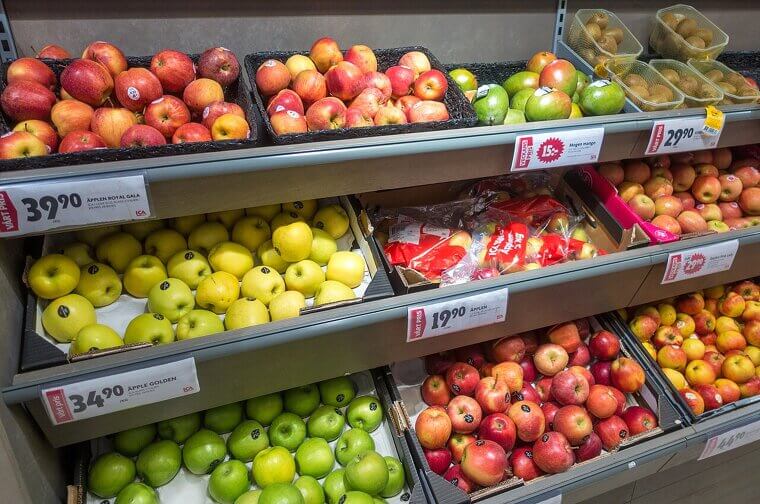
Keeping Milk in the Fridge Door
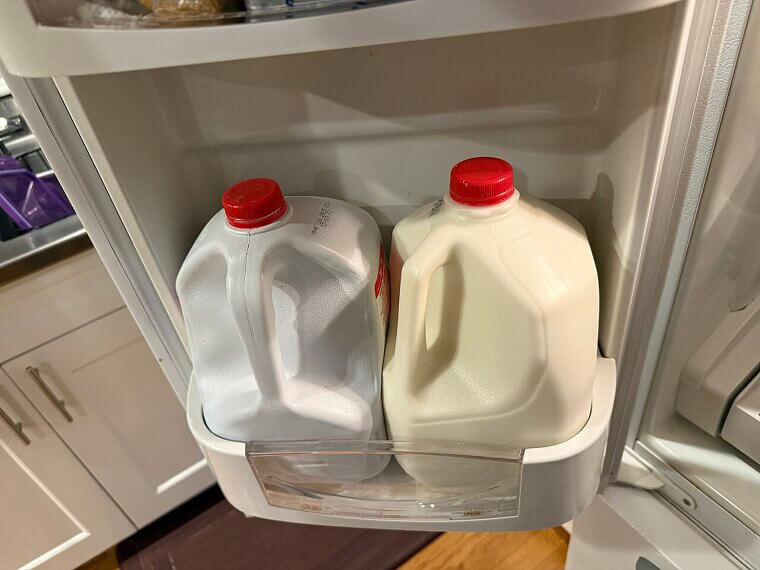
Keeping milk in the fridge door actually shortens its shelf life, as the door is the warmest part of the refrigerator. Every time the door opens, milk faces changing temperatures. This change encourages bacteria growth and causes faster spoilage. Instead, store milk on the middle or bottom shelves. These areas have the most stable and consistently cold temperatures. This simple change helps milk stay fresh longer, cuts down on waste and ensures it is safer to drink.
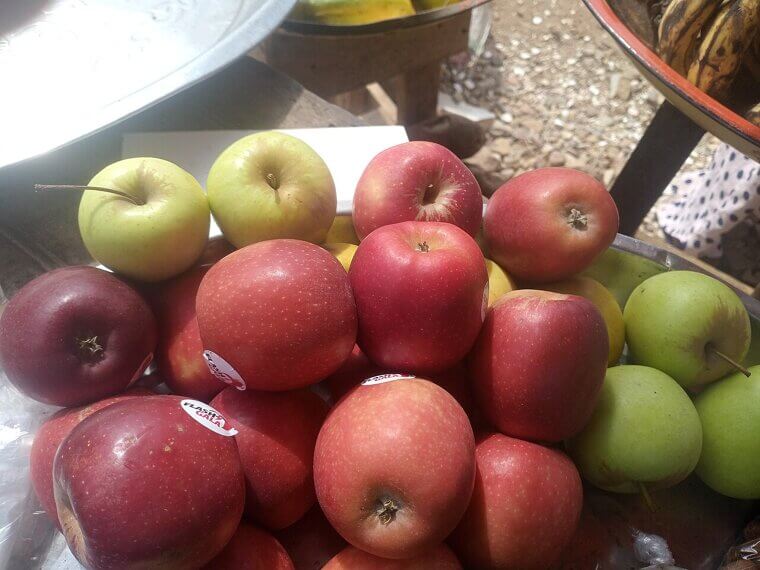
Leaving Apples on the Counter
Apples naturally release ethylene gas, which is a plant hormone that essentially speeds up ripening. When left on the counter, this gas spreads to nearby fruits and vegetables, causing them to soften, change color and spoil much faster. Storing apples in the refrigerator will slow down this process and keep them fresher for longer. To prevent waste, keep your apples separate from delicate produce, such as leafy greens or berries.
Not Checking the Fridge Daily
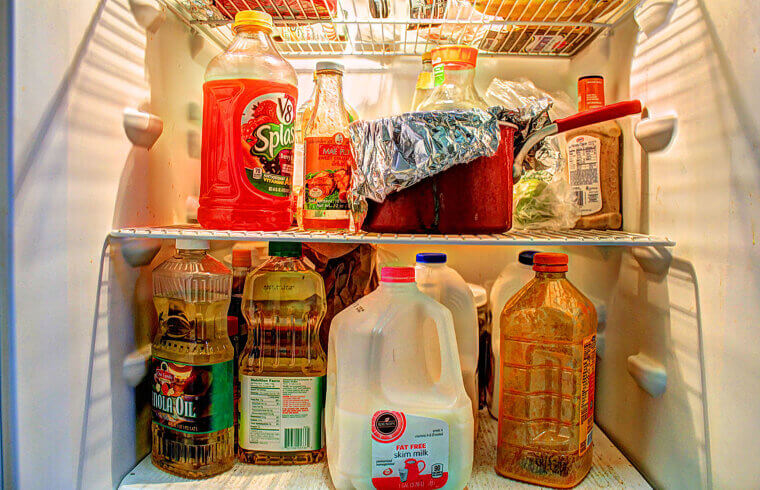
A quick daily look at your fridge stops forgotten items from spoiling. Without this habit, leftovers and produce often rot at the back, covered by new food that is placed in front of it. Regular checks also help you to plan meals around food that is going off soon. It also keeps the fridge that little bit more organized and clean. Although small, this routine saves money, ensures food safety and gets the most out of your groceries by extending freshness.
Storing Onions and Potatoes Together
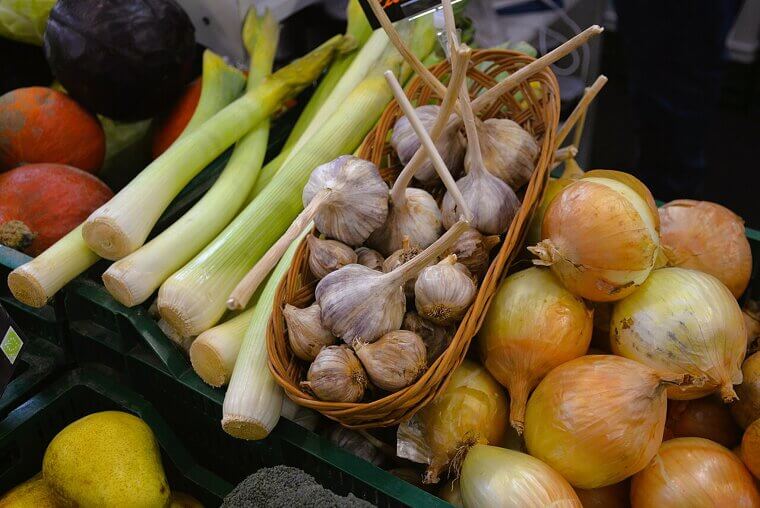
Onions release a wide range of gases and moisture that cause potatoes to sprout and spoil faster. Additionally, potatoes release a chemical that cause onions to rot. For this reason, the two food items should always be stored in seperate locations. To extend their shelf life, keep onions in a cool, dry and ventilated space, while potatoes are better off in a dark and breathable bag.
Ignoring Expiration Dates
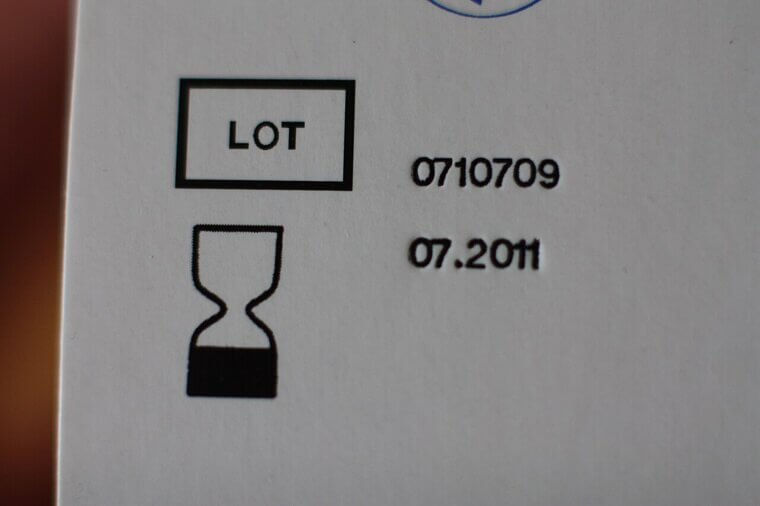
Expiration dates are there for a reason and should never be ignored. The best before date, on the other hand, is a rough guideline that indicates when a food item will taste the best. Not only will expired food taste bad, but it can also be harmful to your health. Be sure to regularly check dates and prioritize using soon-to-expire products, as this will save you a small fortune in the long run.
Leaving Leftovers Uncovered
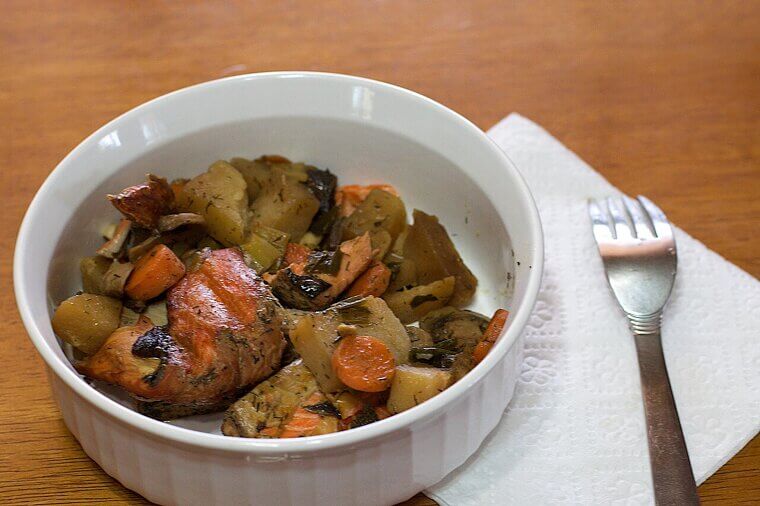
Uncovered leftovers are exposed to oxygen, which speeds up bacterial growth and makes food dry out more quickly. To avoid this, it's always recommended to store leftovers in an airtight container or cover them securely with lids or wraps. This slows down contamination, keeps flavors and prevents strong odours from spreading around your fridge. By storing leftovers correctly, you prolong their shelf life by several days and, as a result, will save money on unnecessary food wastage.
Overpacking the Fridge
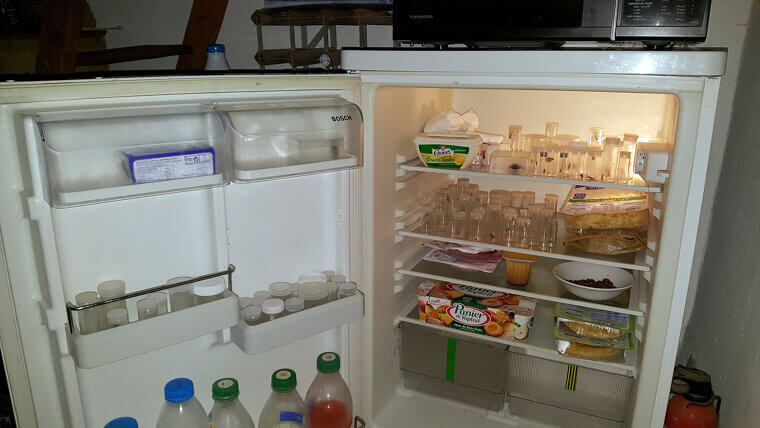
While many don't see the problem with stuffing the fridge, it actually causes uneven cooling, leaving some items warm and prone to faster spoilage. On top of this, overcrowding makes it harder to see and access food, leading to forgotten items and, therefore, wasted money. To avoid this, leave space between containers to allow for proper circulation. More so, be sure to organize shelves by category for efficiency.
Storing Bananas in Plastic Bags
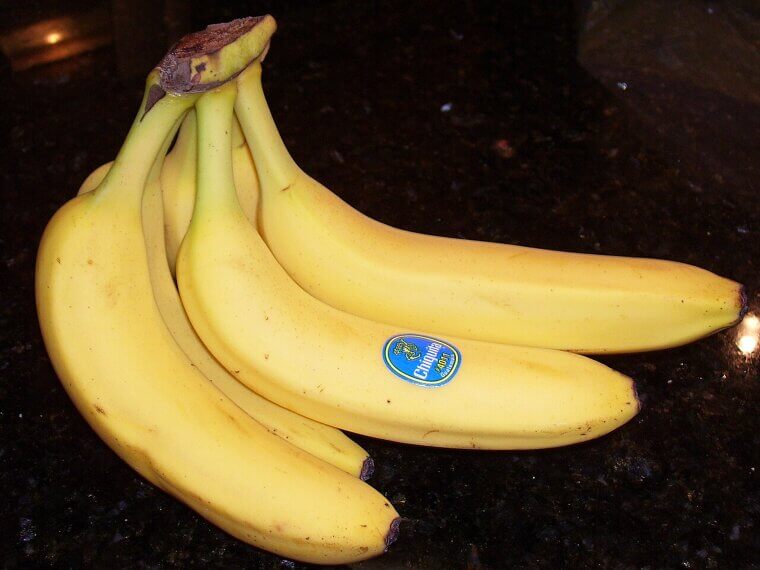
Bananas ripen quickly, as they also produce ethylene gas. When stored in sealed plastic bags, the gas gets trapped, speeding up the ripening process even further. The limited airflow also promotes mold growth. To improve longevity, keep your bananas at room temperature instead. You can also slow down ripening by refrigerating them. Although the peel will turn black, the fruit inside remains fresh for much longer.
Not Cooling Leftovers Before Refrigeration
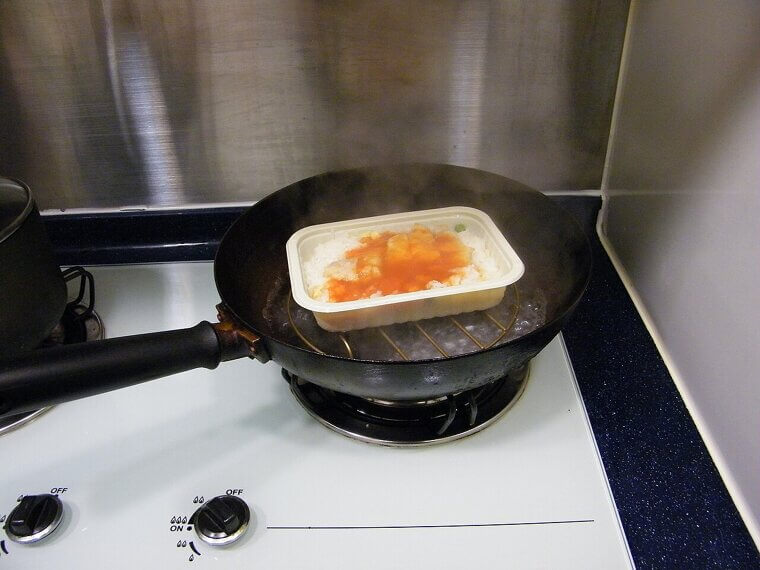
Placing hot food directly in the fridge raises its overall temperature, creating the perfect breeding ground for bacteria. To avoid this, be sure to let your leftovers cool to room temperature before placing them into the fridge. You can also divide large portions into shallow containers in order to speed up cooling. This habit prevents contamination, keeps food safe and helps the fridge maintain its ideal temperature.
Using Damaged Containers
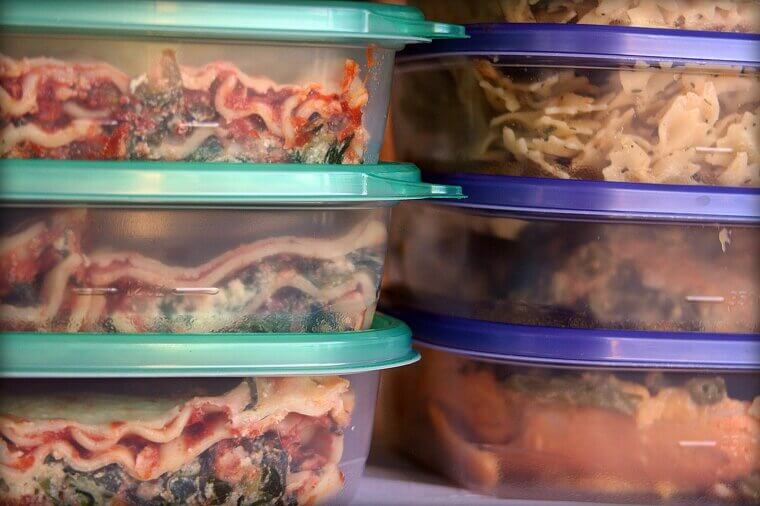
Cracked or broken containers let air, moisture and bacteria get into stored goods. This speeds up spoilage and contamination, making the food unsafe to eat. Even small cracks can affect freshness, making it essential that they are replaced with airtight alternatives. Glass jars, sturdy plastic bins and metal tins are good options. Proper storage helps to prevent waste, keep food quality high and protect against pests. On the other hand, ignoring container damage can result in food wastage and money loss.
Storing Tomatoes in the Fridge
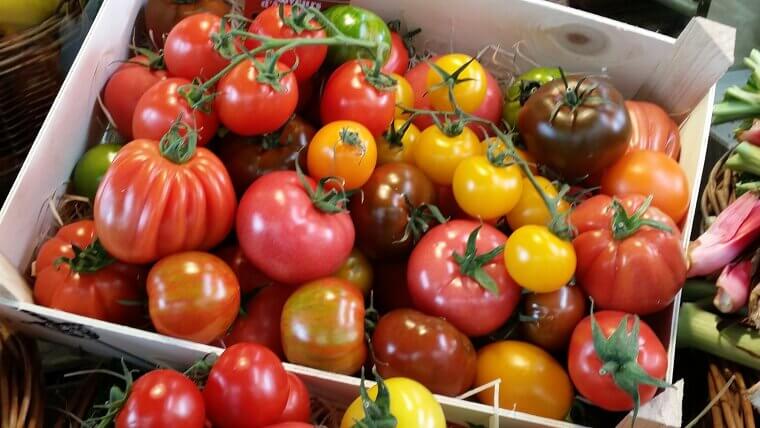
Tomatoes lose their flavor and texture when stored in the fridge. To be more specific, the cold temperatures harm their delicate cell structure, making them dry and bland. To avoid this, keep your tomatoes at room temperature and away from direct sunlight. If they are very ripe and you want to slow down spoilage, you can also refrigerate them for a short time - just make sure to bring them back to room temperature before eating.
Forgetting to Rotate Stock
Placing new groceries in front of older ones causes people to forget about the older items, leading to unnecessary spoilage. This simple mistake results in food wastage. To avoid this, use a “first in, first out” system by moving older items to the front and putting new ones behind. Regularly check expiration dates and focus on using products that will expire soon. Rotating stock keeps food fresh and will save you money in the long run.
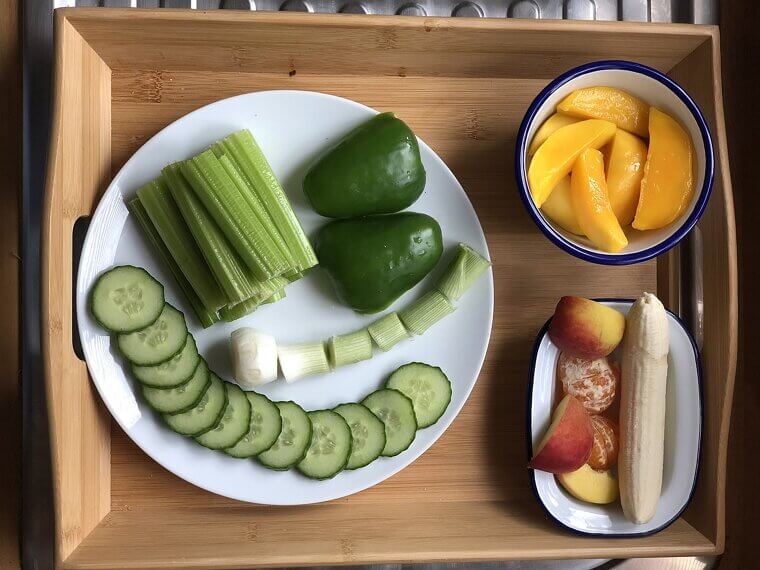
Leaving Cheese Unwrapped
If left exposed, cheese dries out very quickly, leaving it hard, cracked and moldy. Once you are finished using your cheese, be sure to wrap it in plastic, as this will trap any moisture and prevent bacteria growth.
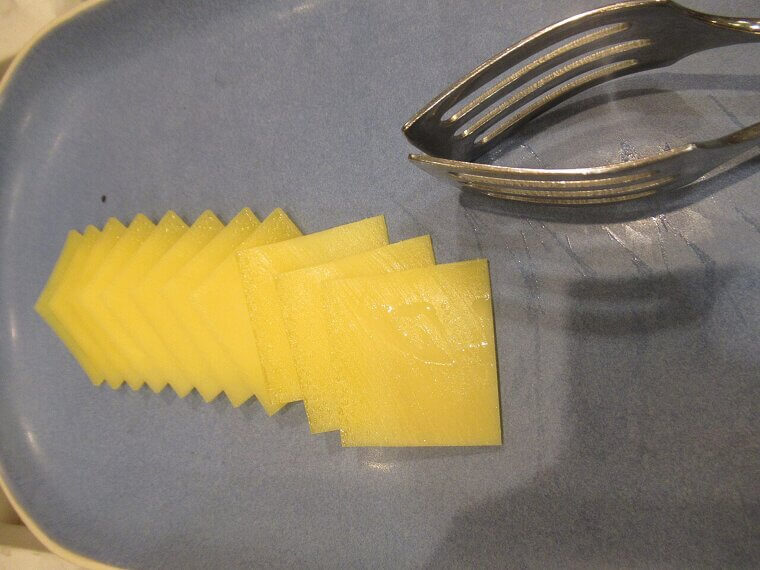
Storing Herbs Without Moisture Control
Fresh herbs wilt quickly without proper moisture control. Storing them loosely in the fridge causes them to spoil quickly, leading to food and money wastage. Instead, wrap the herbs in damp paper towels and put them in breathable bags or jars with water. This keeps them hydrated and fresh for longer. In fact, good storage can extend their freshness for up to a week.
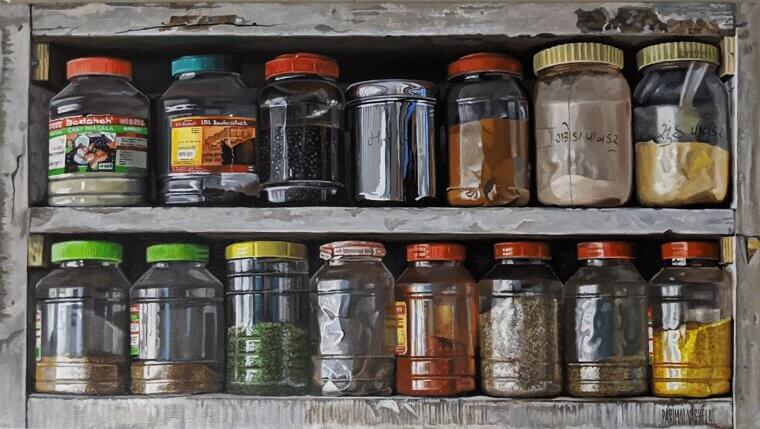
Not Sealing Dry Goods
Dry goods, such as flour, rice and cereal, absorb moisture and odours if left unsealed. Using airtight containers prevents contamination, keeps them fresh and extends their shelf life, leading to less food wastage. On top of this, proper sealing preserves flavors and texture, ensuring that your food tastes good for as long as possible.
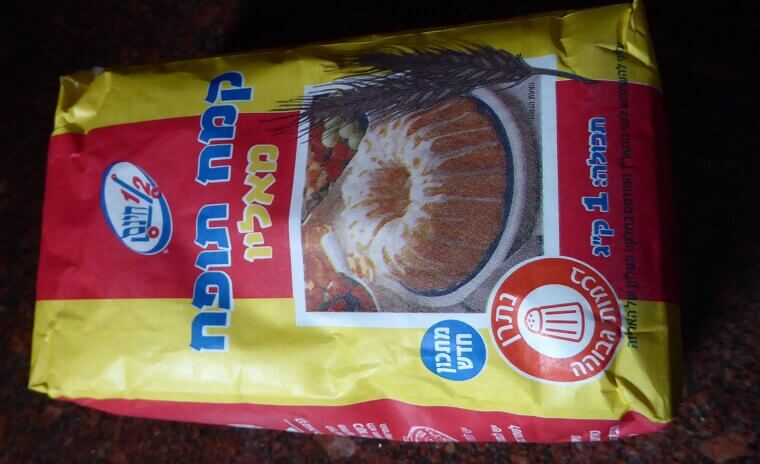
Ignoring Fridge Temperature Settings
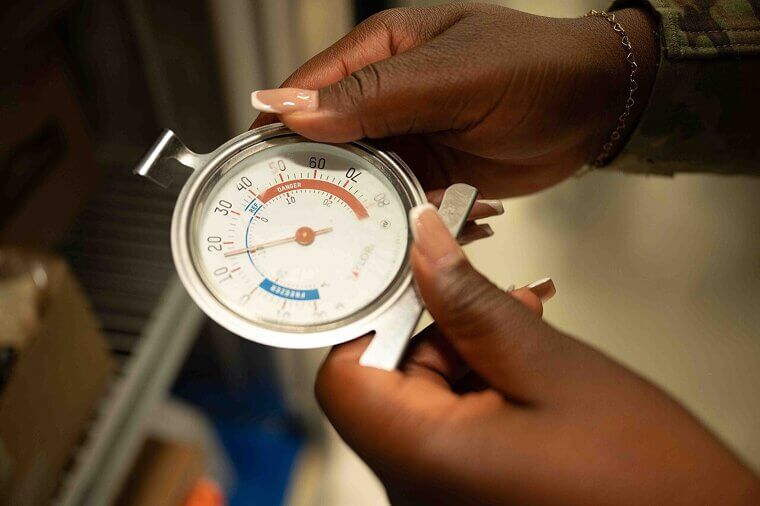
If your fridge is set above 4 degrees Celcius (or 40 degrees Fahrenheit), bacteria growth will cause your food to spoil more quickly. Despite this, many homeowners overlook the importance of proper temperature calibration. Keeping the fridge cold enough preserves freshness, extends shelf life and reduces the risk of foodborne illness.