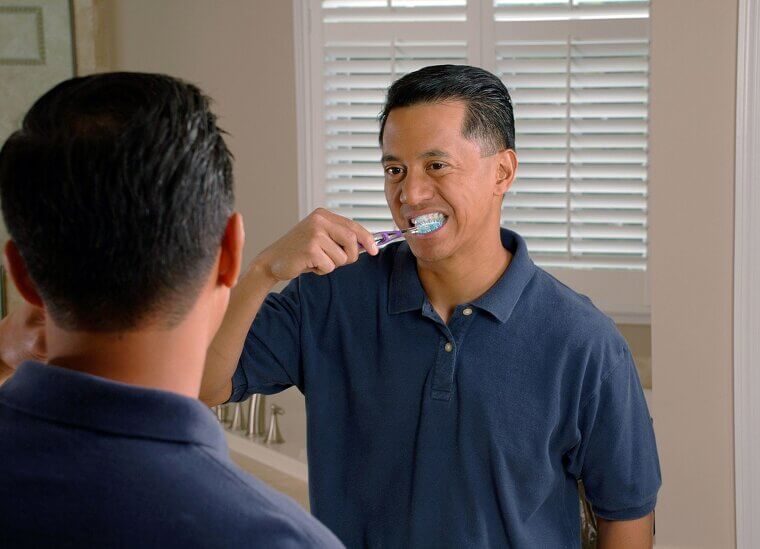
Turn Off the Tap While Brushing Your Teeth
Mindful consumption, even in the smallest daily acts, highlights a key difference in resource awareness. Consider the simple act of brushing your teeth. Many younger individuals habitually leave the tap running for the full two minutes recommended by dentists. This seemingly small oversight results in the waste of nearly four gallons of potable water per session, potentially squandering hundreds of gallons monthly in a single household. Our generation learned to conserve out of necessity and cost-consciousness. The simple habit of turning off the tap immediately after wetting the brush and turning it back on only for the final rinse is a practical lesson in environmental responsibility and utility savings. This disciplined habit preserves precious water resources and reduces the energy required by the municipal system to treat and pump that water, proving that resource stewardship starts right at the bathroom sink.
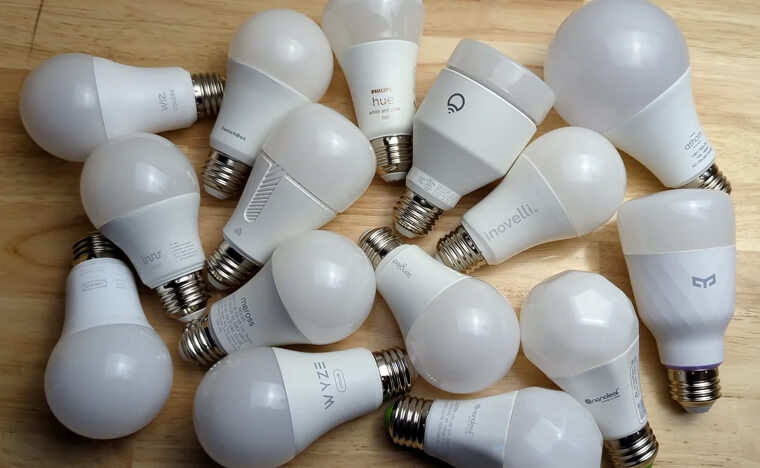
Switch to LED Light Bulbs
By now, everyone should know that LED bulbs are superior when it comes to saving electricity. In fact, by swapping out your incandescent bulbs with LED ones, you can save up to 80% on your monthly electricity bill! More so, LEDs are usually brighter, making them the obvious choice.
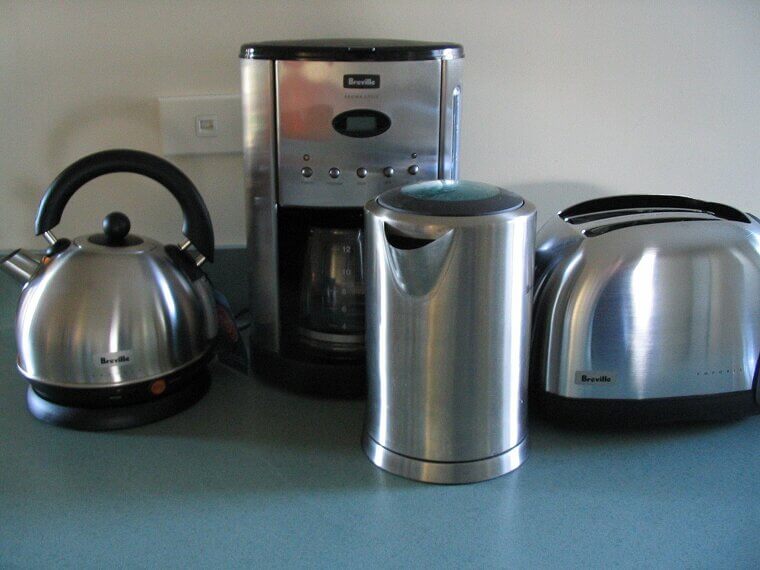
Unplug Idle Devices
One way in which many of us waste electricity is by leaving devices plugged in and charging, even when we aren't actually using them. If you make a habit of unplugging a device after you are finished with it, you will save a fortune on your utility bill. This even includes your TV, kitchen appliances, etc.
Timing Your Laundry
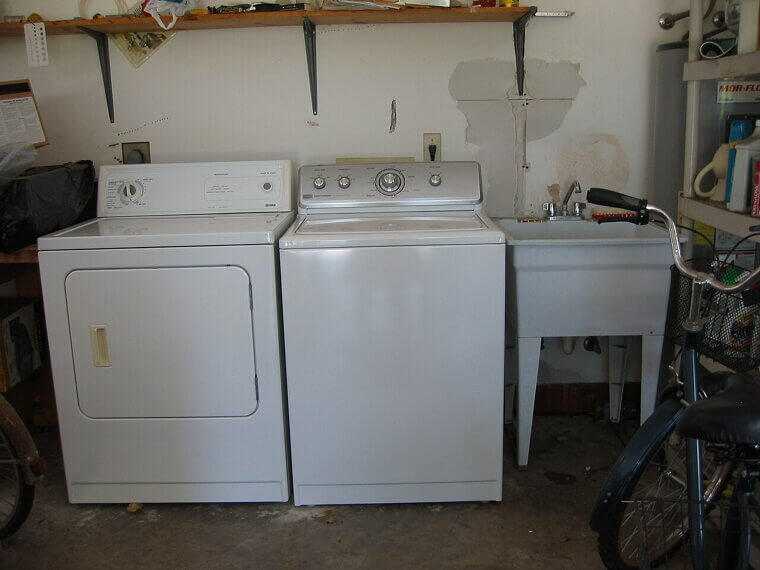
The washing machine is a massive electricity user. For this reason, it's always best to wash only when you have a full load. Moreover, by washing your clothing in cold water, the machine will use less electricity because it no longer has to heat up first.
Air-Dry Clothes
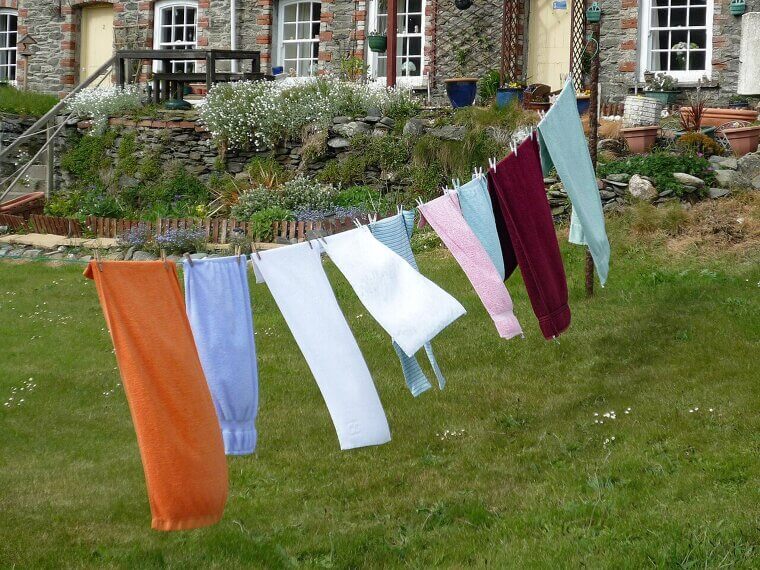
The tumble dryer is another machine that uses heaps of electricity. What's worse, it's actually a pretty obsolete machine, since you can dry your clothes for free with sunlight. While using a washing line obviously requires more work, you will end up saving a small fortune on your energy bill every month.
Cook Smarter
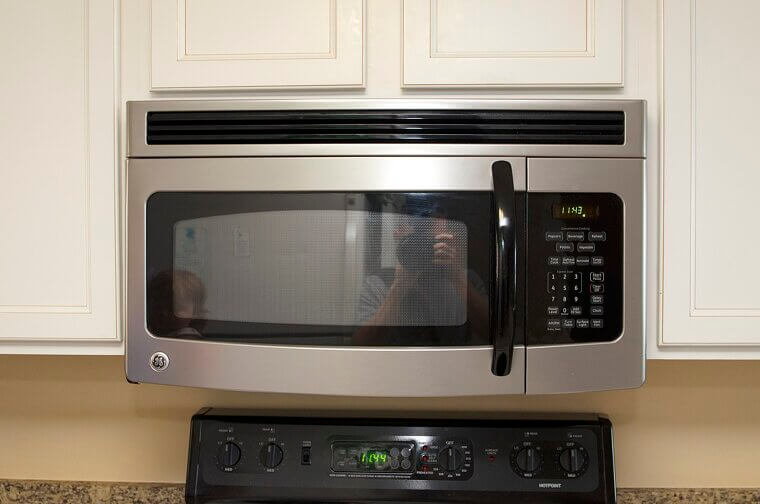
Does food really taste any different when cooked in the microwave or pressure cooker? Most of us wouldn't be able to tell the difference. However, you will notice that your electricity bill is a fraction of what it used to be. Preparing food in the microwave will cut cooking time in half.
Batch Cooking
When cooking, be sure to prepare meals in bulk. Not only will this save you time and effort in the coming days, but it will also help save a fortune on your electricity bill every month. By making a few days' worth of food in one go, you will only have to use the oven once, reducing electricity use.

Open Blinds in the Morning
One easy way to save money on your utility bill is to use natural light during the day. Instead of switching on the lights unnecessarily, simply open your blinds and use what is free. This obviously won't be possible at night or in the early morning, but it's important to use the sun when you can.
Close the Curtains at Night
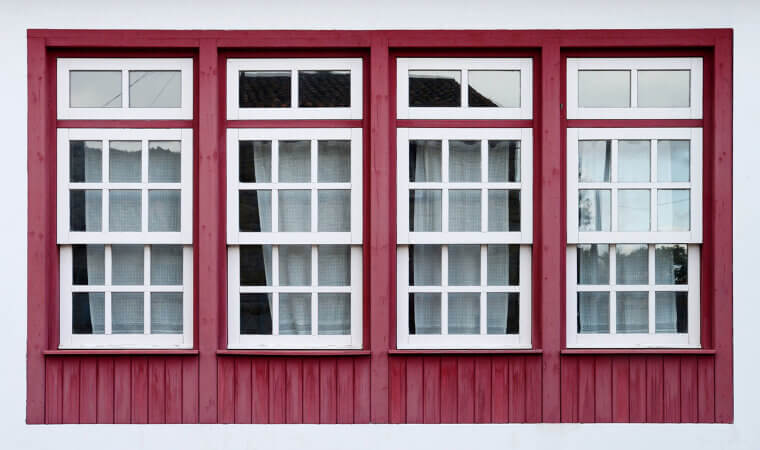
Be sure to close your curtains at night - especially during the winter months. They will act as an extra layer of insulation, trapping the heat in and keeping your home warmer for longer.
Use Appliances In Off-Peak Hours
Believe it or not, electricity actually costs more during peak hours (between noon and 6 PM). So, if you can, be sure only to use high-energy-consuming appliances, such as the dishwasher and washing machine, outside of these times.
Take Shorter Showers
This one is pretty self-explanatory. If you want to cut back on your monthly water bill, the first thing to do is take shorter showers. The average shower time is around 8 minutes, which uses a lot of water. By using your time efficiently, you should be able to get it down to 5 minutes or less.
Reuse Cooking Water
Another way to save water is to reuse cooking water for other household tasks. After all, boiled water is clean and perfectly safe to use. After letting it cool down, you could even use it to water your plants or clean dishes. While it may seem like a small change, every bit counts when it comes to saving money.
Collect Water in the Shower
Do you ever think about how much water you waste when you turn on the shower and wait for the water to heat up? Well, the answer is a lot. Luckily, you can reduce this wastage by collecting the water in a bucket and using it elsewhere around the house. It could be used for gardening, laundry, or even flushing the toilet.
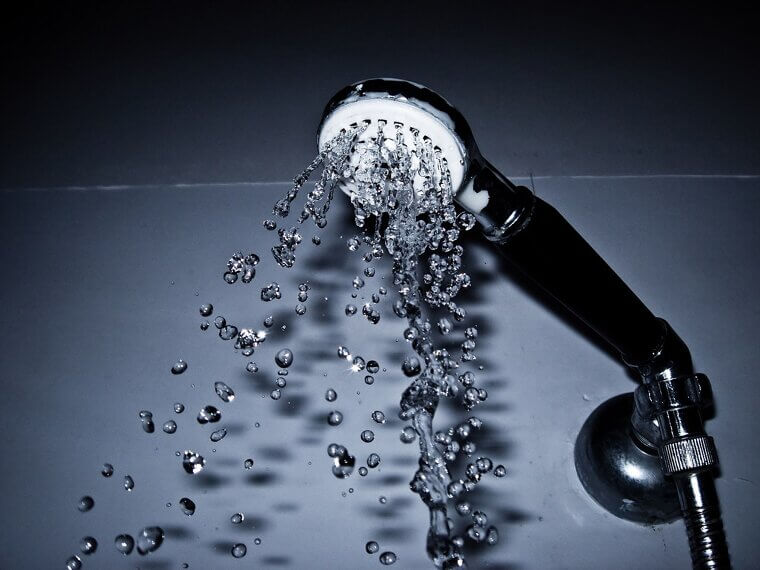
Dishwasher Discipline
One of the biggest money pits in the house is the dishwasher. Not only does it have a heating element, which uses a lot of power, but it also uses gallons of water per wash. To minimize its consumption, be sure to switch it on only when completely full. More so, switch the machine to eco-mode.
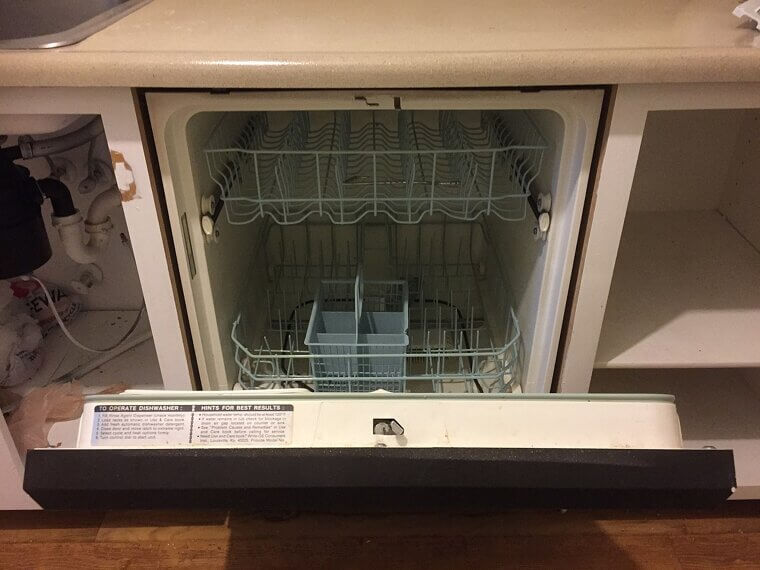
Reuse Greywater
While greywater obviously isn't suitable for drinking, cleaning dishes, or brushing teeth, it can still be used for household tasks. To be more specific, laundry rinse water can be used for gardening and flushing toilets. You would be surprised just how much water the average household uses on these two simple tasks.
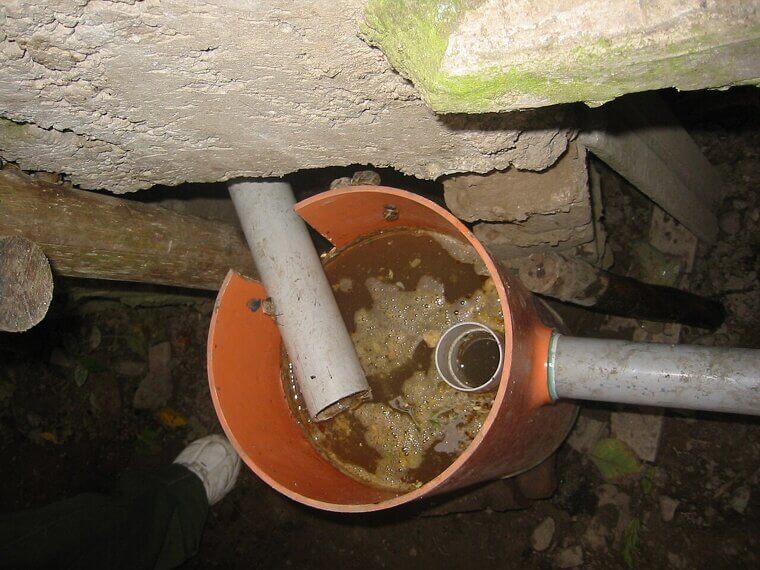
Layer Clothing Indoors
If you really want to save money on your electricity bill, avoid using the heater at all costs. Instead, wear as many layers of clothing as needed to keep warm. Additionally, you could make a good old-fashioned fire - if you have a fireplace, of course.
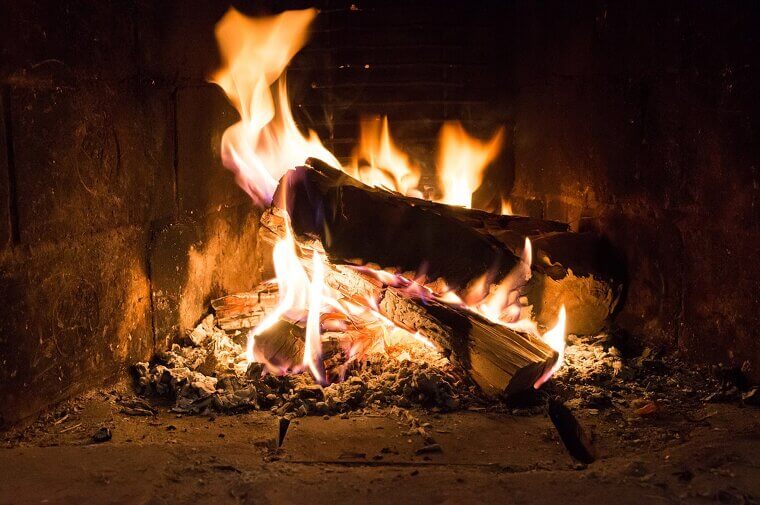
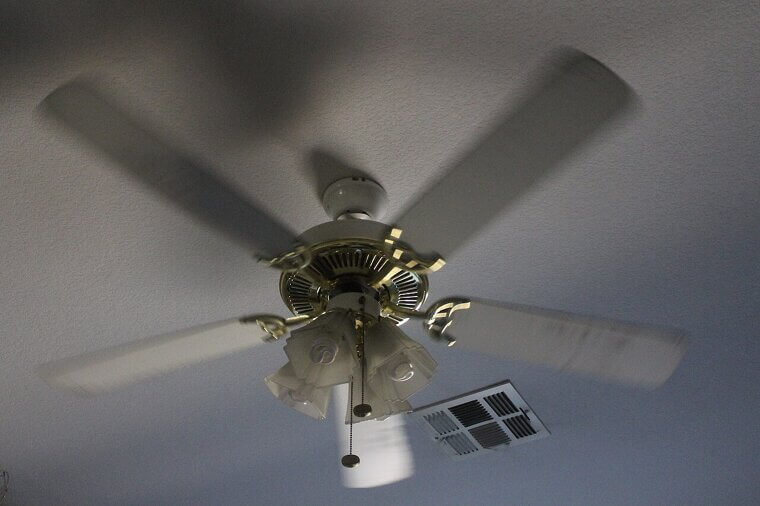
Reverse the Direction of Your Ceiling Fan
By changing the direction of your ceiling fan, you will notice a significant difference in the heating and cooling of your home. It should rotate counterclockwise in summer and clockwise in winter. This will draw warm air up and push it down, respectively, helping keep the room at a comfortable temperature and reducing the need for a heater or AC.
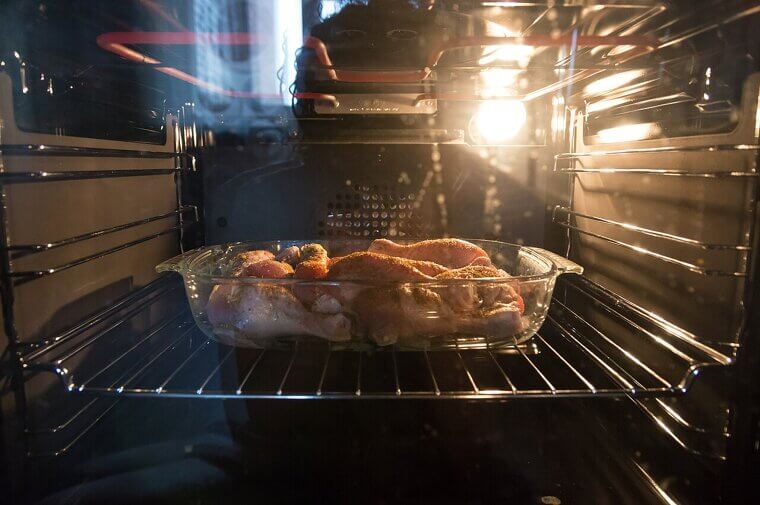
Cook in the Evening
You would be surprised just how much an oven can boost the temperature of the entire room. For this reason, always avoid cooking during the day, especially in the summer months.
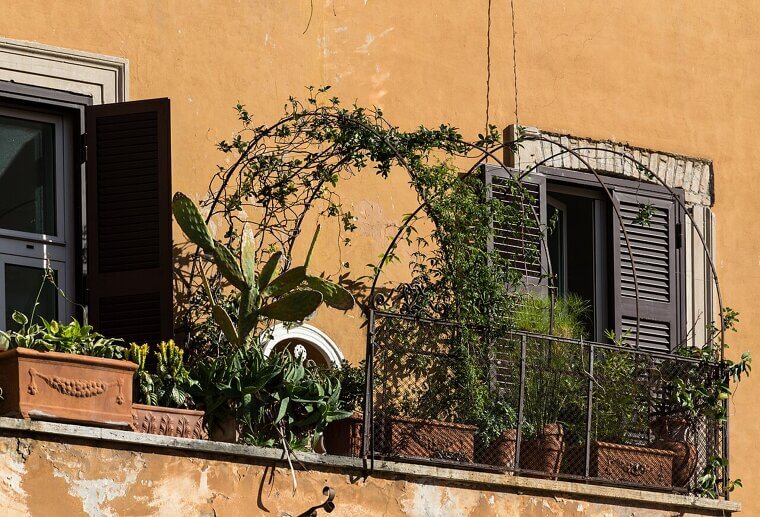
Open Windows Strategically
Opening the windows can make a massive difference in improving a room's overall ventilation and temperature regulation. So, instead of using the heater during winter, simply seal your windows tightly. On the other hand, open your windows during the hot summer months.
Heating and Cooling Zones
If you insist on using a heater or AC, be sure to heat and cool your house only by zone. In other words, only heat/cool the room that you are currently in.