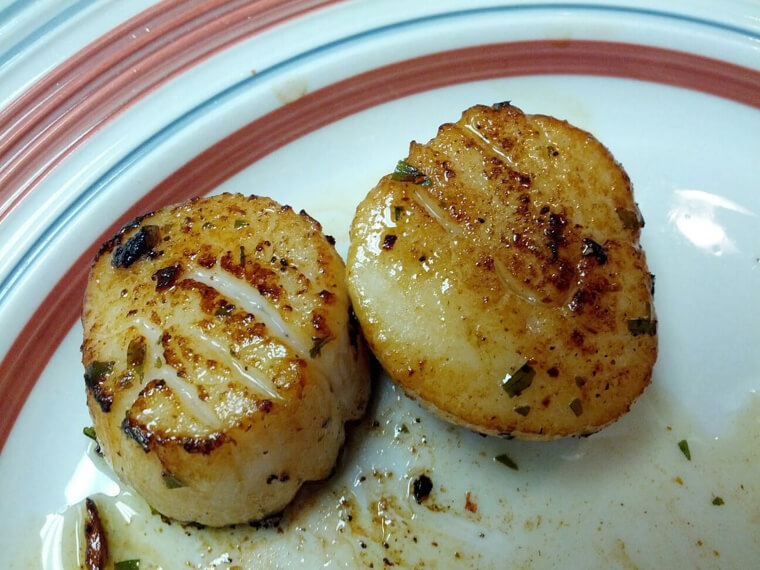
Scallops That Aren't Scallops
Seafood lovers often order scallops as a sophisticated choice, but some unscrupulous restaurants have been known to use a process called "plugging" to create fake scallops. This involves using a circular metal cutter to punch out rounds of meat from cheaper fish, such as stingray wings or shark. These "scallops" are then soaked in chemicals to give them a sweeter taste and a more uniform texture before being seared and served. While this practice is less common in high end establishments, it remains a risk in budget friendly seafood joints. A diner who pays for the delicate flavor of a sea scallop but unknowingly receives a chemically treated piece of ray often feels a deep sense of betrayal. Knowing that your luxury seafood dish is actually a processed imitation is one of the quickest ways to trigger lasting restaurant regret.
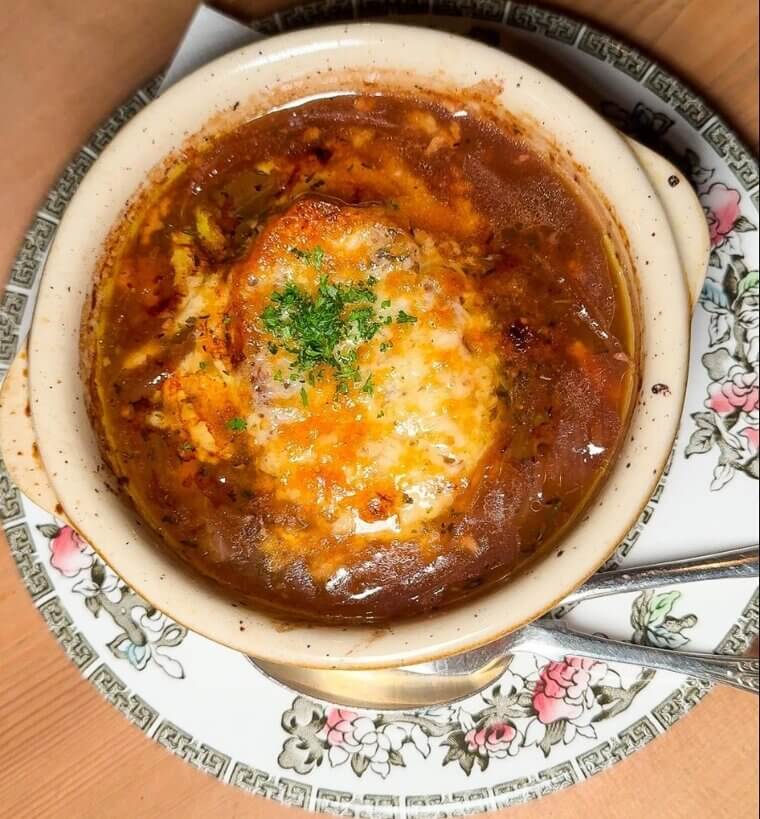
The Not So Fresh Soup Du Jour
The "Soup of the Day" is often marketed as a chef’s special creation, but in many kitchens, it is actually a clever way to minimize food waste. Many professional chefs admit that the soup du jour is frequently made from the previous day’s leftover scraps or aging vegetables that are no longer fresh enough for a standalone dish. If a restaurant featured roast chicken on Monday, you might find a creamy chicken vegetable soup on the menu by Tuesday. Furthermore, these soups often sit in large industrial steam wells for hours on end, which can compromise both the texture and the nutritional value. Diners who learn that their "fresh" starter is essentially a collection of reheated leftovers often regret the high price tag associated with what is effectively a kitchen cleanup tool.
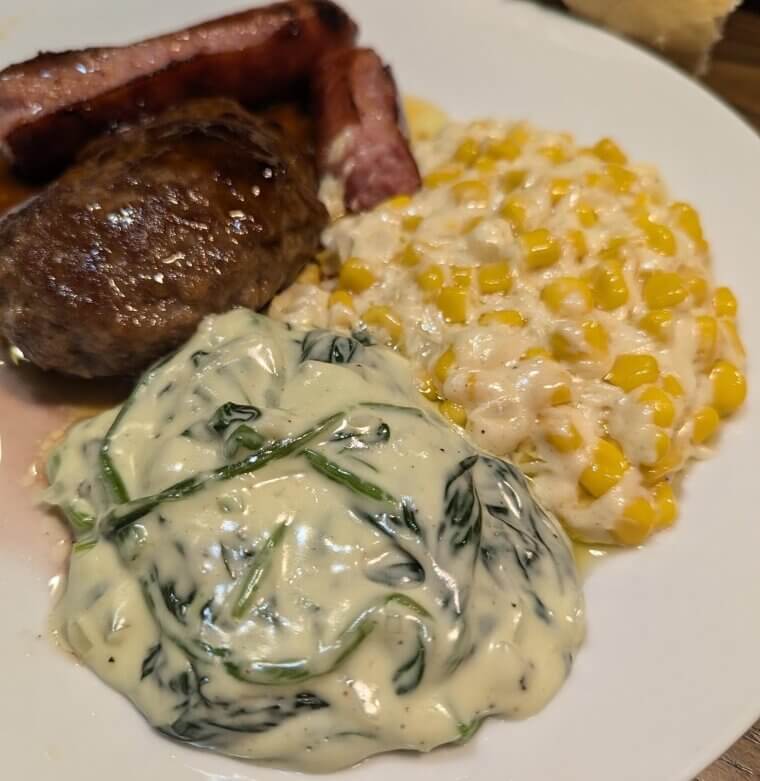
Heavy Cream and Butter Bombs
People often wonder why restaurant food tastes significantly better than home cooked versions, and the answer is usually a staggering amount of hidden fats. In a professional kitchen, butter and heavy cream are used in nearly everything from sautéed vegetables to simple pan sauces. A single order of a seemingly basic pasta dish or a mashed potato side can contain several sticks of butter or a full cup of heavy cream. Chefs use these ingredients as flavor enhancers to ensure customer satisfaction, but they rarely disclose the caloric impact. Once a diner realizes that their "healthy" grilled fish is actually swimming in a butter based emulsion, the regret often sets in. The sheer volume of saturated fat used to create that restaurant quality silkiness is far beyond what most people would ever consider using in their own kitchen.
The Deceptive Health of Restaurant Salads
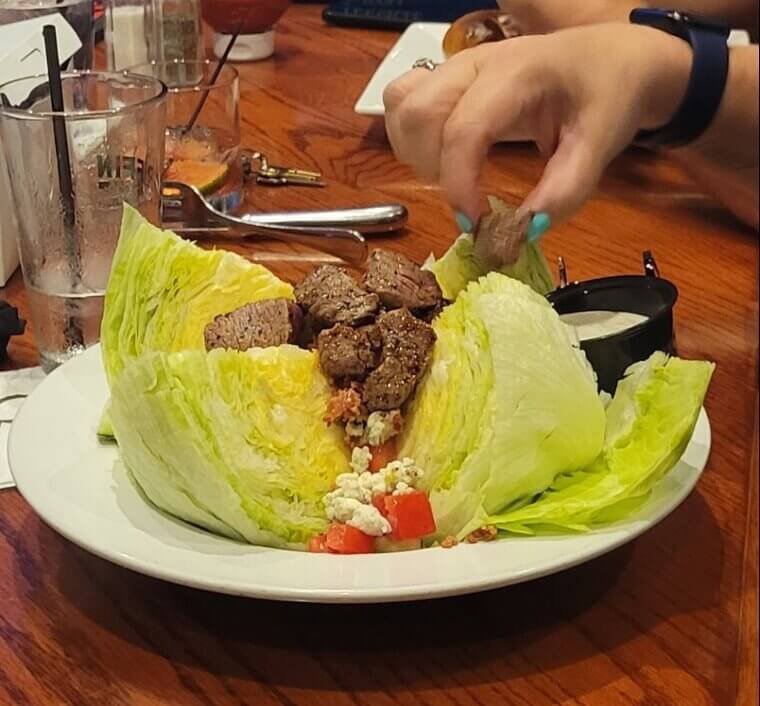
Ordering a salad feels like a responsible choice, but many restaurant versions are calorie bombs disguised by a bed of greens. The regret usually stems from the "hidden" ingredients used to make the salad palatable, such as high sugar dressings, fried wonton strips, candied nuts, and heavy cheeses. A classic Caesar salad, for instance, is often loaded with a dressing made of egg yolks, oil, and parmesan, which can easily push the meal past 1,000 calories. Additionally, some kitchens use heavy dressings specifically to mask the fact that the lettuce and vegetables are not at their peak freshness. When diners find out that their "light" lunch actually contains more sodium and sugar than a double cheeseburger, the perceived health benefits vanish instantly, leaving behind only the regret of a missed opportunity for a more satisfying meal.
Spinach Artichoke Dip and Other Creamy Appetizers
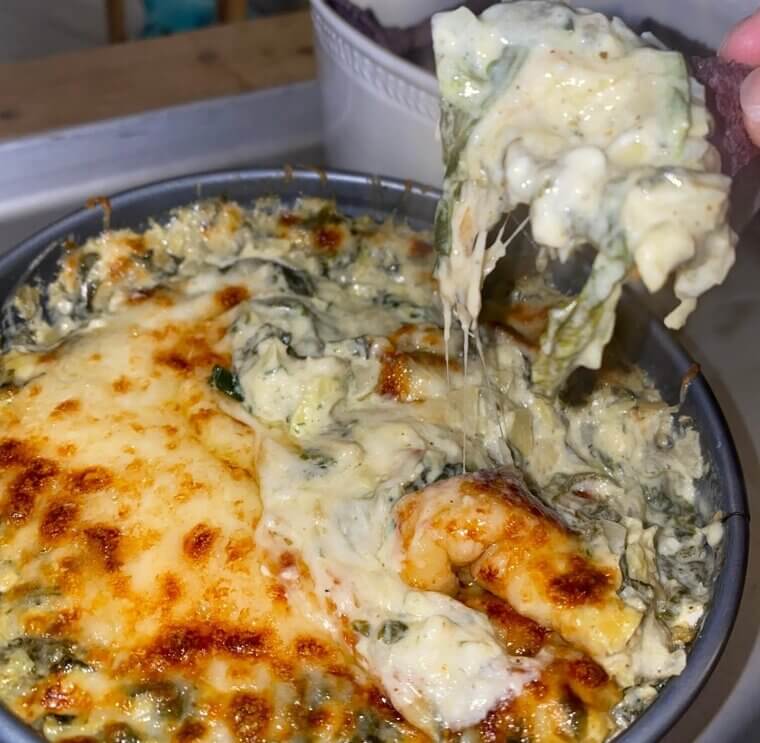
Spinach artichoke dip is one of the most popular appetizers on American menus, but its name is highly misleading. While it contains two vegetables, the primary ingredients are almost always cream cheese, sour cream, mayonnaise, and a heavy blend of melted cheeses. A standard serving of this dip can contain upwards of 1,600 calories and a massive amount of sodium, often exceeding a person's recommended daily limit before the main course even arrives. Because it is served with fried chips or buttered bread, the nutritional cost is even higher. Diners who think they are getting a "vegetable based" start to their meal are often shocked to learn that the spinach is a minor player in a sea of processed dairy. This realization turns a favorite comfort food into a source of immediate post-order regret.
Pre-Made and Frozen "Signature" Desserts
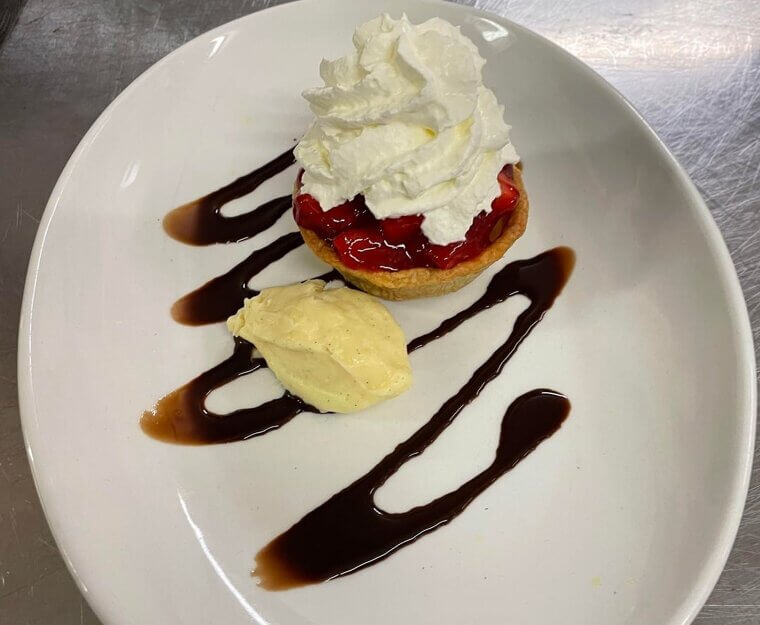
Many diners save room for a "signature" dessert, assuming it was prepared from scratch by a pastry chef. However, in many chain restaurants and even some mid-range independent spots, these desserts arrive frozen in large crates from industrial suppliers. Items like lava cakes, cheesecakes, and fruit tarts are often "heat and serve" products that contain high amounts of preservatives and artificial stabilizers to ensure they look perfect after months in a freezer. When you pay ten dollars for a slice of cake that was defrosted in a microwave and garnished with a sprig of mint, the value proposition disappears. Learning that the "homemade" tart is actually a mass produced product from a factory can leave a bitter taste in a diner's mouth, especially if they passed up a truly fresh option for what turned out to be an industrial snack.
The Sodium Content in "Healthy" Wraps
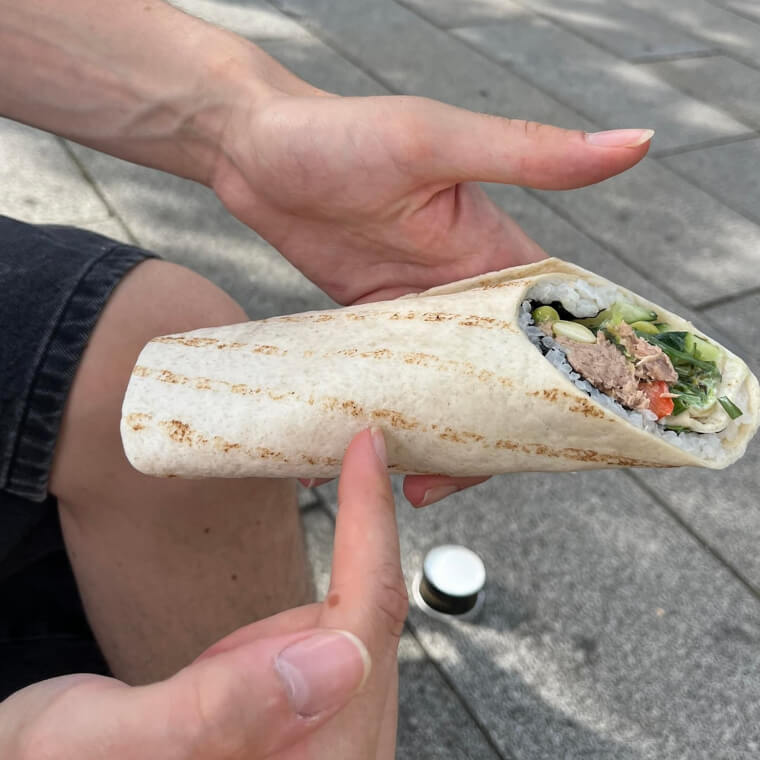
Wraps have a "healthy halo" effect that leads people to believe they are a low carb alternative to a traditional sandwich. In reality, the large flour tortillas used for wraps are often more calorie dense and contain more refined carbohydrates than two slices of standard bread. Furthermore, to prevent the wrap from falling apart, restaurants often use high amounts of sodium and shelf stabilizers in the tortilla itself. The fillings are then often tightly packed with extra sauces to keep the interior from becoming dry. A diner who orders a turkey wrap to "save calories" might actually be consuming more salt and sugar than if they had ordered a traditional club sandwich. Once the nutritional data is revealed, the wrap is often seen as a deceptive choice that offers none of the health benefits the diner was originally seeking.
Reused Bread and Dirty Garnish
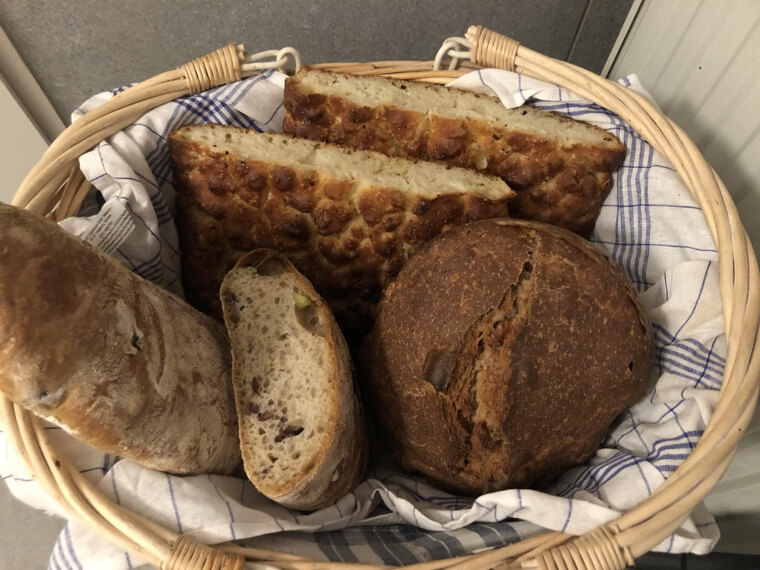
While not an ingredient in the traditional sense, the handling of bread and garnishes is a common source of restaurant regret. Many former servers and kitchen workers have admitted that bread baskets which are not finished by one table are sometimes recycled and served to the next. Similarly, lemon wedges and other garnishes for drinks are often handled with bare hands and may sit in uncovered containers near prep stations. Studies have shown that these garnishes are frequently contaminated with bacteria from improper handling. Diners who learn that their "complimentary" bread may have been on someone else's table or that their lemon slice is a magnet for germs often regret ever touching them. This behind the scenes reality is a stark contrast to the polished image restaurants present in the dining room.
The Fake "Truffle" Oil Scam
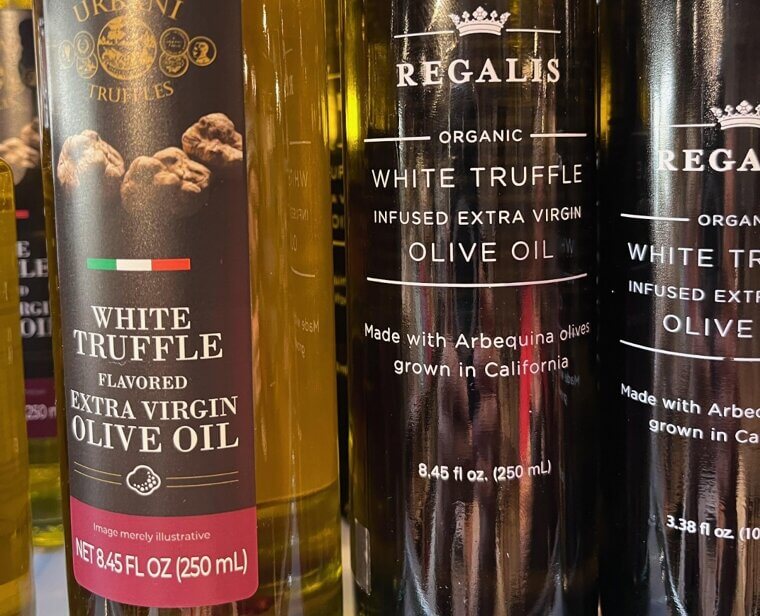
Truffle fries and truffle pasta are common luxury items on modern menus, but the "truffle oil" used to flavor them rarely contains any actual truffles. Most commercial truffle oil is a synthetic product made from olive oil or grapeseed oil infused with a chemical called 2,4-dithiapentane. This chemical mimics the pungent aroma of truffles but lacks the complexity and health benefits of the real fungus. Chefs often use this cheap synthetic oil to justify a significant price markup on basic dishes like fries or mac and cheese. When diners find out they are paying a premium for a laboratory created chemical rather than a rare earth grown delicacy, they often feel cheated. The regret comes from realizing that the "gourmet" flavor they enjoyed was actually an inexpensive aromatic trick designed to inflate the final bill.
The Sugar in "Savory" Glazes and Sauces
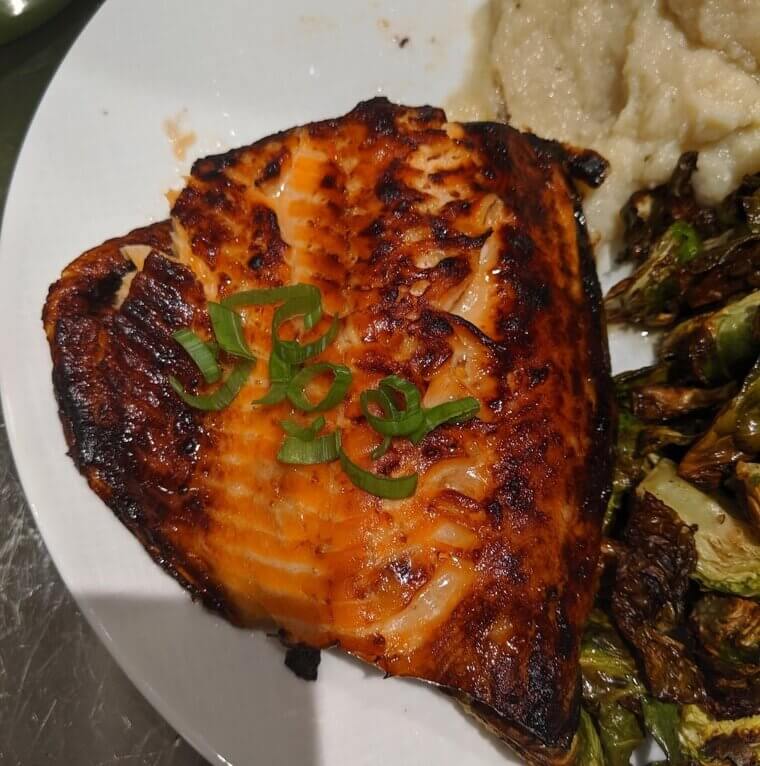
Many diners are surprised to learn that their favorite savory dishes, such as BBQ ribs, glazed salmon, or orange chicken, are packed with as much sugar as a dessert. Restaurants use high fructose corn syrup and refined sugars to create that addictive, glossy finish on meat and vegetables. A single serving of glazed ribs can contain more than 15 teaspoons of sugar, which is often hidden by the smoky or spicy profiles of the sauce. This "hidden sugar" is a major reason why restaurant meals are so much more hyper-palatable than home cooking. When a diner who is trying to watch their sugar intake realizes that their savory entree was actually a sugar bomb, the regret is significant. The lack of transparency regarding sugar in non-dessert items makes it difficult for consumers to make truly informed choices about their health.