Chicken Wings During Rush Hour
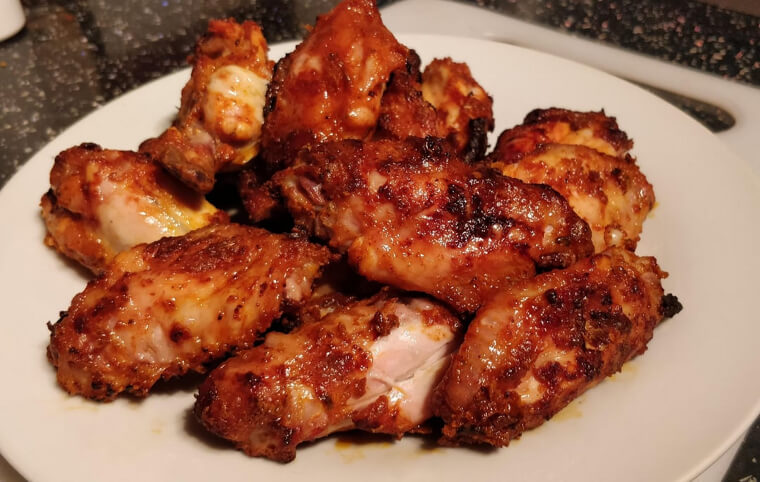
Wings are ordered faster than nearly any other dish. During busy periods, line cooks fry them twice, without resting them as long as they should have been, or simply use an old sauce. In some cases, wings are pre-cooked just to keep up with the orders.
The “Special of the Day” That No One Ordered All Week
When diners order the special, line cooks smile to themselves because they know that dish usually consists of old or leftover components the kitchen just wants out of the walk-in cooler or the freezer. There is nothing hazardous about it, just elements of the old produce or protein that have been on the shelf longer than they should have been.

Mussels Served Late in the Evening
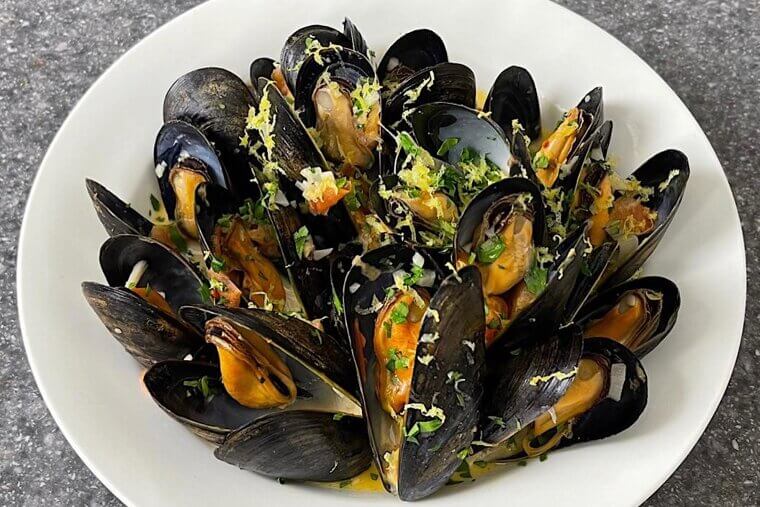
Chefs value seafood, but mussels at night always seem a bit like gambling. They are extremely delicate and must be very fresh. The problem with night service is that the mussels have been sitting in a refrigerated environment all day, and sometimes the smell is telling.
The All-You-Can-Eat Salad Bar Items
Most people perceive a salad bar as a bastion of freshness, though cooks can attest to how frequently some of those ingredients just get topped instead of replaced, like cucumber mixed with cucumbers from the day before, and pasta salad getting mixed yet again.
Hollandaise Sauce in a Busy Brunch Place
Hollandaise is delightful but delicate. It requires care, a consistent temperature, and attention. During busy brunch times, this sauce goes through a lot of stress. Some of it is reheated, and some stretched past its normal length of time. Cooks understand the realities that happen in a kitchen when it is slammed, and they skip anything with Hollandaise sauce.

Chicken Parmesan in Places That Barely Sell Italian Food
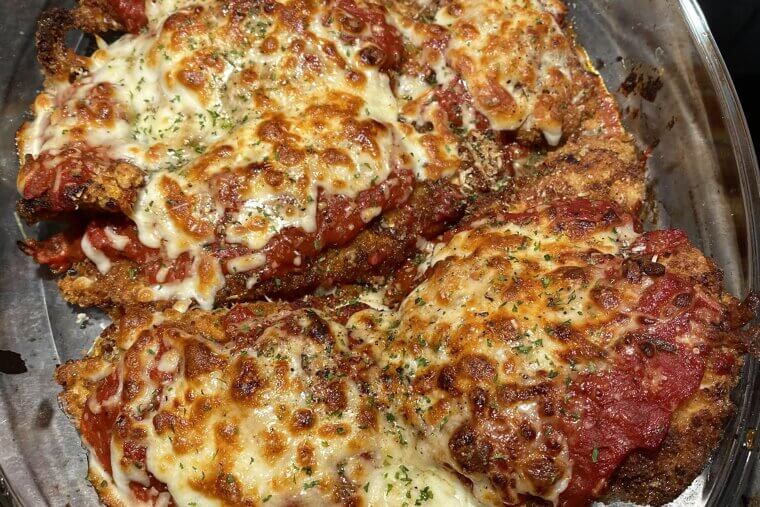
When a restaurant features just one or two Italian items, chefs are aware that ingredients are going to sit longer than they should. The chicken meat is okay, but the sauce, cheese, and breadcrumbs typically have not been rotated with the frequency you’d expect from a real Italian restaurant.
Fish on Mondays
Chefs follow a sort of unwritten rule: do not order fish on Mondays. Fresh delivery comes between Tuesday and Sunday. While Monday’s seafood is still presentable, it has just spent way too long sitting on the counter over the weekend. There is nothing spoiled, but it just may not be the best it could be.
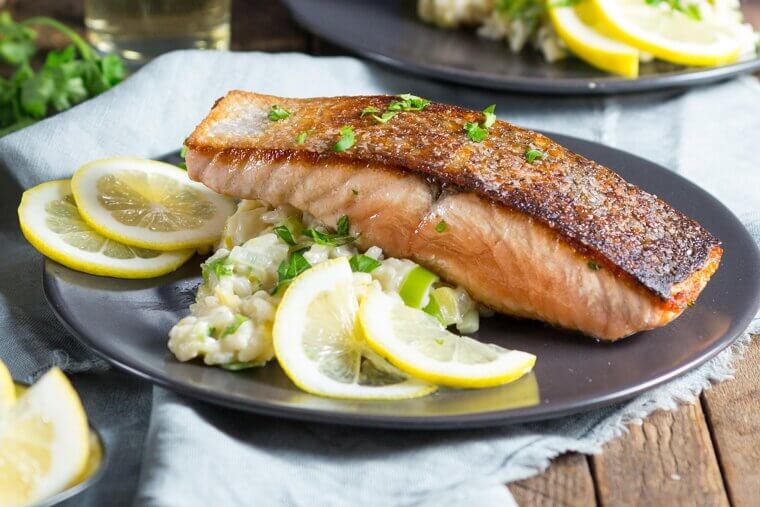
Anything With Discount Oysters
Oysters are either really fresh or a risk. When an establishment has a discount on oysters, the assumption in any kitchen is that the oysters have been in-house too long. The oysters still meet health inspection standards, but the flavor and overall texture would’ve changed.

Smoothies From Places That Use Pre-Prepped Fruit Cups
Fruit cups are little more than fruit that simply look too soft or bruised to serve fresh. Chefs know the sorting that goes on behind the scenes, and they know just what is in those mixes. They are not bad for you, it's just simply fruit that has lived its life.

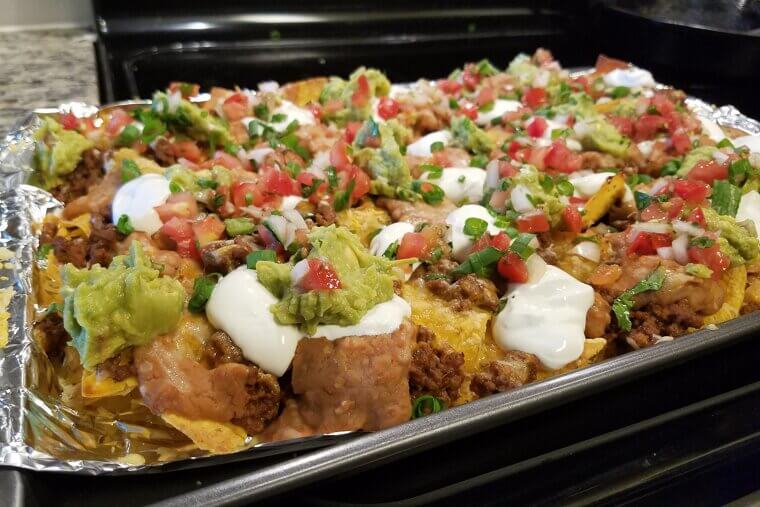
Nachos During the Busiest Moments
Nachos may seem harmless, but they are the first appetizer rushed out. Chips are fried from leftover broken pieces, cheese is heated unevenly, and toppings are slapped on as fast as they can be. When the kitchen gets busy, nachos can easily become a sloppy, soggy mess, and the cooks know this.
Fancy Cocktails With Too Many Garnish Elements
Those lovely cocktails garnished with fruit wheels, herbs, and sugared rims are certainly eye-catching, but for all their appeal, line cooks know how long those garnishes actually last. Citrus fruits dry out, herbs wilt, and sugary rims get soggy the longer they sit. The bartender will try to keep things fresh, but on busy nights, it is difficult.

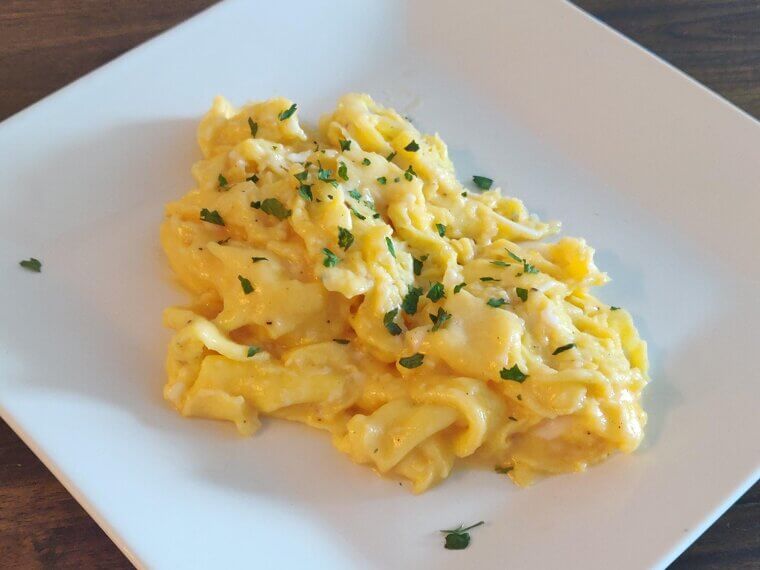
Buffet Scrambled Eggs
Most cooks are aware that boiled eggs are frequently prepared in large batches and allowed to sit in warming trays far longer than would be ideal. They dry out, then become watery at the bottom, with weird lumps on top. They may be stirred to make them look like they are fresh, but the cooks have already figured that out.
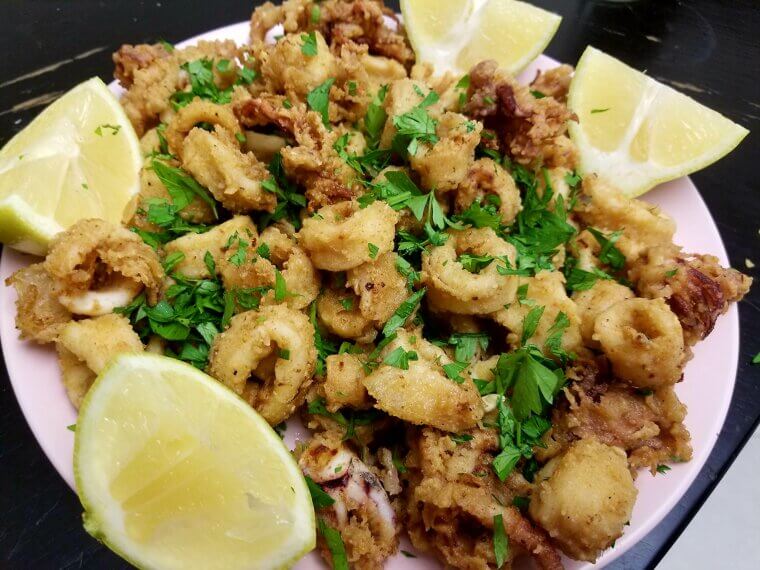
Calamari From Places That Rarely Serve Seafood
Calamari requires fresh treatment, but in restaurants that do not serve seafood regularly, the frozen rings might be sitting for months. With overloaded fryers, the coating is heavy, and it’s greasy. The cooks can literally tell from one bite that the calamari had been in a box for a long time.
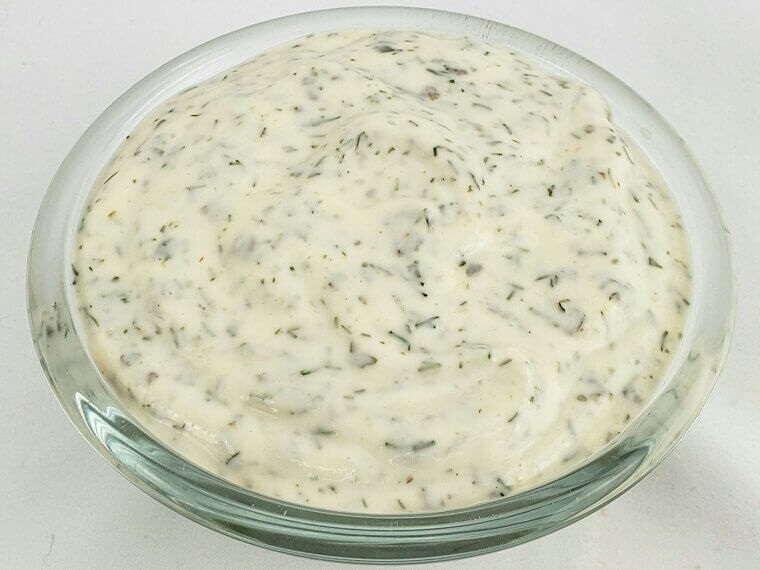
House-Made Ranch in Pubs With Tiny Prep Teams
The taste of fresh ranch dressing is phenomenal, but in busy or understaffed pubs, it ends up being mixed up in large batches, stretched with extra ingredients, and held onto longer than it has been advertised. Chefs see the big container in the refrigerator and know that the rotation schedule is not as strict as the restaurant claims.
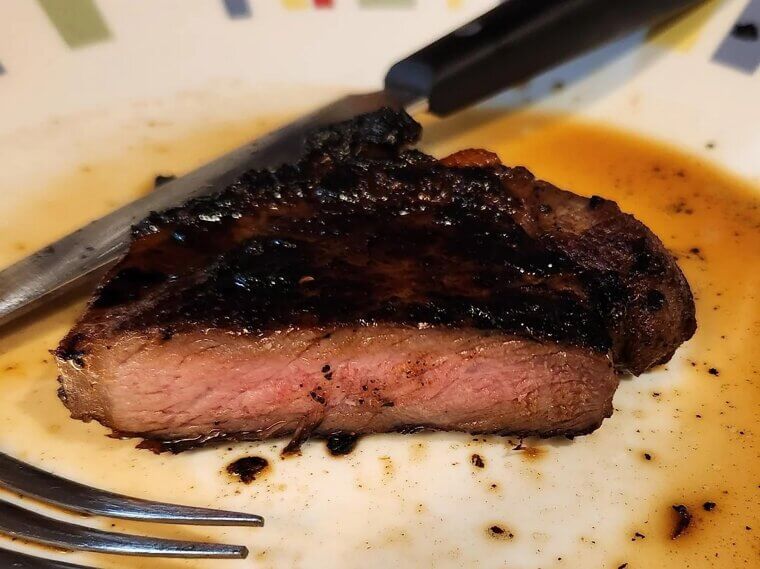
That Suspiciously Cheap Steak on the Menu
When a restaurant advertises a steak at a price that seems too good to be true, chefs realize there is a reason. The steak is likely an older cut, or a thin piece, or a grade that barely qualifies as a steak. In kitchens, these are very often tenderized heavily to make them at least somewhat passable.
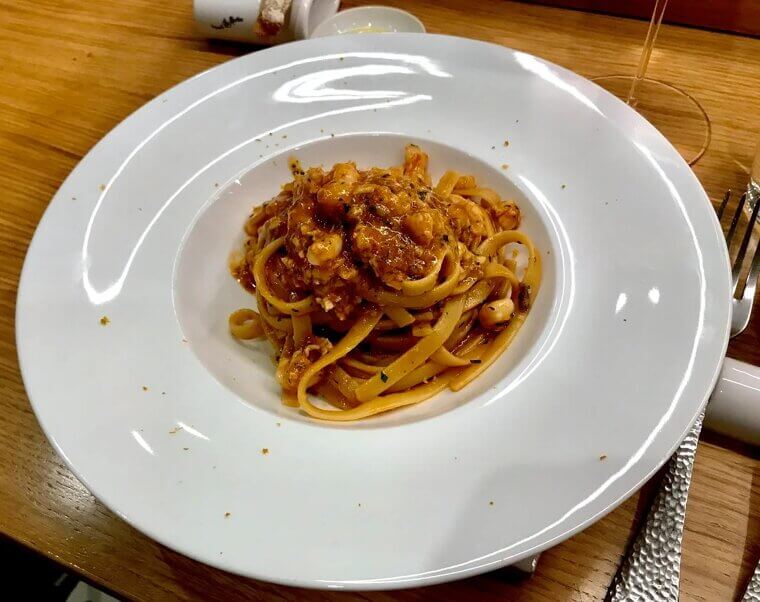
Pasta in Restaurants That Barely Sell Pasta
In restaurants that do not identify as pasta restaurants, chefs have learned that pastas and sauces can go for long periods without coming into contact with each other or their potential customers. One will put marinara in the re-thermalizer to be heated for hours and be reheated again, and again, with the Alfredo separated if it has been left sitting.
Desserts That Look Too Perfectly Identical
When each slice, scoop, or square looks identical, cooks can tell the dessert probably came in frozen and thawed in bulk. Many places have a similar practice. Some have longer shelf lives or have been kept for too long prior to serving. This has an effect on the texture and brightness of flavor.

Milkshakes From Places That Reuse the Metal Cups
Chefs have witnessed how those cups are quickly rinsed rather than cleaned thoroughly if the kitchen is busy. Bits of previous flavors linger, and the cup sometimes goes straight back into action. It’s not that it’s unhealthy, it’s just not the clean freshness you might think it should be.

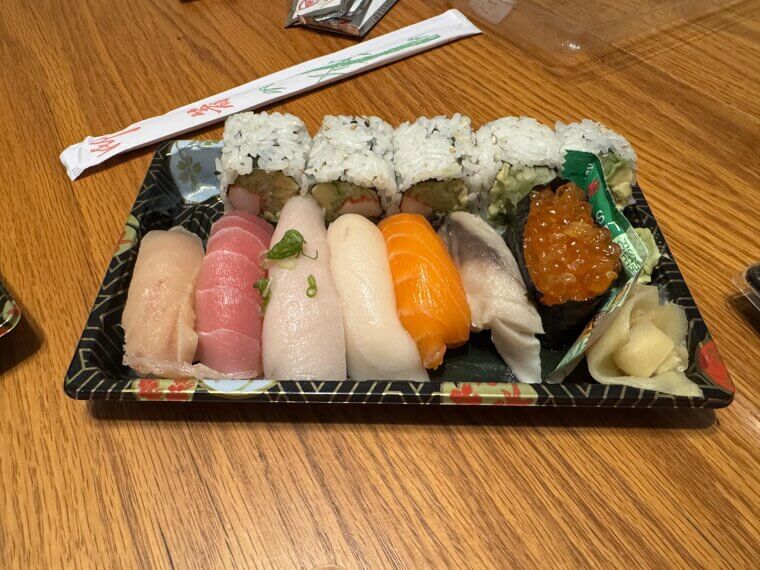
Sushi From Non-Sushi Restaurants
This is a significant issue. Everyone in a sushi restaurant understands the challenges of beautiful storage, timing, and knife work. Outside of a dedicated sushi restaurant, sushi ingredients tend not to get much use quickly enough, the rice gets stale, and the fish is often a day past its prime.
Soups That Come Out Suspiciously Fast
When soup shows up quickly, chefs know the soup has been put into a pot that's been simmering all day. Some kitchens just keep adding water or stock to make it last, so the flavor becomes a collage of whatever has been added since morning.