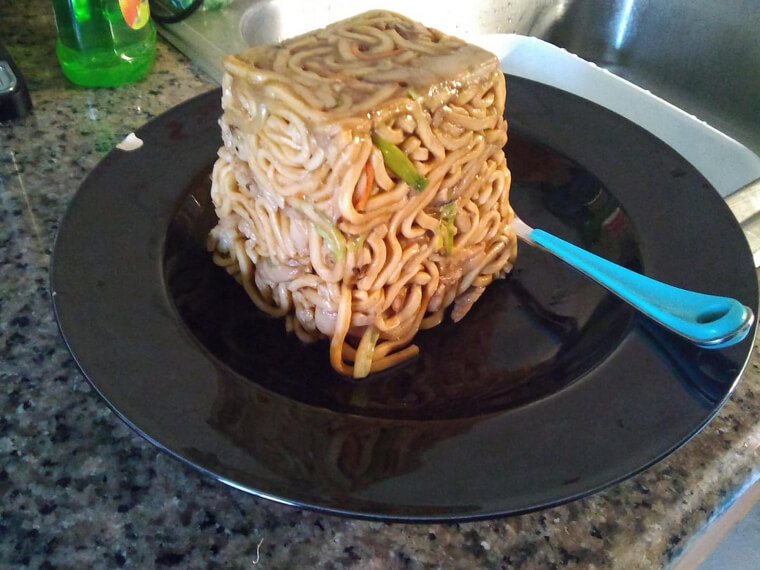
Large Servings of Red Meat That Prolong Digestion
Red meat takes longer to digest than lean protein sources, and large portions in the evening often create discomfort for older adults. Heavy meats like steak, roasts, or burgers can sit in the stomach for hours, causing bloating or pressure when trying to sleep. Dense proteins and higher fat levels make the digestive system work harder at a time when it naturally slows down. This leads to a feeling of heaviness that can interfere with rest. Many older adults also notice increased reflux after eating red meat late in the day. Choosing smaller servings, leaner cuts, or shifting red meat meals to lunchtime helps reduce these nighttime issues and supports better comfort.

Heavy Pasta Dishes With Creamy Sauces
Cream based pasta dishes often lead to nighttime discomfort because they contain high levels of fat that slow digestion. Older adults typically experience reduced digestive efficiency, meaning heavy sauces remain in the stomach longer. This increases the chance of indigestion, bloating, or reflux when lying down after dinner. Large portions of pasta can also cause a rapid spike in blood sugar followed by a drop that disrupts sleep. Studies show that high fat meals eaten within several hours of bedtime significantly lengthen gastric emptying time. This delay makes it harder for the body to settle before sleep and increases the likelihood of waking with discomfort. While pasta is a convenient and enjoyable meal earlier in the day, it becomes problematic at night due to its density and fat content. Choosing smaller portions or lighter sauces greatly reduces the chance of overnight digestive issues.

Fried Foods That Increase Digestive Workload
Cream based pasta dishes often cause nighttime discomfort because they contain high levels of fat that slow digestion. Older adults frequently experience heaviness, bloating, or reflux when these meals sit in the stomach for hours. Large servings of pasta also create a sudden rise in blood sugar followed by a drop that can make it harder to wind down. When eaten late in the day, these meals leave the digestive system working overtime, which can interfere with relaxation and sleep. Thick sauces cling to the stomach longer and make lying down soon after dinner uncomfortable. While pasta is a satisfying meal earlier in the day, it is less ideal for dinner due to its density and fat content. Choosing lighter sauces or smaller portions can make a noticeable difference in how comfortable older adults feel at night.
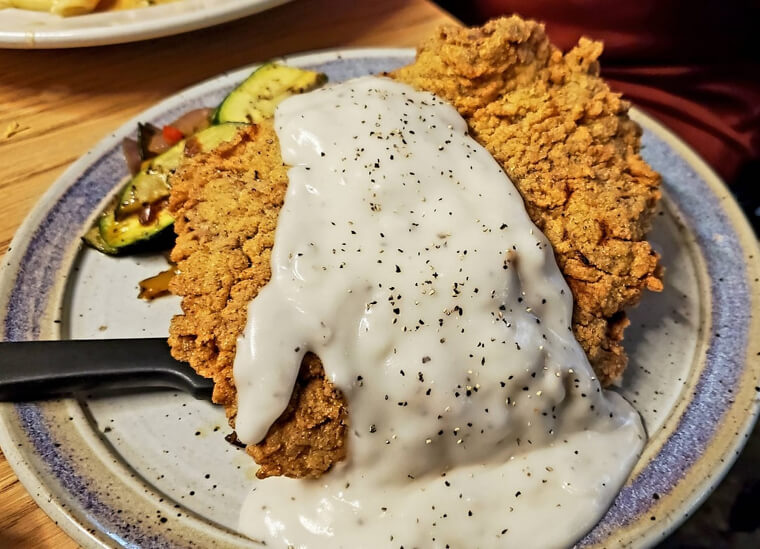
Spicy Dishes That Irritate the Stomach and Esophagus
Spicy foods often irritate the stomach and esophagus, especially in older adults who experience increased sensitivity with age. Meals seasoned with chili peppers, hot sauces, or heavy spice blends can trigger heartburn or throat irritation later in the evening. Spicy ingredients tend to stay active in the stomach for a long time, which increases discomfort once someone lies down. Many older adults report coughing, burning sensations, or a feeling of fullness after eating highly seasoned meals at night. Adjusting spice levels or choosing milder flavors at dinner reduces these symptoms and makes digestion more manageable. Spicy dishes are easier to tolerate earlier in the day, when the body has more time to break them down.
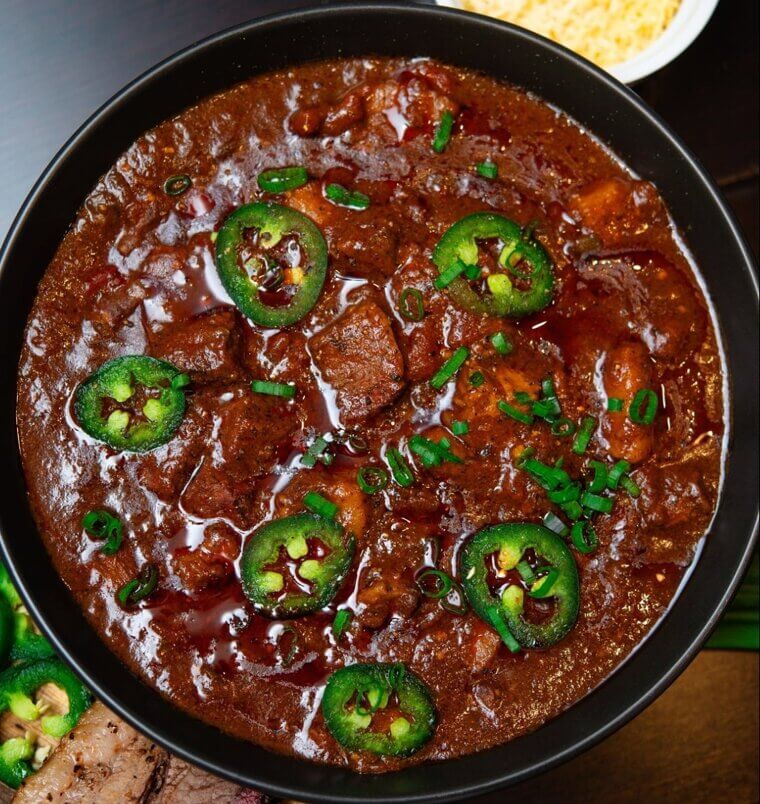
High Cheese Meals That Cause Bloating
Cheese heavy dinners often lead to gas, bloating, or indigestion, especially for older adults who become more sensitive to dairy over time. Dishes like lasagna, cheesy casseroles, or pizza contain high levels of fat that slow digestion and increase the chance of discomfort when lying down. Lactose can also be harder to process at night, which adds to the problem. Many older adults find that large amounts of cheese make their stomach feel unsettled for hours, disrupting sleep. Choosing smaller portions, using less cheese, or switching to lighter toppings can reduce these problems. Enjoying cheese earlier in the day gives the digestive system more time to break it down comfortably.

Salty Dinners That Increase Thirst and Fluid Imbalance
Meals high in sodium often leave older adults overly thirsty, swollen, or uncomfortable during the night. Dishes like salty soups, seasoned meats, and takeout noodles can cause dehydration and water retention at the same time, which disrupts sleep. Excess salt also leads to repeated nighttime trips for water and a general feeling of restlessness. Older adults tend to be more sensitive to sodium changes, making these effects stronger. Eating salty meals late in the day raises the chances of waking with dry mouth, pressure in the hands or feet, or mild stomach irritation. Reducing salt, choosing fresh ingredients, and seasoning lightly help prevent these issues and promote better nighttime comfort.

Tomato Based Meals That Trigger Reflux
Tomato based meals often trigger reflux because tomatoes are naturally acidic. Dinners such as spaghetti, lasagna, or tomato soups can irritate the esophagus, especially when someone lies down soon after eating. Older adults who already experience reflux or heartburn often find these meals especially challenging at night. The acidity increases the chance of burning sensations, coughing, or chest discomfort. Tomato based dishes are easier to handle earlier in the day when the body has more time to process them. Switching to less acidic sauces, reducing portion sizes, or choosing alternative bases like olive oil or mild cream sauces can minimize nighttime discomfort.

High Fiber Bean Dishes That Create Gas and Pressure
Beans, lentils, and chickpeas contain complex carbohydrates that take time to break down, often causing gas or bloating. Older adults commonly experience slower digestion, making bean based dinners more likely to create discomfort later in the evening. Meals like chili, lentil soup, or bean salads can lead to abdominal pressure or trapped gas that interferes with falling asleep. Eating these foods earlier in the day gives the digestive system more time to work through them. Soaking beans longer, choosing smaller portions, or pairing them with easily digested sides can also reduce symptoms.

Large Raw Vegetable Salads That Strain Digestion
Raw vegetables are nutritious, but large salads at night can be difficult for older adults to digest. Raw produce contains fiber that requires more time to break down, and certain vegetables like onions, cabbage, and broccoli are known for creating gas. Cold salads can also slow the digestive process. This combination often leads to bloating, cramping, or a general feeling of fullness that makes sleeping uncomfortable. Opting for smaller salad portions or lightly cooking vegetables at dinner helps improve digestion. Warm meals tend to be easier for the body to process in the evening and reduce the likelihood of nighttime discomfort.
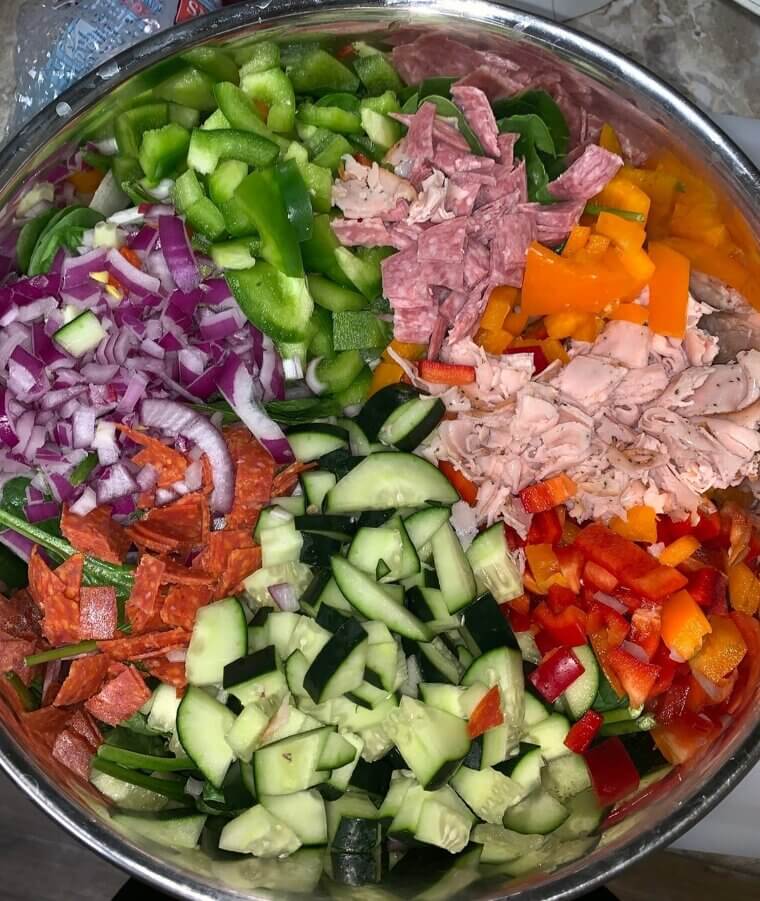
Late Night Leftovers High in Fat or Spice
Leftovers are convenient, but many older adults regret eating reheated fatty or spicy foods late at night. Items like leftover pizza, chili, or stir fry often intensify in flavor after refrigeration, which can make them more acidic or harder to digest. High fat leftovers sit heavily in the stomach and increase the chance of reflux, while spicy leftovers can irritate the throat or esophagus. Eating these foods close to bedtime does not give the digestive system enough time to process them, which leads to discomfort. Choosing smaller portions or milder leftovers helps reduce these nighttime issues and supports better rest.