
Breakfast or Bust
We were told breakfast is non-negotiable. Skip it, and something terrible will happen. The truth is, your body isn’t on a school timetable. Some people wake up hungry. Others don’t. Forcing food when you’re not hungry can mess with your natural hunger signals. You stop listening to your body and start eating by the clock instead. That can lead to eating more later, not less. If breakfast feels good, eat it. If you’re not hungry until later, that’s okay too. Your body is smarter than the rule.
Low-Fat Means Low-Problem
Moms meant well with the low-fat craze. Fat was the villain, after all. As a result, everything got stripped down and labelled “healthy.” But there was a problem. Food companies replaced fat with sugar, starch, and some weird food additives to make it taste halfway decent. Those low-fat yogurts and snacks did nothing more than spike your blood sugar and leave you feeling hungry again fast. The truth is, fat isn’t the enemy. Your body needs it for hormones, brain health, and feeling full. Full-fat foods actually help you eat less. Sugar is the real enemy.

The Clean Plate Club
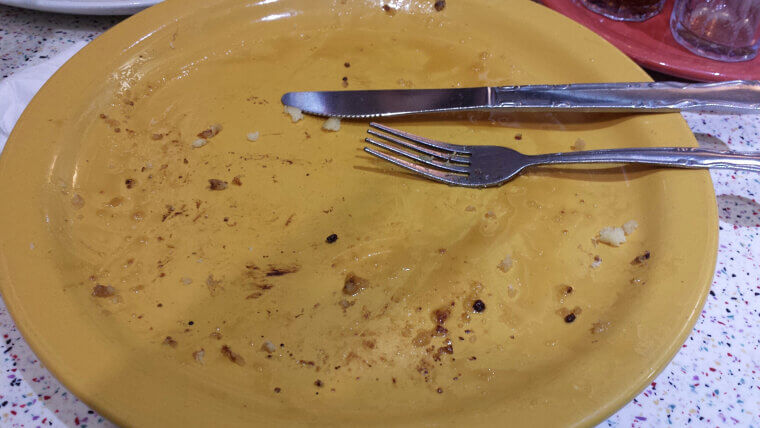
This rule came from good intentions and tight grocery budgets. Waste not, want not. But finishing everything, even when you’re full, teaches you to ignore your body. You learn to listen to the plate instead of your stomach. Over time, that dangerous habit can lead to overeating without even noticing. Feeling full isn’t a failure. It’s feedback that you’ve had enough to eat. Stopping when you’ve had enough is a skill, not bad manners, and you’re allowed to leave leftovers on your plate. Your body doesn’t need to be the bin.
Bread Is Bread
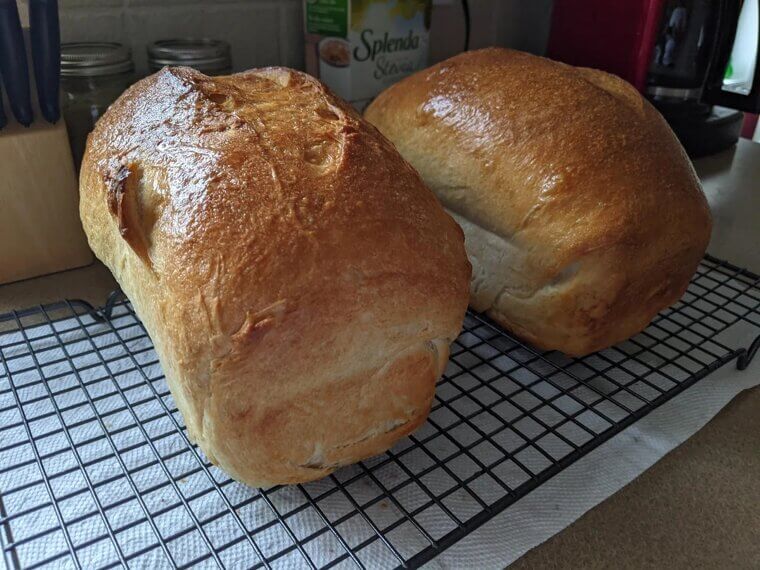
Back in the day, there was no distinction between white and brown bread. It was all just bread. We now know that they are completely different. White bread is heavily refined, with most of the fibre and nutrients removed. That makes it quick to digest and fast to spike blood sugar levels. Whole-grain bread keeps the fibre, so it helps with digestion and keeps you fuller for longer. White bread isn’t evil, though, and it’s just not equal to brown bread in terms of nutrients. Choosing brown is the way to go.
Juice Is Basically Fruit
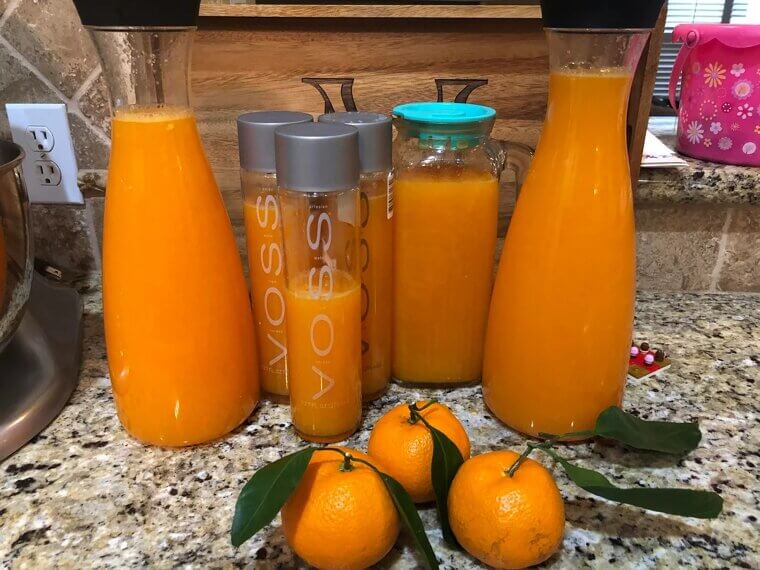
A glass of juice might’ve sounded healthy to your mom because “it’s fruit.” But the problem is what’s missing - fibre. When fruit is juiced, the fibre gets left behind. What’s left is just sugar and liquid calories that you really don’t need if you’re trying to shed a few pounds. That sugar also hits fast and doesn’t fill you up. You could drink the juice of four oranges in seconds, but you’d never eat four whole oranges in one go. Whole fruit is better for slow digestion and keeps you satisfied for longer.
Snacks Spoil Your Dinner
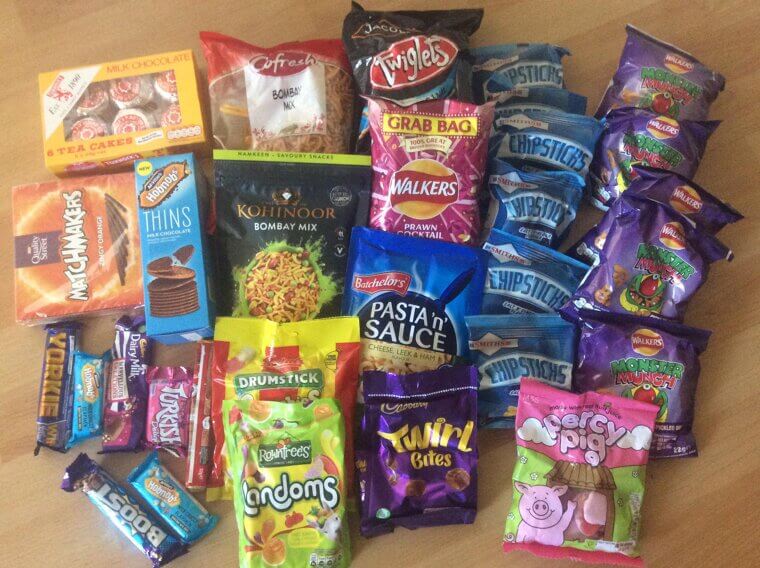
Snacking had a pretty bad reputation back in the day. Every mom warned her children that it would ruin their appetite before dinner. But, in reality, smart snacks can save you from overeating later. Going too long without food also causes drops in blood sugar, so you arrive at dinner starving and end up eating everything in sight. A simple - and healthy - snack is fine. The problem isn’t snacking itself - it’s what you choose to snack on that becomes a problem.
Salt Is the Devil
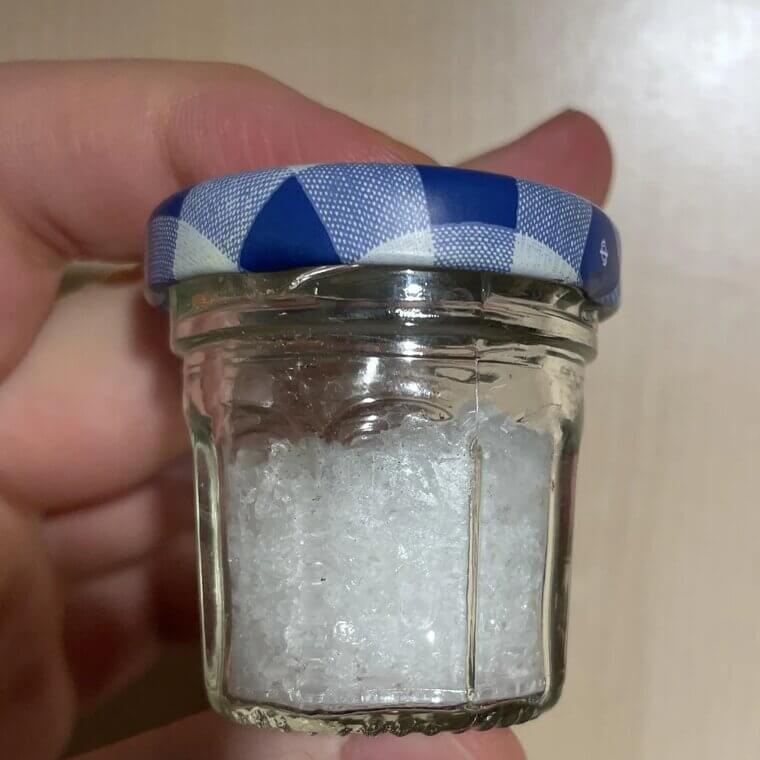
Salt got blamed for absolutely everything when we were kids - swelling, blood pressure, and even water weight. As a result, people started cutting it out completely. That can backfire, because your body needs sodium for hydration, nerve signals, and muscle movement. Too little salt can leave you tired, dizzy, or crampy. The issue isn’t the salt itself, but rather that excess salt you find in ultra-processed foods. Like most things, balance matters way more than just cutting out salt completely, so use it wisely, and you’ll be just fine.
Eggs = Bad Cholesterol
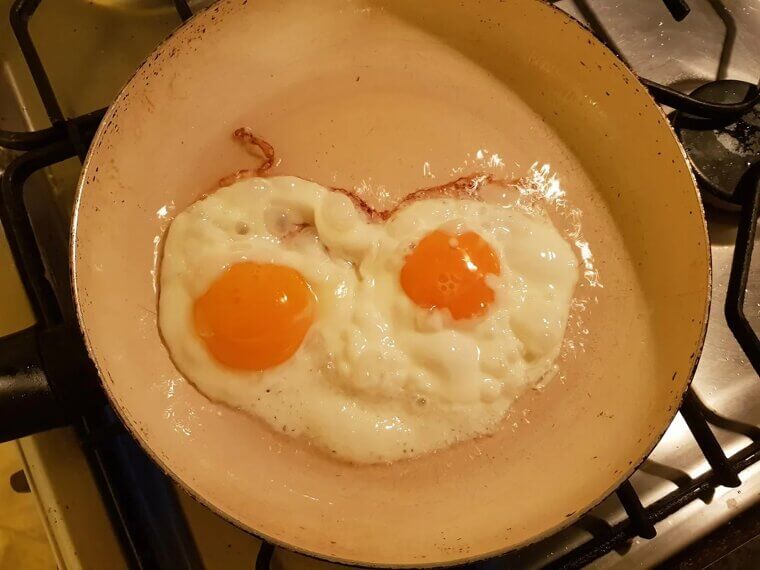
Eggs spent many years on the naughty list. People believed they were way too high in cholesterol. Turns out, food cholesterol doesn’t affect blood cholesterol the way we thought it did. And, eggs are not the problem. They’re packed with protein, healthy fats, and nutrients that keep you full. Cutting them out meant replacing them with sugary cereal or toast, which weren't exactly healthy upgrades either. Yes, eggs aren’t magic, but they are far from the dangerous foods we thought they were.
Wine Is Heart Medicine
A daily glass of wine sounds like self-care, right? Wrong! Research tells a different story completely, and we finally know the truth about that daily glass of wine. Even small amounts of alcohol raise health risks more than they benefit you. It affects your sleep, hormones, and long-term health. The heart benefit idea came from older studies that didn’t tell the full story. You don’t need alcohol for health. In fact, you don’t need it daily either. Enjoy a glass in moderation, but don’t overdo it.

Just Eat Less
This advice sounds simple. Almost too simple. Eat less and lose weight. But bodies aren’t calculators. When you only focus on cutting food, you ignore quality, balance, and metabolism. Eating less of poor food still leaves you hungry and tired. It can slow your metabolism and mess with hormones. What you eat matters as much as how much. Protein, fibre, and regular meals support your body better than constant restriction. Health isn’t about punishing yourself - it’s about nourishing yourself.
