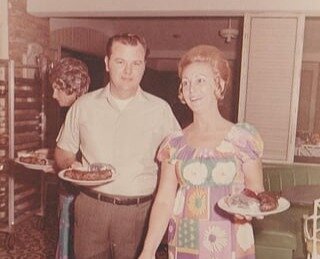
Showing up in Person to Offer Support
Boomers often continue the habit of showing up physically when someone needs support, whether during illness, loss, or celebration. This routine formed when presence was the primary way to express care. Bringing food, sitting quietly, or helping with tasks demonstrated solidarity and concern. Many still prefer this approach because it feels more sincere than messages alone. Being there in person allows for shared emotion and comfort that words may not capture. The habit reflects a belief that actions matter and that support is best shown, not just said. Even when distance or schedules make it harder, the impulse remains strong. Continuing to show up reinforces deep social bonds and communicates commitment. Over time, this routine becomes a defining expression of care and reliability within relationships.
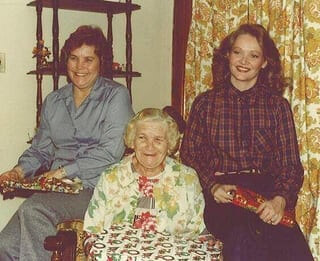
Reading the Morning News on Paper
Many boomers still start the day by picking up a printed newspaper, even if a phone or tablet is within reach. This habit formed when the morning paper was the main way to learn what was happening in the world, and it remains comforting and familiar. Turning physical pages, scanning headlines, and lingering over a favorite column creates a slower rhythm to the morning that digital news does not always provide. For some, it helps separate waking up from the rush of daily responsibilities. There is also a sense of trust tied to print, since newspapers once represented carefully edited and verified information. Even as subscriptions decline and delivery times shift, many readers keep the routine simply because it feels right. It is less about staying current and more about maintaining a steady start to the day. The habit persists because it offers quiet structure and a familiar ritual that has anchored mornings for decades.

Bringing Food to Share, No Matter the Occasion
Many boomers keep the habit of bringing food whenever they visit someone’s home, attend a gathering, or hear that a neighbor is going through a hard time. This routine developed when food was one of the clearest ways to show care, hospitality, and good manners. Showing up empty handed often felt uncomfortable, while arriving with a dish signaled thoughtfulness and respect. For many, the habit continues automatically. A casserole, baked goods, or extra groceries feels like a practical and personal way to contribute. It also removes awkwardness and creates an easy starting point for conversation. Sharing food encourages people to sit together, linger, and connect. Even when hosts insist nothing is needed, the impulse remains strong. Continuing this routine reflects a belief that food brings people closer and communicates support without many words. Over time, the habit becomes a social language of generosity, comfort, and belonging that still feels meaningful and natural.
Making Phone Calls Instead of Sending Texts
Boomers often prefer calling someone rather than sending a text, especially for meaningful conversations. This habit formed when the phone was the primary way to connect quickly and clearly. Hearing a voice provides tone, context, and emotional cues that text messages can miss. For many, calling feels more personal and respectful, particularly when discussing plans or important matters. The routine also reflects a comfort with direct conversation and immediate feedback. While texting is convenient, it can feel incomplete or impersonal to those used to longer calls. Continuing to pick up the phone is less about avoiding new tools and more about valuing connection. The habit remains because it works and feels natural, offering clarity and human contact in a way that brief messages do not always provide.

Attending Community or Faith-Based Events
Boomers often continue attending community meetings, religious services, or local events even when attendance declines. This habit formed when such gatherings were central to social life and connection. Regular attendance offered a chance to see familiar faces, share news, and feel part of something larger. For many, the routine still provides comfort and belonging. It creates opportunities for casual conversations and shared traditions that reinforce identity and values. Even when alternatives exist, continuing to show up feels meaningful. The habit is not just about the event itself but about maintaining ties and visibility within a community. Attending regularly helps preserve relationships that might otherwise fade. It reflects a long held belief that community is built through presence and participation, not convenience alone. Over time, this routine becomes a quiet but powerful way to stay connected.

Writing Everything Down on Paper
Despite widespread use of smartphones, many boomers continue to rely on handwritten notes, calendars, and lists. Grocery lists on scrap paper, phone numbers written near the landline, and appointments marked on wall calendars are common sights. This habit comes from a time when writing things down was the only reliable way to remember them. For many people, putting pen to paper feels more permanent and reassuring than tapping a screen. It also provides a sense of control, especially for tasks that feel important or time sensitive. Even those who use digital tools often keep paper backups just in case. The routine is not about resisting technology but about trusting what has always worked. Writing things down slows the mind and reinforces memory, making it easier to stay organized. Over time, the habit becomes automatic, carried forward simply because it continues to feel dependable and familiar.
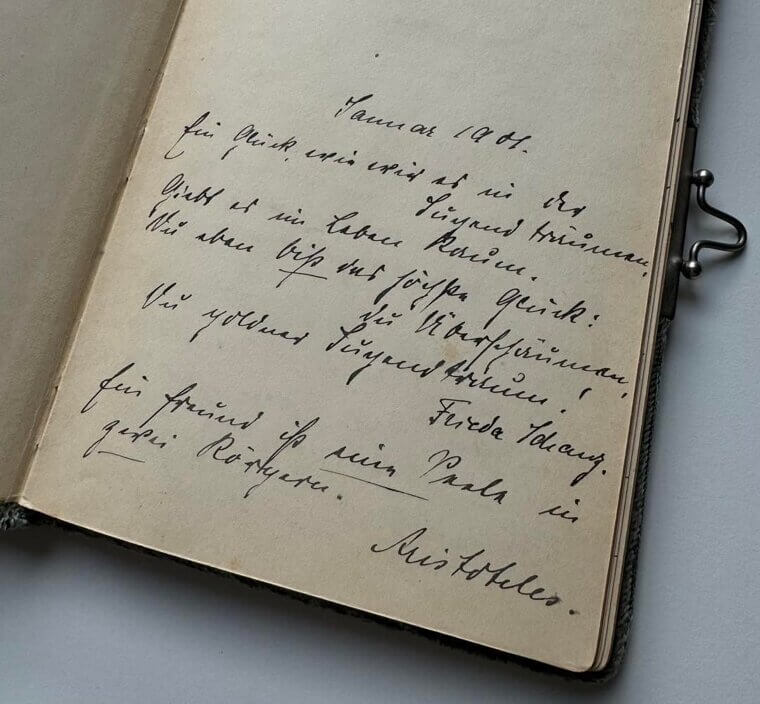
Watching Scheduled Television Programs
Boomers often continue to watch television shows at specific times, even though streaming makes schedules optional. This routine formed when missing an episode meant waiting weeks or months to see it again. Sitting down at the same time each day or week created a shared experience and a predictable break in the day. For many, scheduled programs still provide structure and something to look forward to. The habit can also be social, with couples or friends planning evenings around favorite shows. Even when recordings are available, watching live can feel more engaging and special. It marks time in a way that on demand viewing does not. Continuing this routine is less about technology and more about rhythm. Scheduled television offers familiarity, comfort, and a sense of occasion that remains appealing long after habits could have changed.

Balancing a Checkbook Regularly
Many boomers still balance their checkbooks, even though banks now provide real time account updates. This habit comes from an era when keeping track of every transaction was essential to avoid overdrafts and errors. Writing down deposits and payments offered peace of mind and a clear picture of personal finances. For some, the routine remains a way to feel responsible and organized. It reinforces awareness of spending and helps maintain a sense of control over money. Even those who rarely write checks may still review statements carefully and reconcile numbers by hand. The practice is familiar and reassuring, especially for people who value accuracy and accountability. Continuing to balance a checkbook is not always about necessity but about maintaining a trusted system that has worked for years and still feels reliable.

Stopping by Without Calling First
Many boomers grew up in a time when dropping by someone’s home unannounced was normal and often welcomed. This habit reflected a stronger sense of neighborhood connection and shared schedules that were less tightly managed. Friends and family were expected to be available, and a knock on the door usually meant company, not an interruption. For some, the practice continues because it feels friendly and spontaneous rather than intrusive. It can signal closeness and comfort, especially among longtime friends or relatives. Even when texting ahead is easy, stopping by can feel more genuine and personal. The habit is rooted in trust and familiarity, where relationships did not require advance coordination. Continuing this routine is less about ignoring modern etiquette and more about holding onto a style of connection that feels warmer and more relaxed. It reflects a time when social bonds were reinforced through casual, face to face visits.
Hosting Regular In-Person Gatherings
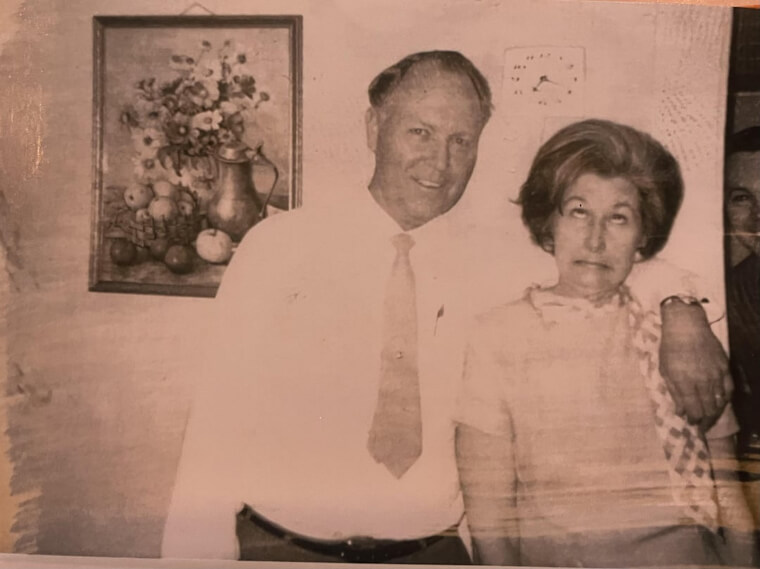
Boomers often maintain standing social traditions such as weekly dinners, card nights, or monthly coffee groups. These routines formed when social life relied heavily on in-person interaction rather than online communication. Scheduling regular gatherings helped people stay connected without needing constant updates or reminders. For many, these events still serve as important anchors in their social calendar. They provide consistency, shared memories, and a sense of belonging. Even as virtual options exist, meeting face to face can feel more meaningful and satisfying. The habit continues because it builds deeper relationships and offers something to look forward to. Hosting or attending regular gatherings reinforces commitment to friendships and community. Over time, the routine becomes part of identity, reflecting the value placed on showing up for others and maintaining strong social ties through shared time and presence.

Sending Cards for Every Occasion
Boomers are often diligent about sending birthday, holiday, and sympathy cards, even when a quick message would suffice. This habit comes from a time when cards were a primary way to mark milestones and express care from a distance. Choosing a card, writing a message, and mailing it took effort and thought, which added meaning to the gesture. Many continue the practice because it feels more personal and lasting than a digital note. Receiving a card can brighten someone’s day and serve as a tangible reminder of connection. The routine reflects an emphasis on acknowledging others and maintaining relationships through small but thoughtful acts. Continuing to send cards is not about formality but about preserving a tradition that communicates care, attention, and respect in a way that still feels special and sincere.
Volunteering With the Same Groups Year After Year
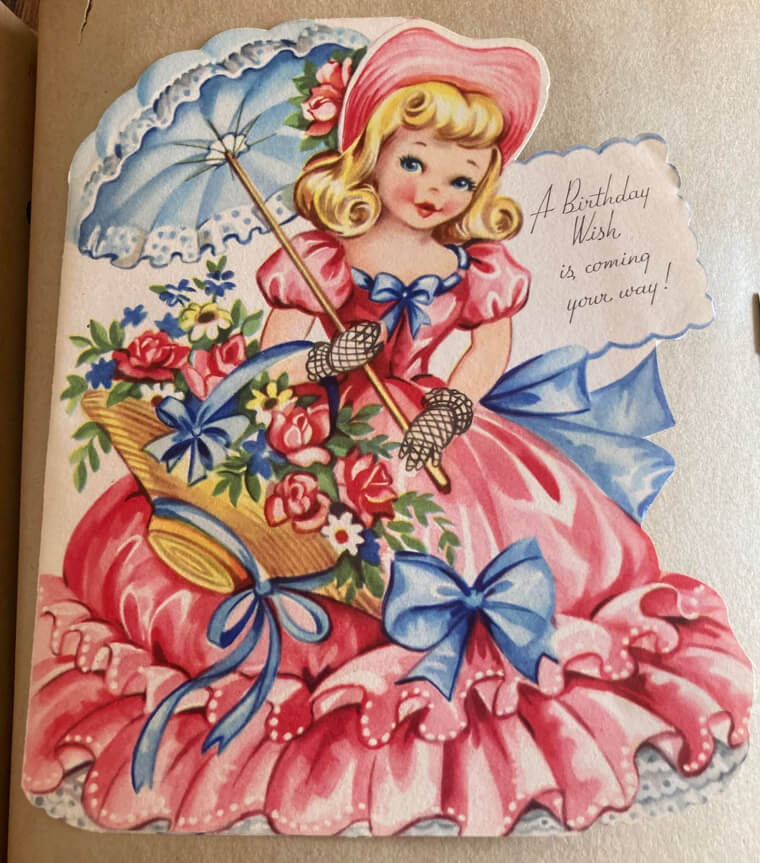
Many boomers commit long term to volunteering with churches, community centers, or local organizations. This habit developed when community involvement was a central part of social life and personal identity. Staying with the same group built trust, friendships, and a shared sense of purpose. For many, continuing this routine provides structure and meaning beyond daily responsibilities. It also offers regular social interaction with people who share values and goals. Even when schedules change or new opportunities arise, sticking with familiar groups feels comfortable and rewarding. The habit persists because it reinforces belonging and contribution. Volunteering becomes less about the task itself and more about the relationships formed along the way. Maintaining these commitments reflects a belief in showing up consistently and supporting the same community over time.

Catching up Through Long Conversations
Boomers often prefer extended conversations when reconnecting with friends or family, rather than brief check-ins. This habit formed when communication was less frequent, making each interaction more substantial. Long talks allowed people to share updates, stories, and emotions in one sitting. For many, this approach to conversation still feels natural and satisfying. It creates space for deeper connection and understanding. Even with frequent digital contact available, long conversations can feel more meaningful and complete. The routine reflects a value placed on listening and sharing without rushing. Continuing this habit is less about time and more about intention. It emphasizes quality over convenience and reinforces bonds through thoughtful, unhurried interaction. Over time, these conversations become cherished moments that strengthen relationships and provide a sense of continuity.
Calling Family Members on Specific Days
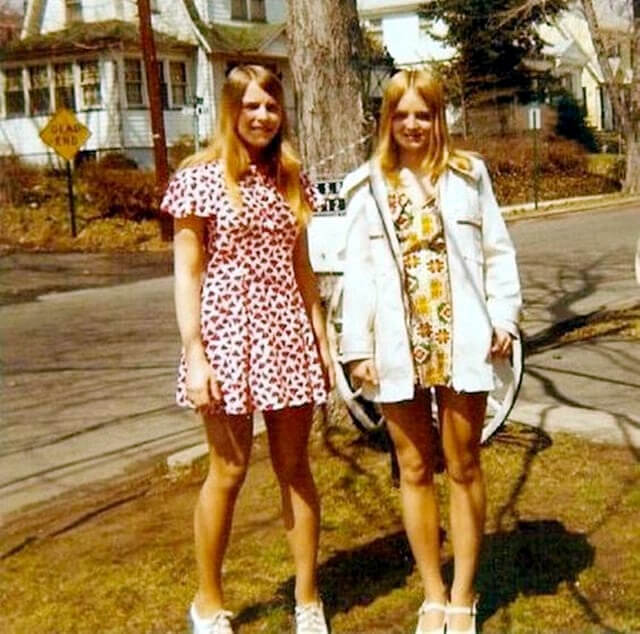
Many boomers keep the habit of calling children, siblings, or parents on set days, such as Sunday evenings or birthdays. This routine often began when long distance calls were planned events rather than spontaneous actions. Setting a specific time ensured everyone was available and made the call feel important. For many families, the habit continues because it provides consistency and reassurance. It creates a shared expectation of connection that strengthens bonds. Even with constant messaging available, a scheduled call can feel more intentional and meaningful. The routine also helps maintain closeness across distance and busy schedules. Continuing this practice reflects a desire to stay involved in each other’s lives in a steady way. Over time, these calls become traditions that mark time and reinforce family connection.
Remembering Names and Personal Details
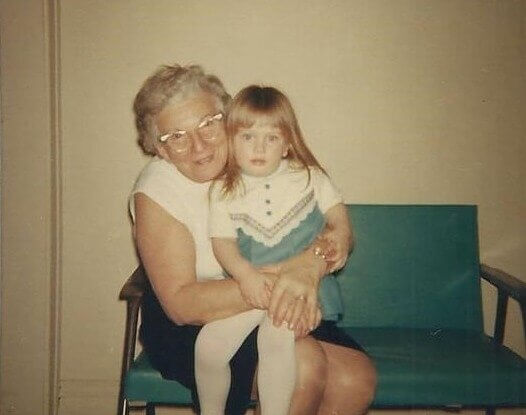
Boomers often make a point of remembering names, family details, and life events about people they know. This habit comes from a time when social circles were smaller and interactions more personal. Remembering details showed respect and genuine interest, strengthening relationships. Many continue this practice because it helps conversations feel warmer and more connected. Asking about a spouse, a recent move, or a health update signals care and attention. The habit may require effort, but it often leads to deeper trust and rapport. Continuing to remember details is less about memory alone and more about valuing people as individuals. Over time, this routine reinforces a sense of mutual recognition and belonging, making social interactions feel more meaningful and less transactional.