
The "Sunlight First" Circadian Reset
Super-agers reportedly prioritize stepping outside within twenty minutes of waking up. This isn't just for fresh air; it’s about "circadian anchoring." Experts suggest that exposure to natural morning light helps regulate the body’s internal clock, which in turn optimizes sleep patterns and hormonal balance. By signaling to the brain that the day has begun, these individuals allegedly experience better mood stability and improved nighttime melatonin production.

It is a simple, no-cost habit that aligns the body’s biology with the natural world, potentially reducing the long-term physiological stress that contributes to rapid aging.
Mastering the "Micro-Movement" Commercial Break
Forget hour-long treadmill sessions; many centenarians swear by "micro-movements." While watching their favorite afternoon programs, they allegedly perform simple tasks like ankle rotations, shoulder rolls, or seated leg lifts during every commercial break. This habit reportedly keeps the lymphatic system moving and prevents the "sedentary stiffness" that plagues many retirees. By breaking up long periods of sitting with sixty seconds of activity, they are reportedly maintaining joint lubrication and metabolic flexibility.
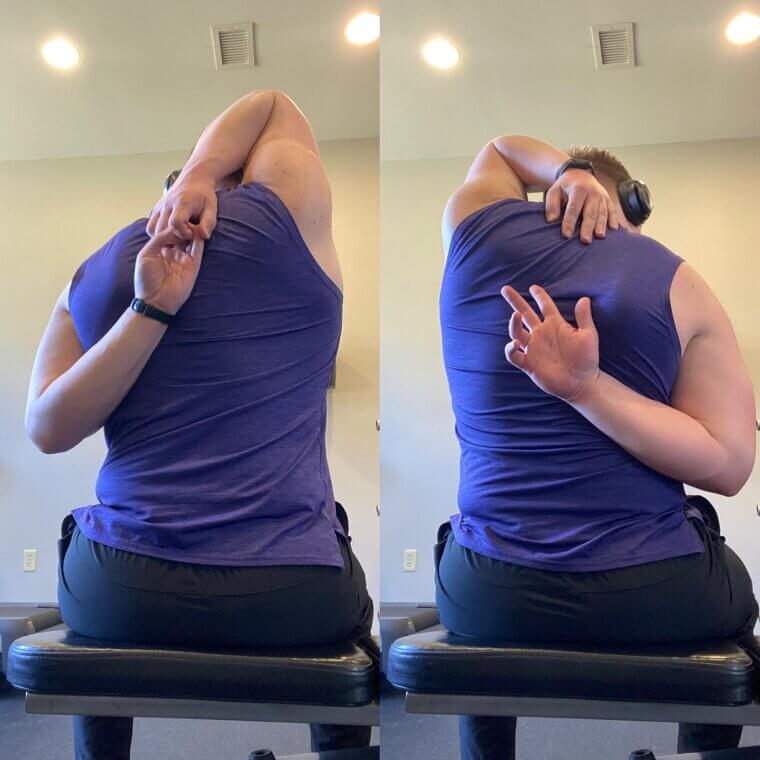
It is a low-impact way to ensure the body never truly "powers down" into a state of inflammatory stagnation throughout the day.
The "Metabolic Intelligence" Savory Breakfast Shift
In the 2026 health landscape, "Metabolic Intelligence" is king. Many North American super-agers have reportedly ditched sugary cereals and muffins for savory, protein-forward breakfasts like eggs with greens or beans. This shift allegedly prevents the mid-morning insulin spike and subsequent "sugar crash" that can damage cellular health over time. By keeping blood sugar levels stable from the first meal, they reportedly protect their mitochondrial function—the tiny power plants in our cells.
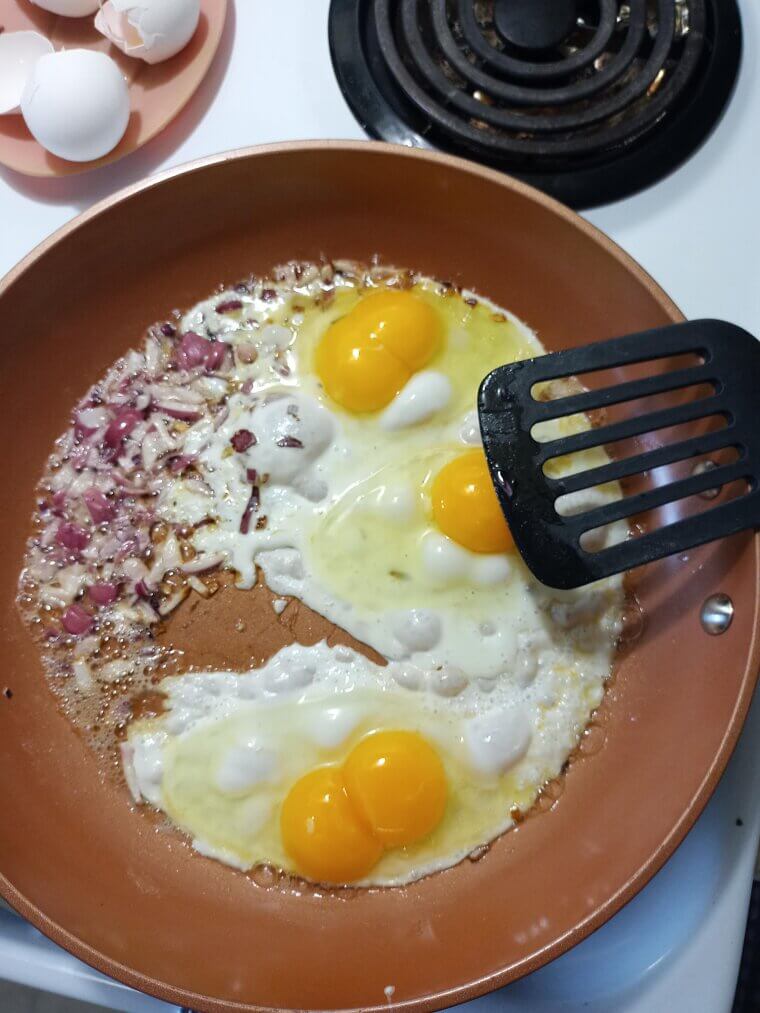
This steady energy approach is often cited by longevity researchers as a key factor in avoiding the metabolic fatigue common in later life.
Practicing the "Non-Dominant" Neural Challenge
To keep their brains "agile," many successful agers reportedly perform one daily task—like brushing their teeth or stirring their coffee—with their non-dominant hand. This "neuro-agility" hack allegedly forces the brain to forge new neural pathways, essentially giving the mind a workout through simple physical frustration. It is a low-stakes way to maintain cognitive plasticity. Experts suggest that these small challenges to the nervous system may help delay the onset of age-related memory issues.

By staying "mentally uncomfortable" for just a few minutes a day, they are reportedly keeping their brain tissue more resilient and adaptable.
The "Three-Connection" Daily Social Goal
Loneliness is often called the "new smoking," but super-agers allegedly combat this with a specific daily goal: three meaningful interactions. This could be a phone call to a relative, a chat with a neighbor, or even a brief, warm exchange with a grocery clerk. Reportedly, these "micro-social" moments trigger the release of oxytocin, which can lower blood pressure and reduce systemic inflammation. In North America, where isolation is a growing concern, this habit is a vital pillar of healthspan.

It isn’t about being the life of the party; it is about maintaining a consistent "social pulse."
Sipping "Mitochondrial Tea" Mid-Afternoon
Instead of reaching for a second or third cup of coffee, many long-lived individuals reportedly switch to green or white tea in the afternoon. These teas are rich in specific polyphenols that allegedly support mitochondrial repair. By choosing a beverage with lower caffeine and higher antioxidant levels, they reportedly avoid the sleep-disrupting jitters while still getting a gentle cognitive boost. This habit is part of a broader trend toward "functional hydration."

In functional hydration, every drink is viewed as an opportunity to deliver cellular protection. It is a soothing ritual that double-tasks as a longevity treatment for the cardiovascular system.
The "Barefoot Grounding" Garden Stroll
A surprising number of North American centenarians allegedly spend at least five minutes a day walking barefoot on grass or soil. This practice, often called "grounding," is reportedly used to reduce the body's electrical tension and lower stress hormones. While it sounds a bit "New Age," proponents in the 2026 longevity community suggest it helps neutralize free radicals through the transfer of electrons from the earth.

Whether it is the physical contact or simply the sensory experience of nature, this habit is frequently linked to better sleep quality and a more peaceful, "unbothered" psychological outlook.
The "Fiber-First" Plate Arrangement
When sitting down to dinner, super-agers reportedly follow a strict order: fiber first, then protein, then starches. This "meal sequencing" is a hallmark of Metabolic Intelligence. By eating vegetables first, they allegedly create a "fiber mesh" in the gut that slows the absorption of sugars from the rest of the meal. This reportedly leads to significantly lower post-meal glucose spikes. It is a simple trick that requires no change in what they eat, only how they eat it.

Research suggests this habit can be as effective as some medications for maintaining healthy blood sugar levels long-term.
Engaging in "Curiosity Reading"
Rather than sticking to familiar topics, many agers who reach 100 reportedly make it a point to read one article a day on a subject they know nothing about. Whether it’s quantum physics or ancient textile weaving, this "curiosity habit" allegedly prevents the mental "ruts" that lead to cognitive decline. By constantly feeding the brain new, complex information, they are reportedly maintaining the volume of their grey matter.

It is a form of "cognitive cross-training" that ensures the mind stays curious, which is a personality trait frequently found in the world’s oldest, happiest people.
The "Two-Minute Box Breath" Before Bed
Stress is a known longevity-killer, and many North American super-agers allegedly use "box breathing" to switch their nervous system from "fight or flight" to "rest and digest" before sleep. By inhaling, holding, exhaling, and holding for four seconds each, they reportedly lower their heart rate and cortisol levels. This simple breathing technique is a staple in 2026 stress-management protocols because it is fast and effective.

It ensures that the body enters a deep, restorative state of sleep, which is when the most significant cellular repair and "brain cleaning" (via the glymphatic system) allegedly occurs.
The "Vertical Challenge" Stair Habit
Instead of avoiding stairs, super-agers in North America reportedly view them as a "longevity tool." They allegedly aim for at least two flights of stairs a day, even if an elevator is available. This "vertical movement" is reportedly one of the best ways to maintain lower-body power, which is a key predictor of independence in later years. Strong legs allegedly translate to better balance and a lower risk of falls.

By treating stairs as a mini-workout rather than a chore, they are reportedly building the functional strength necessary to stay mobile well into their tenth decade.
"Digital Sunsets" at Least 2 Hours Before Bed
In an era of constant connectivity, many successful agers reportedly implement a "digital sunset." They allegedly turn off all screens—phones, tablets, and bright televisions—at least two hours before bed. This habit reportedly protects their natural melatonin production from the "blue light" that mimics daylight. By switching to analog activities like reading a physical book or knitting, they reportedly prime their brains for much deeper sleep.

In the 2026 healthspan movement, sleep quality is viewed as more important than sleep quantity, and this habit is the foundation for achieving that restorative "deep-phase" rest.
Daily "Grip Strength" Exercises
It might seem odd, but many centenarians reportedly spend a minute or two squeezing a rubber ball or a spring-loaded gripper while talking on the phone. In longevity science, grip strength is reportedly a "biomarker" for overall muscle health and vitality. A weak grip is often linked to higher risks of cardiovascular issues. By maintaining their hand and forearm strength, these individuals are reportedly sending signals to their nervous system to maintain muscle mass throughout the body.
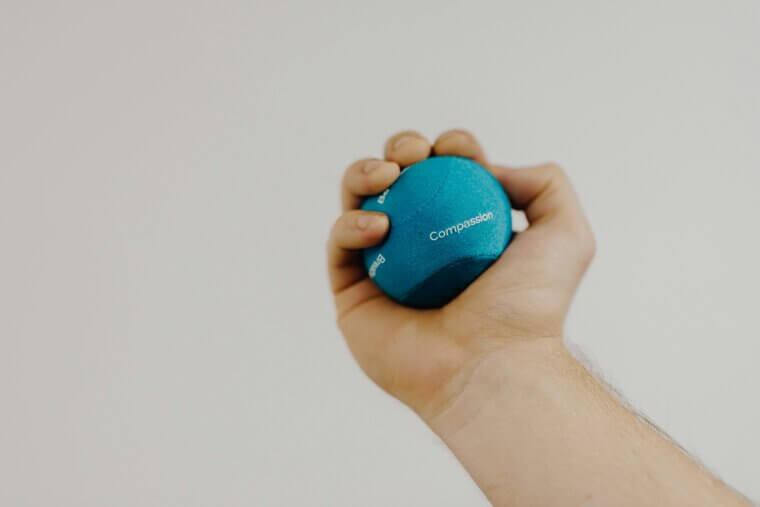
It is a low-effort habit that serves as a vital indicator of—and contributor to—overall physical resilience.
The "Cold Splash" Morning Ritual
Many North American super-agers reportedly end their morning shower with a thirty-second burst of cold water. This "thermal stressor" is allegedly excellent for boosting circulation and "waking up" the immune system. The shock of the cold reportedly triggers the production of "brown fat," a type of fat that actually burns calories to generate heat and improves metabolic health. While it might be a bit uncomfortable in the moment, proponents suggest it provides a natural energy boost.

And one that lasts all morning. It is a quick way to build "hormetic stress" resilience, making the body tougher against environmental challenges.
"Anti-Inflammatory" Spice Loading
In their daily cooking, successful agers reportedly lean heavily on "power spices" like turmeric, ginger, and cinnamon. These aren't just for flavor; they are reportedly used as medicinal tools to keep systemic inflammation low. By adding a pinch of cinnamon to their morning oats or turmeric to their evening soup, they are allegedly providing their cells with a steady stream of antioxidants. In 2026, "inflamm-aging"—the chronic, low-grade inflammation that comes with age—is seen as a primary enemy.

These kitchen staples are reportedly the simplest defense against the cellular "rust" that leads to chronic disease.
The "Single-Tasking" Mindful Focus
While the younger generations pride themselves on multitasking, super-agers reportedly focus on "single-tasking." Whether they are washing dishes, folding laundry, or walking the dog, they allegedly give that one task their full, mindful attention. This habit reportedly reduces the mental "static" and anxiety that comes from a scattered mind. By staying present, they are reportedly lowering their daily cortisol load, which is essential for long-term heart health.

It is a form of "living meditation" that turns mundane chores into moments of neurological rest, protecting the brain from the burnout of modern life.
"Magnesium-Rich" Evening Soaks
A surprising number of long-lived North Americans reportedly take a warm bath with Epsom salts (magnesium sulfate) several times a week. Magnesium is a mineral that many people are deficient in, and it is reportedly absorbed well through the skin. This habit allegedly helps relax sore muscles, calms the nervous system, and prepares the body for sleep. For agers, maintaining adequate magnesium levels is reportedly crucial for bone density and heart rhythm.
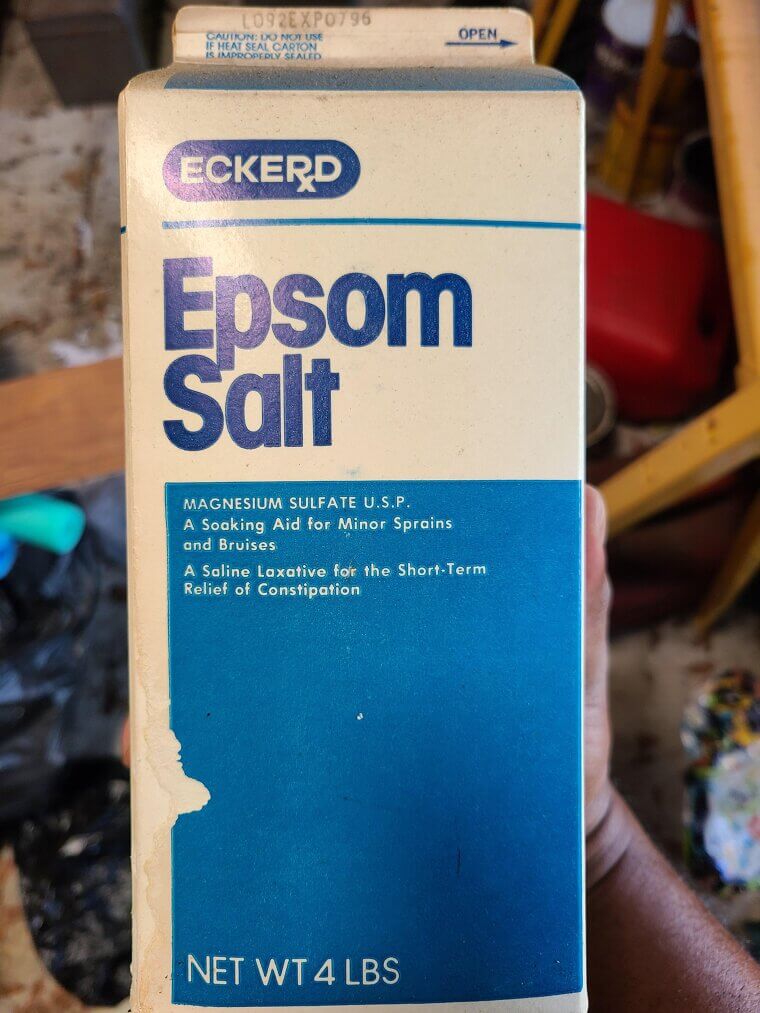
It is a luxurious, calming habit that doubles as a vital mineral supplement, ensuring the body stays "supple" rather than "stiff" as the years pass.
The "Mirror Smile" Morning Affirmation
Psychological resilience is a common trait among centenarians, and many reportedly start their day by looking in the mirror and smiling at themselves for ten seconds. This simple physical act allegedly triggers the release of "feel-good" neurotransmitters like dopamine and serotonin, regardless of how they actually feel in that moment. It is a way of "hacking" the brain's mood center. By intentionally starting the day with a positive physical signal, they are reportedly building an "optimism bias."

This bias helps them handle the inevitable stresses of aging with more grace and a much lower biological stress response.
"Vitamin D" Midday Nature Breaks
Even in colder North American climates, super-agers reportedly make an effort to get ten minutes of midday sun on their face and hands. Vitamin D is reportedly essential for immune function and bone health, but it also plays a role in mood regulation. By timing their "nature break" for when the sun is highest, they are allegedly maximizing their natural production of this vital hormone.

This habit is often combined with a short walk, providing a double-hit of fresh air and light. It is a simple way to maintain the "biological spark" that keeps their energy levels high.
The "Hydration With Minerals" Strategy
Rather than drinking plain tap water, many successful agers reportedly add a pinch of sea salt or a squeeze of lemon to their water bottles. This "structured hydration" allegedly ensures that the water actually gets into the cells rather than just passing through the system. In 2026, we understand that electrolytes are the key to staying truly hydrated. Proper cellular hydration reportedly supports everything from skin elasticity to brain clarity.

By making their water more "bio-available," these individuals are reportedly ensuring their internal systems stay "plump" and functional, avoiding the cellular dehydration that accelerates the aging process.
"Laughter-Induced" Immune Boosting
Whether it’s watching a favorite sitcom or calling a funny friend, super-agers reportedly prioritize "daily laughter." Scientific research in 2026 suggests that a good belly laugh can reportedly increase the production of "Natural Killer" cells, which help the body fight off viruses and even early-stage cancer cells. It is a form of internal "aerobics" for the organs. By seeking out humor every day, they are allegedly keeping their immune systems "on alert" while simultaneously lowering their blood pressure.

It is perhaps the most enjoyable longevity habit on the list, turning joy into a powerful medical intervention.
The "Balance on One Leg" Toothbrushing Trick
To maintain their equilibrium, many centenarians reportedly stand on one leg while brushing their teeth—thirty seconds for the left, thirty seconds for the right. This "proprioception" habit allegedly keeps the brain-to-muscle communication sharp, which is vital for preventing falls. Falls are a leading cause of health decline in seniors, so maintaining balance is a top longevity priority. By weaving this into a daily habit they already do, they are reportedly ensuring their "stabilizer muscles" stay active and ready.

It is a simple, effective way to maintain physical "confidence" well into their hundreds, without investing extra time into it.
"Akkermansia-Friendly" Fermented Foods
The gut microbiome is the "second brain" of longevity, and super-agers reportedly eat a small serving of fermented foods—like sauerkraut, kimchi, or kefir—every single day. These foods reportedly boost levels of "Akkermansia," a specific gut bacterium linked to lower inflammation and better metabolic health. In 2026, "Fibermaxxing" and probiotic loading are seen as essential for preventing "leaky gut," which can lead to systemic issues.

By keeping their gut "garden" diverse and healthy, these individuals are allegedly ensuring their immune system stays strong and their digestion remains efficient and comfortable.
The "Brain-Dumping" Evening Journal
To ensure a peaceful night's sleep, many successful agers reportedly spend five minutes "brain-dumping" their worries or to-do lists into a journal before bed. This habit allegedly prevents "cognitive looping"—where the brain stays awake worrying about the next day. By getting the thoughts out of the head and onto paper, they are reportedly signaling to the brain that it is safe to rest. This psychological "unloading" is a key factor in their legendary ability to "not sweat the small stuff."

It is a simple mental hygiene practice that protects their sleep architecture and mental health.
"Earthing" With Indoor Plants
For those who can’t get outside, many North American super-agers reportedly keep a "mini-forest" of indoor plants. In 2026, "forest immersion" is a known health trend, and having plants indoors allegedly helps purify the air and reduce stress levels. The act of tending to these plants—watering, pruning, and talking to them—reportedly provides a sense of purpose and a connection to the cycles of life.
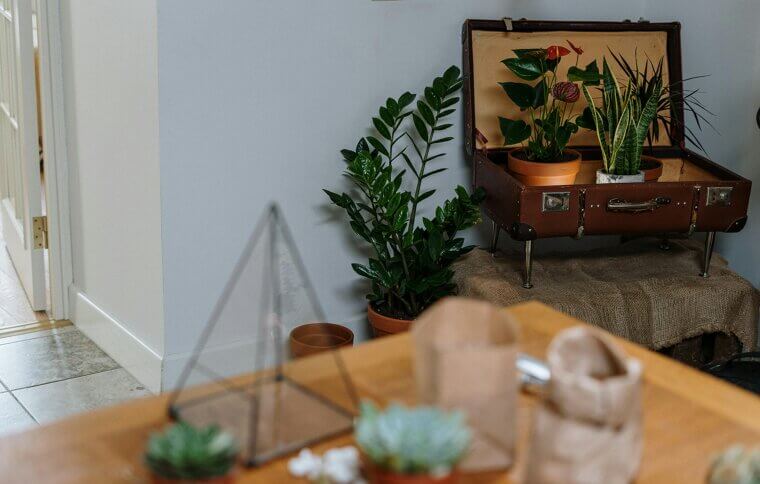
It is a low-impact way to bring the calming "phytoncides" of nature into the home, creating a sanctuary that supports a lower heart rate and a more relaxed nervous system.
The "Nitric Oxide" Nose-Breathing Habit
You won’t find many super-agers who are "mouth breathers." They reportedly practice "nasal breathing" almost exclusively, even during light exercise. Breathing through the nose allegedly triggers the release of nitric oxide, a gas that helps dilate blood vessels and improve oxygen delivery throughout the body. This habit reportedly supports better cardiovascular health and can even lower blood pressure over time. By simply closing their mouths and breathing through their noses, they are allegedly giving their heart a "rest."
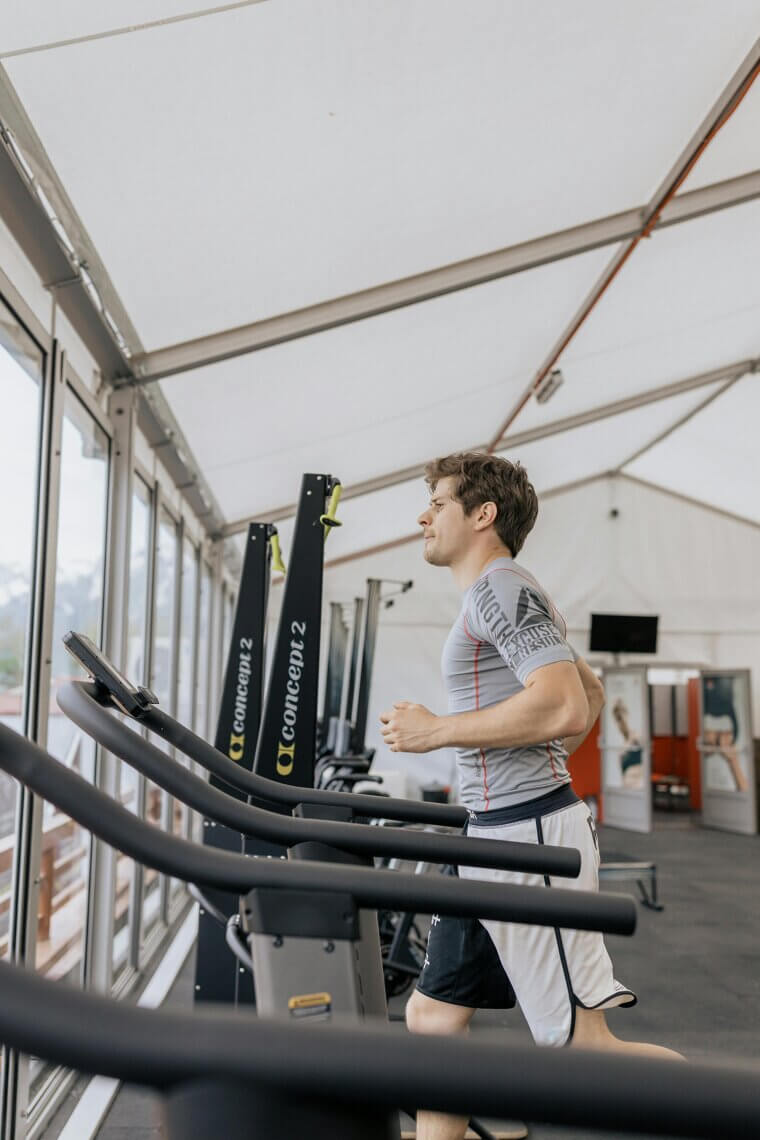
That's because breathing exclusively through the nose makes the oxygenation process more efficient. It is a subtle, powerful shift in how they power their bodies.
"Social Dancing" for Cognitive Complexity
Whether it’s a community square dance or just dancing in the kitchen, many long-lived individuals reportedly engage in "social dancing." This habit is allegedly one of the best for the brain because it combines physical movement, social interaction, and the cognitive challenge of following a rhythm or steps. It is a "triple-threat" for longevity. Research suggests that dancing may be more effective than crosswords for preventing dementia because of its complexity.

By moving their bodies to music with others, they are reportedly keeping their motor skills and their social "muscles" in peak condition.
The "Olive Oil" Liquid Gold Habit
In North America, super-agers reportedly consume at least two tablespoons of high-quality, extra-virgin olive oil daily, often drizzled raw over their meals. This "liquid gold" is packed with oleocanthal, a compound that allegedly acts as a natural anti-inflammatory, similar to low-dose ibuprofen. By ensuring they get these healthy fats daily, they are reportedly supporting their brain’s white matter and protecting their arteries from hardening. It is a staple of the "Metabolic Intelligence" diet.

And it provides the cellular "grease" necessary to keep the body's machinery running smoothly without the friction of chronic inflammation.
Engaging in "Intergenerational Play"
Spending time with grandchildren or younger neighbors is a reported "secret weapon" for many centenarians. This "intergenerational play" allegedly keeps them "young at heart" by exposing them to new ideas, modern slang, and the infectious energy of youth. It reportedly prevents the "cultural isolation" that can lead to depression in older age. By staying relevant and connected to the younger generations, they are allegedly maintaining a sense of future-oriented purpose.

It is a beautiful way to ensure their wisdom is passed down while they "borrow" a bit of vitality from the kids.
The "Early Window" Eating Schedule
Most North American super-agers reportedly finish their last meal of the day by 6:00 or 7:00 PM. This "early eating window" allegedly gives the body a full twelve to fourteen hours of fasting before breakfast. During this time, the body reportedly enters a state of "autophagy," where it cleans out damaged cells and repairs DNA. By not eating late at night, they are reportedly ensuring that their body can focus on "deep cleaning."

Instead of their body focusing on digestion during sleep. It is a simple timing shift that reportedly has profound effects on metabolic health and longevity.
Practicing "Vertical Eye" Exercises
To keep their vision and brain-eye coordination sharp, many agers reportedly perform "eye gymnastics." They allegedly spend a minute a day moving their eyes up, down, left, and right without moving their heads. This habit reportedly strengthens the eye muscles and supports the "vestibular system," which is responsible for balance. In a world of fixed-distance screens, these exercises allegedly help maintain the "depth perception" needed to navigate the physical world safely.
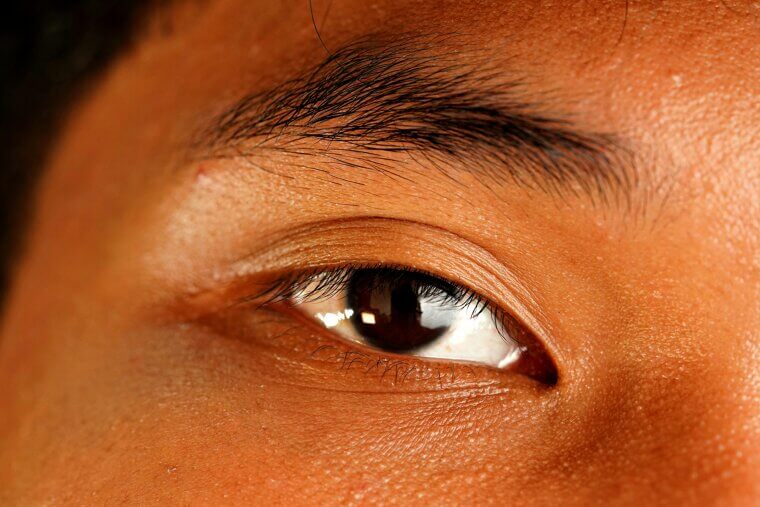
It is a tiny habit that protects their autonomy by keeping their "sensory hardware" in top working order.
The "Daily Chore" as Strength Training
Instead of hiring help for everything, many super-agers reportedly insist on doing their own light housework—like vacuuming, gardening, or carrying groceries. They allegedly view these chores as "functional strength training." By reaching for high shelves and bending to pull weeds, they are reportedly maintaining their "range of motion" and bone density. In the 2026 healthspan movement, this is called "non-exercise activity thermogenesis" (NEAT). So it turns out staying "useful" around the house keeps the body feeling good.
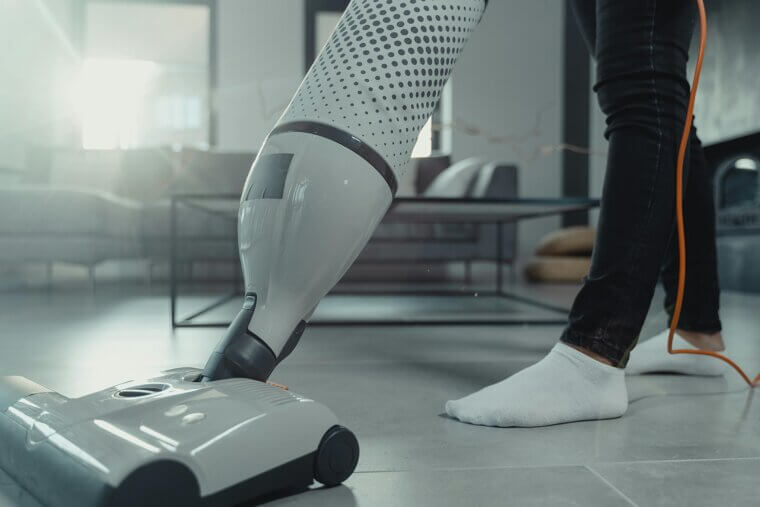
They are reportedly ensuring their bodies stay "used to" the physical demands of daily life, preventing the "frailty trap."
The "Gratitude Three" Evening Reflection
Before closing their eyes, many centenarians reportedly name three specific things they are grateful for from that day. This "gratitude habit" allegedly rewires the brain to look for the "bright spots" even in difficult times. Chronic negativity is reportedly linked to higher levels of cellular aging, while a grateful heart is linked to better cardiovascular health. By ending the day on a positive "neuro-chemical" note, they are reportedly lowering their overall anxiety and improving their heart-rate variability.

It is a psychological "tonic" that supports a long, peaceful, and contented life, and is highly-recommended by many health fanatics.
"Chewing Your Water" for Digestion
A quirky but effective habit reportedly practiced by some super-agers is "chewing" their liquids—meaning they swish their water or smoothies in their mouths before swallowing. This reportedly mixes the liquid with saliva, which contains important digestive enzymes. By starting the digestive process in the mouth, they are allegedly reducing the load on their gut and improving nutrient absorption. In later years, when stomach acid naturally decreases, this trick comes in handy.

It is reportedly a vital way to ensure they are getting every bit of "metabolic intelligence" out of their food and drink.
The "I Can" Independence Affirmation
Finally, many North American super-agers reportedly maintain a fierce "independence mindset." They allegedly tell themselves "I can do this" when faced with a small physical or mental challenge, rather than asking for help immediately. This habit reportedly maintains their "self-efficacy"—the belief in their own ability to handle life. This mindset is reportedly a major predictor of long-term health, as it keeps the "will to live" and the "will to move" strong.
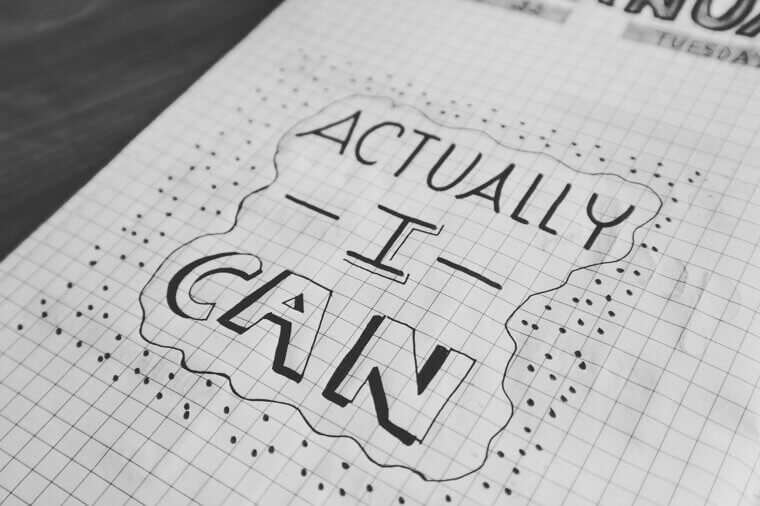
By choosing independence in small ways every day, they are reportedly ensuring they remain the "captains of their own ships" well past age 100.