Cooking Smarter When You Are Cooking for Fewer
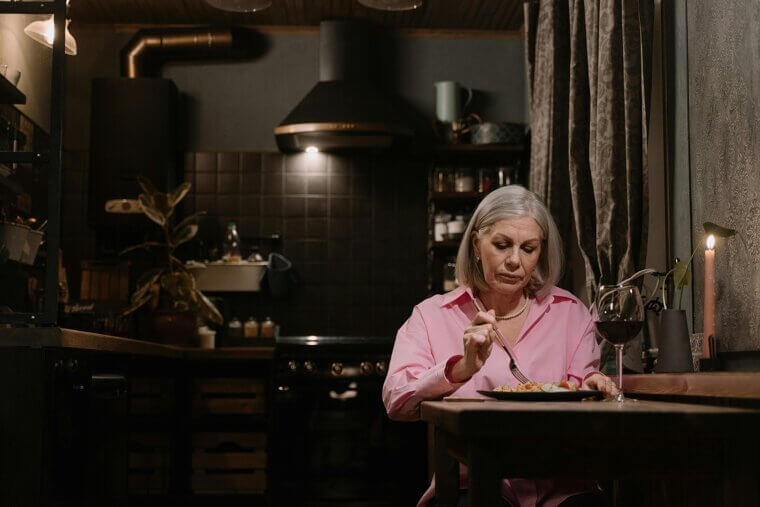
Cooking in retirement often means adjusting habits that were built around feeding a family. Recipes still assume large portions, grocery packages are oversized, and leftovers can pile up quickly. Learning how to cook smaller amounts is not about eating less joy, it is about eating with intention. With a few practical shifts, cooking for one or two people can feel just as satisfying and far less wasteful. Small portion cooking saves money, reduces cleanup, and helps meals stay fresh. It also makes everyday cooking feel manageable instead of overwhelming. The key is working with tools, ingredients, and habits that support flexibility. Once those are in place, home cooking becomes simpler and more enjoyable, even on days when energy is limited or motivation is low.

Freeze Ingredients in Single Use Portions
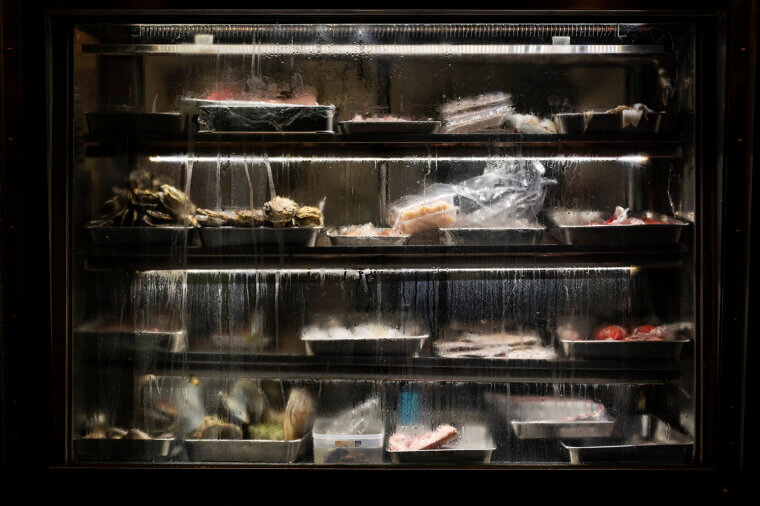
Freezing is one of the most useful tools for small portion cooking. Instead of freezing entire packages, divide meats, bread, chopped vegetables, and even cooked grains into single meal portions. This makes it easy to pull out exactly what you need without thawing too much. Ice cube trays work well for broth, sauces, and leftover wine used for cooking. Labeling containers with dates helps keep the freezer organized and avoids forgotten items. This approach reduces waste and gives you more flexibility when planning meals. Having small portions ready also makes cooking feel less like a commitment and more like a simple daily routine.
Choose Flexible Recipes Instead of Fixed Servings
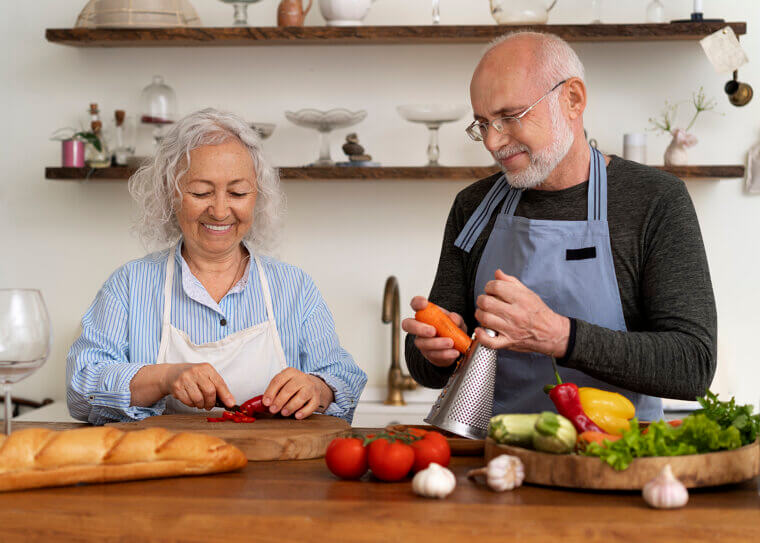
Recipes written for four can feel like a trap, so lean on meals that naturally scale. Stir-fries, omelets, skillet hashes, and salads let you use one protein and whatever vegetables are on hand. Start with a small base, taste as you go, and stop when the pan looks right for your appetite. For soups and stews, cook a modest pot and freeze half immediately in two-cup containers, which creates future dinners without repetition. Keep a “mix-and-match” template on the fridge: one vegetable, one protein, one sauce, one crunch. With that approach, you do not need to halve every measurement or worry about perfect ratios. You are building a plate, not reproducing a textbook. The result is less waste, fewer leftovers, and more variety during the week. If you want structure, choose recipes measured by the handful or the spoonful, then adjust seasoning at the end for balance and better flavor.
Use Smaller Cookware on Purpose
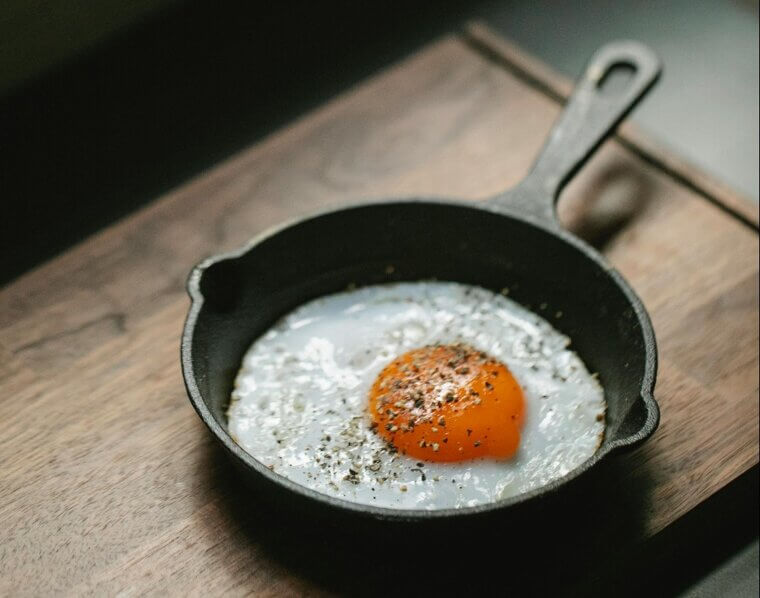
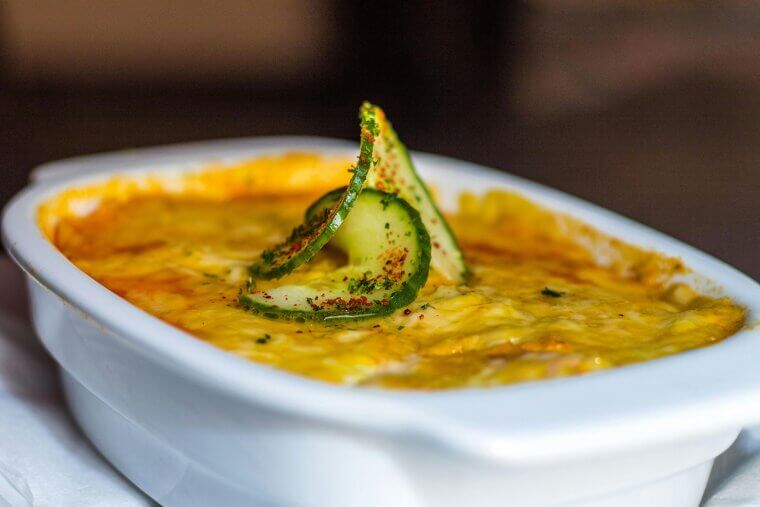
Big cookware quietly pushes big portions, so choose smaller tools on purpose. A six-inch skillet is perfect for one egg and vegetables, and a small saucepan makes a single serving of oatmeal or soup without scorching. Mini loaf pans and small baking dishes help you bake casseroles, mac and cheese, or cobblers in sensible sizes. Food also cooks more evenly when it fits the pan, which means fewer burnt edges and fewer undercooked centers. Cleanup is faster, too, and that matters when you are cooking most days. If you only own large pans, try using a sheet of foil to divide the surface, or cook components separately instead of crowding everything together. The goal is to match the tool to the meal, so portion control happens naturally without feeling restrictive. Even a toaster oven can be a small-portion hero, roasting one chicken thigh or a tray of vegetables without heating everything.
Shop the Perimeter and Buy Loose Items
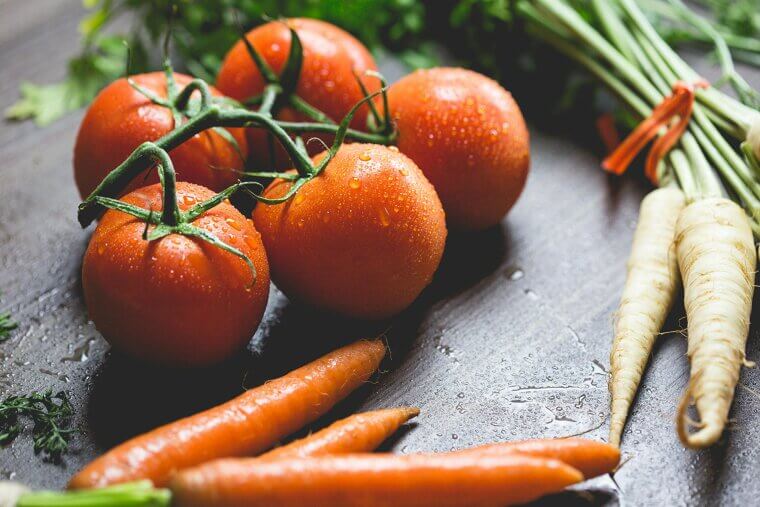
Buying smaller amounts starts with how you shop. If your store offers loose produce, pick single onions, two potatoes, or one apple instead of prebagged bundles. At the meat counter, ask for a half pound rather than a family pack, and consider splitting bulk items with a friend or neighbor. Shopping a little more often can help, especially for greens, herbs, and berries that spoil fast. Keep a running list on your phone of what is already at home so you do not double-buy. Another trick is to plan two meals that share one ingredient, like spinach for omelets and pasta, or a rotisserie chicken for sandwiches and soup. You get variety without excess, and the refrigerator stays manageable instead of crowded and forgotten. When packages are unavoidable, portion them at home right away and freeze the rest, so the grocery store size does not control your week at all.
Plan for Leftovers With a Purpose
Leftovers work best when you decide their second job before you cook. If you roast vegetables, plan to fold the extras into scrambled eggs or blend them into soup the next day. Cooked chicken can become tacos, a quick salad, or a simple broth with noodles. Even plain rice can turn into fried rice with one egg and frozen peas. The trick is to store leftovers in small containers, not one big bowl, so you can grab a single serving without committing to the entire batch. Add a sticky note on the container with the intended reuse, like “lunch salad” or “pasta add-in.” This keeps leftovers from feeling like repeats and makes you more likely to eat them while they still taste good. You save money, waste less, and keep meals interesting. If you are tired of a flavor, change the sauce or spice, and the same base feels new.
Keep a Short List of Repeatable Meals
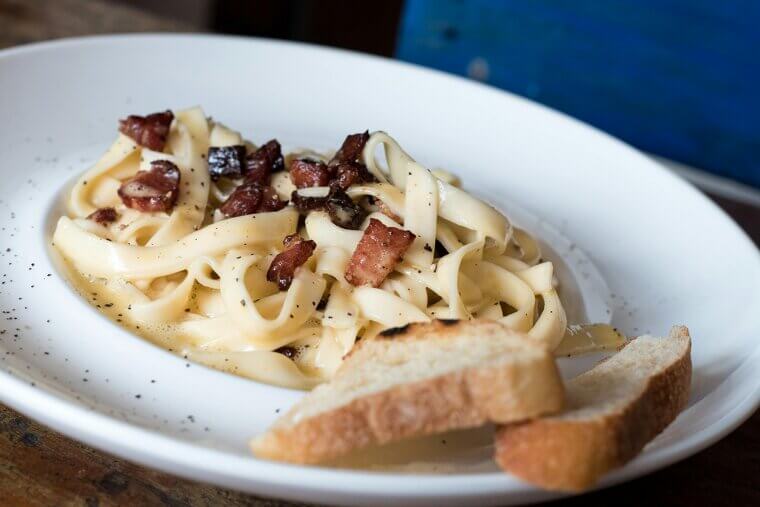
One of the easiest ways to avoid overcooking is to rely on a small rotation of meals that you truly enjoy. These are dishes you know how to make without thinking and can easily adjust for one or two servings. Examples might include a simple soup, a pasta with vegetables, or a skillet meal with eggs or fish. When you repeat meals, you get better at estimating portions and timing, which reduces waste. You also avoid buying specialty ingredients that only get used once. A short list does not mean boring meals. It means dependable ones that fit your appetite and energy level. You can still add variety by changing sauces, spices, or side dishes. This approach removes daily decision stress and makes cooking feel automatic rather than like a chore. Over time, these repeatable meals become the backbone of small portion cooking, supporting consistency without sacrificing enjoyment.
Cook Components Instead of Full Meals
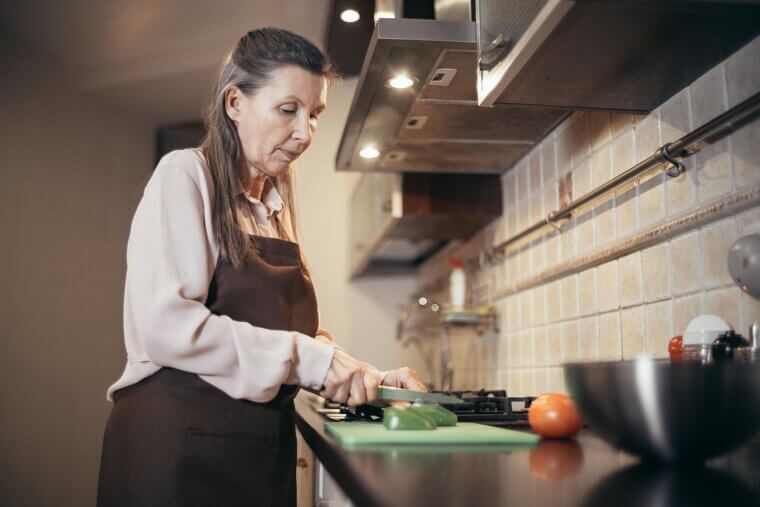
Cooking full recipes can feel overwhelming when you are making small portions. Instead, try cooking individual components that can be combined in different ways. Roast a tray of vegetables, cook a pot of grains, or prepare a protein on its own. Store each in small containers. During the week, mix and match these components to create different meals. Vegetables can go into salads, omelets, or pasta. Grains can become bowls, soups, or side dishes. This method reduces repetition without increasing effort. It also helps prevent leftovers from going uneaten because they feel flexible rather than fixed. Cooking components allows you to stop when you have enough, instead of finishing a recipe just because it is written that way. This style of cooking works well when appetite varies from day to day. You eat what sounds good and save the rest for later without pressure.
Rethink Packaged Foods and Portion Them Immediately
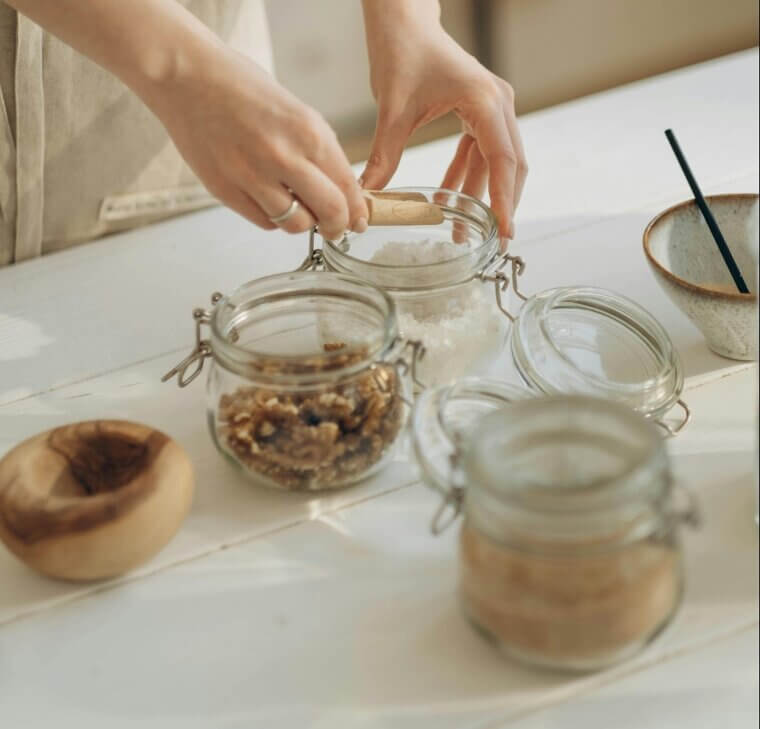
Many packaged foods are designed for families, not retirees cooking smaller meals. Instead of avoiding them altogether, portion them as soon as you get home. Open boxes of crackers, cereal, or snacks and divide them into small containers or bags. This keeps them fresh longer and prevents mindless overeating. The same approach works for shredded cheese, deli meats, and baked goods. When portions are ready, it is easier to grab what you need and stop there. This habit also makes it clear how much food you actually have on hand. Portioning right away takes a few minutes but saves time later and reduces waste. It also helps with budgeting, since you are less likely to throw away forgotten food. For small households, this one habit can make packaged items far more practical and less overwhelming.
Use the Freezer as a Planning Tool, Not Storage
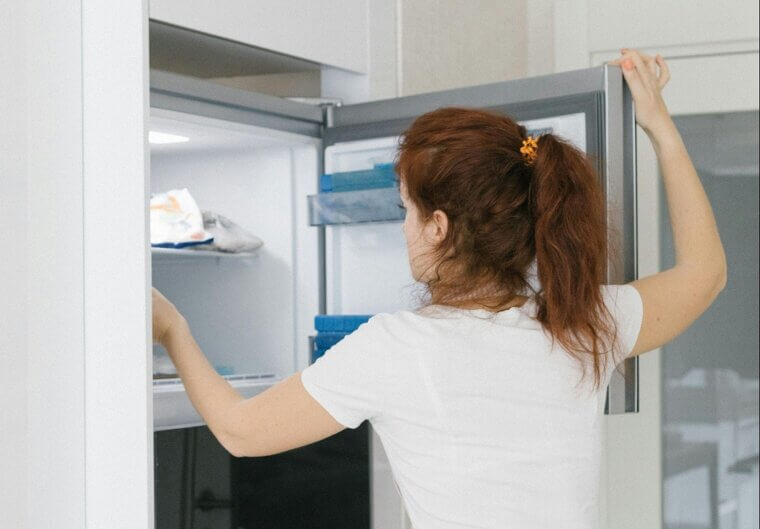
Many people treat the freezer as a place where leftovers disappear and are forgotten. Instead, think of it as part of your weekly plan. Freeze meals in clearly labeled single servings, and rotate them forward so they get used. Keep a short list on the freezer door of what is inside. This turns the freezer into a backup meal system rather than a storage space. On days when cooking feels like too much, you can choose something already made instead of ordering takeout. This supports small portion cooking because you are eating one serving at a time, not reheating an entire dish. A well managed freezer reduces pressure to cook every day and helps prevent food waste. When used intentionally, it becomes one of the most helpful tools for retirees cooking for fewer people.
Accept That Appetite Changes and Cook Accordingly
Appetite often changes with age, activity level, and daily routine. Some days you may want a full meal, and other days something lighter feels better. Small portion cooking works best when you accept this flexibility instead of fighting it. Cook what feels right for that day rather than forcing yourself to finish food out of habit. Keep easy options on hand for low energy days, such as soup, yogurt, or toast with toppings. On days when you are hungrier, you can always add a side or second helping. This mindset reduces guilt around leftovers and encourages listening to your body. Cooking becomes supportive rather than demanding. When meals match appetite, food is more enjoyable and waste naturally decreases. This approach turns small portion cooking into a comfortable routine that adapts with you, rather than a rigid system you have to maintain.