Sugar Equals Chaos
Sugar got blamed for every child bouncing off the walls. Cake? Sugar. Excitement? Sugar. Loud laughter? Definitely sugar. Science, however, doesn’t back this up, and there are no links between sugar and hyperactivity. Kids act wild at parties because parties are exciting with the balloons, games, noise, and friends. Sugar isn’t innocent, sure. And too much isn’t great. But it’s not the chaos switch it was made out to be by our parents. This idea stuck around because it felt like an easy explanation. It also gave adults something simple to point to when kids were just being kids. Over time, the myth became accepted as fact in many households.

Wet Hair = Certain Doom
Remember being chased with a towel, like having wet hair was like the end of the world? It turns out, damp hair doesn’t actually summon colds like a magic spell. Here’s the truth: colds come from viruses. Tiny germs. Not moisture. You can walk outside with wet hair, and absolutely nothing will happen. Yes, you might feel a bit chilly and regret it later, but you won’t wake up sneezing or ill.

The Knuckle-Cracking Game
Parents swore that cracking your knuckles meant arthritis would set in when you’re older. Science, thankfully, disagrees. Knuckle-cracking doesn’t damage joints and doesn’t cause arthritis. All it really does is annoy people nearby. That sound you hear comes from gas bubbles moving in joint fluid. That’s it. There’s no long-term damage, so crack away to your heart's content.
The Seven-Year Gum Sentence
Swallow gum, and it stays in your stomach for seven years. We’ll take “Things that don’t happen” for $50, please. This myth caused serious childhood fear. But, fear not, because we have some good news - your body is not a gum museum. Gum doesn’t stick around but rather moves through your digestive system like other stuff you can’t digest. It leaves the body quietly with no long-term lease. And, no, there’s no gum tree growing inside of you either.
Carrots and Superpowers
As kids, we were told that eating carrots would help us see in the dark. Parents really sold this one for some reason. Yes, carrots are good for your eyes because they have Vitamin A, but they won’t give you night vision goggles built into your face. You won’t spot enemies in total darkness, sure, but you’ll be healthy. Maybe they were onto something by telling us these myths, right?

Post-Meal Pool Panic
Why did all parents tell their kids to wait at least an hour to swim after eating? They made it sound like swimming after eating is illegal. The truth is, nothing terrible happens. You might feel a little sluggish or maybe slightly uncomfortable, but you won’t instantly cramp and sink to the bottom like a stone. Competitive swimmers eat right before races all the time, so, yes, you can swim, but we don’t recommend doing cannonballs immediately.
Dim Light Doom
Reading in low light was treated like a crime. Parents warned it would ruin your eyesight forever. We’re here to set the record straight: It can make your eyes tired, you might squint, and you might get a headache, but it doesn’t cause permanent damage. Once you rest your eyes for a bit, they recover. Your eyes are actually way tougher than you were told.

Too Close to the TV
Sitting close to the TV supposedly meant guaranteed blindness. Especially if it was a big box TV. Truth is, TVs don’t damage your eyes. They can cause eye strain and a bit of temporary discomfort, but that’s it. Kids sit close because they’re curious and don’t want to miss out on the action. Or because the couch is full. Your eyesight won’t collapse because you watched cartoons up close.

Crossed Eyes Forever
Our parents warned us that crossing our eyes would make them stay that way forever. Wild, right? Somehow that fear worked, though, even if it wasn’t true. Eye muscles relax normally - they don’t freeze in place like a paused video game. Sure, they’ll feel tired, and you might look silly, but your eyes will return to normal. No permanent cross-eyed curse included, thank goodness!
The Eight-Glass Rule
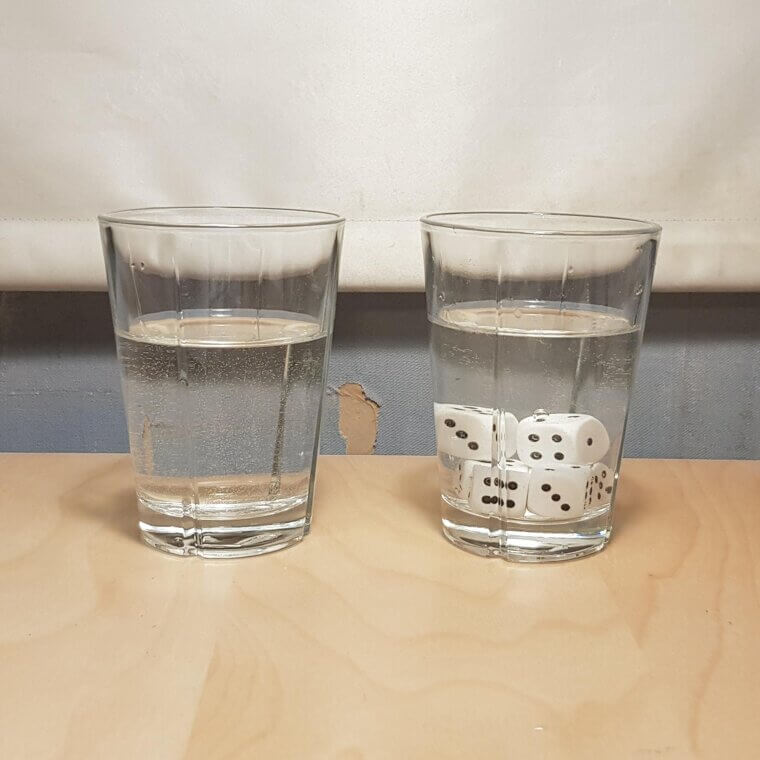
Do you remember the “eight-glass” rule? Eight glasses of water a day. No excuses and no exceptions. Miss one, and suddenly you’re dehydrated, exhausted, and apparently one step closer to death. Well, that’s according to your parents, at least. In reality, your body is far less dramatic, and your hydration needs are based on your size, activity, and diet. Your body is actually very good at sending thirst signals.
Shaving Makes Hair Angry
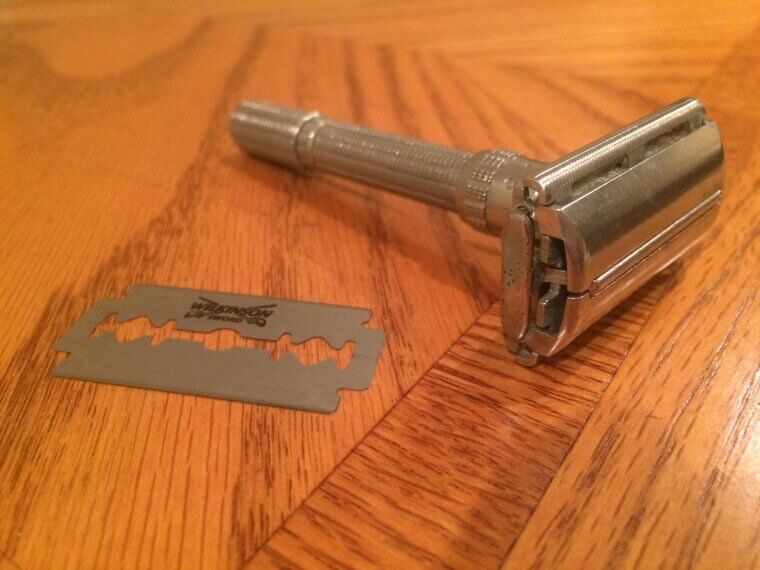
Shave once, and your hair comes back thicker, darker, and full of rage. That’s how the story goes. But, despite what you were told, hair doesn’t have emotions. Or revenge plans for that matter. Shaving doesn’t change how your hair grows - it only cuts it bluntly. When it grows back, the blunt edge feels stubbly, so it seems thicker. The hair itself? Well, that’s unchanged.
Milk for Indestructible Bones
Milk was marketed as liquid armor back in the day. All you had to do was drink it, and your bones became unbreakable. Sadly, that’s not how bodies work. Yes, milk provides calcium, which supports bone health, but bones still break. Your bones need more than just calcium to be strong and healthy. Milk helps, but it won’t turn you into a human action figure that’s indestructible.

Toads and Warts
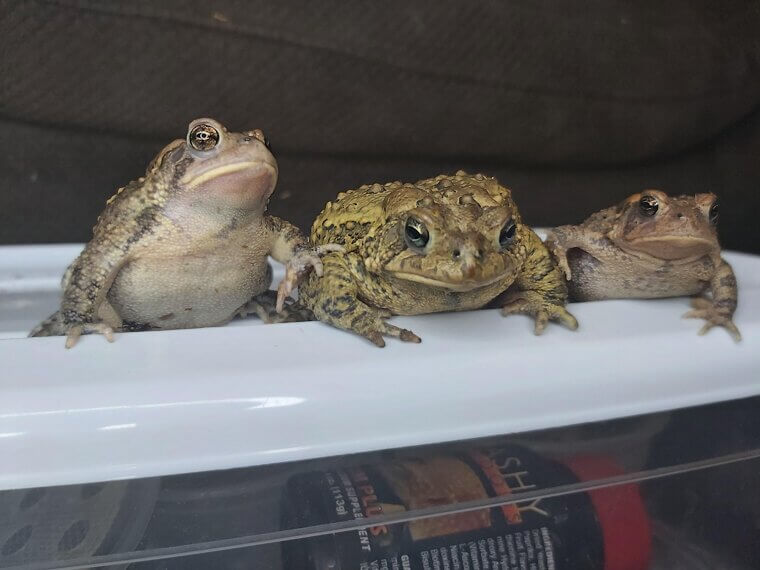
Touch a toad, and suddenly you’re covered in warts. Childhood logic was truly something. In reality, warts come from viruses. Not frogs. Not toads. Not innocent amphibians minding their own business. Toads do not carry wart curses. Some toads can release toxins, so it’s still a bad idea to grab random wildlife. But warts? Nope. That myth was just a very effective way to keep kids from touching slimy things.
The Watermelon Jungle
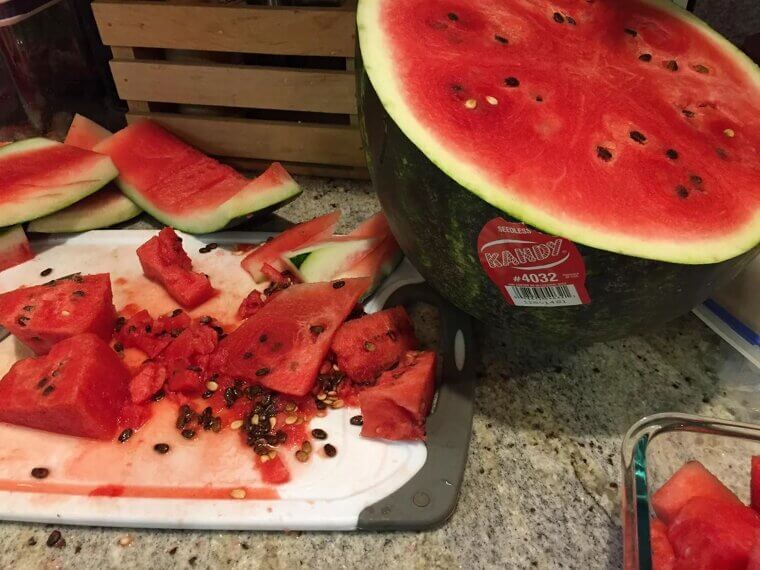
This one had us scarred for life! Swallow a watermelon seed, and you're a walking greenhouse. That image haunted a generation. Thankfully, your stomach is not suitable for farming. Seeds do not sprout inside you. Digestion shuts that idea down immediately. The seed passes through your system and exits without drama. No vines. No leaves. No surprise fruit harvest. Your belly is not a garden. Nature has boundaries.
Daily Hair Washing Disasters
Washing your hair every day was treated like a personal attack on your scalp. Do it too often, and your hair would apparently give up on life. The truth, however, is far better. It depends on your hair type, scalp, and lifestyle. Modern shampoos are gentler than ever. Some people wash daily and have great hair. Others need less. There is no universal rule. Your hair won’t fall out because you washed it today.

Lightning’s One-Time Policy
Lightning never strikes twice. That’s what we were told, right? Well, someone clearly didn’t give Mother Nature the memo because lightning can and will strike repeatedly. Buildings get hit over and over - towers too. Lightning doesn’t remember past strikes and goes where conditions allow it to go. If something is tall and conductive, lightning will return. It’s just another myth our parents told us to keep us indoors in a storm.

Heat Escapes Through Your Head
We were told most body heat escapes through the head, like it’s some kind of escape hatch. But that’s not how heat works. Heat escapes from any exposed skin, so your head isn’t special. If your arms are bare, heat escapes there. Same with legs. Hats help because they cover skin, not because your head leaks heat faster. Jackets work too. Scarves too. There’s really no magical head portal involved.
Sleepwalker Panic Mode
Waking a sleepwalker was treated like a medical emergency. Don’t do it. Ever. Turns out, it’s not harmful. They might be confused. A little startled. Maybe annoyed. But it won’t damage their brain or soul. Often, it’s safer to gently guide them back to bed. The biggest risk is confusion and an awkward conversation later. No lasting harm. Just a strange memory and a good story you can tell your friends. You can even record it for a few laughs now.

The Goldfish Memory Myth
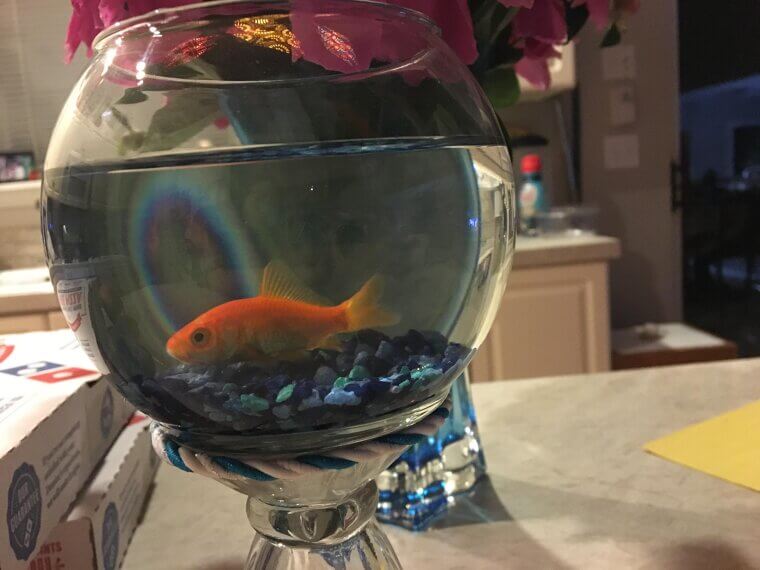
Goldfish were unfairly branded as forgetful when we were kids. What you don’t know is that goldfish can remember things for months. They recognize routines, learn patterns, and can actually respond to training. They know when food is coming. Honestly, they’re doing just fine. This myth says more about us than them. On some mornings, the goldfish might actually be winning the memory game while we’re trying hard to catch up.
The Five-Second Rule
Drop food, count to five, and it’s still safe to eat. That rule gave kids confidence where none was deserved. Germs don’t wait politely, and bacteria transfer instantly. Time doesn’t matter. The floor does. Still, many of us will eat it anyway. Why? Well, we’re not actually sure. The rule itself is completely made-up, though.