Replacing Balanced Meals With Processed Meats
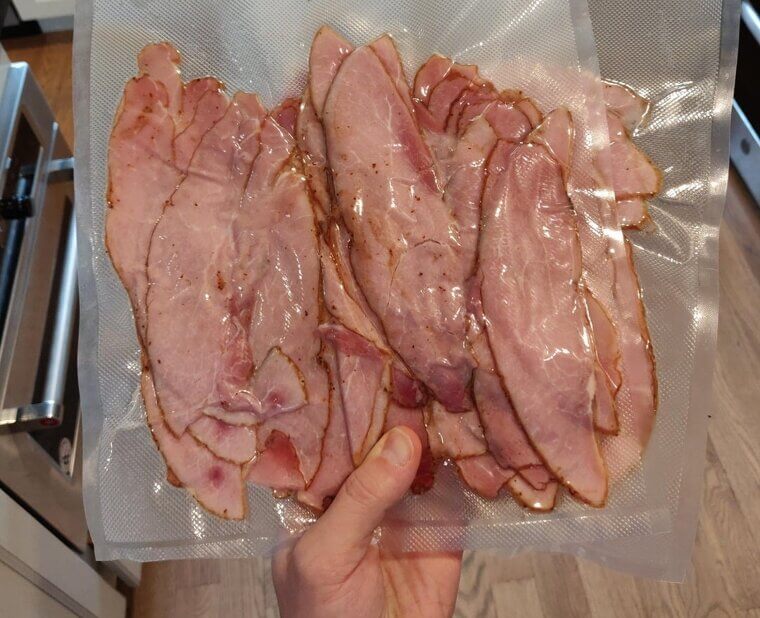
Many older adults turn to processed meats such as deli slices, sausages, or pre cooked patties as a shortcut for easy protein. While convenient, these foods often contain high levels of salt, preservatives, and saturated fat, which can create problems when eaten regularly. Older adults frequently notice increased thirst, digestive discomfort, or swelling after relying on processed meats at dinner or lunch. These products also tend to lack the nutrient balance that comes from pairing whole protein sources with vegetables or grains. Over time, depending on processed meats leads to unsteady energy and poor meal satisfaction, which can trigger overeating later in the day. Many older adults eventually regret this shortcut and switch back to simpler whole foods like roasted chicken, canned tuna in water, or soft cooked eggs. These options are just as easy to prepare and provide steadier comfort without the downside of heavy additives.
Skipping Full Meals in Favor of “energy” Snacks
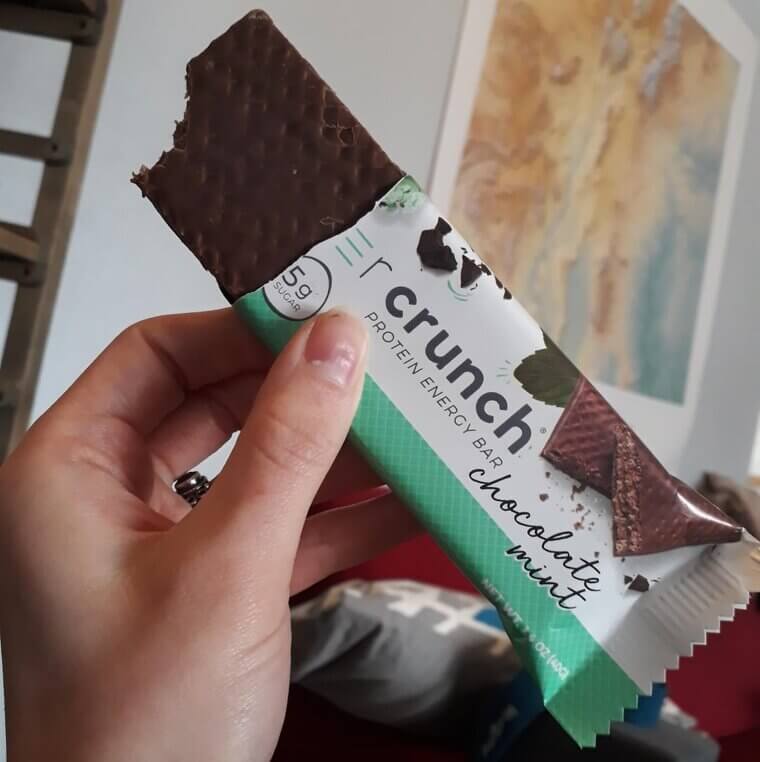
Many older adults try to replace real meals with quick snacks or convenience bars, assuming it saves time and keeps energy steady. In practice, these options often fall short. Snack sized foods usually lack balanced protein, fiber, and nutrients, which leads to hunger soon after eating. Older adults may feel lightheaded, irritable, or tired later in the day because the body never receives enough fuel at once. This shortcut also encourages overeating at night, which can cause digestive discomfort. Over time, depending on snacks alone creates uneven energy levels, unplanned cravings, and poor hydration habits. Most older adults eventually return to simple, balanced meals because they provide steadier energy without the roller coaster effect caused by meal skipping. Preparing small, consistent meals is far more effective than relying on convenience snacks.
Drinking Extra Coffee Instead of Resting
Older adults often rely on an extra cup of coffee to push through afternoon fatigue rather than taking short breaks. While caffeine offers temporary alertness, it often leads to jitteriness, stomach discomfort, or difficulty falling asleep later. Relying on coffee instead of rest masks the underlying need for hydration, movement, or a brief pause. This shortcut also encourages inconsistent sleep patterns, which makes fatigue worse the next day. Many older adults eventually realize that short rests, stretching, or drinking water improves energy more reliably than another cup of coffee. Replacing caffeine with light activity or a structured rest creates steadier alertness without the side effects that come from overuse.

Using Over the Counter Pain Relief as a Daily Habit
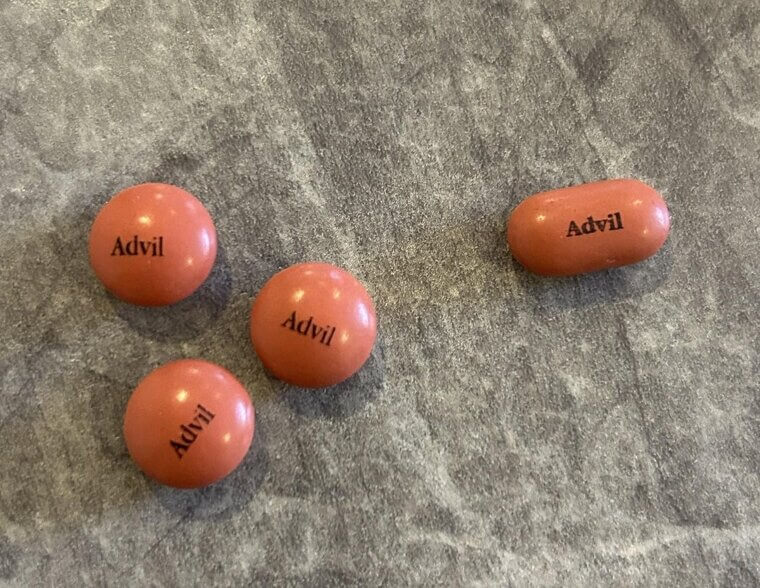
Some older adults rely on pain relievers as a shortcut instead of addressing the source of discomfort. This habit can hide underlying joint issues, muscle strain, or posture problems that worsen over time. Regular use of pain relievers may also cause stomach irritation or make individuals less aware of movements that aggravate pain. Over time, many older adults regret depending on pills instead of exploring gentler options like stretching, heat therapy, or physical adjustments that reduce strain. Managing discomfort with daily pills often becomes a cycle rather than a solution. Creating a routine that supports mobility tends to be more effective than masking symptoms with quick fixes.
Using Sugary Drinks for Quick Energy
Sugary drinks like sodas, sweet teas, or packaged juices often feel like a convenient pick me up. Older adults sometimes use them as an easy shortcut for boosting energy when feeling sluggish. However, sugar causes energy spikes followed by noticeable crashes, which create more fatigue later. These drinks also increase thirst and may lead to nighttime restlessness. Many older adults regret using sugary beverages as an energy solution because they only provide short lived relief and contribute to inconsistent eating and drinking habits. Simple alternatives like water, herbal teas, or light snacks with protein offer steadier benefits without abrupt highs and lows.
Relying on Quick Stretching Instead of Proper Warm Ups
Some older adults replace full warm up routines with a few quick stretches before activity. This shortcut often leads to stiffness, poor mobility, or minor strains because the body has not been given time to adjust. Quick stretching without warming the joints and muscles can leave older adults feeling unstable or sore later in the day. Over time, many decide that taking a few extra minutes to warm up properly is worth the effort. A structured warm up, even if brief, improves movement and reduces discomfort. Slow pacing and controlled motion prepare the body far more effectively than hurried attempts to loosen up.
Eating “light” Dinners That Lack Protein
Older adults sometimes switch to very small dinners or mostly carbohydrate based meals as a shortcut to reduce evening calories. While this may seem helpful, it often leads to hunger before bed or early morning fatigue. Meals that lack protein digest quickly, leaving the body without sustained fuel. This can lead to nighttime snacking, discomfort, or poor sleep. Many older adults regret choosing extremely light dinners because they disrupt energy balance rather than support it. A small meal with lean protein, vegetables, and simple sides offers far better nighttime comfort and stability than relying on crackers, toast, or fruit alone.
Using Vitamins as a Replacement for Real Food
Some older adults depend on vitamin supplements as a shortcut instead of focusing on well balanced meals. While supplements have their place, they cannot fully replace the benefits of whole foods. Relying too heavily on pills encourages inconsistent eating habits and may lead to dehydration or low energy. Older adults often find that supplements do little to improve how they feel when not supported by real meals. Returning to fresh foods, balanced portions, and regular hydration provides more reliable support for energy and comfort. Supplements work best as an addition, not a substitute.

Walking Only Indoors to Avoid Minor Discomfort
To avoid outdoor conditions or mild discomfort, some older adults switch entirely to indoor walking as a shortcut to stay active. This often results in shorter, less varied sessions that provide fewer benefits. Indoor walking usually involves repetitive movements on flat surfaces, which can limit joint flexibility and overall stamina. Many older adults later realize they lost endurance or balance by avoiding varied terrain. Short, manageable outdoor walks, even just a few minutes at a time, often provide better mobility support than relying only on indoor pathways. A mix of environments creates healthier habits.
Using Quick Microwave Meals Instead of Simple Cooking
Busy evenings or low energy often push older adults to rely heavily on microwave meals. While convenient, these meals usually contain high sodium, low fiber, and small amounts of protein. They also become repetitive and unsatisfying, leading to poor digestion or inconsistent energy. Older adults frequently regret depending on microwave dinners because they create habits that are easy but not supportive of overall comfort. Switching to simple, easy to prepare foods like scrambled eggs, steamed vegetables, or single pan meals gives better nutrition with minimal effort. These options take only a few minutes but offer more steady fuel.
Ignoring Hydration Until the Evening
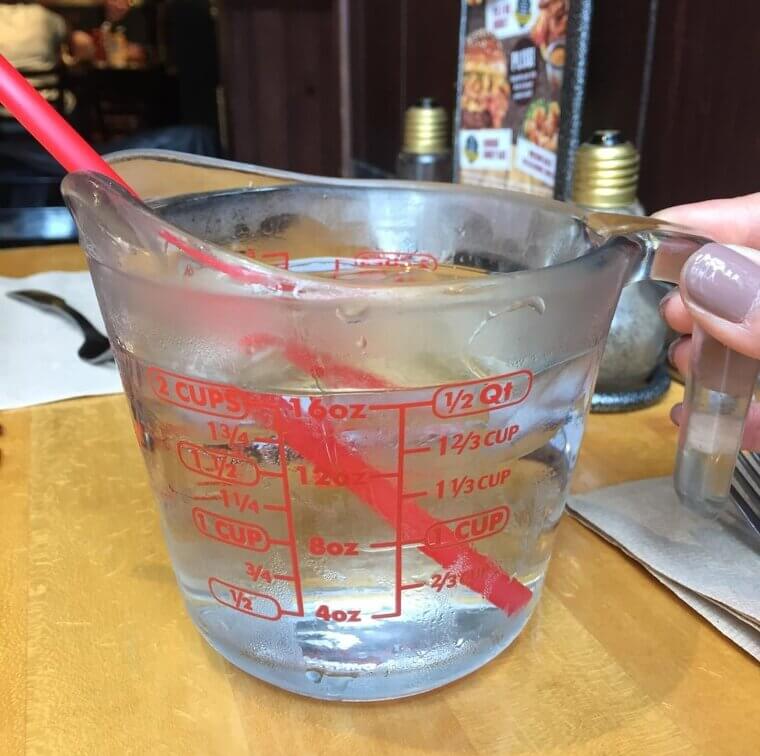
Some older adults treat hydration as a shortcut by drinking most of their water late in the day instead of throughout it. This leads to nighttime discomfort, frequent bathroom trips, and disrupted sleep. It also increases afternoon fatigue because the body has operated with low fluid levels for hours. Many older adults eventually regret this pattern because it causes more problems than it solves. Drinking small amounts steadily throughout the day supports better mobility, digestion, and energy. Adjusting water intake earlier in the day is a simple change that improves comfort without adding complexity.