Waiting Your Turn Without Entertainment
Waiting was part of daily life, and there were far fewer distractions. There was no music or screens to keep you occupied while you waited for someone to give you a ride or for a friend to show up. You usually either watched people, daydreamed, observed your surroundings, or thought through the problems of the day. What today might seem like boredom actually taught you patience, helped you develop observation skills, as well as self-reliance. Today, most free time gets filled with the use of a phone, because most people don’t have the patience to wait without constant stimulation.

Remembering Schedules Without Reminders
Teenagers did not have phones in their pockets in the 1960s. Instead, they had to commit their schedules to memory or hang them up where they could see them daily, usually in the kitchen. Teens remembered school events, work shifts, practices, and plans with friends because they had to. There were no alarms going off to remind them of the things they needed to do, and if they forgot something, they just missed the activity. Struggling with real-life consequences of forgetting taught people the importance of accountability and planning ahead.
Reading a Paper Map Without Getting Lost
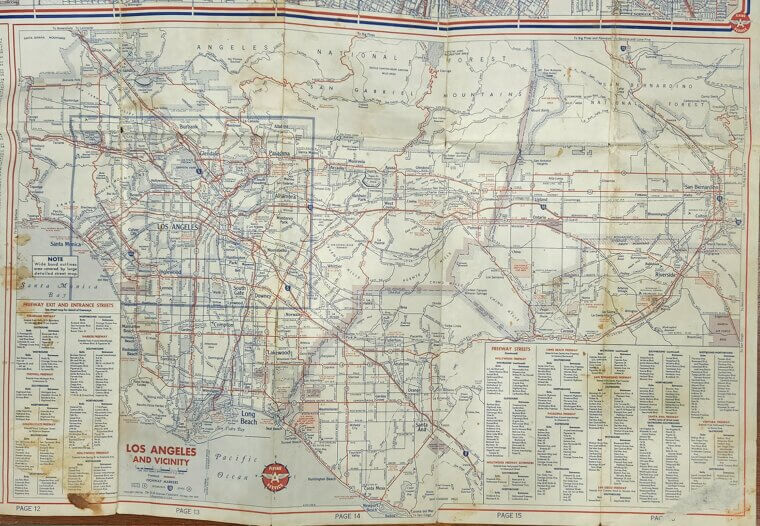
Unfolding a giant paper map and actually using it was a skill that every teenager learned in the 1960s. They knew how to trace routes with their fingers, understand legends, and adjust if they missed a turn. Making a wrong turn required people to pull over, consult the map, or even ask others for directions, which led to developing social skills in addition to map reading skills.
When relying on a physical map, you had to develop skills like understanding scale and directions, recognizing landmarks, and visualizing in 3D what you saw on the paper map. There was no voice telling you what to do next except your own, which built self-confidence and resulted in personal satisfaction.
When relying on a physical map, you had to develop skills like understanding scale and directions, recognizing landmarks, and visualizing in 3D what you saw on the paper map. There was no voice telling you what to do next except your own, which built self-confidence and resulted in personal satisfaction.
Phone Etiquette in the Landline Era
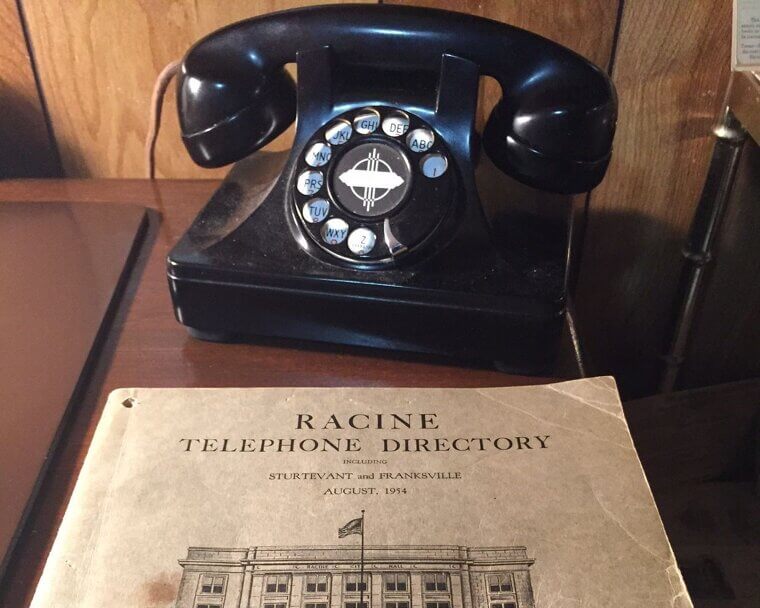
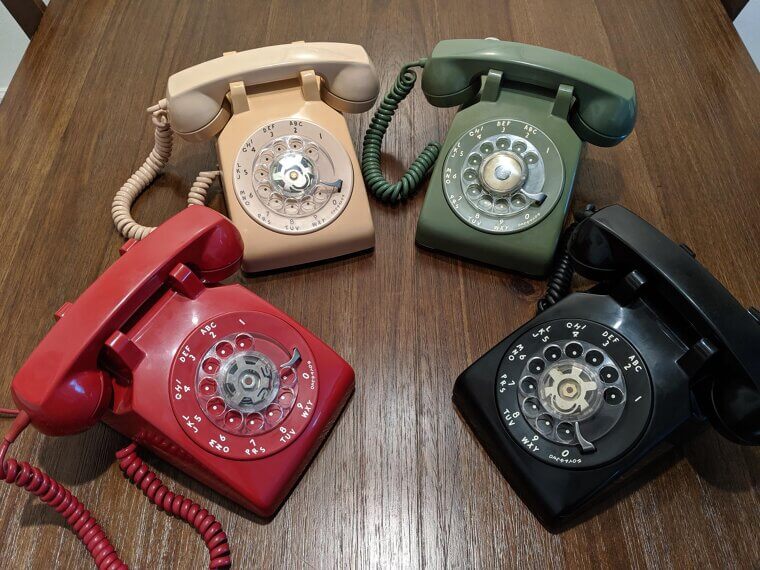
In the 1960s, answering the phone meant speaking to whoever was on the other end without knowing who it was. There was no caller ID, so teenagers had to be prepared for anything—a friend, a parent's boss, or even their crush. When calling someone, teens had to politely ask for their friend by name and often chat briefly with their friend's parents before getting connected. Every conversation happened in real time with no chance to edit what you said. This regular practice helped teens learn to think on their feet and handle unscripted conversations with ease.
Managing Money Without Cards or Apps
Teens in the 1960s handled physical cash for everything—movies, snacks, gas, and dates. Budgeting was essential because once the money in your wallet was gone, there was no ATM or digital transfer to bail you out. You had to plan ahead for the week, count what you had left, and decide whether you could afford that burger or needed to save it for gas. The physical act of handing over bills and coins made spending feel immediate and real. If you miscalculated, you went without or had to explain to your parents why you needed an advance on next week's allowance. This hands-on approach taught teens to track their spending better and make deliberate choices about where their money went.

Writing Letters With Care and Intention
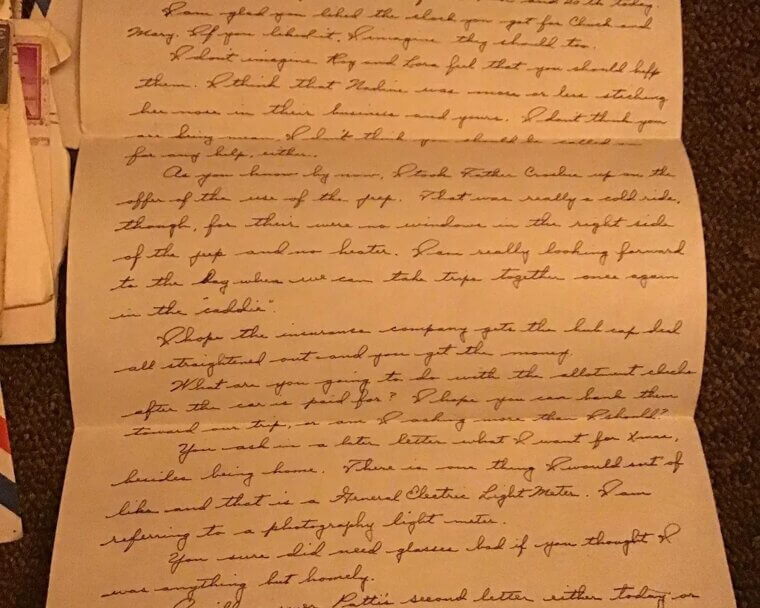
Letter writing was how teens stayed in touch with distant friends, relatives, and pen pals in the 1960s. Unlike a phone call, which happened in real time, writing a letter gave you time to think through what you wanted to say. Teens chose their words carefully, knowing the letter would be read, reread, and possibly kept for years. Legible handwriting mattered, and so did tone—you couldn't rely on emojis or voice inflection to convey meaning. It took days or weeks to get a reply, which meant you had to be clear and complete in what you wrote. This slower pace of communication encouraged thoughtful expression and taught teens to organize their thoughts before putting pen to paper.
Remembering Phone Numbers by Heart
Teenagers in the 1960s had to memorize phone numbers for their family and close friends. You couldn't make a call if you couldn't recall the number, and there was no way to save contacts digitally. Most teens memorized the most important numbers—home, their best friend—while less frequent numbers got written in address books. Memorizing numbers became automatic through repetition. If you forgot a number, you had to look it up in the phone book or call directory assistance, which cost money.
Cooking Simple Meals From Scratch
Before microwaves and many of the conveniences we have today, most teenagers made their breakfasts, simple dinners, and snacks using whatever was available at their house. Many teens cooked without ever having been formally trained or having a recipe to follow. Cooking at that time fostered both creativity and a sense of responsibility. Teenagers were able to make their meals and feed themselves without making a big deal out of it. Nowadays, convenience foods make it easy to prepare meals in advance.

Entertaining Yourself Without Screens
Boredom was real, and you dealt with it. Teens read, built things, played instruments, or just went outside. There was no endless scrolling. You learned to make your own fun. That skill built imagination and patience. Being alone with your thoughts was normal. Today, screens fill every quiet moment. Back then, figuring out how to pass the time without technology was a basic life skill every teenager had.

Dressing Appropriately Without a Dress Code Reminder
Teens in the 1960s learned strict dress expectations from parents and through social observation. They knew to wear their best clothes to church, avoid jeans at school, and dress formally for dates because that's what everyone did. While schools did have explicit dress codes—regulating skirt lengths for girls and hair length for boys—much of the enforcement came from social pressure and fear of standing out. Teens learned these unwritten rules through correction and by watching others, developing awareness of what different situations required.

Navigating Social Situations Face to Face
Teens handled conflict, friendships, and awkward moments in person. There was no hiding behind screens. If you had an issue, you dealt with it directly. That was uncomfortable sometimes, but it built confidence. Reading body language and tone mattered. Today, many conversations happen through messages. Back then, learning how to interact face-to-face was unavoidable and shaped strong social skills.

Making Plans Without Instant Confirmation
Today, teenagers get updates on each other's whereabouts using their phones, but this was not a luxury teens in the ‘60s had. In the 1960s, making plans meant setting a time and a place and trusting it would happen. Teens agreed to meet at the movies, the park, or at a friend's house and then just showed up. There were no texts to confirm the time or venue, and no updates if someone was running late. If plans changed or could not be kept, you found out later. This helped teenagers learn patience and responsibility.

Handling Rejection Without Broadcasting It
Teens back then were able to handle their emotional issues privately. No matter what you were going through as a teen, whether a breakup, a disagreement, or feeling left out, it stayed personal. You either talked it through with a friend, a parent, or handled it on your own. There were no social media posts, comments, or public reactions. You were allowed to feel, but your feelings did not become everyone’s business. Back then, learning to cope privately was an important part of growing up.

Fixing Small Household Problems Yourself
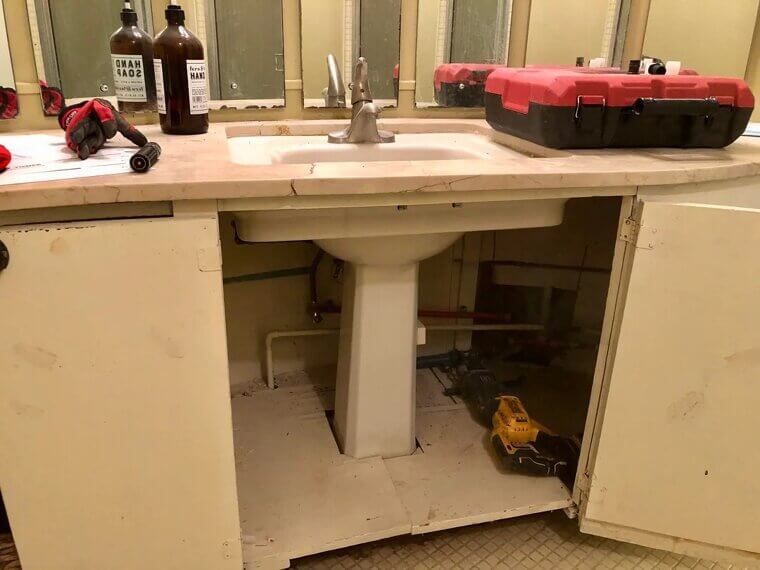
In the ‘60s, it was common for teenagers to attempt to fix small issues around the house before asking an adult for assistance. If a hinge was loose or a faucet was leaking, most teens would pick up a screwdriver and give it a try. Many learned how to do repairs by watching their parents, their neighbours, or simply through trial and error. Not every repair effort was a success, and that was okay. Mistakes were part of learning. There were no resources online to teach you how to fix anything, and figuring things out on your own built confidence and patience. Those small repair attempts taught practical skills that stuck with people long after childhood.
Navigating Without Adults Hovering Nearby
Nowadays, teens are used to being tracked by their parents or guardians and checking in with them constantly. However, in the 1960s, teens were trusted to navigate their way through life independently. They walked to school, rode bicycles across town, and took public transportation with little or no supervision from adults. Parents expected their children to be responsible, think on their own, and find their way home safely. When teens got lost or delayed, they handled it, and learned to cope with those situations. That independence fostered a great deal of confidence in teenagers.