Ground Beef and Tater Tot Hotdish
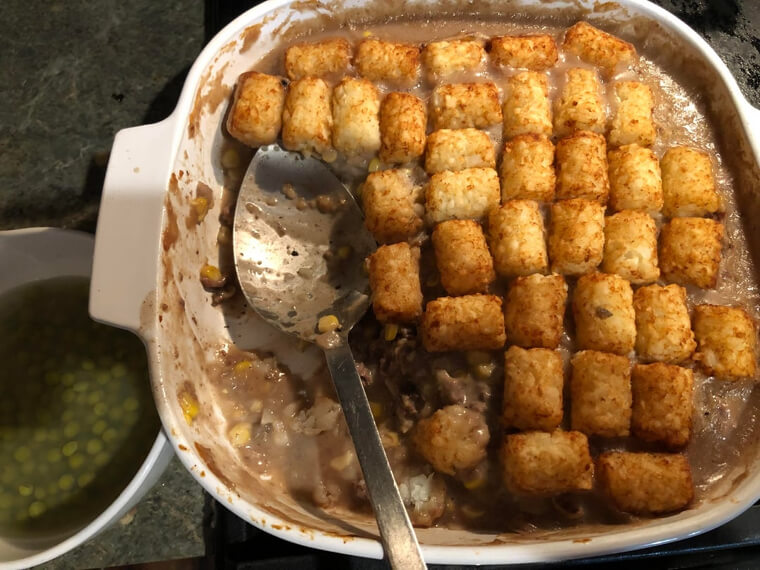
In the Midwest especially, the Tater Tot hotdish was the ultimate comfort food throughout the 1970s. This casserole featured a base of browned ground beef mixed with canned green beans and, of course, cream of mushroom soup. The entire surface was then meticulously tiled with frozen tater tots before being baked to a golden brown. The goal was to have a soft, salty interior with a crispy potato crust. While this dish still exists in some regional pockets, it has largely vanished from the broader American culinary landscape. The high sodium content and the use of multiple processed components make it a rare sight in an era of whole foods and fresh produce. It represents a time when the freezer and the pantry were the primary sources of inspiration for a busy parent trying to get a hot meal on the table before the evening news started.
Tuna Noodle Casserole With Crushed Potato Chips
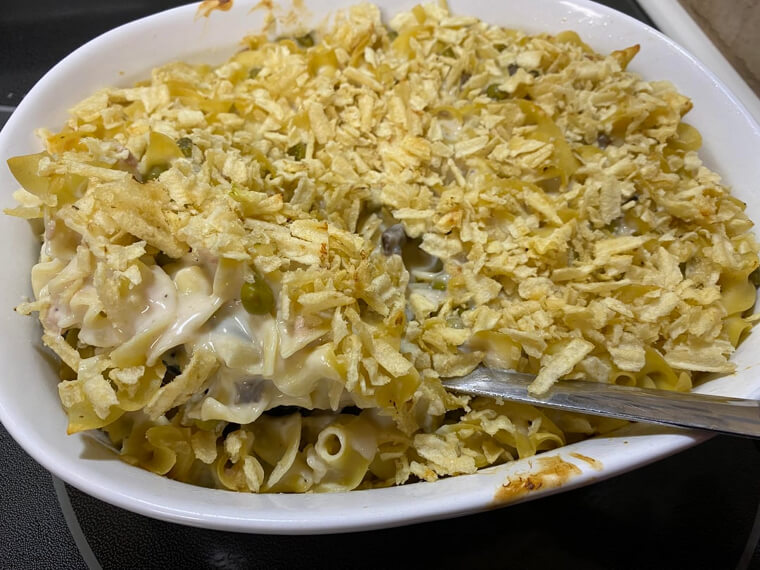
While tuna and noodles are still pantry staples, the specific 1970s preparation of this dish has largely vanished from modern dinner tables. The traditional recipe relied on a base of canned tuna, egg noodles, and a heavy dose of cream of mushroom soup. The defining characteristic, however, was the crunchy topping made of crushed potato chips. This added a salty grease factor that was highly prized in mid-century cooking. Today, if someone makes a tuna bake, they are more likely to use panko breadcrumbs or even a fresh bechamel sauce. The heavy reliance on processed chips as a structural element of a main course is a hallmark of the seventies that has fallen out of favor. It was a dish born of the desire to create a filling meal out of shelf-stable items, but modern health trends and a preference for fresh seafood have relegated it to the history books.
Ham and Bananas Hollandaise
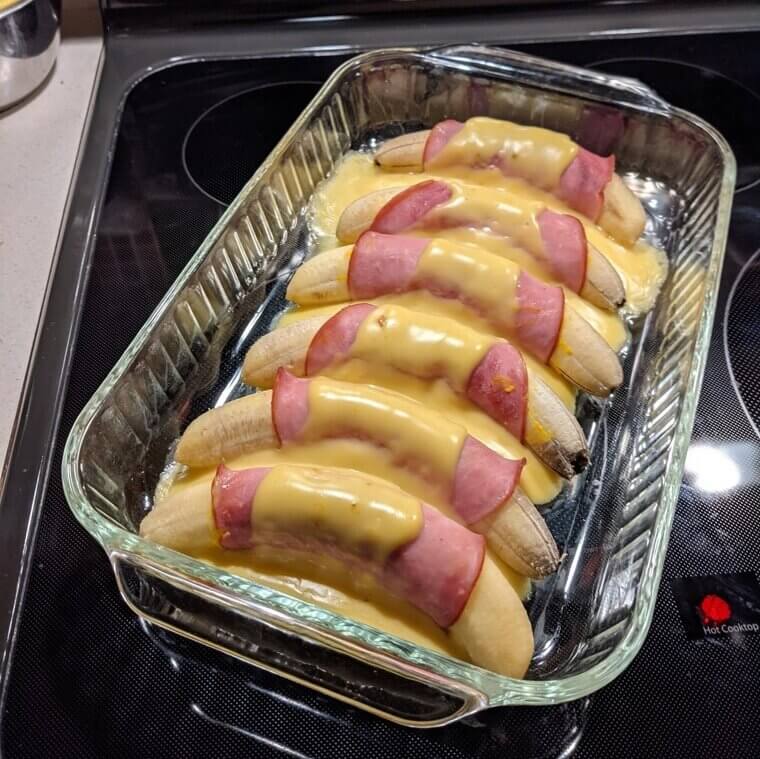
Perhaps one of the most polarizing dishes of the era, the Ham and Bananas Hollandaise casserole is a testament to the experimental spirit of the 1970s. This dish involved wrapping firm bananas in slices of boiled ham, placing them in a baking dish, and smothering them in a rich hollandaise sauce. Sometimes a splash of lemon juice or a sprinkle of mustard was added for extra zest. The result was a warm, soft, and sweet-salty combination that modern diners often find baffling. At the time, fruit and meat pairings were considered quite sophisticated and were frequently featured in high-end lifestyle magazines. As culinary standards shifted toward more natural flavor profiles, the idea of a hot, ham-wrapped banana became a punchline rather than a dinner party staple. It remains one of the most visible examples of how drastically our collective taste buds have changed over fifty years.
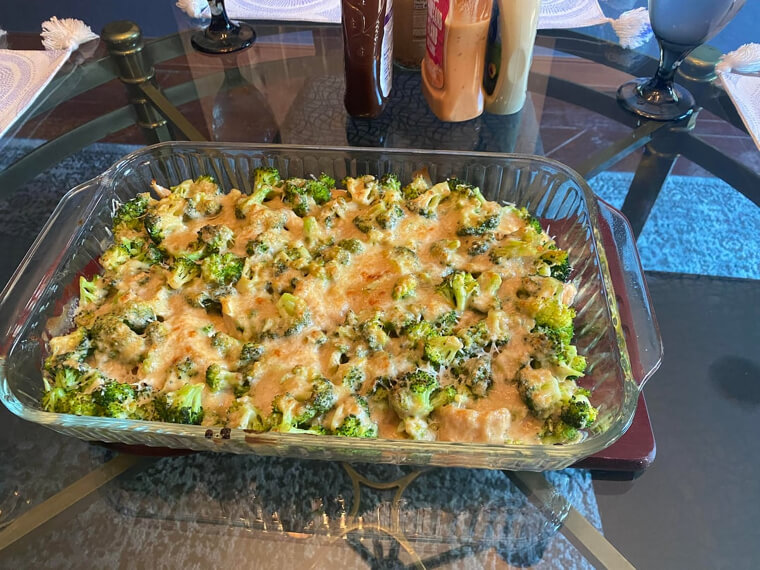
Chicken Divan With Frozen Broccoli
Chicken Divan was a staple of the 1970s because it felt elegant despite being composed mostly of frozen and canned goods. The dish typically consisted of poached chicken breasts and stalks of frozen broccoli submerged in a thick sauce made of mayonnaise, heavy cream, and curry powder. The curry powder was the "exotic" touch that made it feel modern for the time. It was almost always topped with a generous layer of processed cheddar cheese and baked until bubbling. Today, the idea of baking mayonnaise is less appealing to the average home cook, and fresh broccoli has replaced the mushy frozen version. While the flavors of chicken and broccoli remain a popular pairing, the specific heavy, creamy, and curry-scented construction of the 1970s Divan has quietly slipped away in favor of stir-fries and lighter roasted versions.
Pineapple and Cheddar Cheese Bake
The 1970s saw a strange obsession with pairing canned fruit with sharp dairy, and the pineapple and cheddar casserole was the result. This side dish was a mainstay at Southern potlucks and holiday gatherings. It featured canned pineapple chunks mixed with sugar and flour, topped with a massive amount of shredded cheddar cheese and crushed buttery crackers. The combination of the acidic, sweet fruit and the oily, salty cheese created a flavor profile that was intensely savory and sweet. While it sounds like an odd dessert, it was served alongside ham or fried chicken. Modern sides tend to be much simpler, focusing on roasted vegetables or fresh salads. The heavy, baked fruit casserole has largely disappeared because it occupies a strange space between a side dish and a dessert that no longer fits the modern balanced plate.
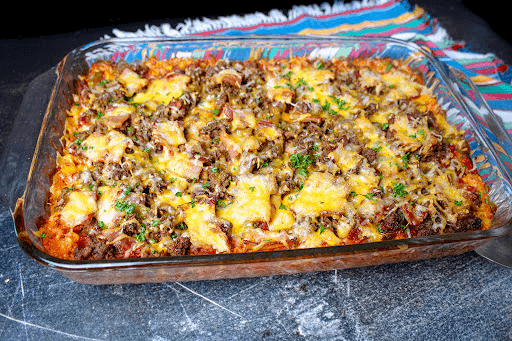
Seven Layer Ground Beef Bake
The seven layer casserole was a marvel of vertical engineering in a glass Pyrex dish. It typically started with a layer of raw sliced potatoes, followed by layers of ground beef, sliced onions, raw carrots, green peppers, and uncooked rice. The entire stack was then doused in tomato soup or diluted tomato paste and baked for hours until everything was tender. This was a "set it and forget it" meal long before the slow cooker became a household essential. The problem with this dish was that the textures often merged into a singular, soft consistency, and the flavors became quite muted over the long cooking time. Modern cooks prefer to sauté vegetables and sear meat separately to preserve distinct textures and bright flavors. This layered approach to cooking has been replaced by more dynamic methods that do not result in a uniform, tomato-scented block of food.
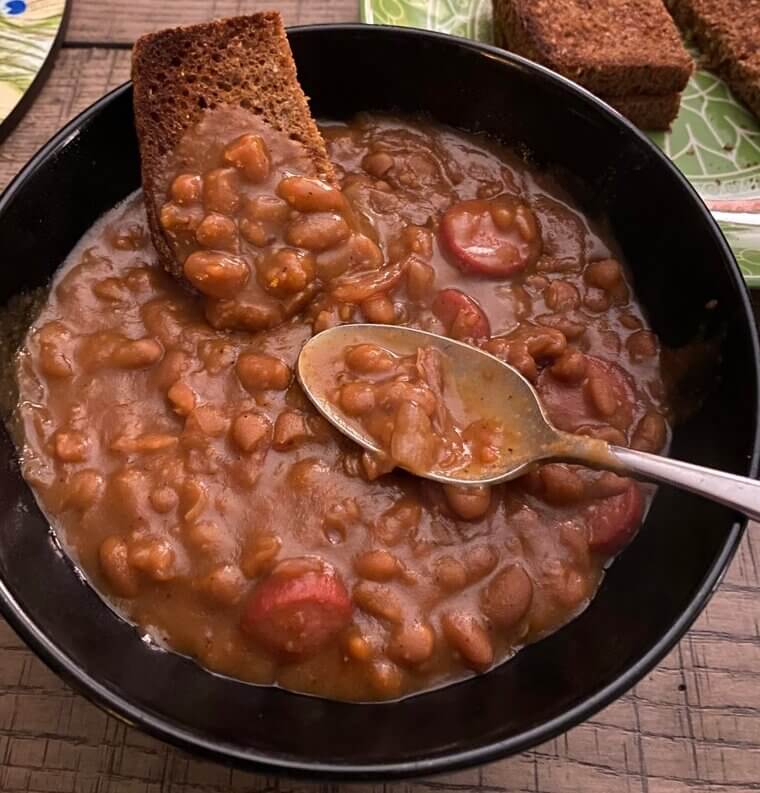
Frank and Bean Casserole
Hot dogs were a primary protein source for many families in the 1970s, and the frank and bean casserole was a frequent Tuesday night dinner. This was essentially an upgraded version of pork and beans, featuring sliced frankfurters, brown sugar, mustard, and sometimes a topping of refrigerated biscuit dough. It was sweet, smoky, and incredibly heavy. This dish was often served with a side of coleslaw to cut through the richness. Today, as people become more conscious of the additives in processed meats and the high sugar content in canned beans, this dish has fallen out of favor. It is now seen more as a child’s meal or a campfire specialty rather than a standard family dinner. The simplicity of the dish was its main selling point, but its lack of nutritional balance has led to its steady decline in the modern American household.
Creamy Asparagus and Hard Boiled Egg Bake
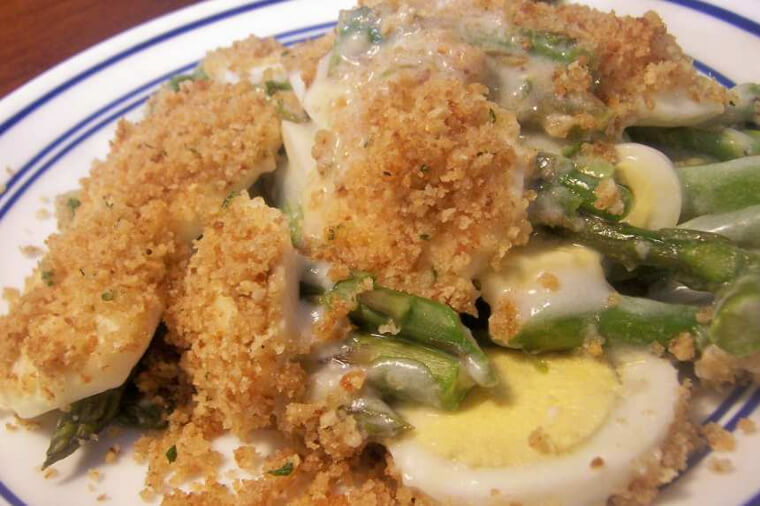
Asparagus was often treated quite roughly in the 1970s, usually appearing in canned form rather than fresh spears. This particular casserole involved layering canned asparagus with sliced hard boiled eggs in a cream sauce. It was topped with breadcrumbs and baked until the eggs were rubbery and the asparagus was soft. This was often served as a vegetarian main course or a substantial side dish during the spring. The combination of sulfurous eggs and canned greens created a very strong aroma that filled the house. Modern cooking emphasizes the crunch and bright green color of fresh asparagus, usually achieved through quick roasting or blanching. The idea of drowning this delicate vegetable in a heavy white sauce alongside overcooked eggs is a culinary trend that has thankfully been left in the past, replaced by much lighter and more vibrant preparations.
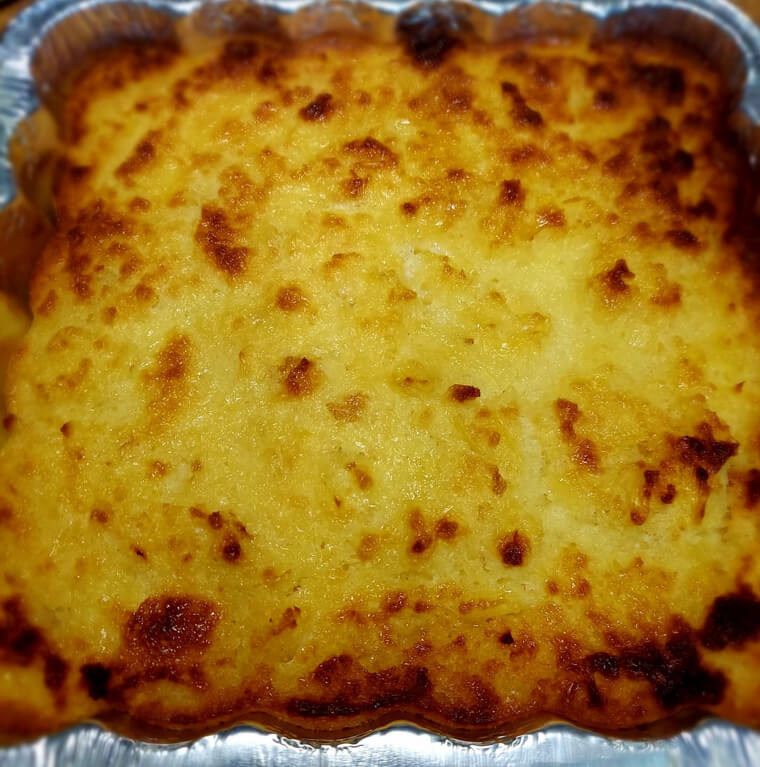
Corn Pudding With Jiffy Mix
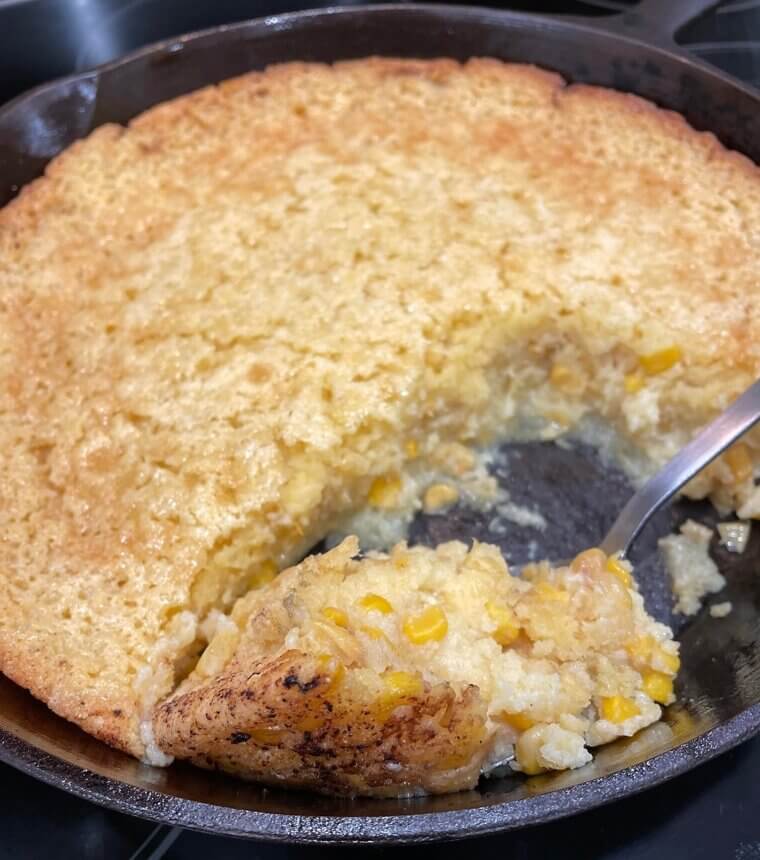
While corn pudding still makes an appearance at some Thanksgiving tables, the 1970s version was a year-round staple that leaned heavily on the sweetness of Jiffy corn muffin mix. This casserole combined the dry mix with canned creamed corn, whole kernel corn, sour cream, and a significant amount of melted butter. The result was a texture somewhere between a souffle and a moist cornbread. It was incredibly rich and served as a side dish to almost any roasted meat. The modern shift away from high-calorie side dishes and pre-packaged mixes has made this a rarer sight. Most contemporary recipes for corn sides focus on elote-style preparations or simple grilled cobs. The heavy, cake-like consistency of the 70s corn pudding is now considered a bit too indulgent for a regular weekday meal, leading to its quiet withdrawal from the standard recipe rotation.
Turkey Tetrazzini
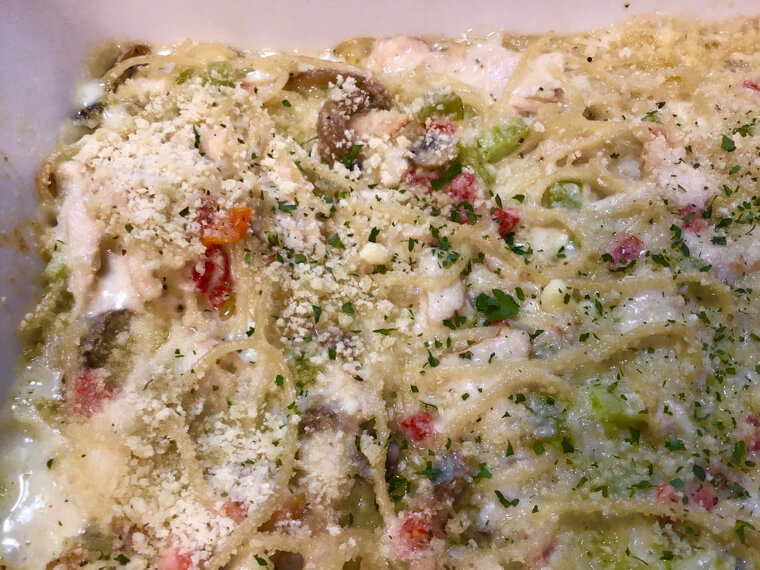
The 1970s was the era of the "leftover makeover," and Turkey Tetrazzini was the king of that category. After a big holiday meal, the remaining turkey was shredded and mixed with spaghetti, canned mushrooms, and a heavy cream sauce enriched with sherry. It was topped with parmesan cheese and baked until the pasta on top became crunchy. This dish was a way to stretch expensive meat into another full family meal. The use of fortified wine like sherry gave it a slightly sophisticated flavor profile that was very popular at the time. Today, leftovers are more likely to be turned into wraps, salads, or soups that feel lighter and fresher. The heavy, carb-on-carb nature of pasta baked in a cream sauce has become less popular as people move toward lower-glycemic diets and more varied flavor profiles that do not rely so heavily on canned mushroom soup.