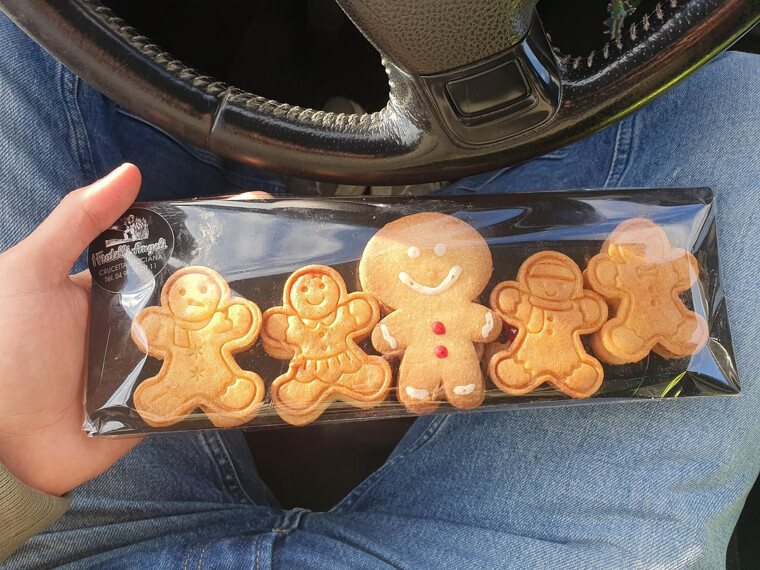
When Christmas Treats Were Part of the Countdown
In the 1960s and 1970s, Christmas treats were not something kids grabbed whenever they felt like it. They appeared slowly, often weeks before the holiday, and each one felt like a small milestone in the countdown to Christmas morning. Candy bowls stayed full, tins were opened carefully, and certain sweets only showed up once a year, which made them feel special. Kids learned patience without realizing it, waiting for permission, sneaking small bites, and savoring flavors that would disappear by January. These treats were tied to routines, rules, and shared family moments rather than convenience or abundance. Looking back, it is easy to see that the excitement came as much from waiting as it did from eating. The treats themselves became part of the memory of growing up, marking the season in a way that feels hard to recreate today.
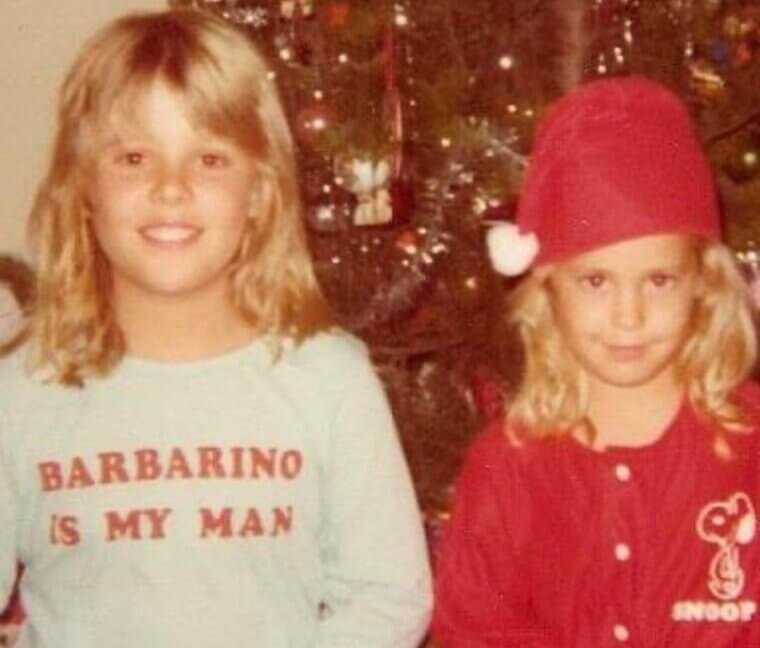
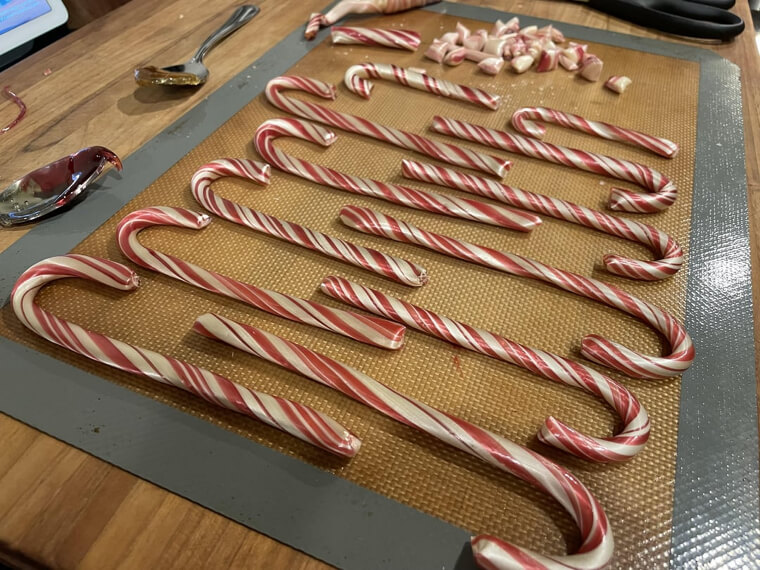
Candy Canes That Actually Tasted Special
In the 1960s and 1970s, candy canes were not an afterthought or a cheap impulse buy. They were one of the most anticipated Christmas treats for kids. Candy canes appeared only once a year, usually hanging carefully on the tree or tucked into stockings. Flavors were simple, almost always peppermint, but that simplicity made them memorable. Kids unwrapped them slowly, trying not to break the curved top, knowing once it snapped the experience felt ruined. Many children made candy canes last for days, sucking on them between activities or saving them for quiet moments. Candy canes were rarely eaten all at once. Today, candy canes show up months before Christmas in countless flavors. Back then, scarcity made them exciting. For kids growing up during that era, a candy cane meant Christmas had officially arrived and that something special was happening.
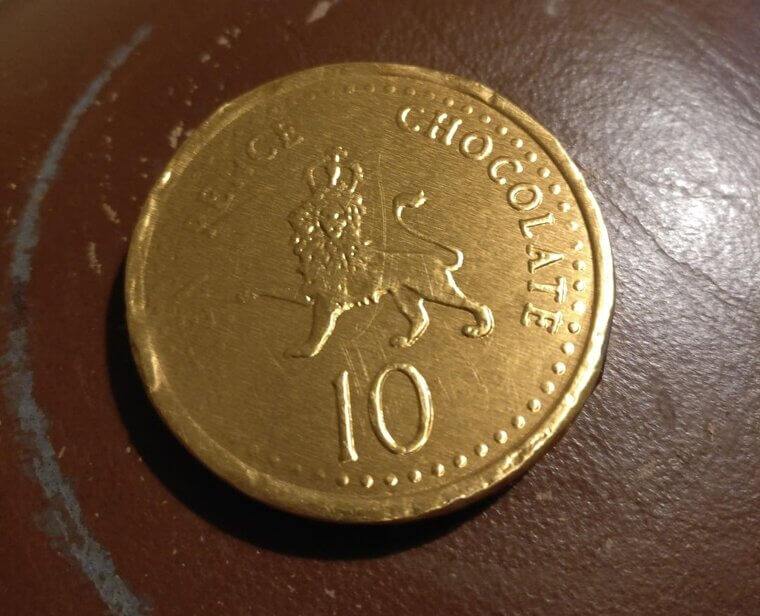
Chocolate Coins Wrapped in Gold Foil
Chocolate coins were one of the most exciting finds in a Christmas stocking. Wrapped in shiny gold foil, they felt far more important than their simple milk chocolate taste suggested. Kids peeled back the foil carefully, often trying to keep it intact so it still looked like money. The coins felt grown up and luxurious, especially compared to everyday candy. Many kids saved them instead of eating them right away, stacking them like treasure or trading with siblings. Chocolate coins were rarely available outside the holiday season, which made them feel special. Today, novelty chocolate appears everywhere year round. In the 60s and 70s, these coins symbolized abundance, reward, and celebration. For kids, finding them in a stocking added to the magic of Christmas morning and made the holiday feel rich and exciting.
Ribbon Candy You Were Told Not to Touch
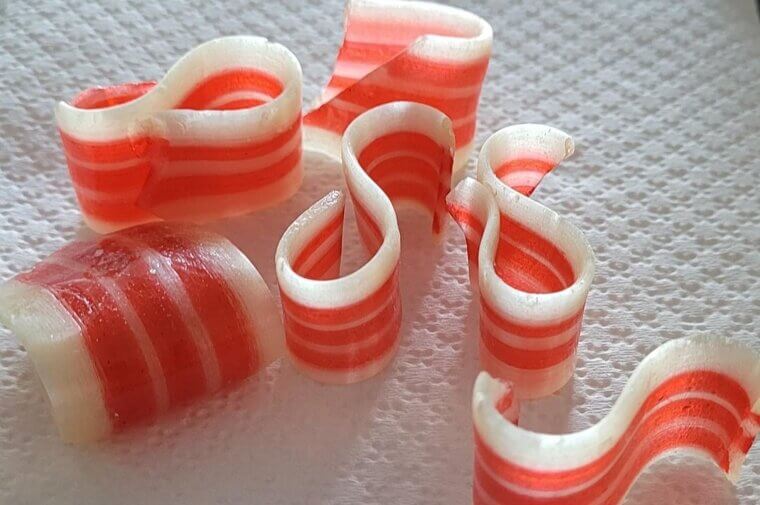
Ribbon candy sat in glass bowls throughout December and felt more like decoration than food. That only made it more tempting for kids. Adults warned children not to eat too much of it, which turned it into a quiet challenge. The candy was hard, brightly colored, and shaped into delicate loops that looked festive. Kids often snuck pieces when adults were not watching, knowing they would get in trouble if too much disappeared. Ribbon candy lasted the entire season, sometimes even into the new year. Today, ribbon candy is rarely seen and feels impractical compared to modern treats. For kids in the 60s and 70s, it represented temptation, restraint, and the slow pace of the holiday season when treats were meant to last, not be devoured immediately.
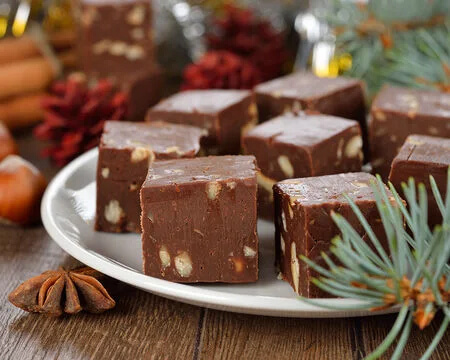
Homemade Fudge Cut Into Perfect Squares
Homemade fudge was one of the most anticipated Christmas treats for kids. Families made large batches on the stove, carefully stirring and watching temperatures. Kids hovered nearby, waiting for permission to taste. Fudge often cooled on porches or in cold rooms, which only added to the anticipation. Once ready, it was cut into neat squares and stored carefully. Fudge was rich and indulgent, far sweeter than everyday desserts. It was rarely made outside the holidays, which made it special. Today, fudge is available year round and often store bought. Back then, homemade fudge represented effort, patience, and reward. For kids, waiting for fudge was part of the experience, and the taste felt better because it came with anticipation.
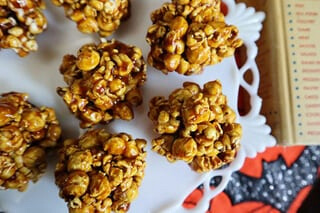
Popcorn Balls Wrapped in Plastic
Popcorn balls were a playful Christmas treat that kids looked forward to because they felt like a snack and a toy at the same time. They were made from popped corn held together with a sticky syrup, then shaped into fat, hand sized spheres that were hard to eat neatly. Many were wrapped in clear plastic and tied with ribbon, so they looked like gifts even before you opened them. Kids loved peeling the plastic back, picking at the crunchy edges, and ending up with sugary fingers and stray kernels everywhere. Popcorn balls also showed up at school parties, church events, and neighborhood gatherings, so they became part of the season’s background soundtrack. They were rarely eaten outside of December, which made them feel like a Christmas only privilege. Today, they are harder to find and often replaced by packaged snacks. For kids in the 1960s and 1970s, popcorn balls represented simple holiday chaos and the joy of treats that did not need to be fancy to be unforgettable.
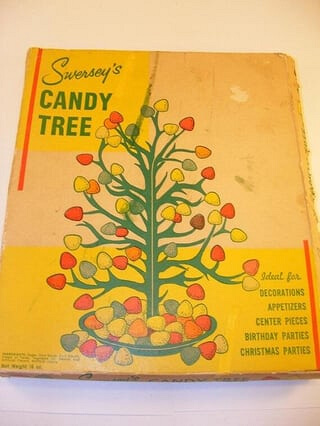
Gumdrops in Holiday Colors
Gumdrops in holiday colors were a small treat, but they carried a big Christmas feeling. They showed up in candy dishes on coffee tables, tucked into stockings, and sprinkled across homemade gingerbread houses like tiny stained glass windows. Kids loved their bright reds and greens, the sugar crystals on the outside, and that chewy pull that lasted longer than most candy. Gumdrops were also useful, which made them feel even more present. They became eyes on gingerbread people, buttons on cookie snowmen, and decorations on popcorn strings. Families often bought them in bulk for baking, so kids had the chance to sneak a few when no one was watching. Outside the holidays, gumdrops were not a common everyday candy in many households, so they stayed special. Today, they still exist, but they are less central to Christmas kitchens. For many kids from the 1960s and 1970s, gumdrops are linked to warm houses, craft projects, and the sweet smell of baking that made December feel different.
Divinity Candy Made by Hand
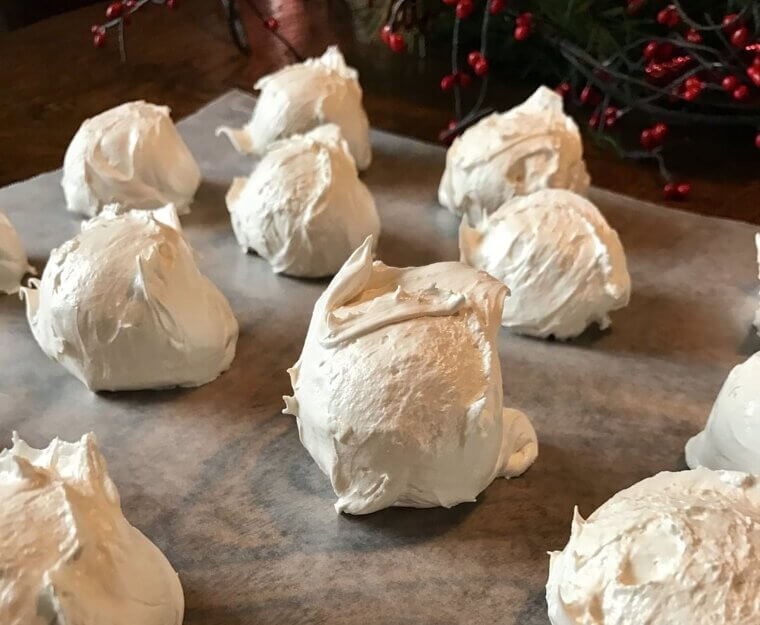
Divinity candy felt like Christmas magic because it appeared out of nowhere and disappeared just as quickly. Many kids did not see it made, because adults treated the process like serious business. Sugar had to reach the right stage, egg whites had to be beaten properly, and everything had to be timed just right. On humid days, divinity could turn sticky or collapse, so families talked about the weather as if it was part of the recipe. When it worked, the candy looked like little white clouds, sometimes dotted with pecans or walnuts. Kids loved how it crumbled and melted at the same time, leaving a soft sweetness that felt different from chocolate or hard candy. Divinity was not something most families made on random weekends. It was a holiday effort, often saved for Christmas week or for gift tins shared with neighbors. Today, it is far less common, and many younger people have never tasted it. For kids in the 1960s and 1970s, divinity was proof that Christmas treats could be rare, tricky, and worth waiting for.
Oranges and Nuts in Stockings
An orange in the stocking sounds ordinary now, but for many kids in the 1960s and 1970s it still felt like a real Christmas treat. It added color and weight to the stocking and gave off a fresh smell that mixed with pine needles and wrapping paper. In some households, oranges were not an everyday snack in winter, so getting one on Christmas morning felt special and grown up. Mixed nuts in shells often came with it, especially walnuts, pecans, and Brazil nuts, sometimes paired with a nutcracker that only appeared in December. Kids sat on the floor cracking shells, making a mess, and tasting nuts that felt fancy compared to regular snacks. These items were also practical, which was part of the tradition. They were treats, but they were not sugary, and they lasted longer than a piece of candy. Today, oranges are easy to buy and nuts come pre shelled, so the ritual has faded. For kids back then, the orange and the nuts were small symbols of abundance and tradition that made the stocking feel complete.
Store Bought Christmas Cookies
Store bought Christmas cookies felt luxurious in the 1960s and 1970s, especially when they came from a local bakery or a special holiday tin. These were not the everyday cookies tossed into lunchboxes. They were reserved for guests, family gatherings, and the days right around Christmas. Kids knew the rules. You could have one or two, but you did not grab a handful. The cookies themselves were often simple, like frosted sugar shapes, jam filled thumbprints, or butter cookies dusted with powdered sugar, but the presentation made them feel important. Bakery boxes or tins sat on the counter like a promise, and kids kept checking to see if the lid had been lifted. In many homes, buying cookies was also a sign that the holidays were officially here, especially if the family did not bake as much. Today, holiday cookies are sold everywhere for months, and the novelty is weaker. Back then, the limited window made them feel rare. For kids, those cookies tasted like company coming over, Christmas music in the background, and the thrill of getting a treat that was not meant for ordinary days.