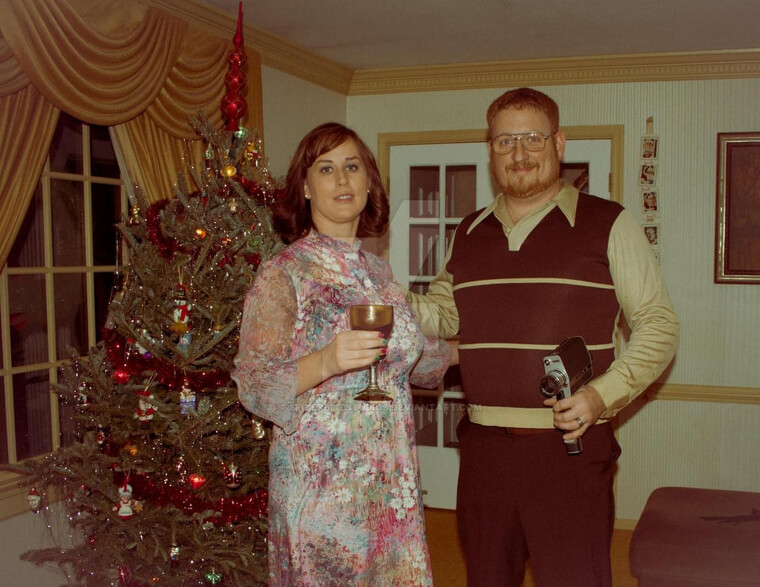
The Christmas Table We Barely Recognize Anymore
For many Boomers, Christmas food was never just about eating. It was about ritual, patience, and the quiet buildup that started weeks before the holiday arrived. Kitchens stayed busy, recipes were followed from memory, and certain dishes appeared every year without question. These foods were not trendy or convenient, but they were familiar and expected. Over time, changing tastes, busy schedules, and store bought shortcuts slowly pushed many of them aside. What once felt essential now feels unusual, forgotten, or even strange. Looking back at these long lost Christmas foods is less about judging how things have changed and more about remembering a time when the holiday table reflected effort, tradition, and a slower pace that many families quietly miss today.
Fruitcake That Actually Got Eaten
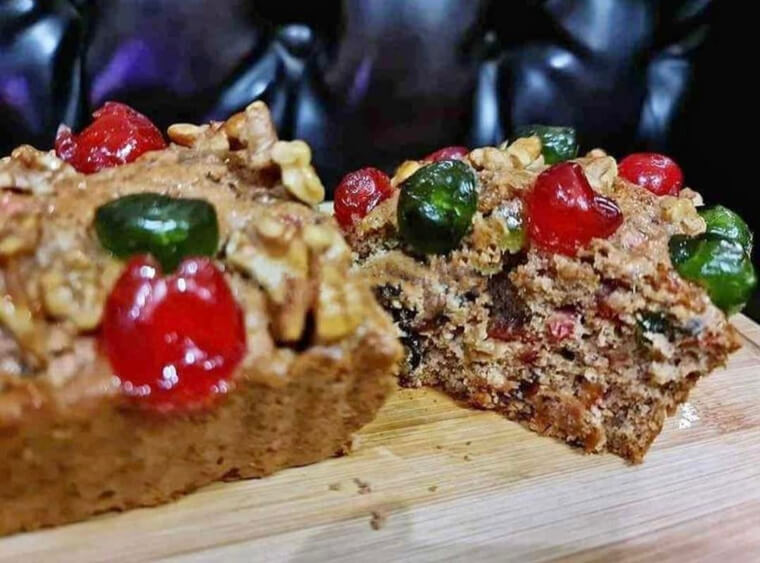
For many Boomers, fruitcake was not a joke or a doorstop. It was a serious Christmas food that appeared every year and was expected to be eaten. Families made it weeks in advance, often soaking it in spirits and wrapping it carefully until Christmas arrived. The dense texture, candied fruit, and nuts were seen as festive and luxurious. Guests were offered slices with coffee, and no one questioned it. Over time, tastes shifted. Lighter desserts and store bought treats replaced homemade fruitcake. Jokes about fruitcake becoming indestructible took over popular culture, and the tradition quietly disappeared. Today, it is rare to see a real homemade fruitcake at Christmas gatherings. When it does appear, it often feels more like a novelty than a centerpiece. For Boomers, though, fruitcake was once as normal as cookies or pie, and it held a respected place on the holiday table.
Ribbon Candy in Glass Bowls
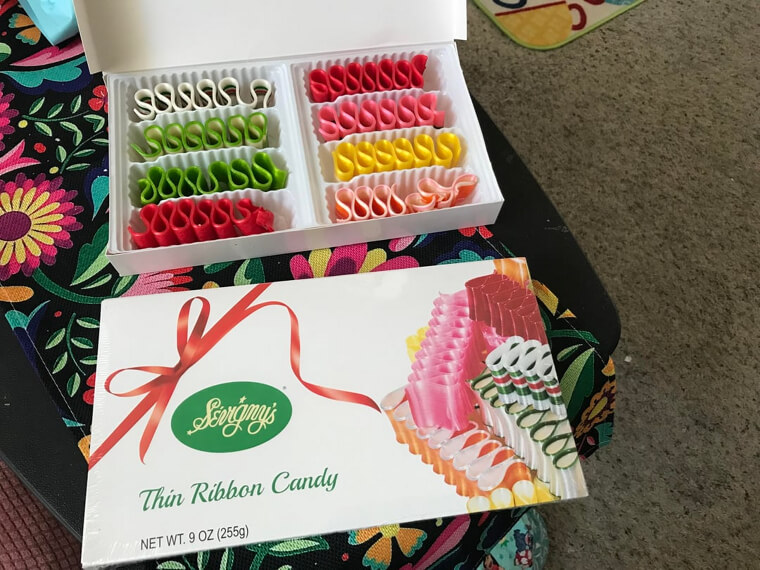
Ribbon candy was once a Christmas staple, especially in households that valued decoration as much as flavor. These thin, twisted ribbons of hard candy came in bright colors and were arranged carefully in glass bowls or candy dishes. They were meant to be admired as much as eaten. Children were allowed to take a piece, but only sparingly. The candy lasted the entire season, sometimes even into January. Over time, ribbon candy faded away as chocolate and individually wrapped sweets took over. Modern candy focuses on convenience and variety rather than presentation. Today, ribbon candy feels fragile and impractical compared to modern options. Many younger people have never seen it outside of old photos. For Boomers, though, ribbon candy is tied closely to memories of formal living rooms, polished furniture, and Christmas that felt slower and more deliberate.
Homemade Divinity Candy
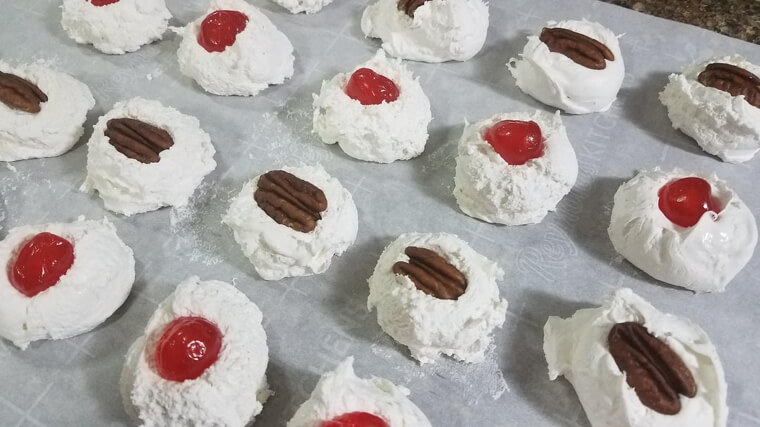
Divinity candy was once a common homemade treat during the holidays. Made from sugar, egg whites, and nuts, it required patience and careful timing. Families gathered in the kitchen, watching candy thermometers and beating mixtures by hand. The result was a fluffy, cloud like candy that felt special and celebratory. Divinity was often shared with neighbors or packaged as gifts. As cooking became more convenience driven, recipes like divinity slowly vanished. It is sensitive to humidity and temperature, making it tricky to prepare. Store bought sweets replaced the effort. Today, divinity is rarely seen outside of older family recipe boxes. For Boomers, it represents a time when holiday cooking involved effort, skill, and shared experience. The candy itself mattered, but the process mattered just as much.
Aspic Based Holiday Dishes
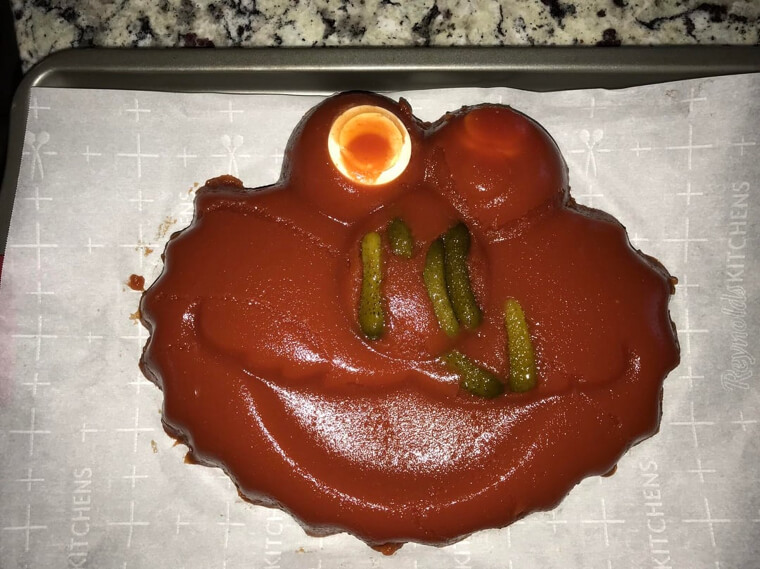
Gelatin based dishes were once considered elegant and modern. At Christmas, savory aspic dishes filled with vegetables, meats, or eggs appeared proudly on tables. These dishes were carefully molded and displayed as a sign of culinary sophistication. They reflected mid century food trends that valued presentation and novelty. Over time, tastes changed dramatically. Gelatin dishes fell out of favor and became symbols of outdated cooking. Today, aspic is rarely served at holiday meals. It often appears only in vintage cookbooks or nostalgic photos. For Boomers, though, these dishes were normal and respected. They remind people of a time when food trends were driven by appearance and experimentation rather than comfort and familiarity.
Christmas Cookies Made From One Dough
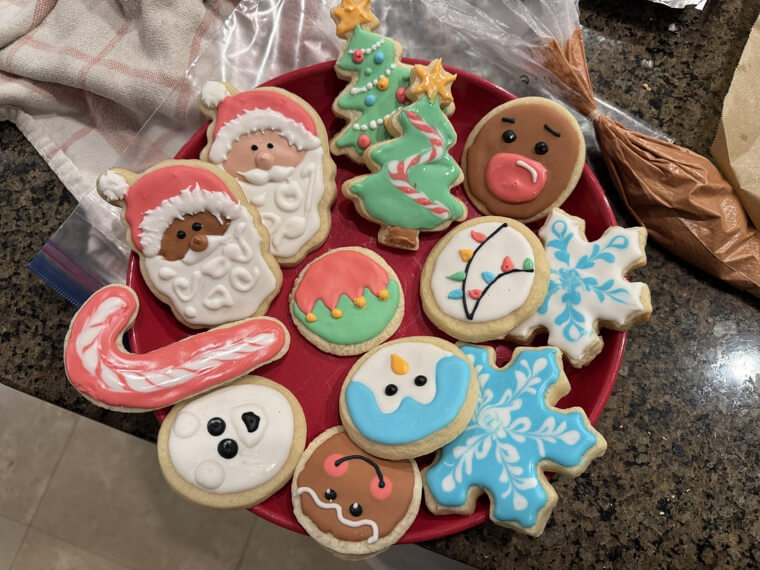
Many Boomer households relied on one versatile cookie dough to create multiple Christmas cookies. The same base dough was shaped, flavored, and decorated in different ways to produce several varieties. This approach was practical and efficient. Families baked for days, filling tins with cookies meant to last through the season. Today, holiday baking often involves fewer homemade items or store bought options. The idea of dedicating entire days to cookie production has faded. Younger generations may bake a few favorites rather than dozens of variations. For Boomers, cookie baking was a major event, tied to tradition and generosity. Cookies were meant to be shared widely, not just eaten at home.
Candied Citrus Peels
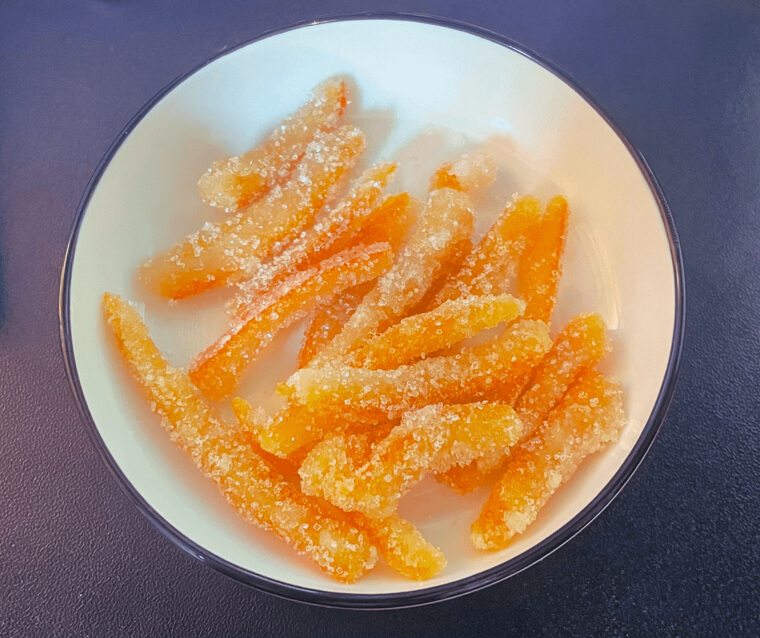
Candied orange and lemon peels were once common Christmas treats, especially in households that avoided waste. Families saved citrus peels from holiday fruit, boiled them to remove bitterness, coated them in sugar, and dried them carefully. The result was a sweet, slightly bitter candy that felt refined and special. These peels were eaten on their own or used in baking. Over time, convenience foods replaced this practice. Today, citrus peels are usually thrown away without thought. For Boomers, candied peels reflect a time when holiday cooking stretched ingredients as far as possible and treated leftovers as opportunities rather than trash.
Christmas Pudding With Hard Sauce
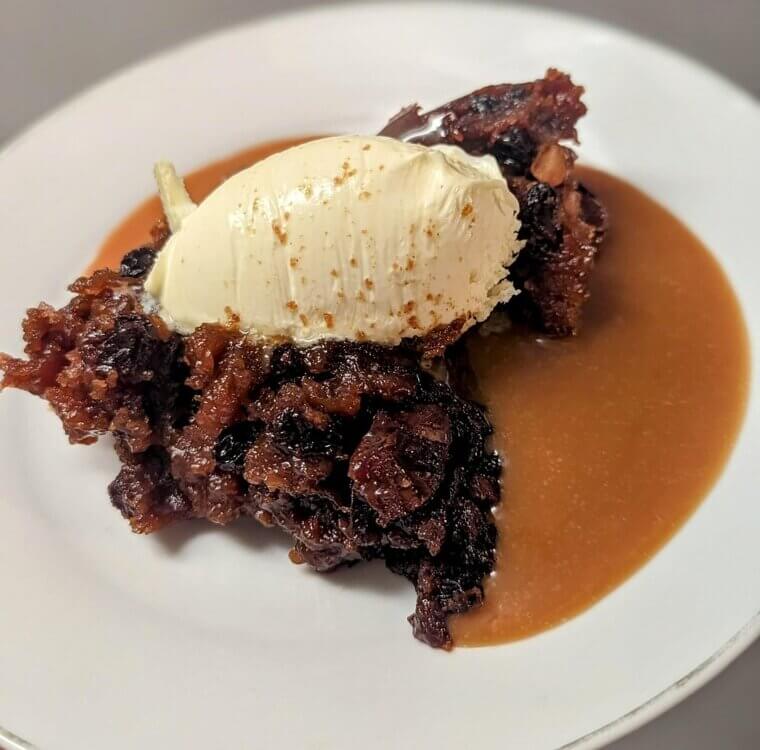
Christmas pudding was once a serious and symbolic dessert. Dense, steamed, and rich, it was made weeks in advance and sometimes aged until Christmas. Families followed rituals, including flaming the pudding before serving. It was often accompanied by hard sauce or custard. Over time, lighter desserts replaced it. Cakes and pies felt more approachable. Today, Christmas pudding is rarely served outside very traditional households. For Boomers, it represents old world customs and a sense of ceremony that defined the holiday.
Boiled Custard Served Warm
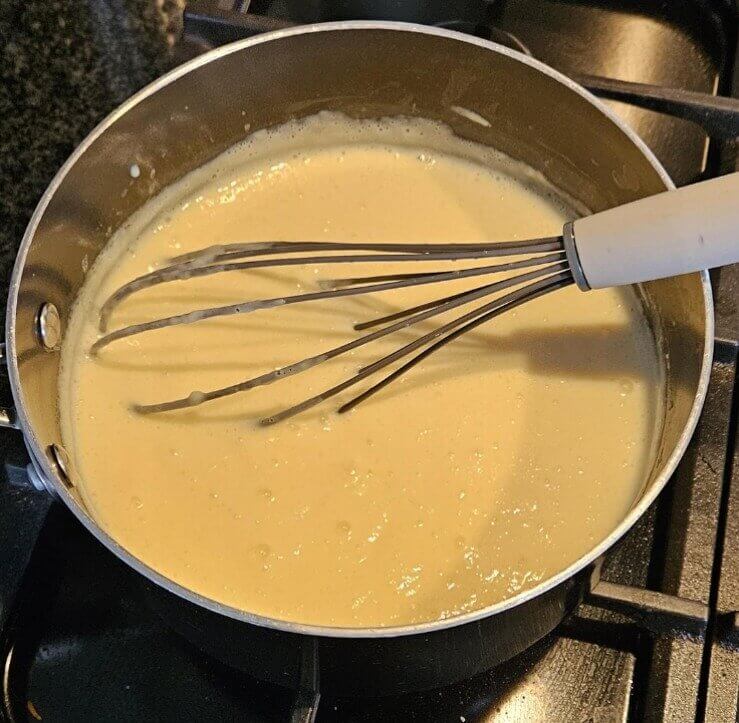
Boiled custard was a quiet but important part of many Christmas traditions. Unlike store bought drinks, it was made carefully on the stove using milk, eggs, sugar, and gentle heat. Someone had to stir constantly to keep it smooth and prevent curdling, which meant it was never rushed. The custard was served warm, often in small cups, alongside other desserts or as its own treat later in the evening. It was comforting and simple, with a flavor that felt familiar rather than flashy. Over time, convenience won out, and boiled custard was replaced by cartons of eggnog pulled straight from the refrigerator. The homemade version slowly faded from holiday routines. Today, few people take the time to make it from scratch. For Boomers, boiled custard is tied to quiet kitchens, low conversation, and the calm moments of Christmas that happened after the excitement settled and the house finally felt still.
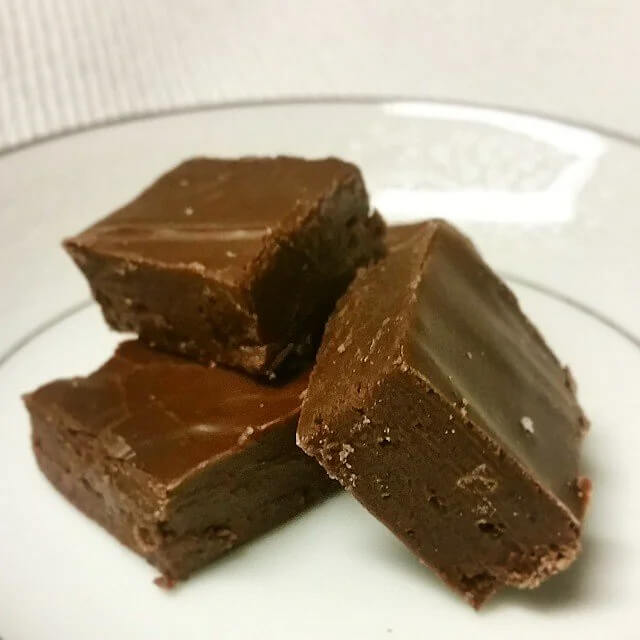
Homemade Fudge Cooled on the Porch
Homemade fudge was once a true Christmas ritual, not a quick treat picked up at the store. Families gathered in the kitchen to cook large batches on the stove, carefully stirring sugar, butter, and chocolate while watching the pot closely. Timing mattered, and mistakes meant starting over. Once the fudge reached the right consistency, it needed space to cool, which was not always easy in busy kitchens. During cold winters, porches became the perfect solution. Trays of fudge were set outside to firm up, protected from curious hands but cooled by the crisp air. Kids checked on it constantly, waiting for the moment it could be cut into squares. Today, fudge is often purchased pre wrapped and pre sliced, with little effort involved. The ritual itself has mostly disappeared. For Boomers, homemade fudge represents patience, teamwork, and the slow build of anticipation that made Christmas feel special long before the first piece was eaten.