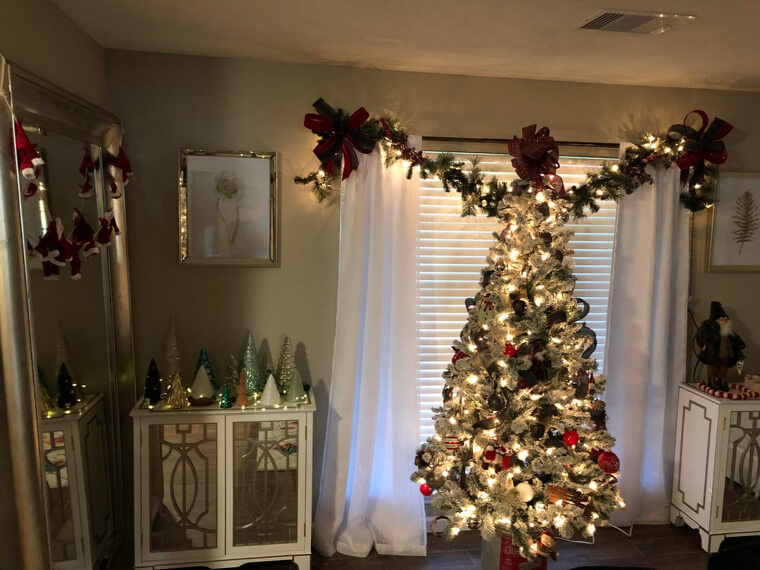
Aluminum Christmas Trees
Aluminum Christmas trees were once the height of modern holiday style. Families proudly set them up as symbols of progress and sophistication. Unlike traditional evergreens, these trees did not shed needles or require watering, which made them feel practical and futuristic. They were often paired with rotating color wheels that cast shifting shades of red, blue, and green across the metallic branches. Turning off the room lights to watch the colors change became part of the experience. In the 60s and early 70s, aluminum trees appeared in countless living rooms and catalogs. Over time, tastes shifted back toward natural looking decor, and aluminum trees fell out of favor. Today, they are mostly found in vintage shops or remembered through old photographs. For families who grew up with them, aluminum trees represent a time when Christmas decorations embraced optimism, novelty, and the belief that the future would always look brighter and shinier than the past.
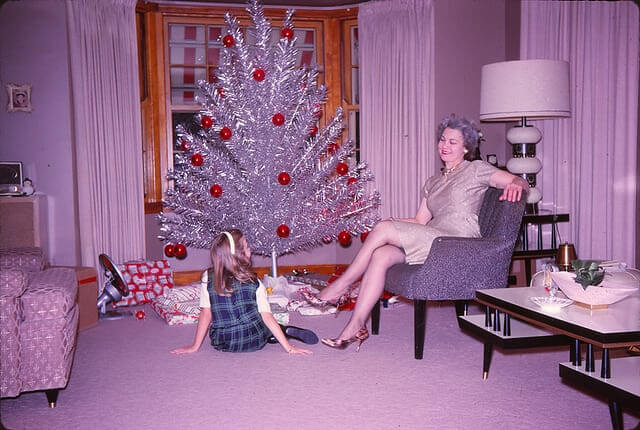
Bubble Lights That Needed Patience
Bubble lights were both magical and slightly unpredictable. These tall, narrow bulbs contained colored liquid that bubbled upward once they warmed up. Families carefully screwed them into light strings, hoping each one would work properly. Watching the bubbles rise became a quiet holiday ritual, especially for children sitting close to the tree. Not every bulb behaved the same way, which added to their charm. Some bubbled quickly, others took time, and a few never worked at all. Despite their fragility, bubble lights were treasured decorations. Over time, safer and more durable lighting options replaced them. Today, bubble lights feel delicate compared to modern LED strands. For families in the 60s and 70s, they were part of the anticipation of Christmas, reminding everyone that holiday decorating required patience, care, and a little bit of luck.
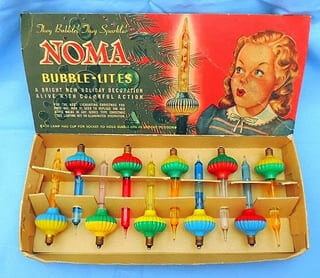
Ceramic Christmas Trees With Light Bulbs
Ceramic Christmas trees were common decorations displayed on mantels, side tables, or in front windows. These small molded trees were painted green and dotted with tiny colored bulbs that lit up from within. Many families owned one, and some had multiple versions in different sizes. Turning on the ceramic tree at night was part of the holiday routine. They often stayed out from early December through New Year’s Day. Over time, these trees were passed down, repaired, and cherished. Although they eventually fell out of style, they never fully disappeared. Today, they are often rediscovered and appreciated again. For families who grew up with them, ceramic trees symbolize consistency and comfort. They were familiar decorations that returned every year, bringing a sense of continuity and warmth to holiday spaces.
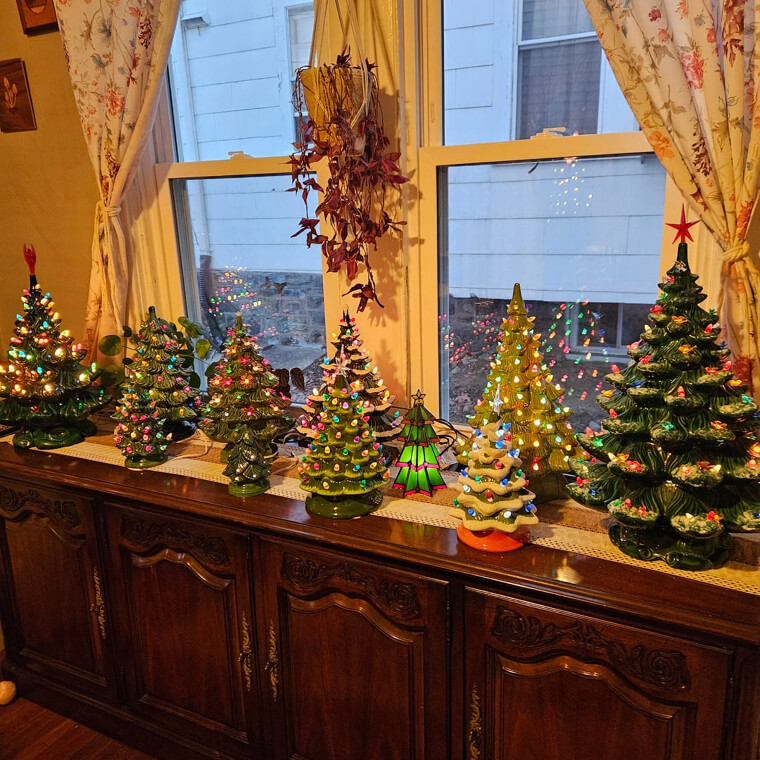
Tinsel That Covered Everything
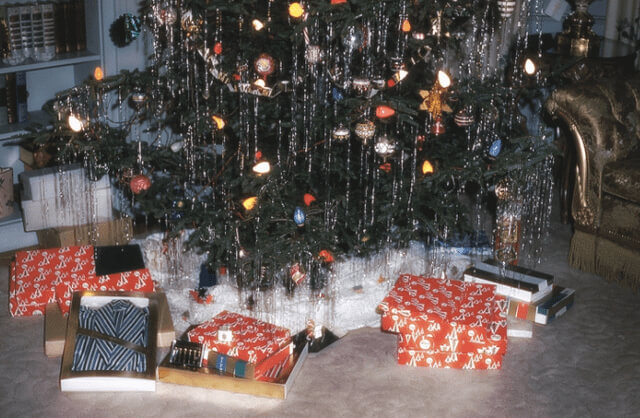
Tinsel once dominated Christmas decorating. Families draped it carefully over branches, one strand at a time, until trees shimmered from every angle. It was considered the finishing touch, not an optional extra. Children were often warned not to play with it, even though it was tempting. Over time, concerns about safety and mess led to its decline. Vacuuming stray strands and keeping pets away became challenges. Modern decorations moved toward cleaner looks and reusable garlands. For families in the 60s and 70s, tinsel represented abundance. The more sparkle, the better. Looking back, it feels excessive, but at the time it felt joyful and celebratory.
Blow Mold Lawn Decorations
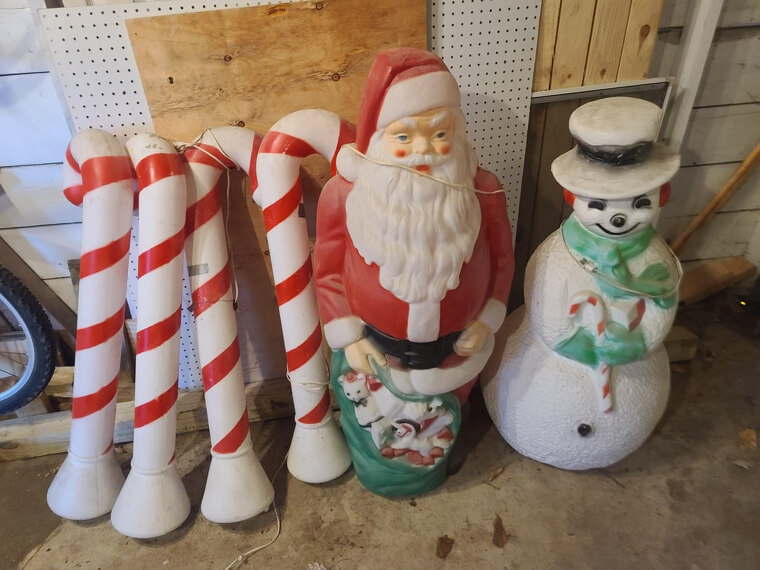
Blow mold lawn decorations once defined Christmas neighborhoods across America. Santa figures, glowing candles, snowmen, and reindeer lined front yards and walkways, often arranged the same way every single year. These hollow plastic figures lit up from the inside, casting a soft glow that felt welcoming rather than flashy. Families took pride in setting them up, carefully staking cords and extension lines so everything lit properly after dark. Children recognized familiar displays as they rode bikes or walked with friends, and entire streets seemed connected by these glowing figures. Over time, outdoor decorating trends shifted toward minimal lighting or oversized inflatables, and blow molds slowly disappeared. Today, original blow molds are often sought after by collectors who remember them fondly. For families who grew up with them, these decorations recall a time when outdoor Christmas decor felt unified and neighborly, creating a shared seasonal atmosphere that was comforting and quietly magical.
Paper Garlands and Paper Chains
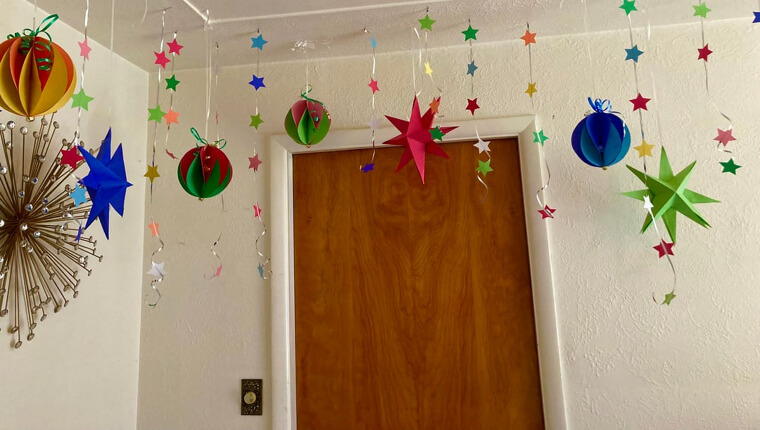
Paper garlands and paper chains were among the most personal Christmas decorations families made. Using construction paper, wrapping paper scraps, or even old magazines, families sat together to create long strands of colorful loops. Children often handled the cutting and gluing, while adults supervised and helped connect the pieces. These garlands were draped across trees, doorways, banisters, and mantels, sometimes stretching from one end of the room to the other. Each chain reflected the colors and creativity of the people who made it. Over time, store bought decorations became cheaper and more convenient, and handmade paper chains faded away. For those who remember them, paper garlands represent more than decoration. They symbolize participation, shared time, and the idea that Christmas decorating was something you did together, not something you simply unpacked from a box and plugged in.
Angel Toppers With Fragile Wings
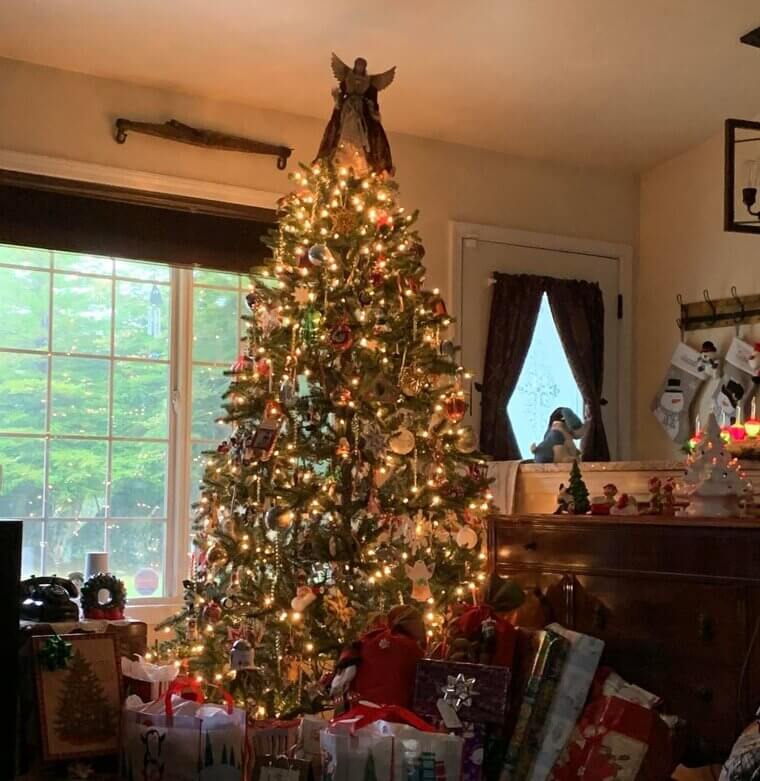
Angel tree toppers were once a centerpiece of Christmas decorating and were treated with special care. These angels often wore flowing gowns made of thin fabric or plastic and had delicate wings that bent or cracked easily. Placing the angel on top of the tree was a moment reserved for adults or the oldest child, often done carefully after all other decorations were finished. Families stored angel toppers in original boxes or wrapped them in tissue paper year after year to prevent damage. Over time, sturdier stars and modern toppers replaced them, as families looked for decorations that were easier to handle and store. For those who grew up with angel toppers, they remain deeply symbolic. They represented tradition, faith, and the feeling that Christmas decorating involved care and intention, not just convenience.
Glass Ornaments That Broke Easily
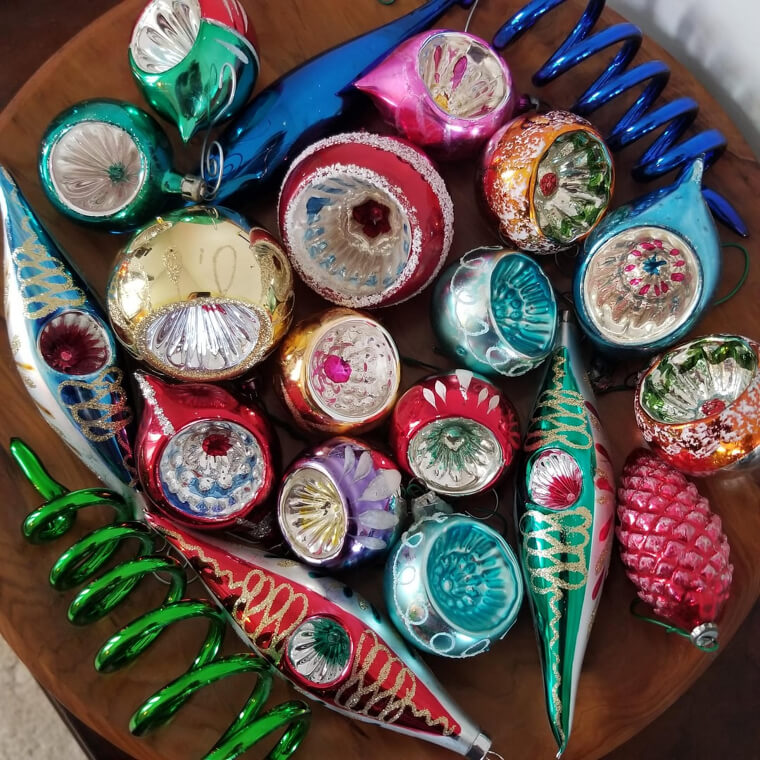
Glass ornaments were once the standard decoration on Christmas trees, and everyone knew how fragile they were. Families unpacked them carefully each year, often remembering who gave each ornament or where it came from. Children were warned repeatedly to be gentle, and broken ornaments were treated like small tragedies. When one shattered, cleanup was slow and serious, not casual. Over time, plastic ornaments became more common because they were safer and more durable. While practical, they lacked the weight and shine of glass. For families in the 60s and 70s, glass ornaments represented value and care. Decorating the tree required patience and respect for these delicate items. Looking back, they reflect a time when decorations were meant to last for decades, not be replaced every season.
Plastic Light up Candles in Windows
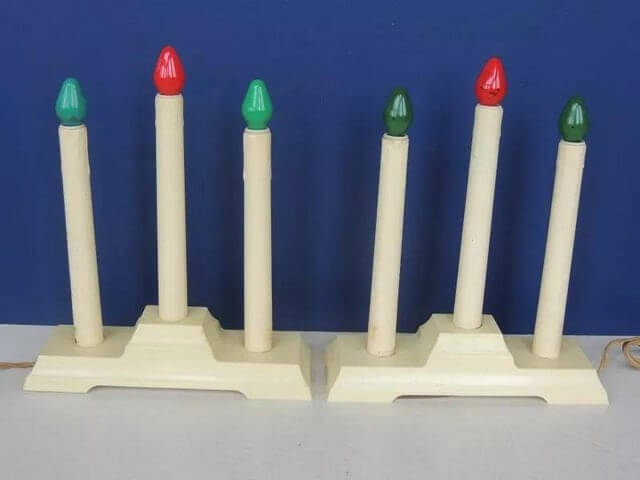
Plastic electric candles placed in windows were once a nearly universal Christmas signal. Almost every house on the street displayed them, creating a sense of unity after dark. The soft glow coming from each window made neighborhoods feel calm and welcoming during winter evenings. These candles were simple, usually white or cream colored, and were placed carefully in the same windows every year. Families turned them on at dusk and turned them off at bedtime, making it part of the daily routine. Over time, lighting styles changed, and window candles were replaced by string lights or disappeared entirely. For those who remember them, these candles represent quiet traditions and shared community habits. They were not flashy, but they made neighborhoods feel connected and intentionally festive.
Flocked Trees and Snowy Sprays
Flocked trees covered in artificial snow were once considered dramatic and stylish. Families embraced the wintery look, even though flocking often made a mess. White powder coated branches, ornaments, and sometimes the floor beneath the tree. Despite the cleanup, many households loved the effect because it made indoor trees feel like they came straight from a snowy forest. Some families even sprayed flocking onto wreaths and garlands to match. Over time, concerns about allergies, mess, and storage pushed flocked trees out of favor. Natural looking trees became more popular again. For those who grew up with flocked trees, they recall bold decorating choices and a willingness to bring fantasy indoors. The look may feel excessive now, but at the time it felt magical and completely normal.