Fried Foods That Are Lukewarm
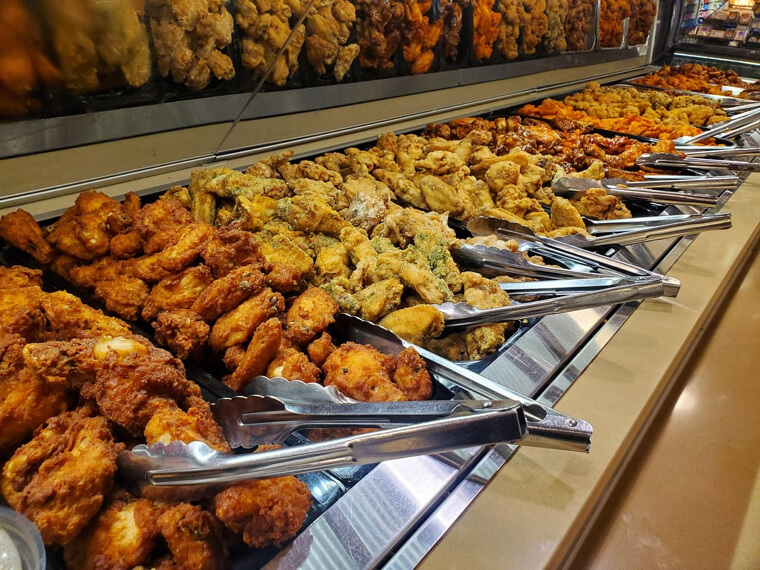
Fried items like egg rolls, chicken tenders, or french fries are only good when they are fresh out of the fryer. Once they are placed in a metal buffet tray and covered with a lid, the steam from the heat makes the breading soggy and greasy. Chefs know that fried food loses its integrity within minutes. When these items sit under heat lamps, the oil can start to taste rancid, and the texture becomes unappealingly chewy. More importantly, it is hard to tell how old the oil was that the restaurant used to fry these items. If the oil isn't changed regularly, the food absorbs all the burnt flavors of everything else cooked that day. Instead of eating soggy, oil-soaked breading, a chef will wait for a fresh batch to be brought out or skip the fried section entirely.
Hollandaise Sauce
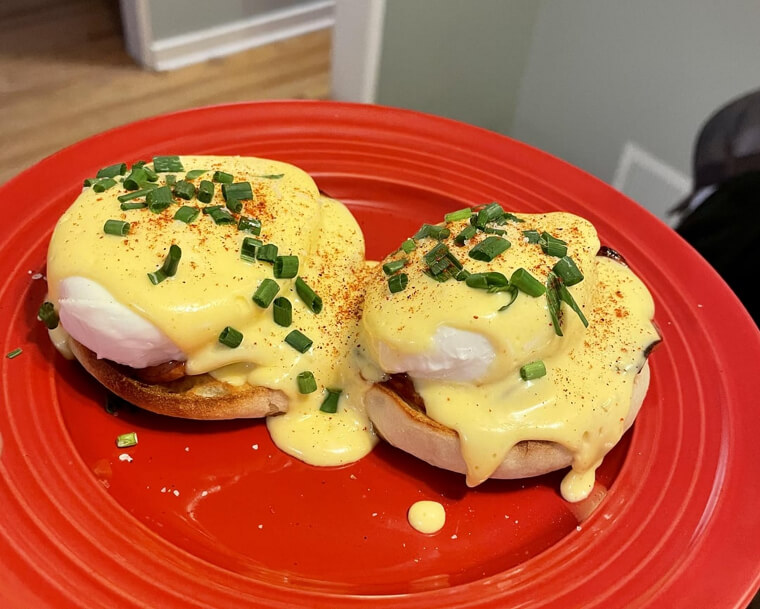
You will almost never see a professional chef touch the hollandaise sauce at a breakfast buffet. This sauce is a "high risk" food because it is made with raw egg yolks and butter, and it must be kept at a very specific, warm temperature to stay safe. If it gets too cold, bacteria can grow rapidly; if it gets too hot, the eggs scramble. In a buffet setting, these sauces often sit out for hours in lukewarm containers. This is the perfect environment for foodborne illnesses to thrive. Chefs know that it is very difficult for a high-volume kitchen to monitor the exact temperature of a sauce boat for an entire morning. Because the risk of getting sick is so high compared to the reward of a mass-produced sauce, experts simply skip the eggs benedict station entirely and stick to items that are cooked to order.
Pre-Mixed Tuna or Chicken Salads
Chefs tend to avoid any salad that is held together with large amounts of mayonnaise, especially tuna or chicken salads. These dishes are often used by kitchens as a way to "repurpose" leftovers from previous days. Because the ingredients are chopped fine and masked with heavy dressing and seasoning, it is impossible to tell how fresh the meat or fish actually is. Furthermore, mayonnaise is highly sensitive to temperature. If the bowl is not sitting directly on a thick bed of ice, the sauce can spoil quickly in a warm dining room. There is also the issue of cross-contamination; guests often use the same serving spoons for different dishes, or accidentally drop bits of other food into the mayo-based salads. To a chef, these bowls represent too many unknown variables regarding age and safety.
Raw Sprouts
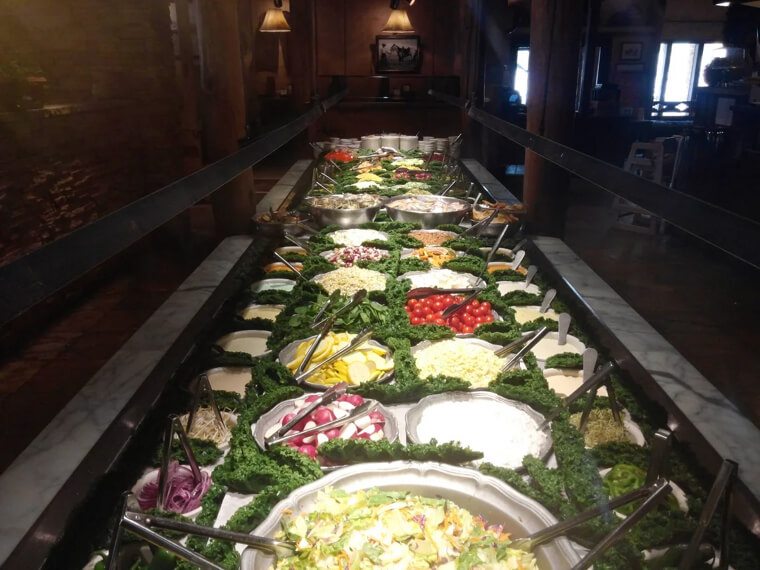
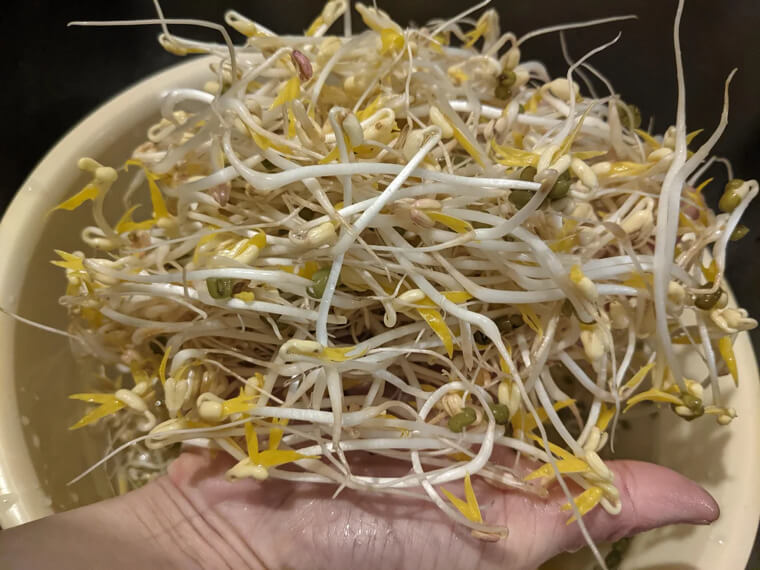
While they might look like a healthy addition to a salad bar, raw sprouts are a major red flag for food safety experts. Sprouts like alfalfa or mung bean need warm and humid conditions to grow, which are the exact same conditions that bacteria like E. coli and Salmonella need to flourish. Unlike other vegetables, sprouts are very difficult to wash thoroughly because the bacteria can get inside the seeds themselves before they even grow. Most buffet restaurants do not have the time to meticulously clean every tiny strand. Because they are served raw, there is no heat process to kill off any lingering pathogens. Many chefs consider sprouts to be one of the most dangerous items in the entire restaurant industry and will leave them untouched to avoid the high risk of food poisoning.
Oysters and Raw Shellfish
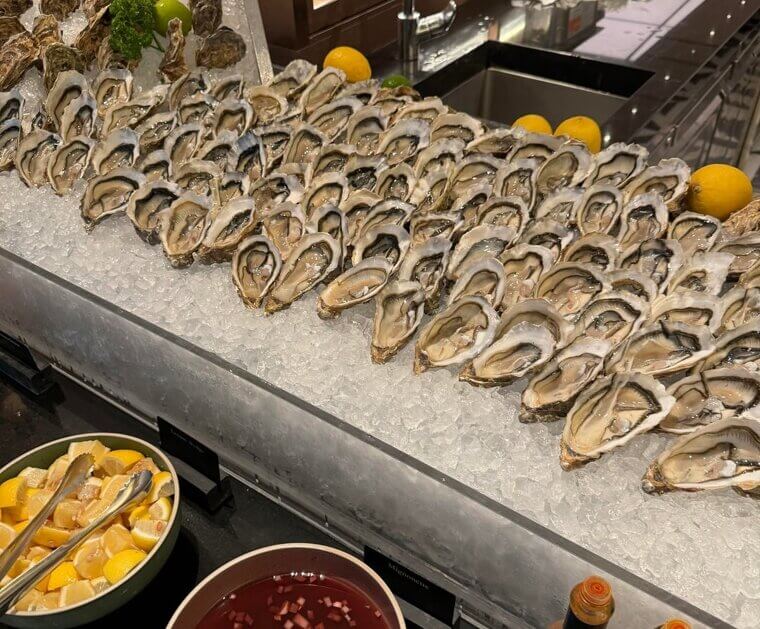
Eating raw shellfish at a buffet is a gamble that most chefs are unwilling to take. Oysters must be kept extremely cold and served very fresh to be safe for consumption. In a buffet environment, these expensive items are often laid out on ice that melts quickly under bright dining room lights. If an oyster sits at room temperature for even a short period, it becomes a breeding ground for vibrio and other nasty bacteria. Furthermore, you have no way of knowing when the oysters were shucked or how long they have been sitting out before you arrived. Professional cooks prefer to eat raw seafood only at specialized bars where the turnover is fast and the handling is visible. The mass-production nature of a buffet is simply not the right place for high-risk items like raw clams or oysters.
Scrambled Eggs From a Pitcher
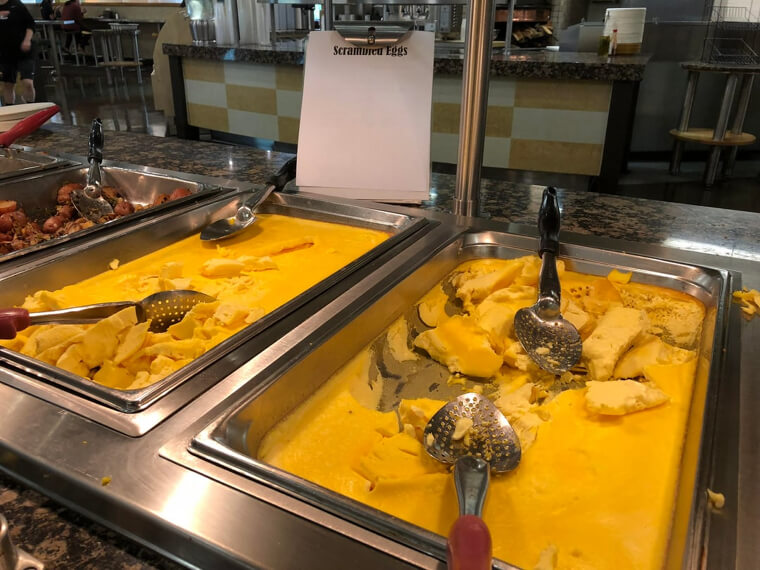
If the scrambled eggs at a buffet look perfectly smooth and uniform in color, they probably came from a large plastic bag or a carton. Many low-to-mid-range buffets use liquid eggs that contain preservatives and stabilizers to keep them from turning gray under the heat lamps. Chefs avoid these because the texture is often rubbery or watery, and they lack the rich flavor of fresh, cracked eggs. These liquid egg mixes are designed for efficiency and cost-saving, not for taste. Additionally, because they are cooked in massive batches, they often sit in their own steam for a long time, which ruins the delicate structure of the egg. A chef would much rather wait in line at an omelet station where they can see a real egg being cracked and cooked right in front of them.
Sushi With Cooked Fish or Heavy Rolls
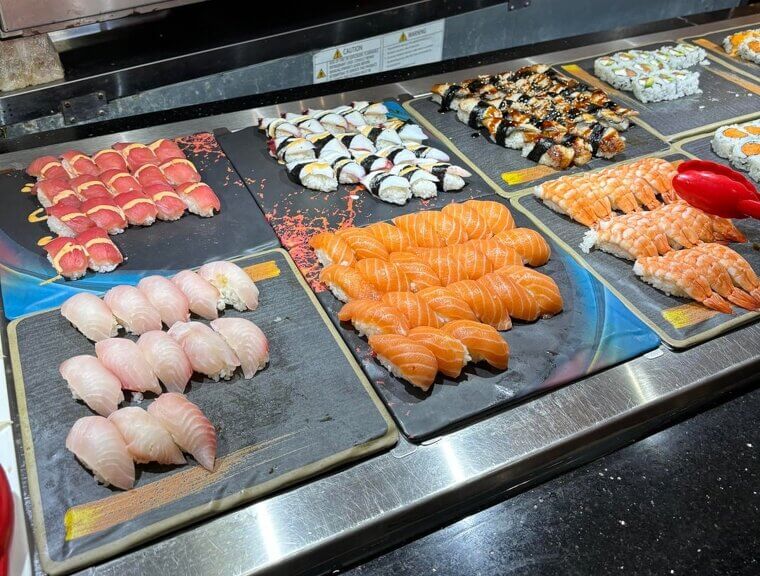
Sushi at a standard buffet is rarely about quality and mostly about filling you up with cheap rice. Chefs generally avoid buffet sushi for two reasons: safety and value. The fish used is often the lowest grade available, and it frequently sits out at temperatures that are not cold enough to keep raw fish firm and safe. Even if the sushi features cooked ingredients like imitation crab or fried shrimp, the rice is usually hard and dry from being exposed to the air. These rolls are often packed with heavy mayonnaise-based sauces and extra rice to make them look larger. This is a tactic used to fill up the customer quickly so they eat less of the expensive proteins like prime rib. To a professional, buffet sushi is a poor imitation of the real thing and isn't worth the space on the plate.
Cream-Based Soups
Soups like clam chowder or cream of broccoli are buffet staples, but they are often avoided by those in the industry. These soups are frequently made from powdered bases or large industrial cans rather than fresh stock and cream. Because they are thick, they are very good at hiding low-quality ingredients or scraps of meat that wouldn't look good on their own. Cream soups are also notorious for "breaking" or separating if they are held at the wrong temperature for too long, which results in a grainy texture and a layer of oil on top. They are also incredibly high in salt and cheap fats used as thickeners. A chef knows that a clear, broth-based soup is a much safer bet because you can actually see the ingredients and it is less likely to be a "dumping ground" for kitchen leftovers.
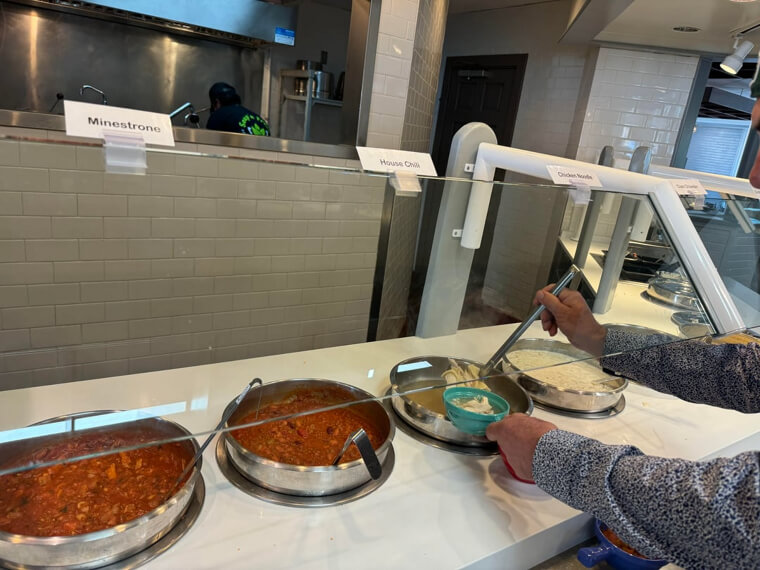
Dim Sum and Dumplings
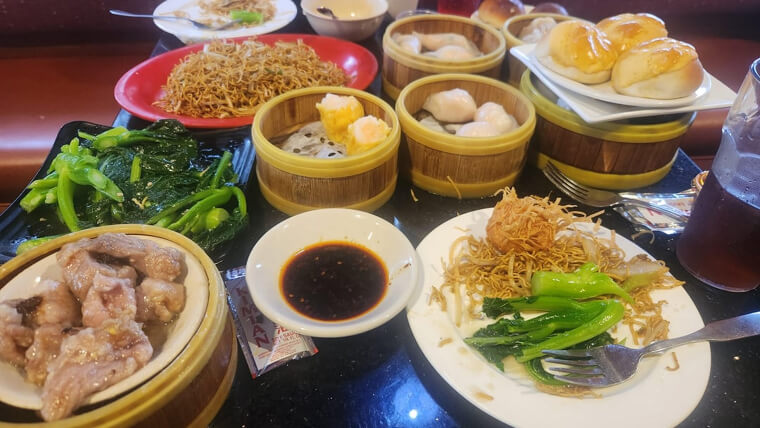
Unless you are at a high-end authentic Chinese buffet, the dumplings and dim sum are usually a disappointment. These items are delicate and meant to be eaten immediately after steaming. In a buffet, they are often left in steamer baskets for far too long, which causes the doughy skins to become sticky, mushy, or completely fall apart. The meat fillings are often very mystery-heavy and made with a high ratio of fat and binders to keep costs down. Chefs avoid these because they know the labor-intensive process of making real dim sum is rarely followed in a buffet setting. Most of these items are bought frozen in bulk and simply steamed until they are "warm enough" to serve. The result is a flavorless, gummy ball of dough that is not worth the calories or the plate space.
The Dessert Fountain
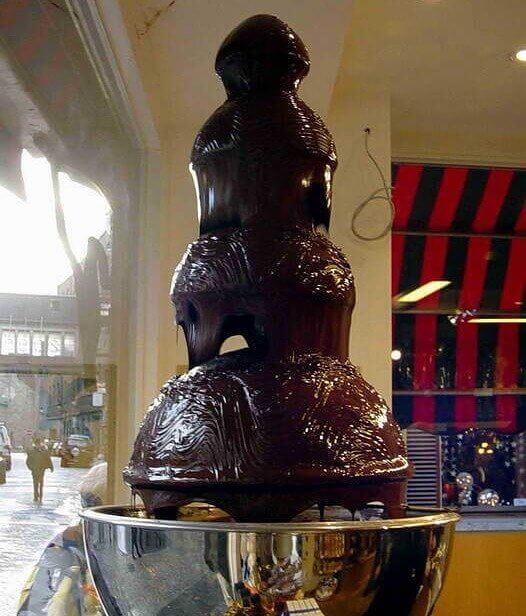
The chocolate fountain is perhaps the most unhygienic feature in any buffet restaurant, and chefs will stay far away from it. While it looks impressive, these fountains are rarely cleaned properly because they are difficult to take apart. Even worse is the "guest factor." Because the fountain is an open stream of food, it is a magnet for children who may put their fingers in the chocolate or even double-dip their fruit. There have been many documented cases of people dropping food into the basin and reaching in to grab it, or even sneezing near the moving chocolate. The chocolate itself is also usually thinned out with a large amount of cheap vegetable oil to keep it flowing smoothly through the machine. To a chef, the fountain is a germ-filled novelty that offers very low-quality chocolate and a high risk of contamination.