Playing Outside With No Adults Watching
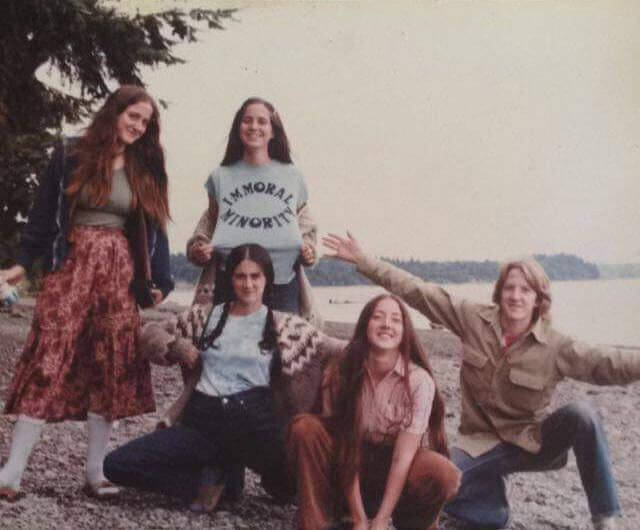
Playing outside without adults watching was a defining feature of childhood. Kids negotiated rules on the fly, settled disputes themselves, and figured out which risks were worth taking. Parks, sidewalks, and empty lots doubled as informal classrooms for social learning.
Boomers believe constant supervision interrupts those lessons. Without adults stepping in, children learned consequences the hard way, but also the useful way. A scraped knee was feedback, not trauma. Arguments ended when someone backed down, not when a parent intervened. Today’s hover-style parenting feels overly protective by comparison. Older generations argue that roaming freely encouraged accountability and awareness. Kids learned boundaries the hard way.
Boomers believe constant supervision interrupts those lessons. Without adults stepping in, children learned consequences the hard way, but also the useful way. A scraped knee was feedback, not trauma. Arguments ended when someone backed down, not when a parent intervened. Today’s hover-style parenting feels overly protective by comparison. Older generations argue that roaming freely encouraged accountability and awareness. Kids learned boundaries the hard way.
Riding Bikes Without Helmets
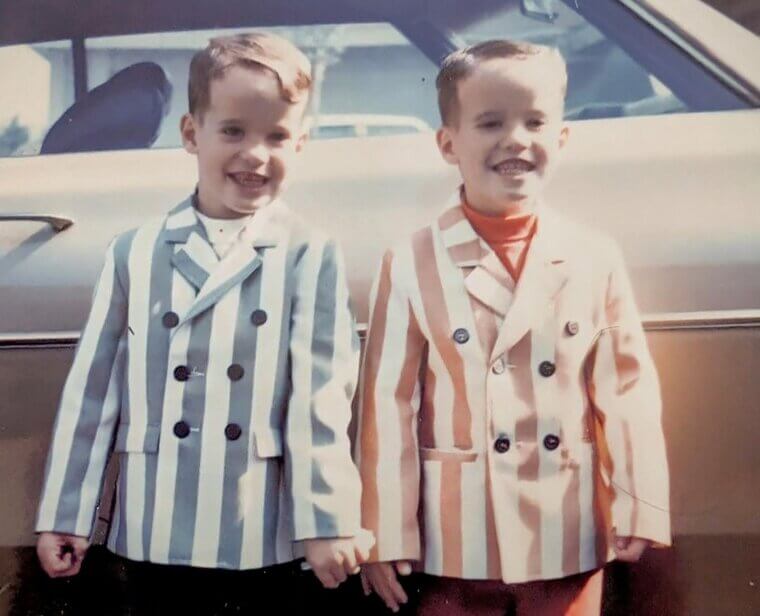
Riding a bike used to mean scraped knees, wobbly turns, and learning balance the hard way. Helmets were rare, not because parents were careless, but because risk was part of growing up. Kids learned awareness by falling, adjusting, and trying again. Streets felt slower, and neighbors kept an informal eye out. Riding meant freedom, not supervision. Boomers see helmets as symbols of overprotection, believing constant padding removes judgment and confidence. Adults remember learning limits through experience, not warnings. They believe that early risk exposure helped kids trust their bodies and decisions without constant adult fear or intervention.
Walking Home to an Empty House
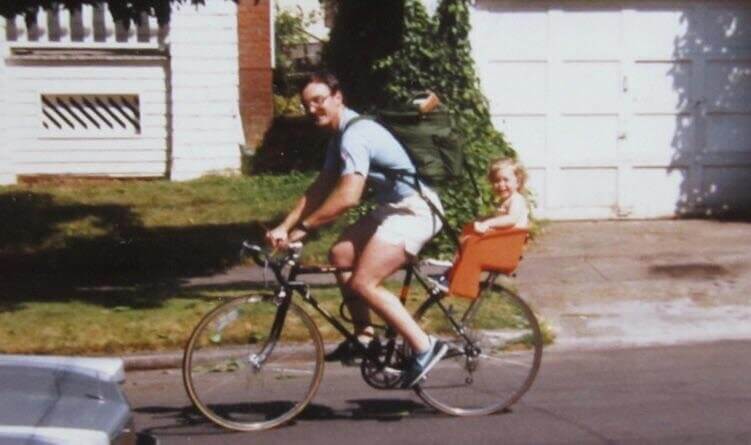
Latchkey afternoons were once completely ordinary. Kids let themselves in, dropped their backpacks on the floor, and stood in quiet kitchens waiting for the house to feel less empty. Snacks were improvised. Homework happened at the table, eventually. That routine quietly taught independence early.
Boomers argue that those hours built real problem-solving skills and emotional toughness. Being alone wasn’t treated like a crisis. It was treated like a normal part of the day. Responsibility arrived through repetition, not supervision. To them, today’s constant monitoring feels excessive, almost anxious. They believe handling short stretches alone helped kids face bigger challenges later, without adults rushing in to solve every small problem.
Boomers argue that those hours built real problem-solving skills and emotional toughness. Being alone wasn’t treated like a crisis. It was treated like a normal part of the day. Responsibility arrived through repetition, not supervision. To them, today’s constant monitoring feels excessive, almost anxious. They believe handling short stretches alone helped kids face bigger challenges later, without adults rushing in to solve every small problem.
School Playgrounds Made of Metal
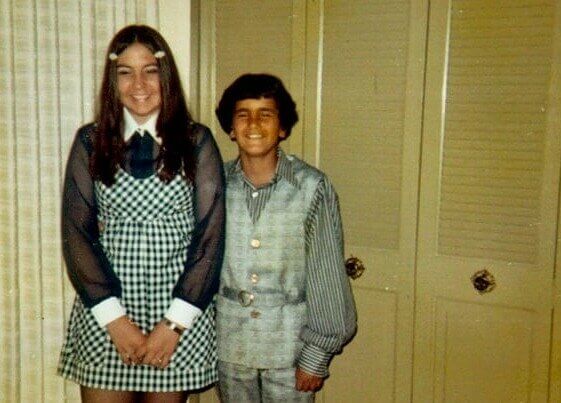
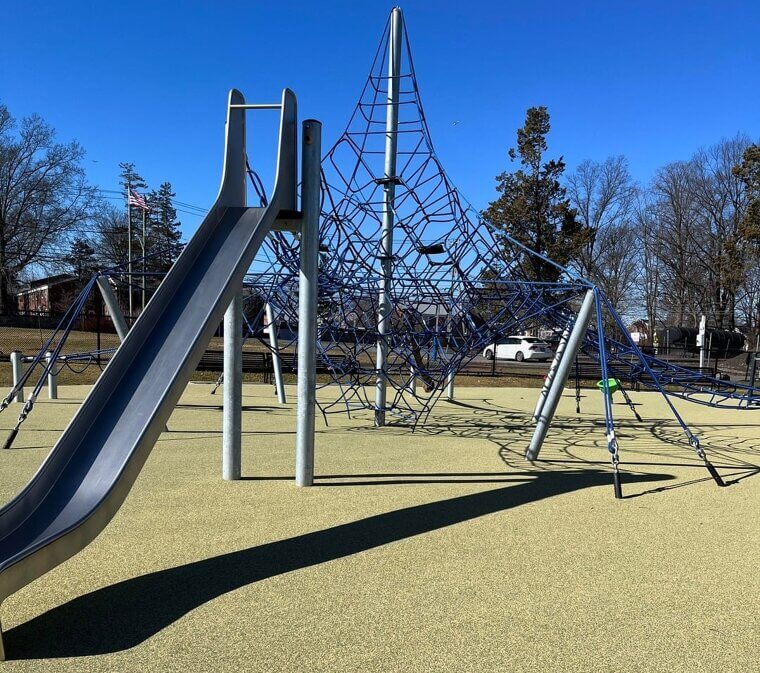
School playgrounds used to be like mini obstacle courses. There were tall metal slides and concrete bases. No rubber padding in sight. Burns, bumps, and bruises were simply part of recess. Boomers don’t remember this as neglect. They remember it as exposure to manageable risk. Kids learned caution the hard way.
Compared to that, today’s playgrounds feel overly sanitized to them. Everything is padded and regulated. Boomers argue that when a challenge disappears, confidence follows it out the door. When equipment required focus and a little courage, kids learned their physical limits naturally. Not just through supervision. Just through movement, mistakes, and paying attention to what their bodies could actually handle.
Compared to that, today’s playgrounds feel overly sanitized to them. Everything is padded and regulated. Boomers argue that when a challenge disappears, confidence follows it out the door. When equipment required focus and a little courage, kids learned their physical limits naturally. Not just through supervision. Just through movement, mistakes, and paying attention to what their bodies could actually handle.
Walking to School Alone
Walking to school alone used to be normal. Kids memorized routes. They watched traffic and crossed streets without escorts hovering five feet behind them. Mornings required awareness, not reminders.That routine built confidence through repetition. Every day, you proved you could handle it.
Boomers don’t see that as risky. They see it as practical. In those days, traffic taught patience. Strangers taught caution without paranoia.Today, drop-off lines replace self-navigation. Independence gets postponed. Boomers believe removing this daily challenge delays maturity. Even a short solo walk taught kids to trust their judgment. You learned how to move through the world without needing constant reassurance. That skill carried forward, long after the school bell rang, into adulthood and everyday decision-making.
Boomers don’t see that as risky. They see it as practical. In those days, traffic taught patience. Strangers taught caution without paranoia.Today, drop-off lines replace self-navigation. Independence gets postponed. Boomers believe removing this daily challenge delays maturity. Even a short solo walk taught kids to trust their judgment. You learned how to move through the world without needing constant reassurance. That skill carried forward, long after the school bell rang, into adulthood and everyday decision-making.
Neighborhood Fights Settled Without Parents
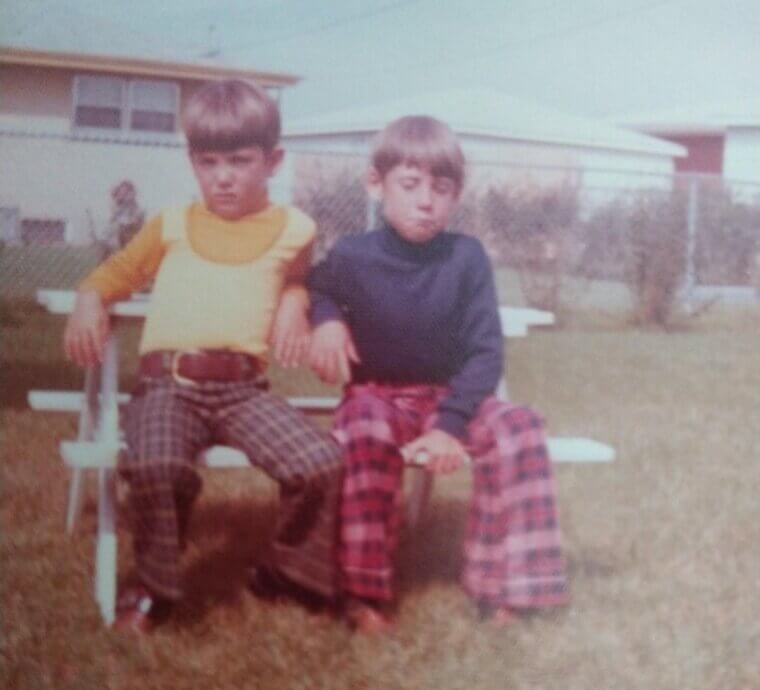
Disagreements between kids used to stay between kids. Arguments happened on sidewalks and playgrounds, not in group texts or parent meetings. Sometimes voices were raised. Sometimes egos were bruised. Occasionally, knees were too.
Boomers remember learning conflict the hard way. You argued, shoved, and later cooled off. Parents only stepped in if something truly crossed a line. Most of the time, kids handled it themselves. That space mattered. It taught accountability and emotional control. There was no immediate escalation to adults, schools, or authority figures. Older generations believe constant adult intervention now short-circuits resilience.
Boomers remember learning conflict the hard way. You argued, shoved, and later cooled off. Parents only stepped in if something truly crossed a line. Most of the time, kids handled it themselves. That space mattered. It taught accountability and emotional control. There was no immediate escalation to adults, schools, or authority figures. Older generations believe constant adult intervention now short-circuits resilience.
Being Told to Go Outside and Stay There
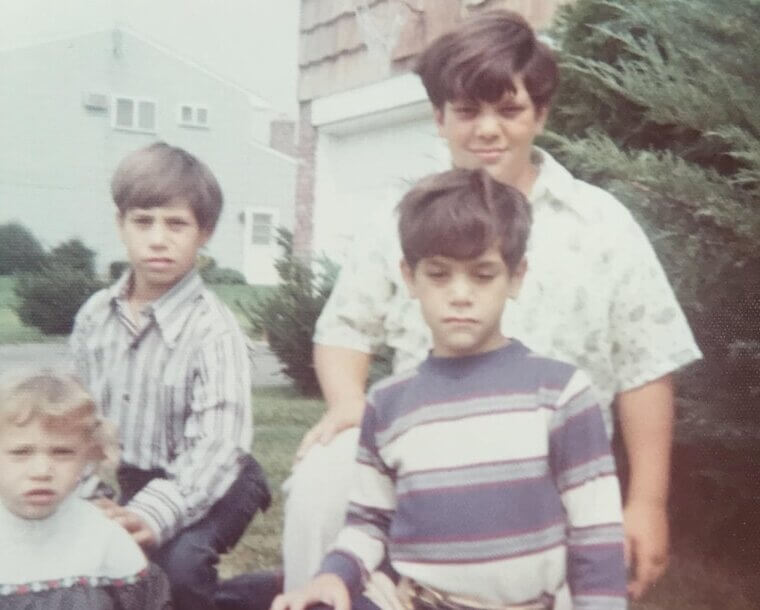
Parents once sent kids outside with one simple rule: don’t come back until dinner. Porches, sidewalks, and backyards became second homes. There were no schedules or planned activities. Boomers see this as essential boredom training. When nothing was planned, creativity showed up. Games were invented, and alliances were formed. Arguments happened and passed.
Compared to that, today’s tightly managed schedules feel excessive to them. Older generations believe constant planning steals self-direction. Being sent outside wasn’t neglect. It was trust. Kids learned how to fill hours, manage themselves, and coexist without adults directing every minute and every move.
Compared to that, today’s tightly managed schedules feel excessive to them. Older generations believe constant planning steals self-direction. Being sent outside wasn’t neglect. It was trust. Kids learned how to fill hours, manage themselves, and coexist without adults directing every minute and every move.

Doing Chores Without Allowances
Chores weren’t optional, and they definitely weren’t up for debate. Trash went out. Lawns got mowed. Dishes appeared in the sink and disappeared again. You did them because you lived there, not because there was a payout.
Boomers don’t see that as unfair. They see it as basic survival mode in a household. Work wasn’t a transaction; it was part of the deal. That's why the whole 'do a chore, get paid' thing kids do today feels so weird to them. They believe paying for responsibility changes the lesson entirely. Helping because it needs to be done builds a different kind of character than helping because it pays. Those small, repetitive tasks quietly taught discipline and pride. There were no gold stars to appreciate little things. Just the understanding that contributing wasn’t special. It was normal.
Boomers don’t see that as unfair. They see it as basic survival mode in a household. Work wasn’t a transaction; it was part of the deal. That's why the whole 'do a chore, get paid' thing kids do today feels so weird to them. They believe paying for responsibility changes the lesson entirely. Helping because it needs to be done builds a different kind of character than helping because it pays. Those small, repetitive tasks quietly taught discipline and pride. There were no gold stars to appreciate little things. Just the understanding that contributing wasn’t special. It was normal.
Bedrooms Without Screens or Devices
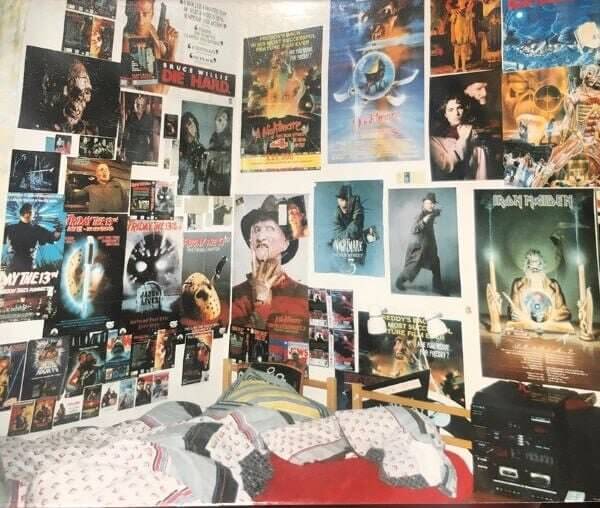
Bedrooms once held posters, radios, books, and a lot of staring at the ceiling. Neither television sets nor cellphones were available to occupy minds. No glowing screens following kids behind closed doors. Boomers value that separation deeply. Private space meant thinking, replaying conversations, or letting music run until the DJ faded out. Without constant stimulation, boredom had room to work. Minds wandered. Sleep came easier. Privacy existed without anyone tracking it.
Older generations believe screens changed that balance. Bedrooms now feel busy instead of restful. They miss spaces where kids could mentally unwind without algorithms deciding what to watch, feel, or think next. To them, quiet wasn’t empty. It was necessary.
Older generations believe screens changed that balance. Bedrooms now feel busy instead of restful. They miss spaces where kids could mentally unwind without algorithms deciding what to watch, feel, or think next. To them, quiet wasn’t empty. It was necessary.
After-School Hours With No Schedule
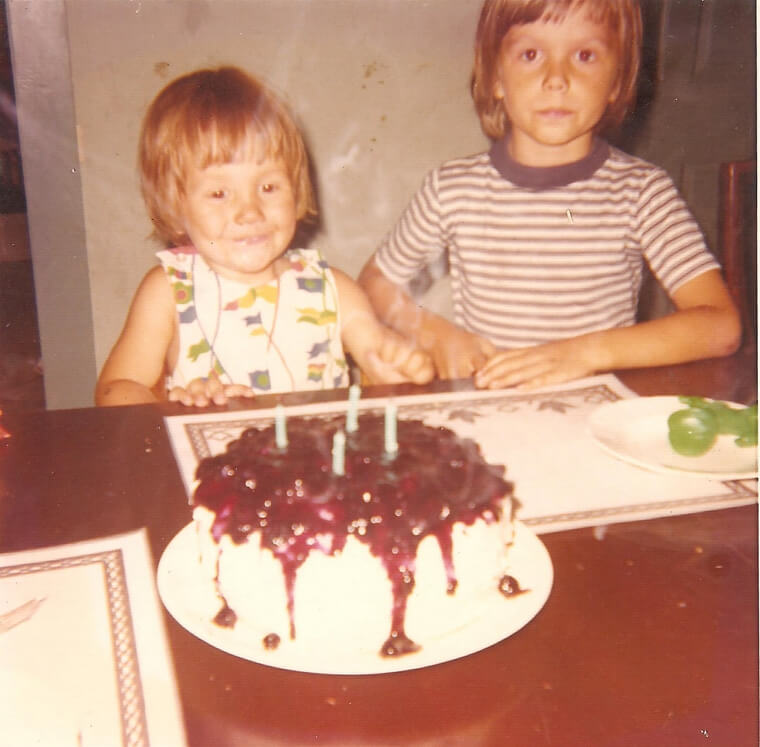
After school used to mean freedom. Not the dramatic kind. The quiet, ordinary kind. You got home, dropped your bag, and the rest of the day was yours to figure out. There were no color-coded schedules or back-to-back activities. No one asked what you were “working towards.” Kids killed time creatively or poorly, and both were allowed.
Boomers swear this unplanned stretch was where kids actually recovered from school. It gave space to breathe and reset before dinner. Compared to today’s packed afternoons, it felt merciful. Boomers see modern schedules as burnout training in disguise. When every minute is planned, that skill never develops. And when the schedule disappears, so does the confidence.
Boomers swear this unplanned stretch was where kids actually recovered from school. It gave space to breathe and reset before dinner. Compared to today’s packed afternoons, it felt merciful. Boomers see modern schedules as burnout training in disguise. When every minute is planned, that skill never develops. And when the schedule disappears, so does the confidence.
Being Left in the Car While Parents Shopped
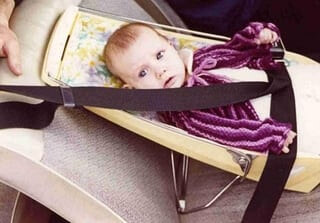
Waiting in the car was once routine. Kids sat on vinyl seats in station wagons, watching shoppers drift by while parents ran quick errands. Boomers don’t recall danger. They recall trust. Sitting alone taught patience and awareness. You learned how long five minutes actually felt. There were no phones, no tablets, no distractions. You watched clouds, counted cars, and made stories out of nothing.
Older generations see this as a lost lesson. Today, it sparks panic. Back then, it was ordinary. It quietly taught kids how to sit with themselves, stay alert, and handle small stretches of independence without an adult hovering nearby.
Older generations see this as a lost lesson. Today, it sparks panic. Back then, it was ordinary. It quietly taught kids how to sit with themselves, stay alert, and handle small stretches of independence without an adult hovering nearby.
Getting Hurt and Being Told to Shake It Off
Scraped knees and bruised elbows were background noise. You rinsed them off, maybe got a bandage if an adult noticed, and went right back outside. Boomers don’t remember this as neglect. They remember it as calibration. Pain was acknowledged, not dramatized. You learned fast what hurt, what mattered, and what you could shake off.
Boomers believe that the modern tendency to protect children from even minor setbacks teaches them fear rather than self-reliance and problem-solving skills. In their day, minor injuries were considered a natural and necessary part of the learning process. Falls taught limits. Healing taught confidence. Kids bounced back because they weren’t trained to treat every tumble like a huge deal.
Boomers believe that the modern tendency to protect children from even minor setbacks teaches them fear rather than self-reliance and problem-solving skills. In their day, minor injuries were considered a natural and necessary part of the learning process. Falls taught limits. Healing taught confidence. Kids bounced back because they weren’t trained to treat every tumble like a huge deal.
Teachers Who Didn’t Negotiate Discipline
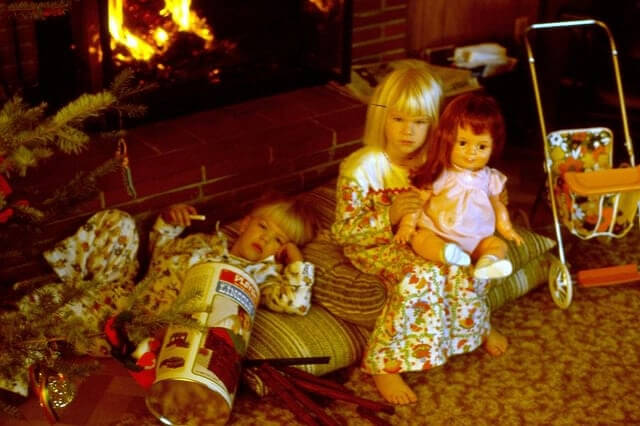
Classrooms ran on authority, not discussion circles. When a teacher spoke, students listened. Boomers remember discipline as clear, fast, and predictable. Cross a line, face a consequence, and move on with the day. There were no long emails, parent conferences, or emotional breakdowns over every correction. That structure created order. Everyone understood the rules and the outcome of breaking them. Older generations feel today’s classrooms blur those boundaries, turning authority into a negotiation.
Summer Days With Nothing Planned
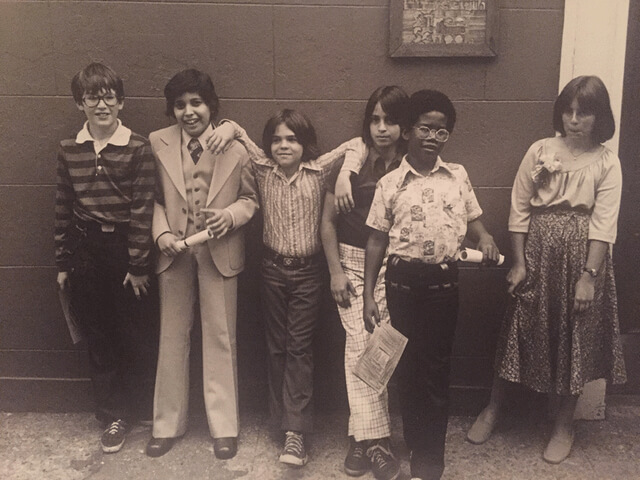
Back in the old days, summer meant long days with no agenda. Kids slept in, wandered neighborhoods, ran through sprinklers, and killed time creatively. Boomers view this as essential freedom. Back then, we weren't shuffling kids from one scheduled activity to the next. They actually had time to be bored, which is where the real fun and creativity started.
Contrary to that, modern summers feel rushed. Those empty days taught kids how to entertain themselves and regulate energy naturally. Summer wasn’t something to optimize. It was something to experience slowly.
Contrary to that, modern summers feel rushed. Those empty days taught kids how to entertain themselves and regulate energy naturally. Summer wasn’t something to optimize. It was something to experience slowly.
Growing Up Without Constant Praise
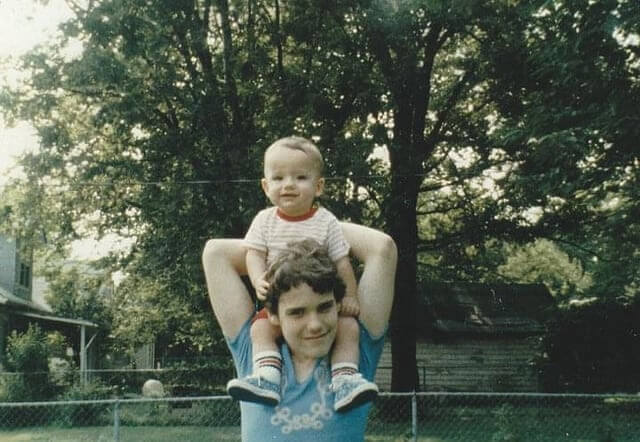
Praise was limited and usually earned. You didn’t get clapped for participation or handed trophies just for showing up. Approval came through trust, responsibility, and being allowed a little more freedom.
Boomers believe that approach built real confidence. You learned to judge your own effort instead of waiting for applause. When praise did come, it actually meant something. Today’s constant encouragement feels noisy and diluted to them. They argue it trains kids to chase validation instead of improvement. Growing up without nonstop praise taught perseverance. You kept going because it mattered to you, not because someone was counting gold stars.
Boomers believe that approach built real confidence. You learned to judge your own effort instead of waiting for applause. When praise did come, it actually meant something. Today’s constant encouragement feels noisy and diluted to them. They argue it trains kids to chase validation instead of improvement. Growing up without nonstop praise taught perseverance. You kept going because it mattered to you, not because someone was counting gold stars.