Chronic Sleep Deprivation
Sleep is when your brain’s glymphatic system flushes out metabolic waste. If you’re consistently getting less than seven hours, you’re operating in a state of constant catch up. You might think you’ve adjusted to being tired, but your body keeps score in quieter ways. Energy dips become normal. Focus feels harder to hold. Small annoyances feel bigger than they should. By the time many people hit their forties, they realize years of late nights added up faster than expected. Mornings start feeling heavier, even after weekends off. Coffee becomes a requirement instead of a comfort. Free time shrinks because exhaustion takes over faster. The regret is not about one bad night of sleep, but about treating rest like something optional for far too long.

Skipping Preventive Health Screenings
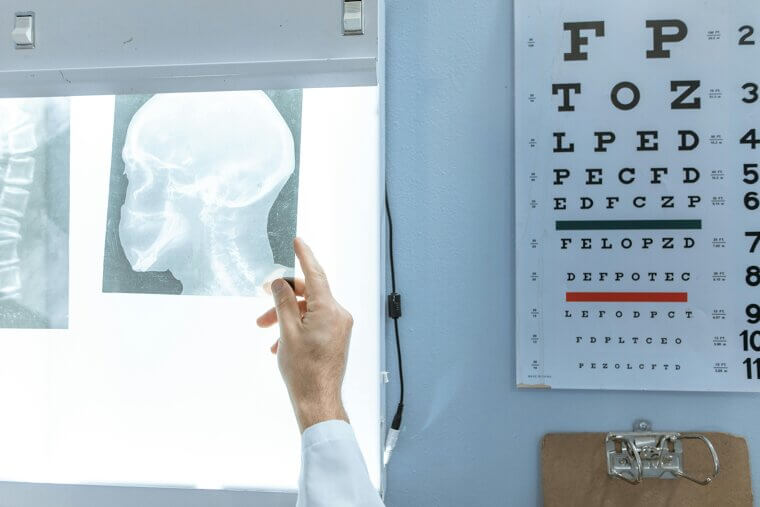
Think of these as your internal audit. By forty, things like colonoscopies or mammograms are life-saving data points rather than being just "options". If you keep waiting for symptoms to appear, you might as well be gambling with your life, since many aggressive conditions, like early-stage colorectal cancer, are famously silent.
Ignoring High Blood Pressure
Medically known as the "silent killer," hypertension slowly trashes your arterial walls. If your blood pressure frequently goes above 130/80, your heart is working harder than it should. Over a decade, this pressure can cause the left ventricle to thicken and stiffen, setting the stage for heart failure. That 130/80 is more than just a number…

Letting High Cholesterol Go Untreated
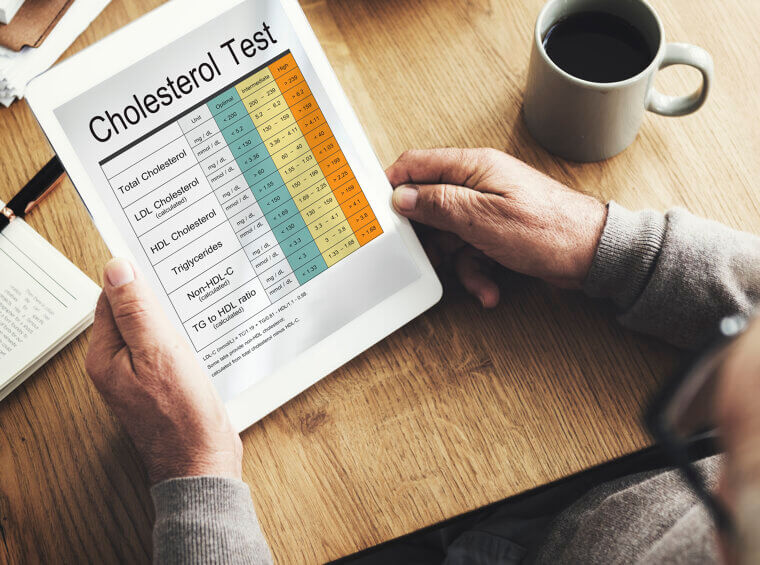
Think of LDL cholesterol as sludge in your pipes. In your forties, this "bad" cholesterol can calcify into plaque, narrowing the space for blood flow. This is why doctors worry about the cumulative ‘cholesterol years’; the longer those levels stay high, the higher your risk of a sudden cardiac event.
Smoking or Not Quitting Earlier
Every time you take a puff, you commit a chemical assault on your DNA and vascular lining. By your forties, the cumulative damage to the lung’s alveoli can become irreversible, which can lead to chronic obstructive pulmonary disease (COPD). The good news, however, is that the human body is remarkably resilient, which means if you quit now, you can still reduce your risk of a sudden stroke.

Becoming Sedentary
The transition from "active" to "office-bound" is a metabolic trap. When you stop moving, your insulin sensitivity plunges, and your lymphatic system (which relies on muscle contraction to move) gets sluggish. It is all about signaling to your cells that they still need to produce energy efficiently, and if you don't use it, you lose it.

Gaining and Maintaining Excess Weight
Visceral fat is much more than just an aesthetic issue; it’s an active endocrine organ that pumps out inflammatory cytokines. This "middle-age spread" puts immense mechanical stress on your knees and hips while simultaneously placing metabolic stress on your liver. And carrying that extra weight through your forties will make it significantly harder to transition into your fifties.

Poor Diet and Heavy Reliance on Ultra-Processed Foods
Ultra-processed foods are essentially "pre-digested," which means they cause massive glucose spikes that wear out your pancreas. These items often have no fiber, which is the literal fuel for your gut microbiome. When you starve your "good" bacteria, you invite systemic inflammation. Try eating some greens and meat instead.

Drinking Too Much Alcohol
The "nightcap" becomes much riskier in your forties. Your liver produces less alcohol dehydrogenase, meaning booze stays in your system longer, disrupts REM sleep, and dehydrates your skin. And beyond the hangover, consistent heavy drinking is a direct carcinogen and a major contributor to fatty liver disease. Pace yourself.

Ignoring Chronic Stress and Burnout
High cortisol levels are corrosive. When you stay "plugged in" 24/7, your nervous system remains in a sympathetic (fight-or-flight) mode. This suppresses your immune system, which increases the risk of autoimmune flare-ups. Learning to down-regulate your nervous system through boundaries or meditation is more than just "woo-woo", and you should try it sometime.

Delaying Mental-Health Care
Many people carry childhood baggage or midlife existential dread until it reaches a breaking point. Therapy or psychiatric support in your forties can prevent the physical manifestations of depression, which often include chronic pain and heart disease. Mental health is physical health, and the sooner you address it, the better you’ll feel and be.

Not Maintaining Muscle Through Strength Training
Sarcopenia (the natural loss of muscle mass) increases significantly after 40. Your muscle is your "metabolic sink"; it’s where you store glucose. Skip resistance training long enough, and the muscle that shields your joints and drives metabolic function will disappear. You don't need to be a bodybuilder, but you should at least lift to maintain health and bone density.

Neglecting Bone Health
We often think of osteoporosis as an "old person" problem, but the foundation is laid (or lost) in your forties. Vitamin D and calcium are vital, but weight-bearing exercise is the "mechanical loading" your bones need to stay dense. If you aren't paying attention now, a simple fall in twenty years could cause a life-altering hip fracture.

Ignoring Oral and Gum Health
Periodontal disease isn’t just a mouth problem. The bacteria responsible for gum inflammation can enter your bloodstream and contribute to the formation of arterial plaque, which can increase your risk of heart disease. Bleeding gums are like open wounds, and your forties are when the "voodoo" of the oral-systemic connection becomes very real for your heart.

Ignoring Hearing Loss
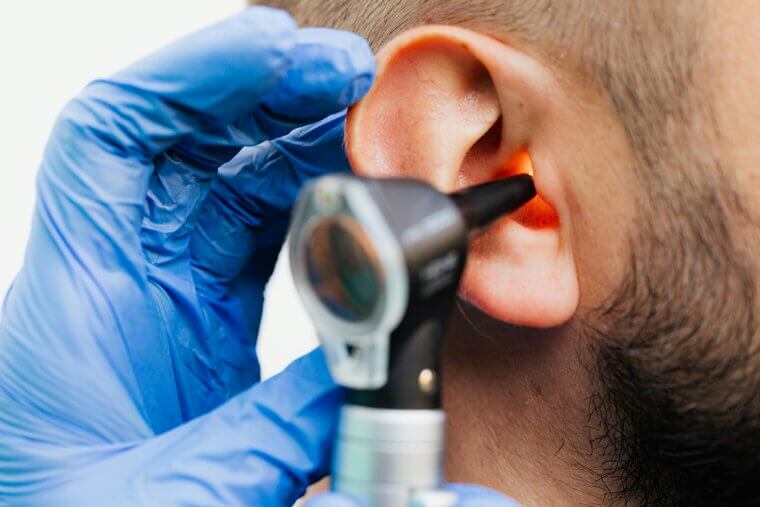
We live in a loud world, and noise-induced hearing loss can accumulate with time. What’s more concerning is the link between untreated hearing loss and cognitive decline; when the brain has to work harder to process sound, it has less "capacity" for memory. Protecting your ears now can preserve your cognitive sharpness for years to come.
Failing to Protect Skin From Sun Damage
Your skin has a long-term memory. The UV damage you gather in your forties is often what turns into basal cell carcinoma or melanoma in your sixties. Beyond the cancer risk, UV rays break down elastin and collagen, leading to that "leathery" texture. Wearing SPF 30 daily is the easiest, most effective anti-aging strategy you have.

Delaying Diagnosis or Treatment of Chronic Conditions
That weird "twinge" or persistent indigestion isn't always "just aging." Delaying the diagnosis of things like Type 2 diabetes or autoimmune issues allows more systemic damage to occur. The earlier you manage a chronic condition, the less it defines your life. Modern medicine is incredible at management, but it works best when it starts early.

Relying on Supplements Instead of Evidence-Based Care
You cannot supplement your way out of a poor lifestyle. Many people spend a fortune on unverified "longevity" pills while ignoring their actual blood pressure or blood sugar readings. Always prioritize whole foods and prescribed medical interventions over a cabinet full of expensive, brightly colored gummies.

Dismissing Early Warning Symptoms
"I’m just getting older" is the most dangerous phrase in your forties. Shortness of breath, unusual fatigue, or changes in bowel habits are messages from your body. Your body doesn't have a voice, so it uses symptoms to get your attention. Listening to those whispers now can prevent you from having to deal with the screams of a full-blown medical emergency later.

Letting Minor Injuries Become Chronic
That "bad knee" from your thirty-fifth birthday will become a permanent gait issue if you don't rehab it. In your forties, your body’s connective tissues (tendons and ligaments) become less elastic. If you don't address a minor injury with physical therapy, you'll start compensating with other muscles, leading to a cascade of chronic pain that limits your mobility forever.