A Taste of the Past
Breakfast has always said a lot about American life, and looking back at what people ate in your birth year offers a surprising glimpse into history. Each decade had its own idea of the perfect morning meal, from the hearty spreads of the 1950s to the grab-and-go cereals and toaster pastries that came later. What landed on the table reflected the times, shaped by convenience, family routines, and clever advertising. Here’s what the average American likely started their day with in the year you were born.
1961: Pancakes and Syrup
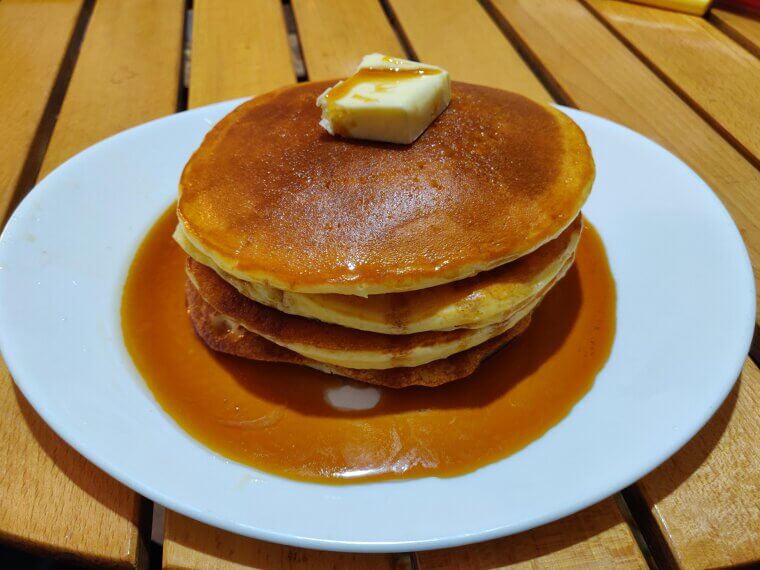
In 1961, pancakes became the gold standard for American breakfasts. Thick, fluffy stacks drizzled with butter and maple syrup were in kitchens all over the country. After WWII, pancake mix sales boomed, and diners served them with bacon or sausage.
1962: Kellogg’s Cereal
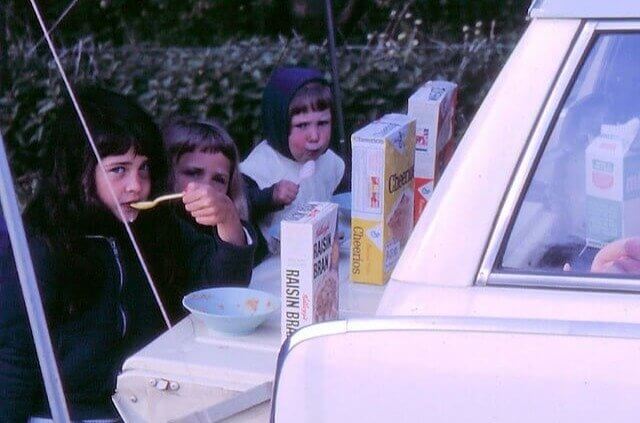
The early 1960s represented the height of cereal culture. Every child filled a bowl with a mound of Frosted Flakes or Corn Flakes, poured milk over it, and finished with a glass of orange juice. TV commercials boasted that it was "a great start to your day," and Tony the Tiger was everyone's loud, sugar-fueled breakfast hype man.
1963: Sugar
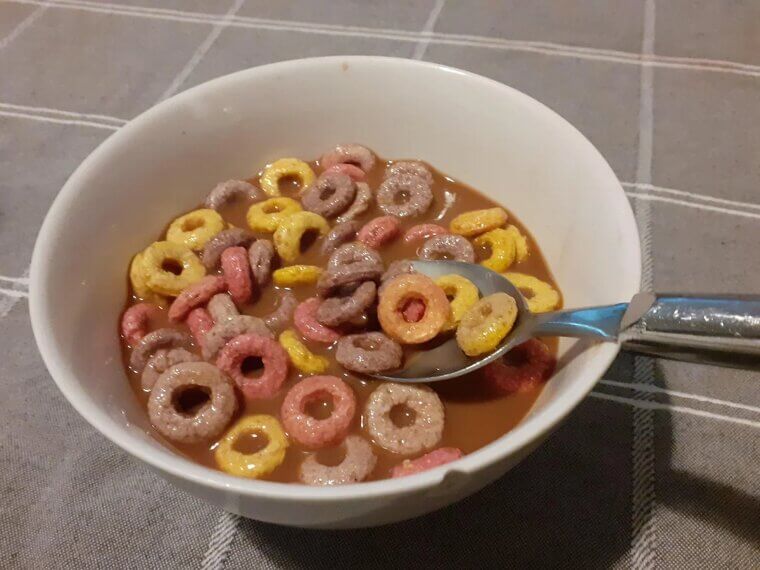
Breakfast in 1963 resembled dessert. Parents didn’t bat an eye when kids ate a lot of Sugar Smacks or Cocoa Puffs. Cereal companies strove to outdo each other with sweetness, and cartoons on the box made it all the better.
1964: Pop-Tarts
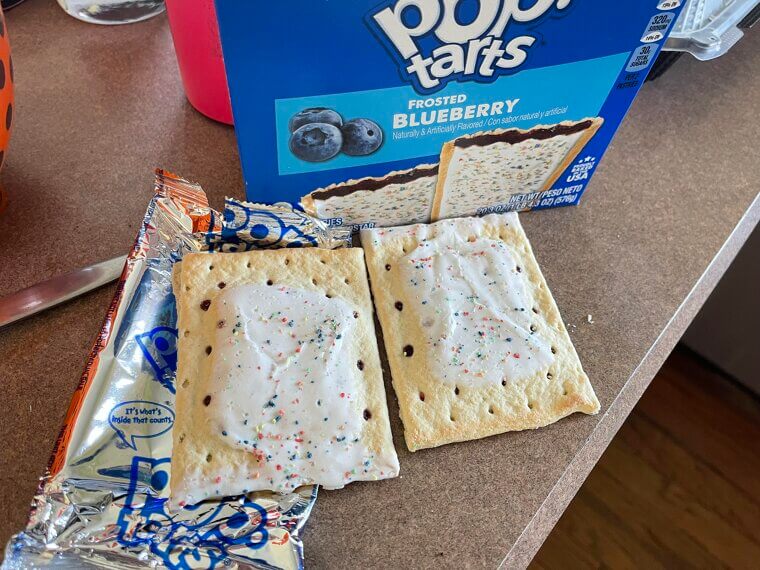
Kellogg’s launched Pop-Tarts in 1964, changing mornings forever. The sugary glaze was added later when Americans collectively decided breakfast should sparkle. Strawberry was the most popular flavor, but kids everywhere became loyal to their favorite toaster pastry.
1965: Carnation Instant Breakfast
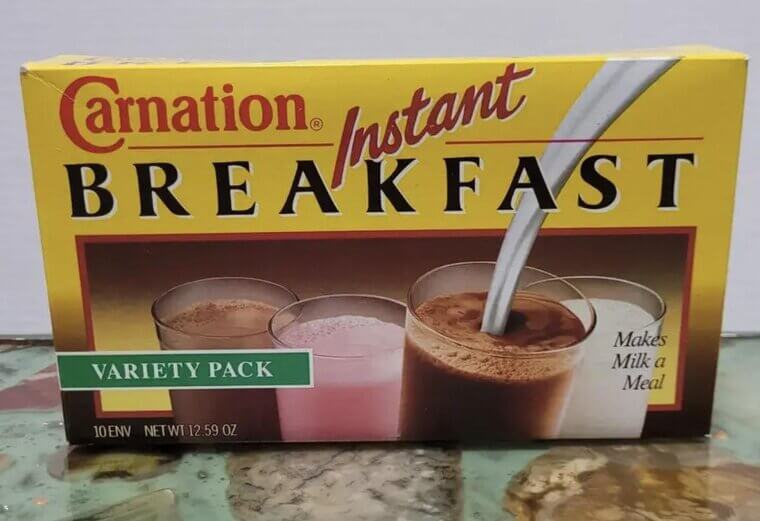
When "modern convenience" was a national obsession, Carnation Instant Breakfast offered nutrition in a glass. You added powder to milk, stirred it, and boom, breakfast was served. This was what busy moms and dieters needed.
1966: Instant Oatmeal
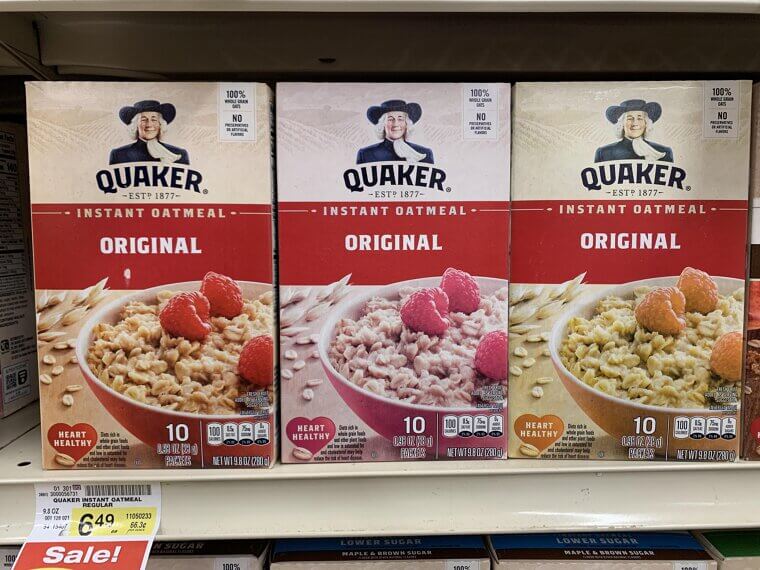
Quaker made mornings faster by providing instant oatmeal. All you did was add hot water, stir, and pretend you made it from scratch. Apple-cinnamon was a crowd favorite, though the texture seemed a little too much like wallpaper paste.
1967: Plastic
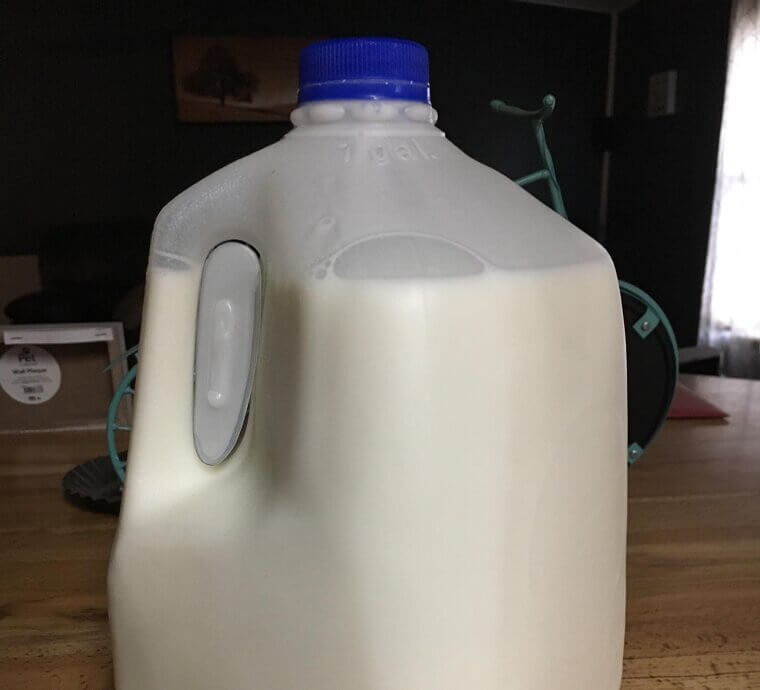
Breakfast was no longer just about what to eat; it was about convenience. Everything came wrapped, sealed, or spooned from plastic. Yogurt cups, margarine tubs, and plastic milk containers filled kitchens. It felt futuristic, even if nobody realized how much trash they were creating in the name of progress.
1968: Corn Flakes
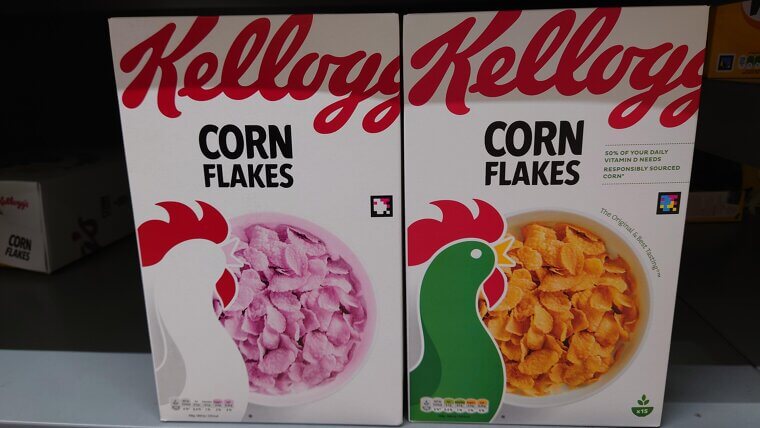
Kellogg's Corn Flakes had been a breakfast staple for years, but 1968 breathed new life into the brand. Their mascot, Cornelius the Rooster, made breakfast fun with his bright-green feathers and enthusiastic cock-a-doodle-doo.
1969: Eggo Waffles
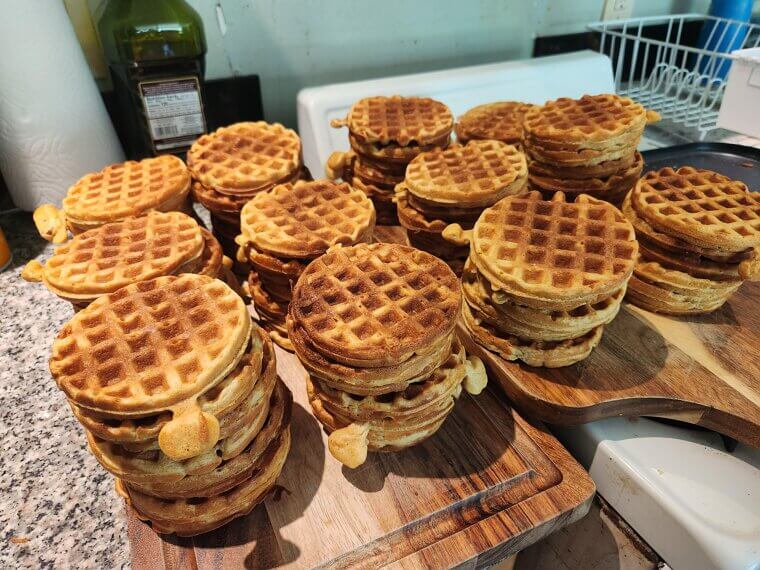
The phrase "L'Eggo my Eggo!" became a national sensation in 1969, when Eggo toaster waffles became wildly popular. You didn’t have to mix, flip, or wait for a waffle to cook. All you had to do was pop, toast, and pour syrup. Busy families were drawn in, and they loved it.
1970: Frosted Mini-Wheats
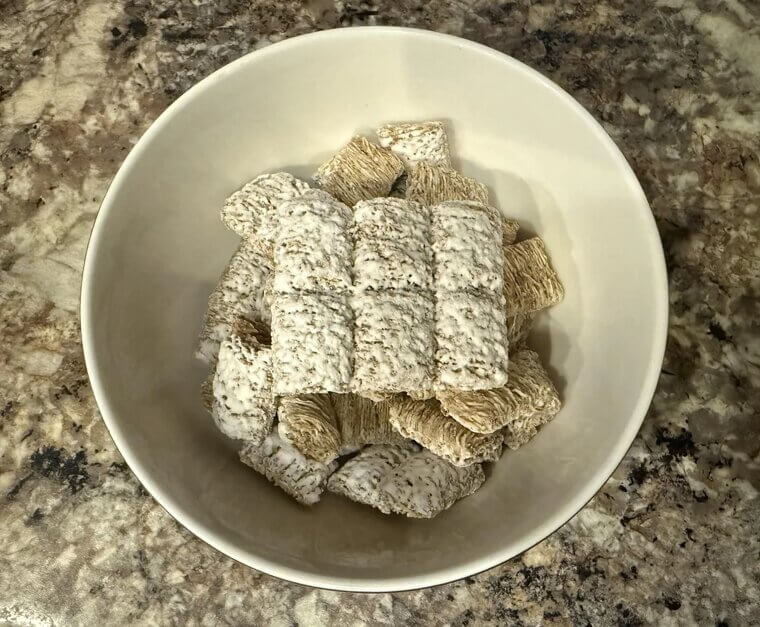
Cereal had officially become a sugar showdown by 1970. Frosted Mini-Wheats hit the shelves to prove you could be both healthy and sweet. Whole wheat on one side, frosting on the other. It was “for adults who wanted fiber” but secretly loved candy for breakfast.
1971: Fruity and Cocoa Pebbles
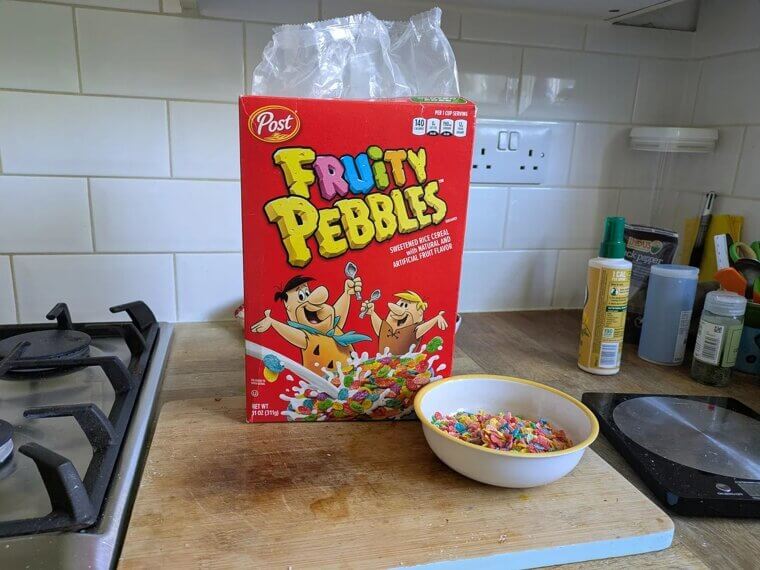
Breakfast got cartoon-level fun in 1971 when Fruity and Cocoa Pebbles hit the shelves, inspired by The Flintstones. Kids loved eating cereal “with Fred and Barney,” while parents tolerated the sugar overload. Pebbles was the first brand ever licensed from a TV cartoon, and it’s still going strong.
1972: Sugar Smacks Cereal
Sugar Smacks was the king of sweet. With its honey-coated puffs and mascot Dig’em Frog, kids couldn’t resist. At one point, the cereal was 56% sugar, higher than some desserts! It was marketed as “energy-packed,” which was technically true if you counted bouncing off the walls as energy.
1973: Recipes With Granola
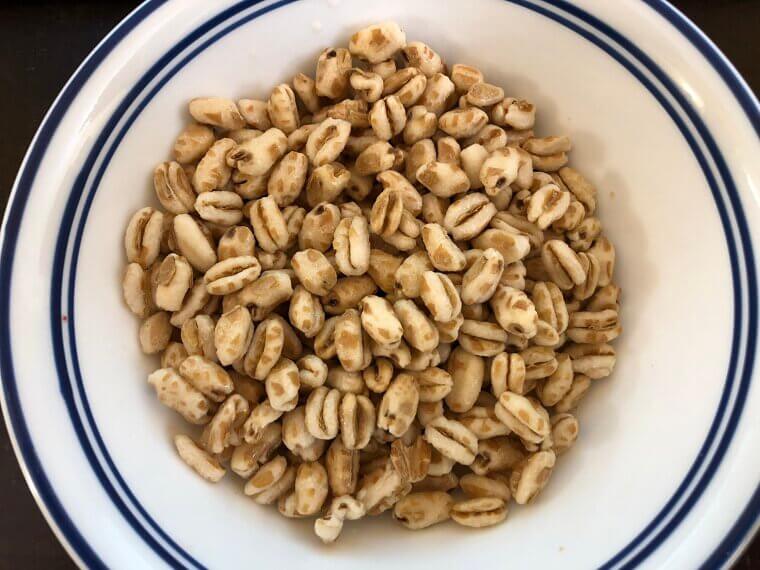
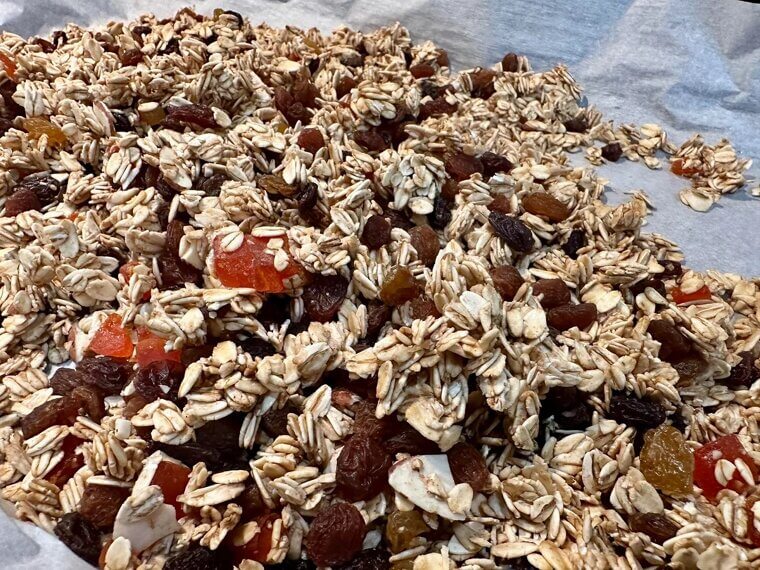
Granola made its big debut, thanks to the health-food movement. People started tossing it into everything: yogurt, cookies, even casseroles. It felt “earthy” and rebellious after years of sugary cereal.
1974: Quaker 100% Natural Cereal
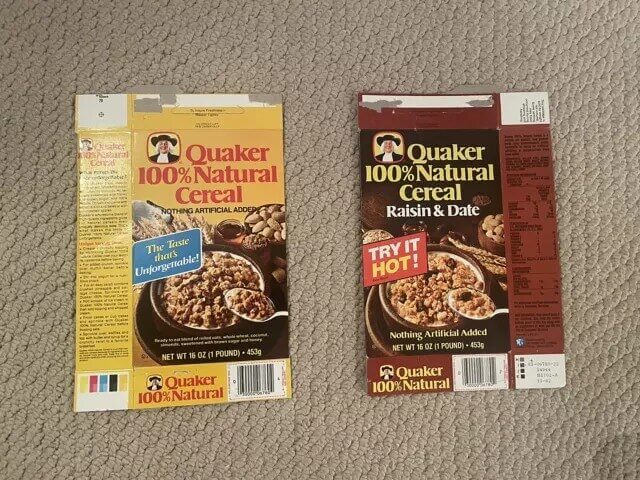
In 1974, Quaker 100% Natural Cereal emerged to meet the rising demands of health-conscious Americans. Packed with oats, nuts, and honey, it was among the first cereals to embrace the “back to nature” vibe. Consumers appreciated that the cereal felt homemade, even if it came right from a box.
1975: Egg McMuffin
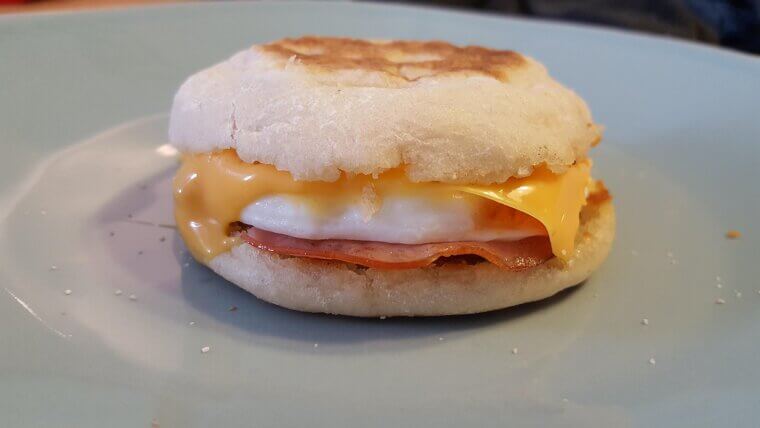
The Egg McMuffin that was launched nationwide by McDonald's in 1975 changed America's breakfast-to-go options forever. The combination of eggs, cheese, and Canadian bacon in a portable sandwich became an instant hit.
1976: Granola Bars
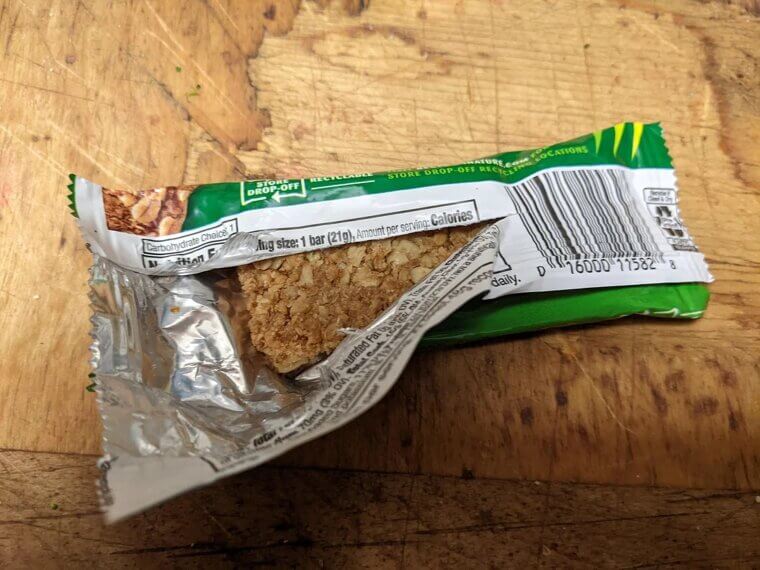
Granola bars became the “I’m healthy, I swear” snack of choice in 1976. Nature Valley led the charge, turning oats, honey, and nuts into something you could munch on while road tripping with your family or friends.
1977: McDonald’s Breakfast
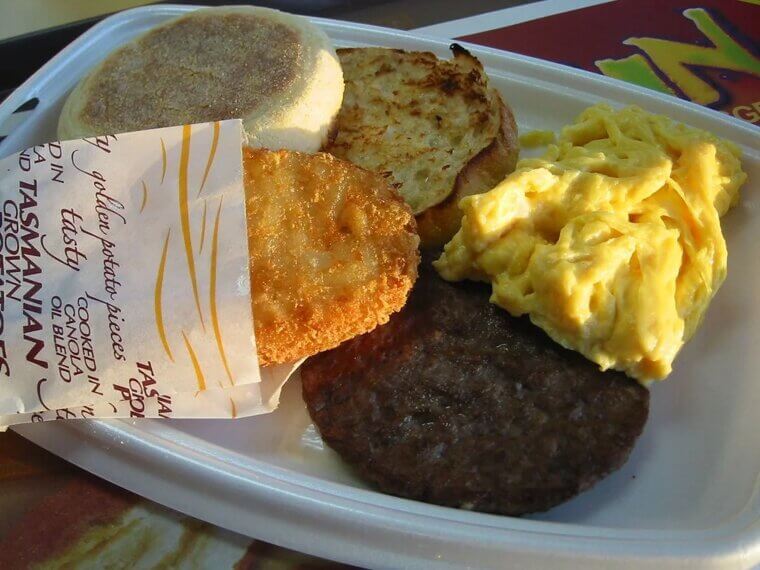
In 1977, McDonald's recognized that mornings were a goldmine and extended its breakfast menu beyond the Egg McMuffin. The breakfast menu added pancakes, hash browns, and sausage sandwiches, and suddenly, the idea of breakfast in a car felt normal. Before long, breakfast sales in the fast-food industry doubled.
1978: Microwave Breakfast
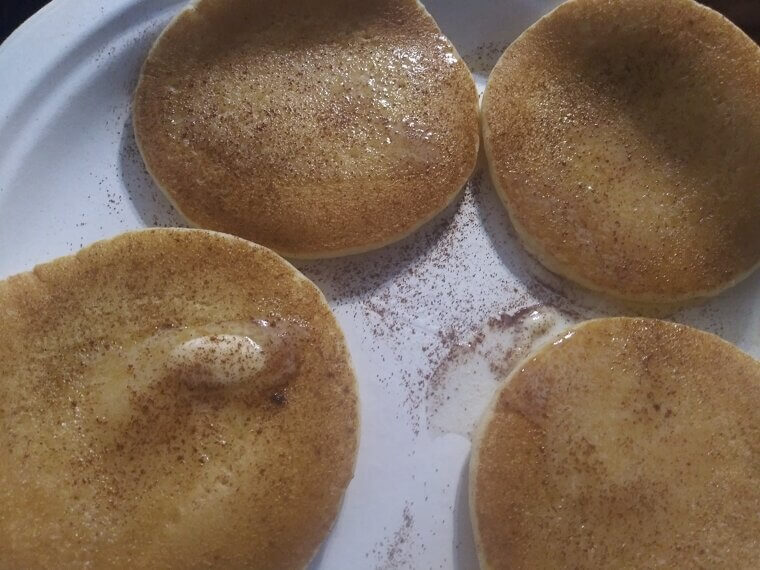
The microwave changed breakfast in 1978. Frozen pancakes, breakfast burritos, and instant eggs were breakfast marvels. People boasted about putting together a full meal in three minutes or less. The convenience craze was real, and by the end of the ‘70s, half of U.S. homes had a microwave.
1979: Honey Nut Cheerios
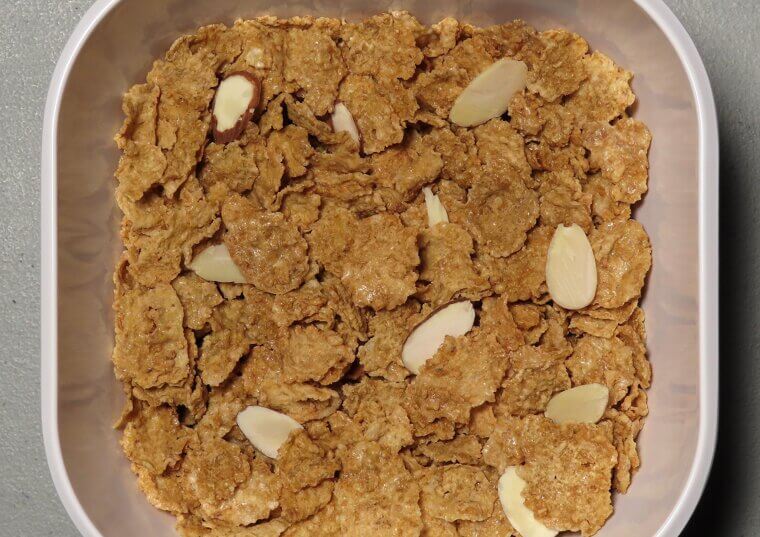
Honey Nut Cheerios hit shelves in 1979 with the mascot BuzzBee, and it quickly became a household name. It was a smoother, friendlier version of the original, with a splash of honey and served with almonds that made it taste more like a dessert. Decades later, it remains a best-selling cereal in America.
1980: Classic Cuisine
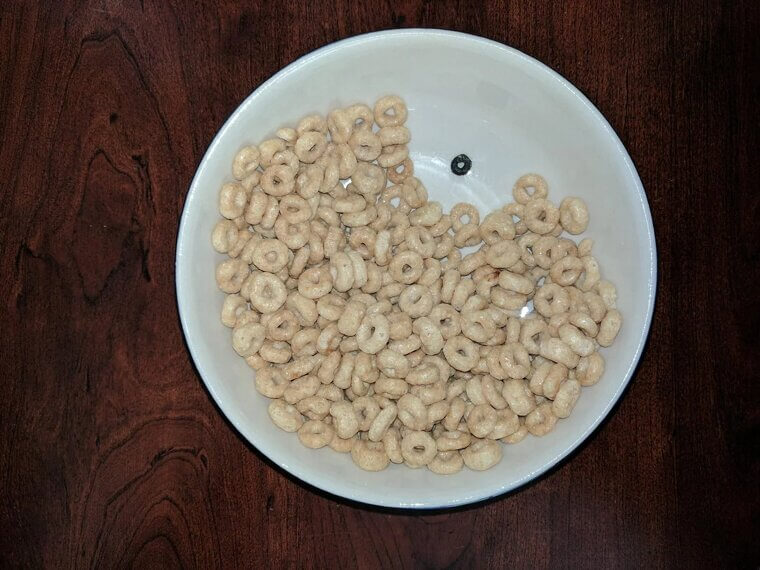
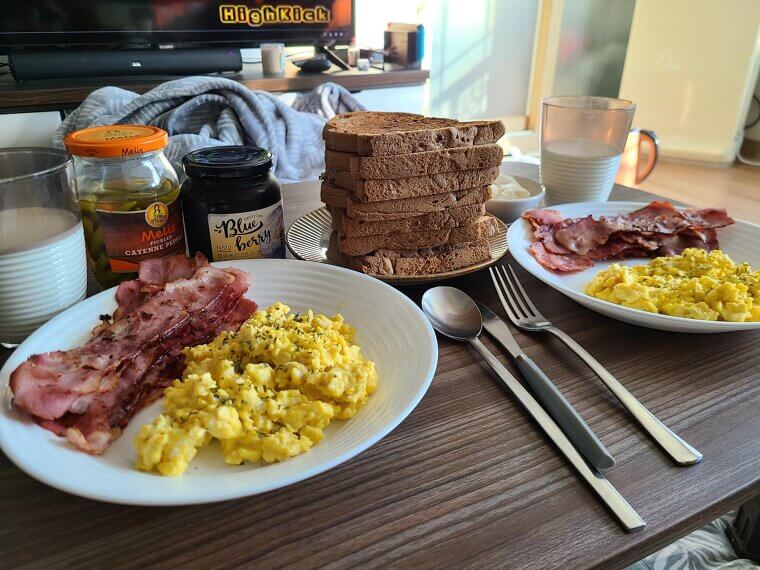
Breakfast took on a nostalgic flavor around 1980. After years of processed trends, families returned to "classic" home-cooked meals, such as scrambled eggs, bacon, and toast. Weekend brunch became normal, and coffee became more popular. The rise of diners and pancake houses brought everyone back to the table for that cozy, homemade feel.
1981: Creative Breakfasts Take Off
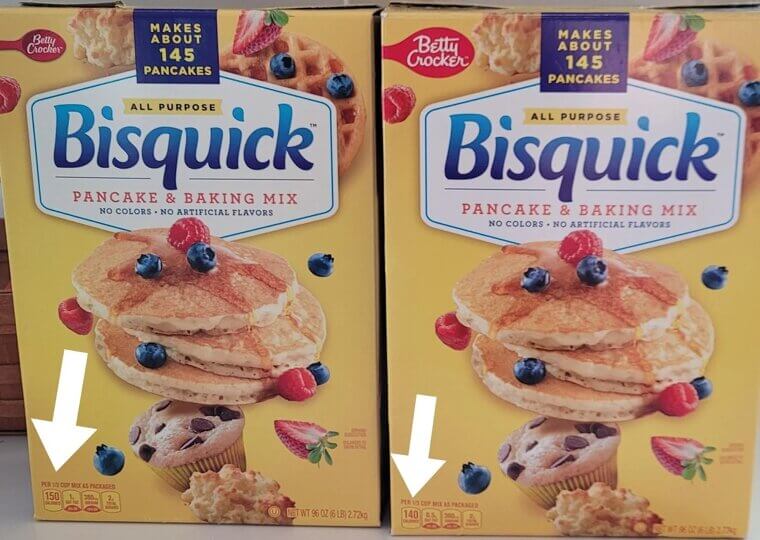
General Mills launched its first recipe magazine, Creative Recipes with Bisquick. In addition, the FDA approved aspartame, which initiated a sugar-free revolution that changed everything. Cookbooks published “creative breakfasts” to impress guests, and home cooks raided the fridge for inspiration.
1982: Yogurt
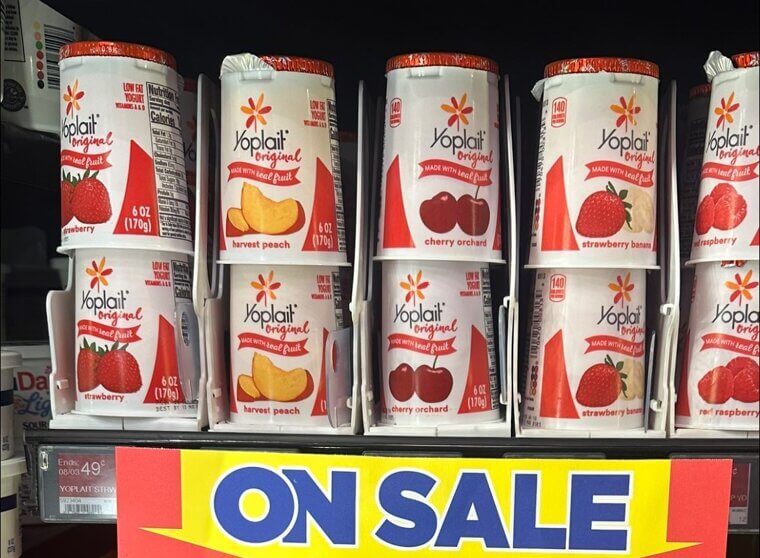
Yogurt made the leap from a niche health food to a mainstream star in 1982. Brands, such as Dannon and Yoplait, took plain yogurt and jazzed it up into a fruit-flavored, creamy delight that everyone wanted. Cups flew off shelves as Americans embraced “cultured” living. Yogurt sales tripled that year, thanks to clever marketing and strawberry-flavored everything.
1983: Crispix
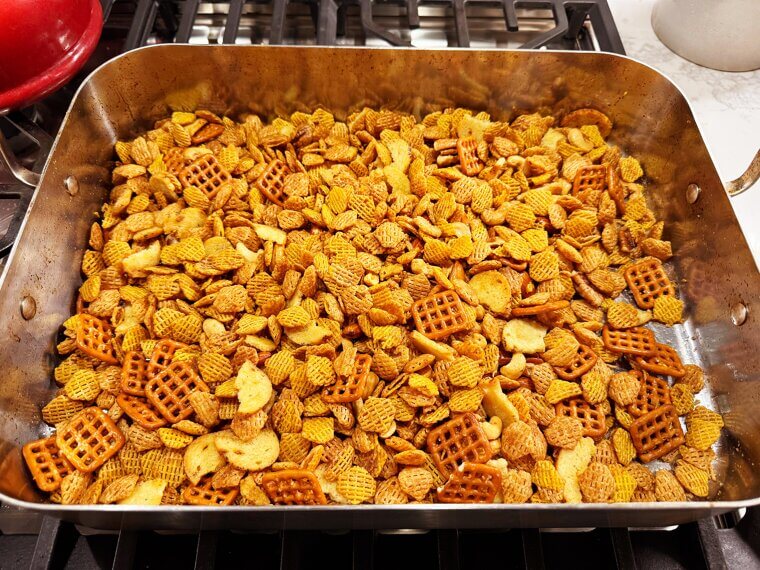
Introduced in 1983, Crispix was instantly known for its fun hexagon shape and the “crunch from both sides” design. Kellogg had the brilliant idea of creating a cereal with corn on one side and rice on the other because you shouldn't have to choose. This made Crispix a staple in many snack mixes, and it even scored its own Chex-style party recipes.
1984: SlimFast Shakes
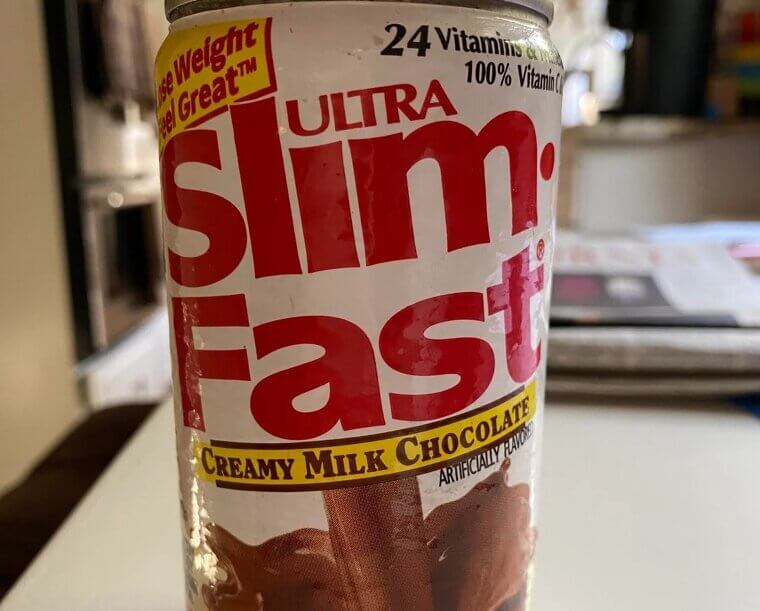
SlimFast made its debut in 1984 when the diet craze was on. This was the same year that General Mills rolled out Cinnamon Toast Crunch. People loved the convenience of SlimFast, even if it tasted a little like sweet chalk.
1985: Pillsbury Toaster Strudels
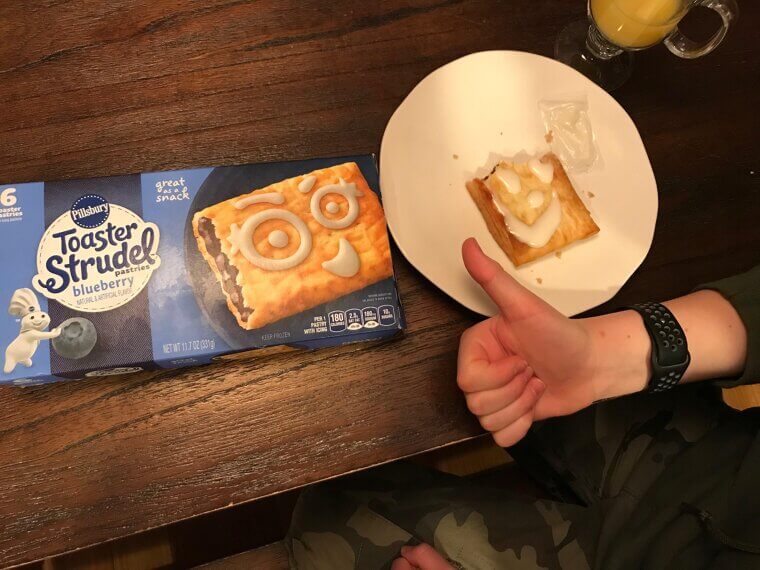
Pillsbury declared war on Pop-Tarts by introducing Toaster Strudels. Kids enjoyed adding frosting with their DIY frosting packets, and parents enjoyed pretending it was a “fancier” breakfast. The catchy tagline, “Something better just popped up!” helped make Toaster Strudels an instant hit.
1986: Fresh Bread
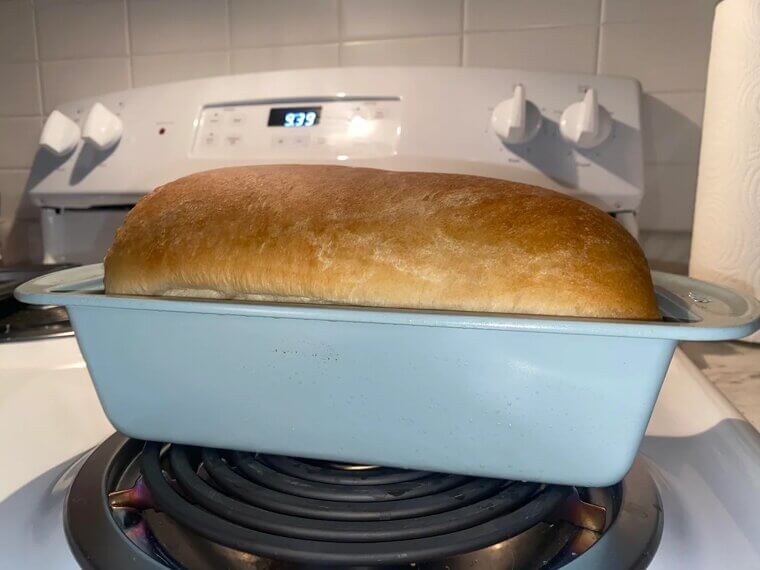
Nothing smelled better than fresh bread in the morning. Bread machines were the new kitchen craze, letting families wake up to the scent of homemade loaves. Supermarkets caught on, too, adding in-store bakeries. Whole wheat and multigrain bread became trendy as Americans started giving white bread the side-eye.
1987: Bran Flakes
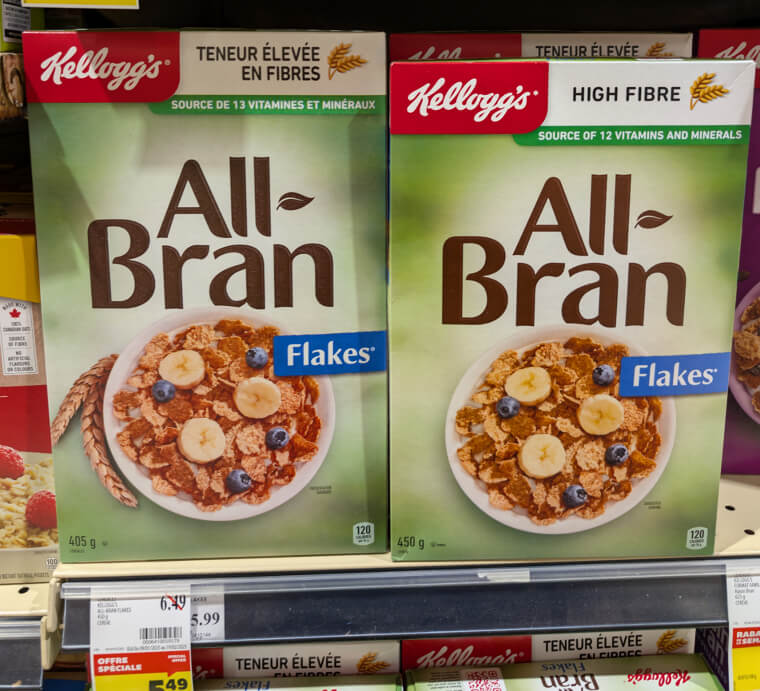
Things got real at breakfast time with the introduction of bran flakes. Suddenly, everybody was talking about fiber. The ads promised better digestion and “a healthier you,” and with that, cereal felt almost medicinal. Kellogg’s All-Bran became a staple in households, and people proudly pretended they were eating it for wellness.
1988: Low-Fat Milk
This was the year America lost its mind, going fat-free. Low-fat milk became a new necessity as the “heart-healthy” craze hit the scene. Suddenly, whole milk seemed downright criminal. Grocery aisles became packed with 1% and skim, and cereal lovers convinced themselves they couldn’t taste the difference.

1989: Biscuit, Egg, and Bacon
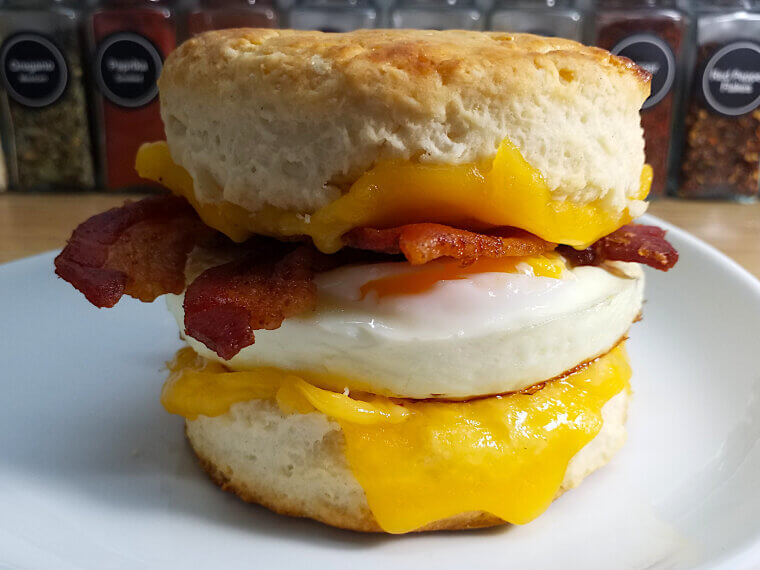
The breakfast wars between fast-food chains ramped up, and the biscuit, egg, and bacon sandwich was their weapon of choice. McDonald's, Hardee's, and Burger King battled for the title of best handheld breakfast.
1990: Low-Fat Granola Bars
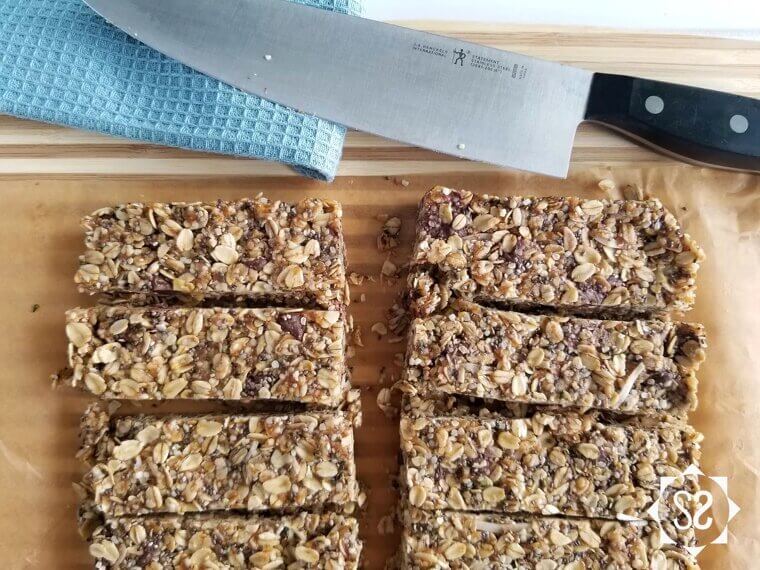
The 1990s started the trend of everything becoming low-fat, including granola bars. Brands like Quaker Oats introduced “lighter” versions that promised guilt-free snacking. They were chewy, sweet, and often dipped in chocolate —defeating the purpose —but nobody cared. The low-fat trend was booming, and taste buds took a back seat.
1991: Honeycrisp Apples
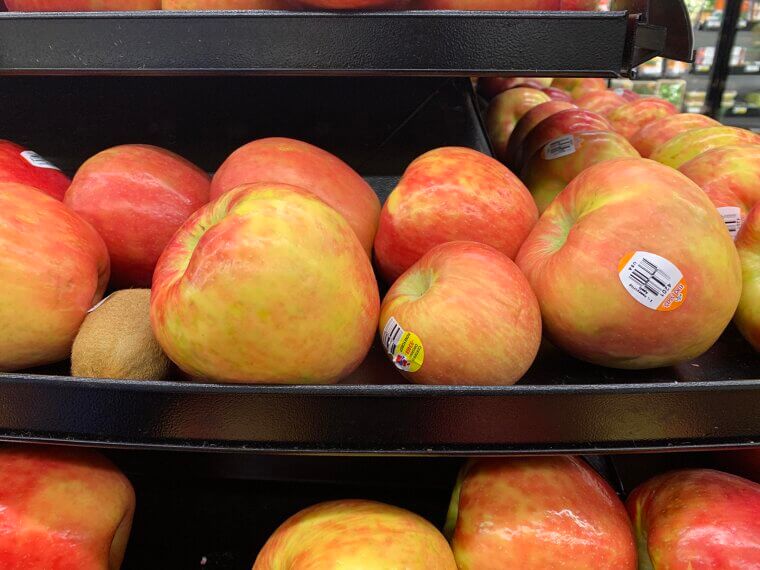
The introduction of Honeycrisp apples completely revolutionized breakfast fruit bowls. Developed at the University of Minnesota, Honeycrisps became an instant favorite due to their super-crunchy texture and extra-sweet taste. They were bred for that satisfying snap with every bite, and soon replaced Red Delicious as America’s favorite “healthy start” to the day.
1992: Coffee
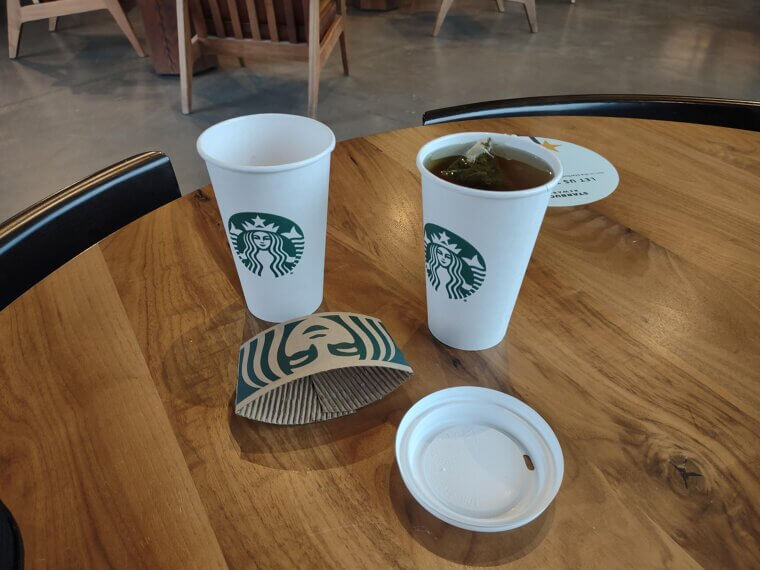
Coffee became more than just coffee in 1992. Starbucks was spreading across America, turning plain old Joe into lattes, cappuccinos, and frappes. People suddenly needed to know words like “macchiato.” Morning routines became fancier, pricier, and a lot more caffeinated.
1993: Craisins
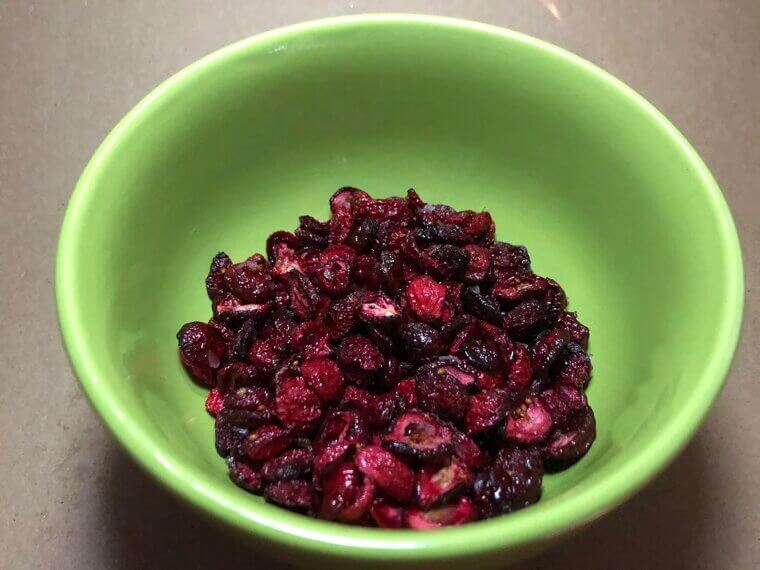
Breakfast took a tart twist when Ocean Spray unveiled Craisins. Dried cranberries began appearing in granola, muffins, yogurt, and other foods. Craisins were sweet, chewy, and marketed as “better than raisins.” The name was so appealing that it became a generic name for dried cranberries.
1994: Reese’s Peanut Butter Puffs
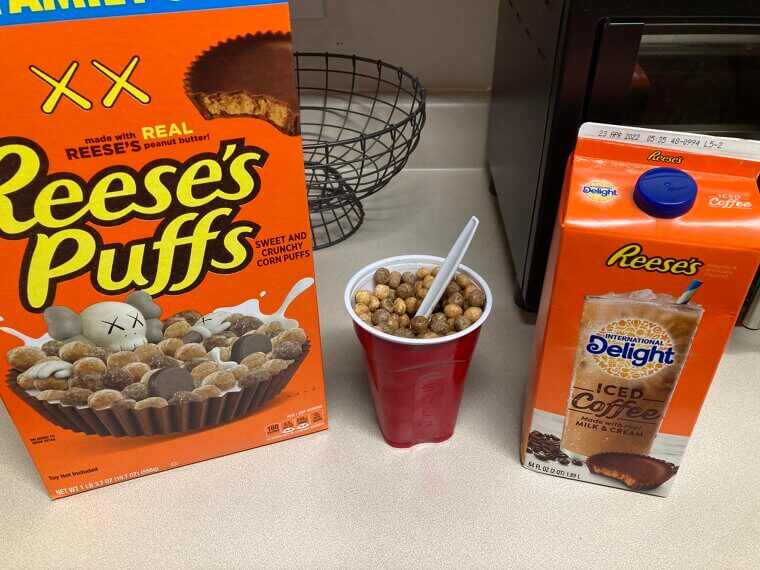
Reese’s brought candy to breakfast with Peanut Butter Puffs. Kids were ecstatic, but parents were not. The cereal perfectly captured the classic peanut butter-and-chocolate treat, bringing the flavor of Halloween to breakfast.
1995: French Toast Crunch Cereal
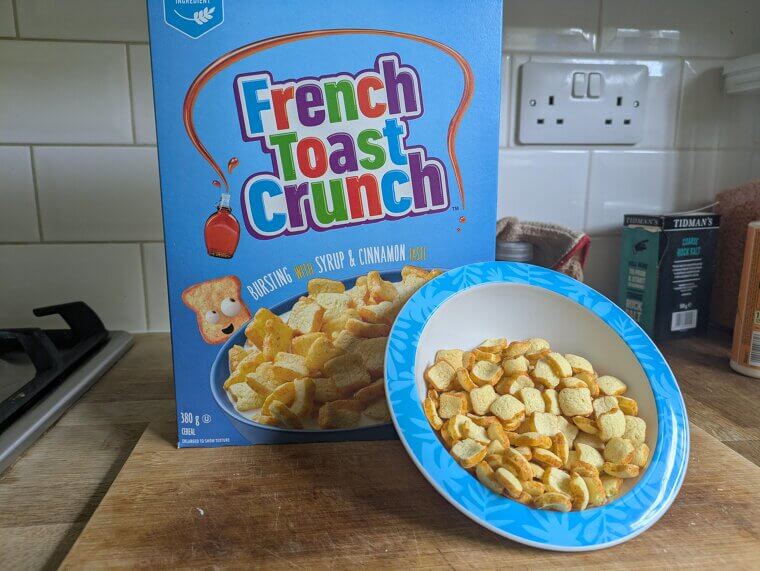
The breakfast dreams of many people came true in 1995 with the introduction of French Toast Crunch. These were small cereal pieces flavored with maple syrup. It was a nostalgic hit, especially for kids who wanted syrupy flavor without waiting for Mom to cook.
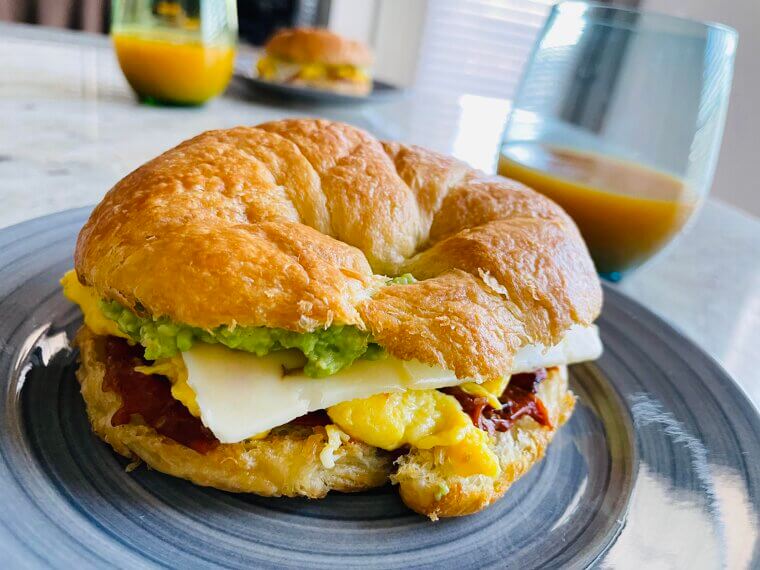
1996: Croissan’wich
Burger King’s Croissan’wich became the fancy cousin of the Egg McMuffin. These flaky, buttery croissants stuffed with eggs, cheese, and sausage made fast-food breakfast feel almost French. For many, it was love at first melty, buttery bite.
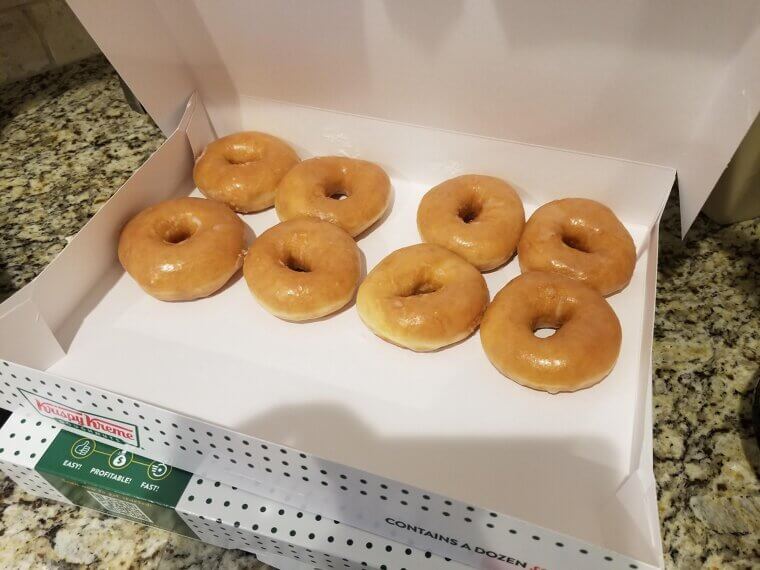
1997: Krispy Kreme
Krispy Kreme went national in 1997, and mornings got a whole lot sweeter. People lined up for those warm, “Hot Now” glazed donuts that melted in seconds. The original recipe debuted in 1937, but the 1990s revival was pure magic.
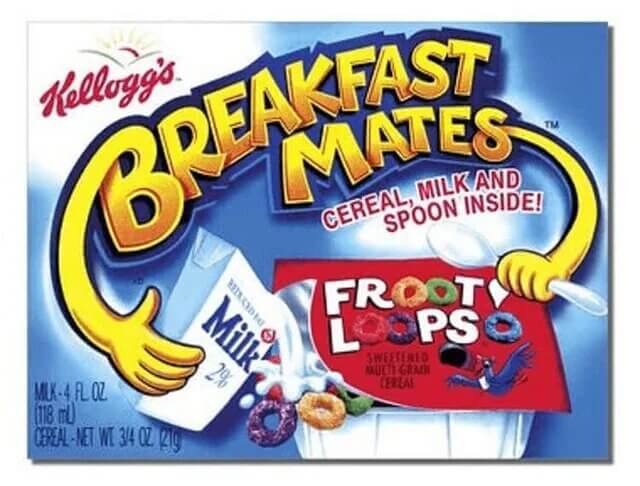
1998: Breakfast Mates
Breakfast became kind of futuristic with Kraft’s Breakfast Mates. Each kit had cereal, milk, and a spoon. It had the makings of a genius idea, but it ended up failing miserably because warm milk just does not hit right. Still, it’s remembered fondly as a bold, slightly gross attempt to make breakfast truly on-the-go.
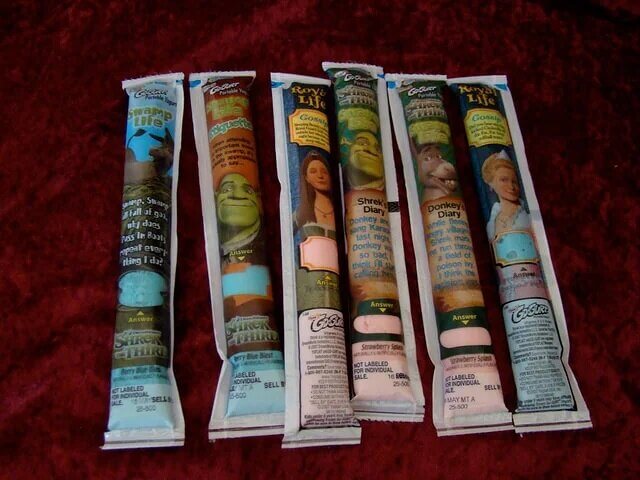
1999: Go-Gurt
Go-Gurt hit store shelves, promising to be the ideal snack for on-the-go consumption. It made yogurt a portable, squeezable, spoon-free treat for kids and parents alike. Mornings became undeniably cooler, faster, and significantly more caffeinated, one tube and espresso shot at a time.
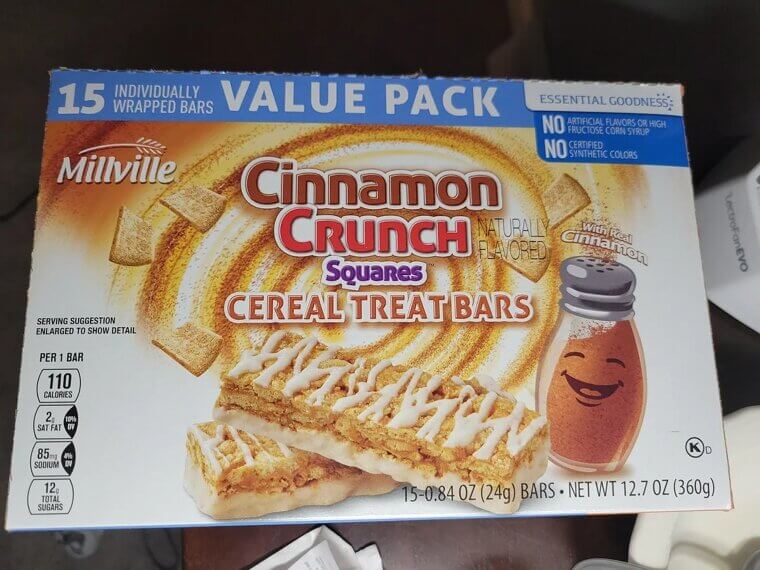
2000: Milk ‘n Cereal Bars
The year 2000 kicked off with nostalgia disguised as innovation: Milk ‘n Cereal Bars. These chewy squares promised “the taste of breakfast in one bar.” It was the lazy millennium’s love letter to breakfast cereal.