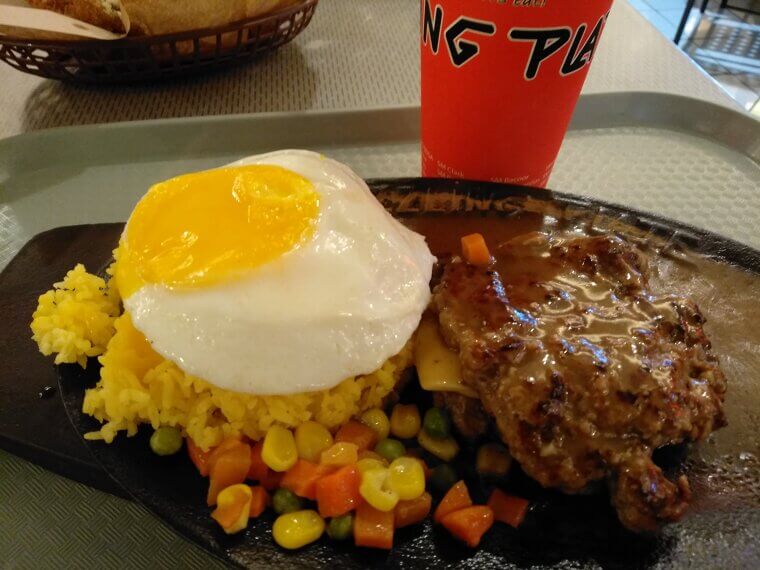
Salisbury Steak on a Weeknight
Salisbury steak walked a funny line between a hamburger and something fancier. It was ground beef shaped into oval patties, pan-fried, and smothered in a thick mushroom gravy. Served with mashed potatoes, it was the kind of dinner that made a Tuesday feel like it mattered. A lot of people first had it from a TV dinner tray — the ones with the foil cover you peeled back. But the homemade version was a different thing entirely. The gravy was richer, the meat had more flavor, and it came with the sound of someone actually cooking in the kitchen. Salisbury steak never pretended to be anything it wasn't. It was simple, hearty food that hit right every time. The people who still make it from scratch are keeping something good alive.
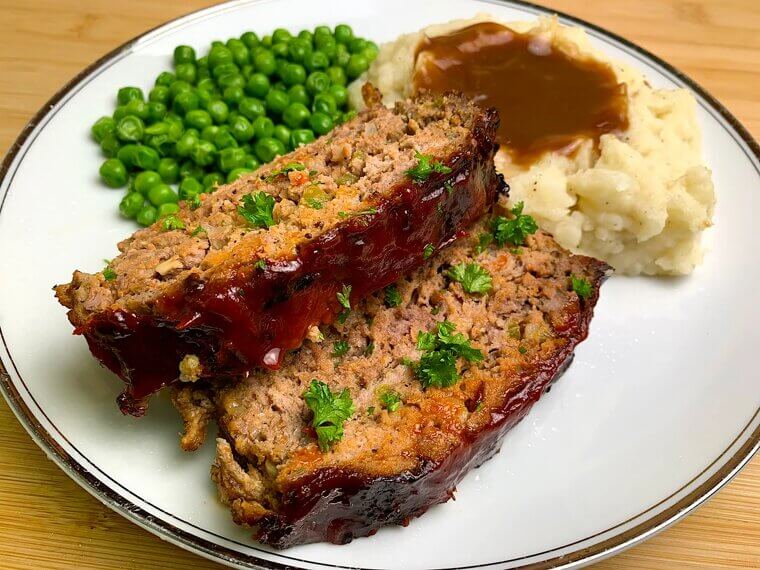
Meatloaf Was Monday's Best Idea
Meatloaf didn't try to impress anyone. Ground beef, breadcrumbs, an egg, some onion, and a thick coat of ketchup or tomato sauce on top. It went into the oven and came out smelling like everything good about a weeknight dinner. Every family had their own version. Some added bell pepper. Some mixed in a packet of onion soup. Some swore by a strip of bacon draped across the top before baking. The leftovers were almost better than the original — cold meatloaf sandwiches on white bread with mustard the next day. Meatloaf never won any cooking awards and never tried to. It just showed up, fed the family, and disappeared. The people who still make it every week aren't stuck in the past. They just know a good thing when they taste it.
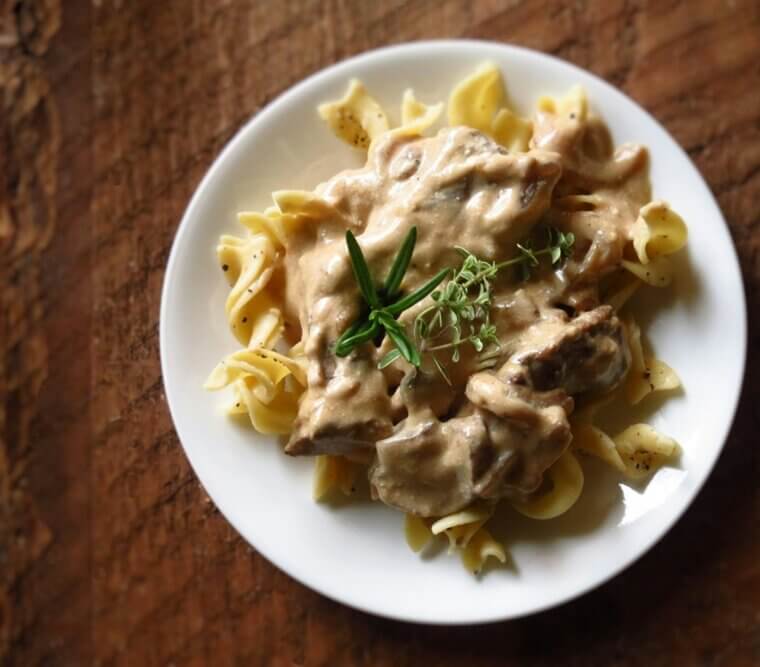
Beef Stroganoff Worth Fighting Over
There was a time when beef stroganoff showed up at almost every potluck and family dinner in America. Tender strips of beef, sautéed mushrooms, and that creamy sauce ladled over egg noodles. Not the stuff from a box with powdered seasoning, but the real thing, made from scratch in a heavy skillet. The recipe had been around for decades before the '80s, but that's when it hit its peak in home kitchens across the country. People made it on weeknights like it was nothing. Today, most wouldn't bother with the time it takes to get the sauce right. But if you've got a good stroganoff recipe passed down from someone who knew what they were doing, you already know it's worth every minute.
Chicken Kiev Had Real Drama
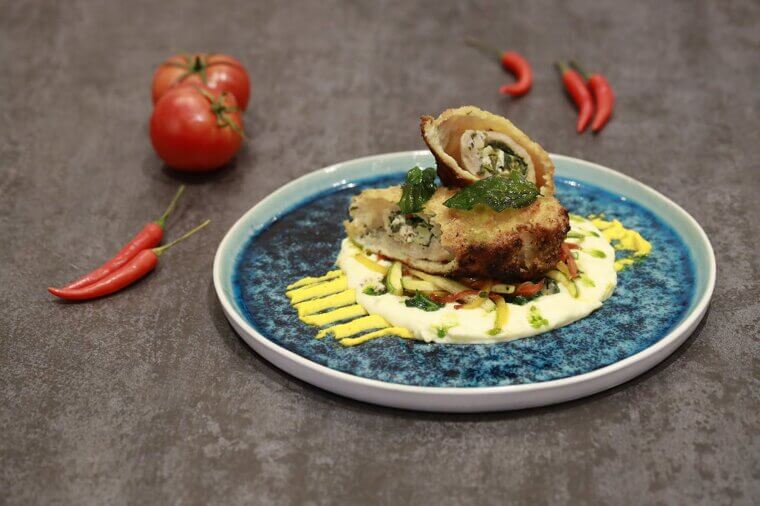
Cutting into a piece of chicken Kiev was an event. That golden, crispy shell cracked open and a stream of hot garlic butter poured out across the plate. Getting it right meant pounding the chicken flat, tucking a cold slab of herbed butter inside, rolling it tight, breading it, and frying or baking it without a single leak. It was fussy, and that was the whole point. Restaurants served it as a showpiece. Home cooks who pulled it off earned bragging rights for the week. The dish faded as people moved toward faster meals and simpler prep. But the ones who still make it know something the shortcut generation missed — some dishes are supposed to take effort, and the payoff is the whole reason you do it.
Pot Roast Owned Every Sunday
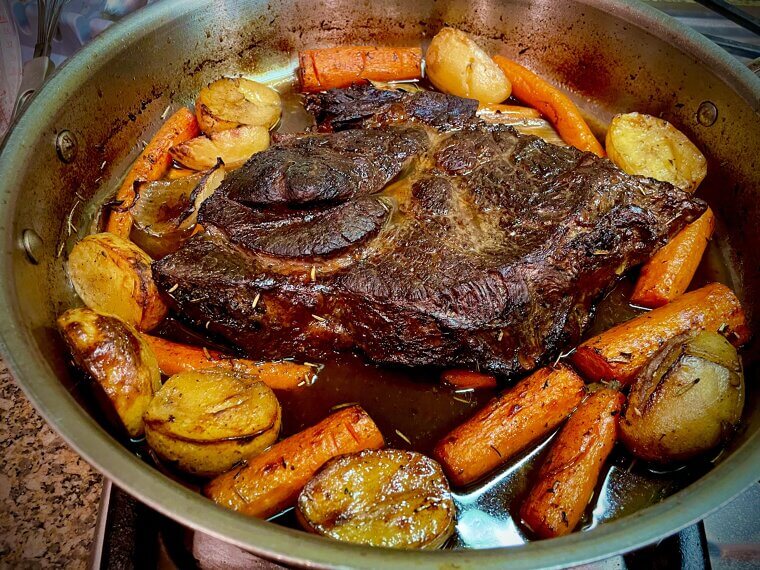
The smell of pot roast on a Sunday afternoon could fill an entire house by noon. A big chuck roast browned in a Dutch oven, then slow-cooked for hours with carrots, potatoes, onions, and enough beef broth to keep everything moist. By the time dinner came around, the meat fell apart with a fork and the vegetables had soaked up every bit of flavor from the pan. This wasn't a recipe that needed measuring cups. Most people who made it learned by watching someone else do it, adjusting by feel, and trusting the process. Pot roast wasn't just food. It was a signal that the family was going to sit down together and eat something real. That tradition might be harder to keep up now, but the people who do it know what they're protecting.
The Mighty Cheese Ball
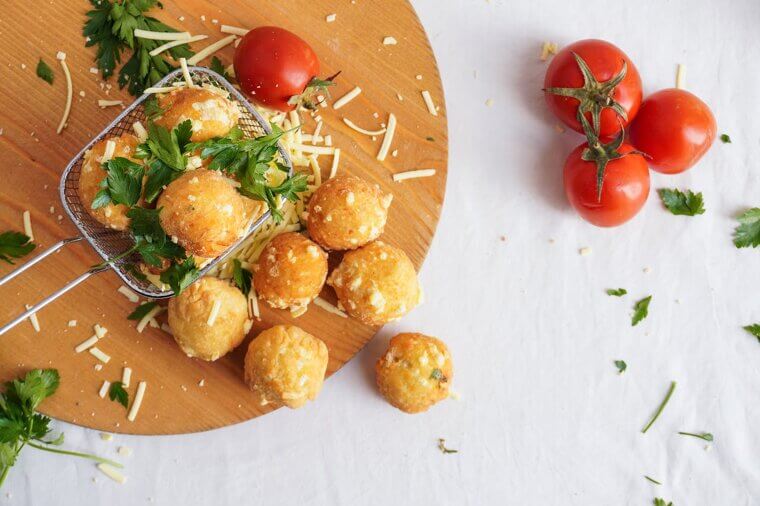
Every holiday party in the '80s had one. A big, round cheese ball sitting on a platter, coated in chopped pecans or walnuts, surrounded by a ring of Ritz crackers. The base was usually cream cheese mixed with sharp cheddar, a splash of Worcestershire, maybe some green onion. Nothing fancy. Nothing complicated. And it was always the first thing gone from the table. People stood around it like it was a campfire, scooping and talking and going back for more. Somewhere along the way, cheese boards with $40 worth of imported wedges took over. They look nice in photos. But ask anyone who remembers a good cheese ball, and they'll tell you — a handful of ingredients and ten minutes of work beat a styled board every time.
Quiche Lorraine Deserved Better
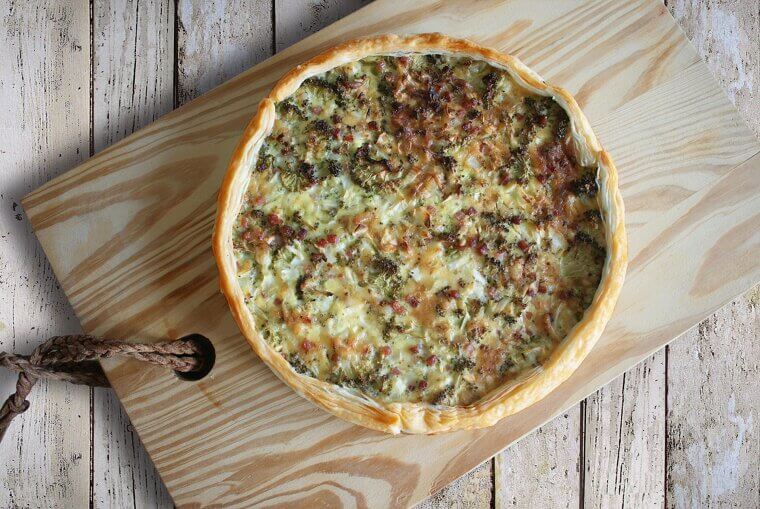
Quiche got a bad reputation it never earned. That old joke about "real men" did more damage to this dish than any bad recipe ever could. A proper Quiche Lorraine — eggs, cream, Swiss cheese, and thick-cut bacon baked in a buttery crust — is one of the best things to come out of an oven. It works for breakfast, lunch, dinner, and everything in between. In the '80s, it was everywhere. Brunch menus, dinner parties, weeknight suppers. Then the joke stuck, people moved on, and quiche became something you only saw at catered events. That's a shame, because a well-made quiche takes about an hour, feeds a crowd, and tastes just as good cold the next morning straight from the fridge.
Tuna Noodle Casserole Meant Home
You either grew up on tuna noodle casserole or you know someone who did. Canned tuna, egg noodles, cream of mushroom soup, frozen peas, and a layer of crushed potato chips on top. It came out of the oven bubbling and golden, and the whole kitchen smelled like comfort. Nobody pretended it was gourmet. That wasn't the point. It was cheap, it was fast, and it fed everybody at the table with enough left over for tomorrow. The recipe barely changed from one household to the next because it didn't need to change. It just worked. People who grew up eating it still crave it on cold nights when nothing else sounds right. And the ones who never stopped making it don't need anyone's permission to enjoy it.
Shrimp Scampi in the Skillet
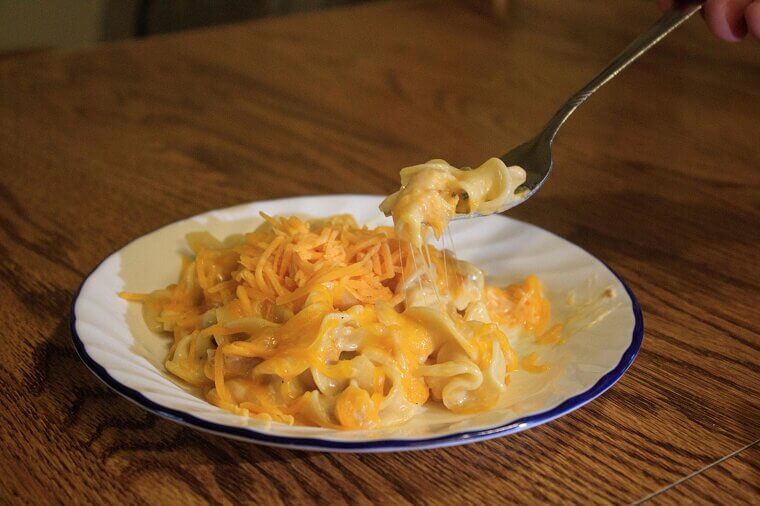
Shrimp scampi was the dish you made when you wanted dinner to feel special without spending all day in the kitchen. Butter, garlic, white wine, a squeeze of lemon, and a handful of shrimp tossed over linguine. Twenty minutes, start to finish. The smell alone was enough to bring people to the table before you finished plating. It was a staple at Italian restaurants and a go-to for home cooks who wanted something impressive on a weeknight. The recipe hasn't changed because it doesn't need to. Garlic, butter, and shrimp is one of those combinations that just works no matter what decade you're in. If you still make it, you probably make it the same way you always have. And it probably still tastes just as good as it did the first time.
Veal Parm Was the Real Deal
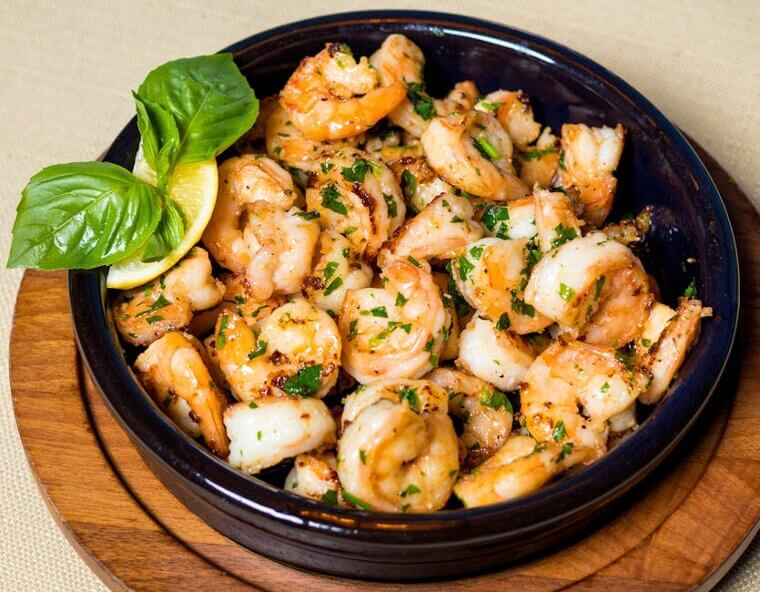
Before chicken parmigiana took over every menu in America, veal was the original. A thin cutlet, pounded flat, breaded, fried until the edges crisped up, then buried under marinara and a blanket of melted mozzarella. Italian-American restaurants in the '80s served it on plates so big you needed both hands. Home cooks made it for Sunday dinners and special occasions. The switch to chicken happened mostly because veal got expensive and harder to find at regular grocery stores. But the texture isn't the same. Veal is more tender, more delicate, and it holds the breading differently. People who remember the original know the difference right away. Chicken parm is fine. Nobody's arguing that. But if you've had the veal version, you know what fine is missing.
Fondue Was the Party Itself
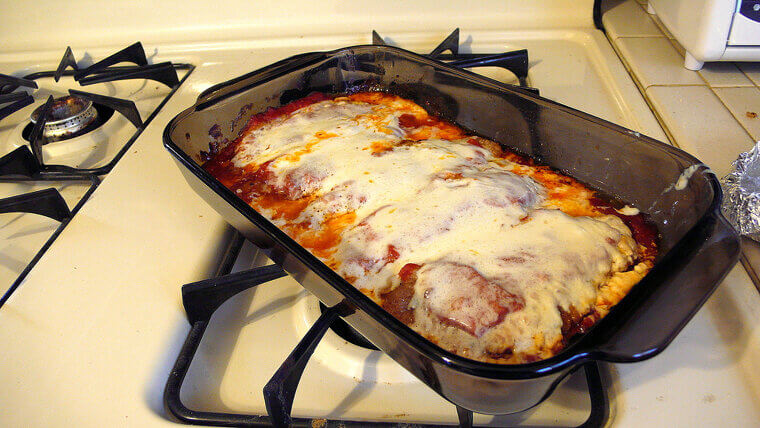
A fondue pot in the middle of the table changed the whole feel of a gathering. Thick, melted cheese with chunks of bread for dipping. Or chocolate with strawberries and pound cake for dessert. The food was almost secondary to what it did to a room. People leaned in, reached across, talked more, laughed more. It was communal in a way that plated dinners never quite managed. The '80s were peak fondue years in American homes. Sets showed up as wedding gifts and housewarming presents. Then they got packed away in closets and forgotten about for twenty years. Lately, some younger crowds have started rediscovering the concept at trendy restaurants with $30 cheese boards. But anyone who had a fondue pot going on a Saturday night in 1983 already knew the secret.
Beef Wellington Meant You Cared
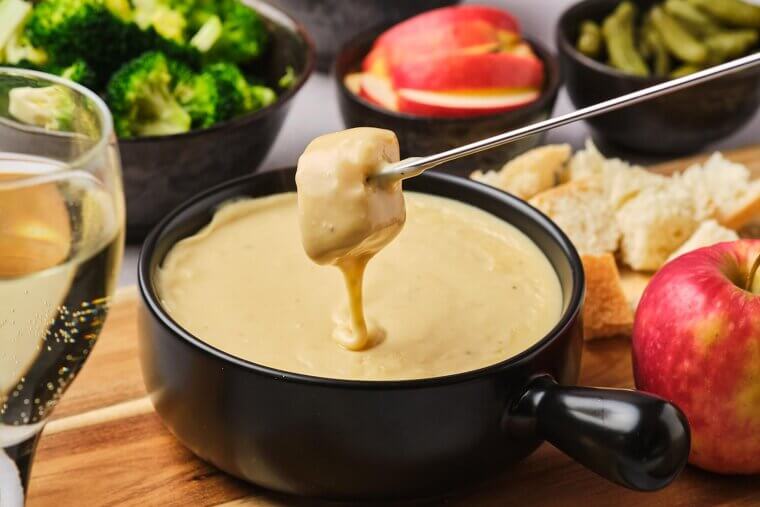
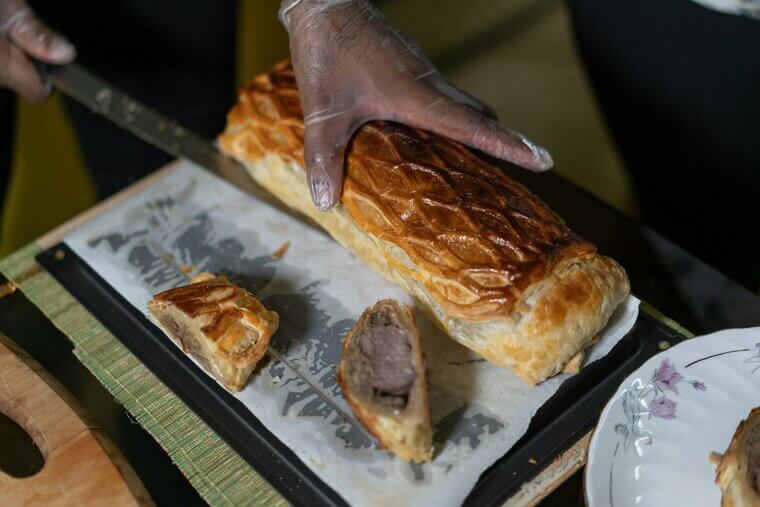
Nobody made beef Wellington on a whim. You had to plan it. A good beef tenderloin, seared on all sides, spread with mushroom duxelles and pâté, then wrapped tight in puff pastry and baked until golden. Getting the pastry crisp while keeping the beef medium-rare inside was the kind of challenge that separated confident cooks from everyone else. In the '80s, this was the dish you made for Christmas dinner, anniversary celebrations, or when you really wanted to show someone what you could do. It took time, skill, and attention. That's exactly why it mattered. Most people today would rather order it at a high-end restaurant than attempt it at home. But the ones who still roll up their sleeves and make it from scratch are carrying on something worth keeping.
Chicken A La King Ruled Lunch
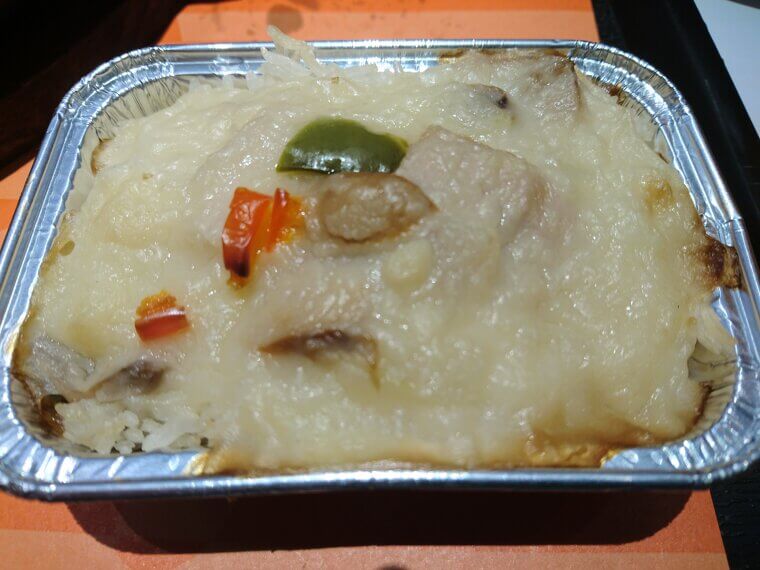
Chicken a la King was one of those dishes that sounded more refined than it actually was, and that was part of its charm. Chunks of chicken in a thick, creamy sauce with pimentos and peas, served over toast points, biscuits, or rice. It showed up at luncheons, church dinners, and weekday meals when you needed to stretch leftover chicken into something that looked like you planned it. The recipe was forgiving. You could swap in whatever vegetables were on hand, adjust the sauce thickness, and it still came out right. It wasn't flashy. It didn't photograph well by modern standards. But it tasted like someone took the time to make a proper lunch, and there's nothing old-fashioned about that.
Rumaki at Every Cocktail Hour
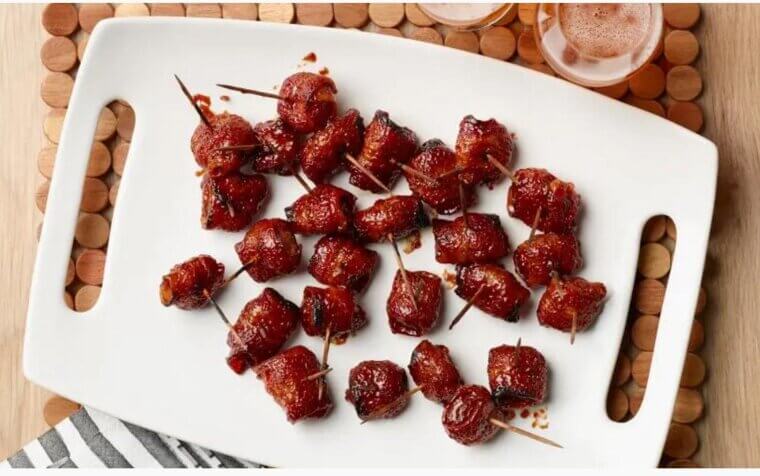
If you've never had rumaki, you missed one of the boldest appetizers of the era. Chicken livers wrapped in bacon with a slice of water chestnut tucked inside, held together with a toothpick and broiled until the bacon crisped up. The combination sounds strange on paper, but it worked. The bacon brought the salt and crunch, the water chestnut added a clean snap, and the liver gave it a rich, savory depth that nothing else on the appetizer table came close to matching. Rumaki was a fixture at cocktail parties and holiday gatherings through the '80s. It faded out as people moved toward milder, safer finger foods. But bring a tray of these to a party full of people who remember them, and watch how fast the plate empties.
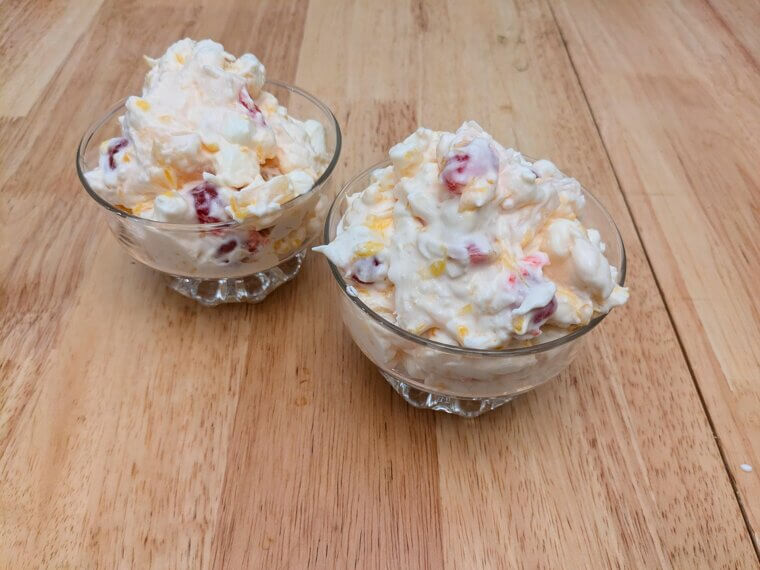
Ambrosia Salad Closed the Deal
Ambrosia salad was the dish that showed up at the end of the table and made sure nobody left hungry or unhappy. Cool whip or whipped cream folded together with mandarin oranges, pineapple chunks, shredded coconut, mini marshmallows, and sometimes maraschino cherries. It was sweet, cold, and impossibly easy to make. Some families added sour cream to cut the sweetness. Others tossed in pecans or sliced grapes. There was no single right way to make it, and that was part of its staying power. Every version tasted like someone's aunt or grandmother's house. The dish doesn't get much respect these days from the food-trend crowd, but it still shows up at family reunions and church suppers where people care more about flavor than presentation. And it still disappears first.