Stepping Back to Move Forward
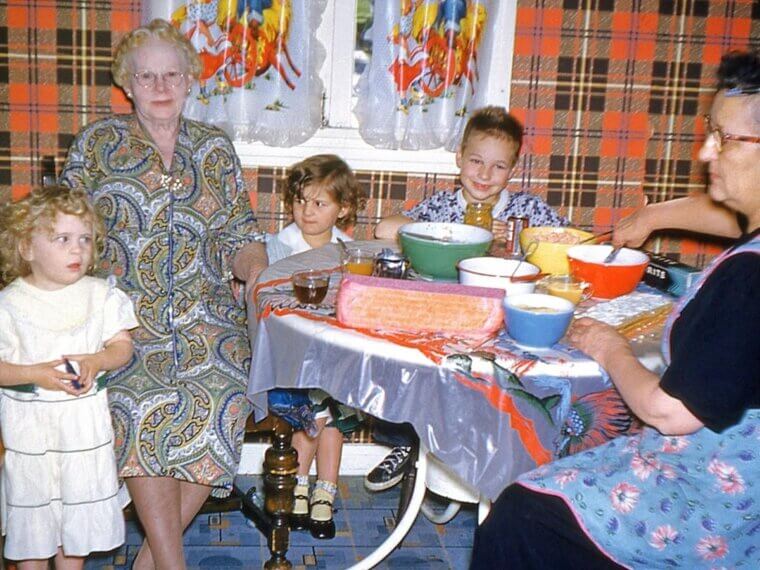
The modern diet is a far cry from what our grandparents consumed during the mid twentieth century. Today, our shelves are lined with ultra processed foods, stabilizers, and artificial sweeteners that were virtually nonexistent in the 1960s. Making a resolution to adopt a 1960s style diet is not just about nostalgia; it is a calculated move to eliminate chemical additives and return to whole, nutrient dense ingredients. In that era, meals were prepared at home, portions were naturally smaller, and the concept of a "snack" was an occasional treat rather than a constant habit. By adopting this vintage framework, you can effectively purge your pantry of modern industrial waste and reclaim your metabolic health. This transition requires a shift in mindset from convenience to quality, emphasizing the importance of raw ingredients over cardboard boxes.
Prioritizing Whole Foods Over Packages
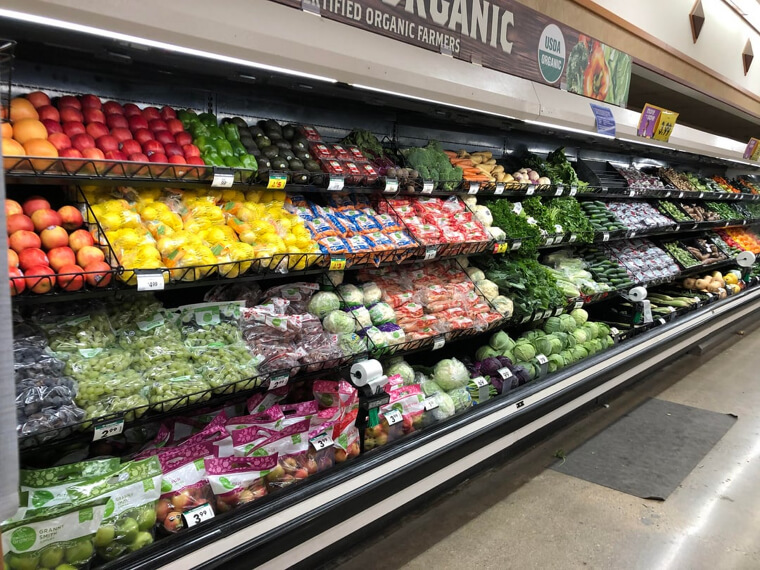
In the 1960s, the grocery store landscape was dominated by the perimeter. Shoppers focused on the produce section, the butcher counter, and the dairy case. Most items did not come with a long list of unpronounceable ingredients because they were the ingredients themselves. To follow this resolution, you must commit to buying foods in their most basic form. Instead of pre seasoned frozen dinners or canned pasta, you buy the meat, the vegetables, and the grains separately. This ensures that you are in total control of the sodium, sugar, and fat content of your meals. Eliminating the "middleman" of food processing removes the hidden vegetable oils and preservatives that contribute to systemic inflammation and weight gain in the modern population. It is a return to culinary transparency that the 21st century has largely forgotten.
The End of Constant Snacking
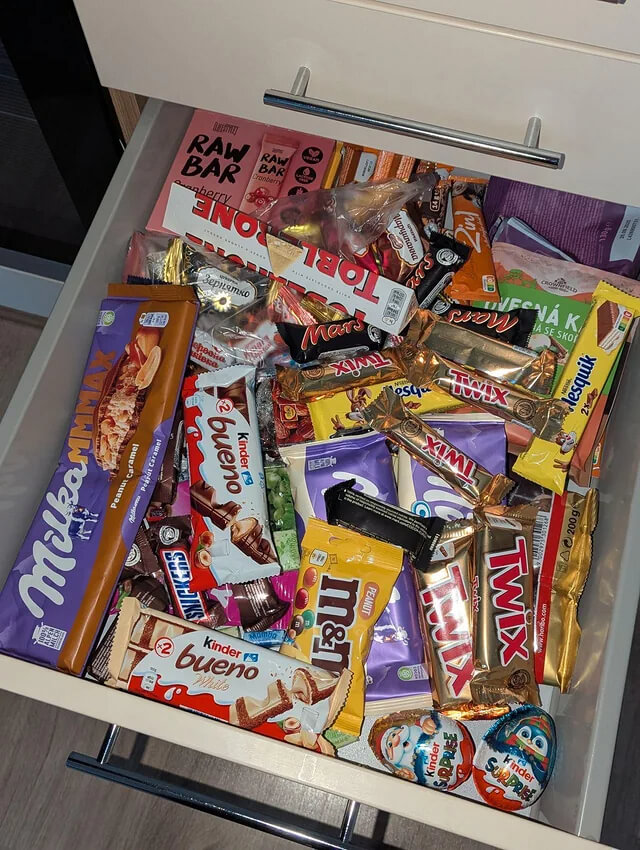
One of the most significant differences between the 1960s and today is the frequency of eating. In the 1960s, people typically ate three distinct meals a day: breakfast, lunch, and dinner. The culture of "grazing" or eating every two hours had not yet taken hold of the public consciousness. By sticking to three square meals, you allow your insulin levels to drop between feedings, which facilitates better fat burning and metabolic flexibility. This New Year’s resolution demands that you stop reaching for chips or protein bars between meals. If you are hungry, it means your previous meal was insufficient, and you should adjust your next plate accordingly. Breaking the snack habit is one of the fastest ways to reduce caloric intake without feeling deprived of actual nutrition during mealtime.
Mastering Home Cooked Proteins
In the mid century kitchen, protein did not come from a powder or a highly processed meat substitute. It came from roasted chicken, pan seared steaks, pork chops, and fresh fish. Preparing these proteins at home allows you to avoid the industrial seed oils often used in restaurant cooking. A 1960s resolution encourages you to learn basic cooking techniques like roasting and braising. These methods enhance the natural flavors of the meat without the need for heavy, sugar laden sauces found in modern aisles. By focusing on high quality animal proteins, you increase satiety and provide your body with the essential amino acids it needs for muscle maintenance and hormonal balance. This shift away from processed meats like deli cold cuts or "nuggets" is essential for a clean, 1960s inspired lifestyle.

Reclaiming the Importance of Saturated Fats
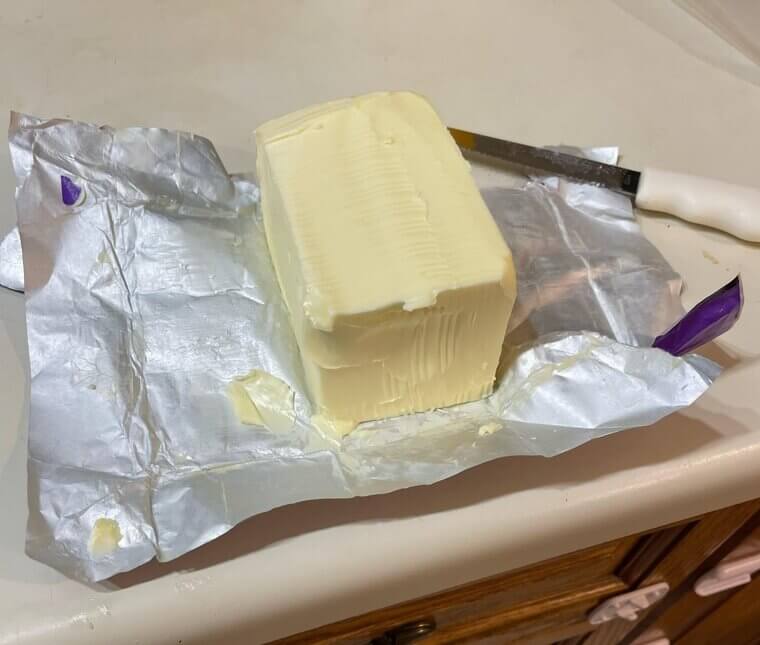
Before the low fat craze of the late 1970s and 1980s, people in the 1960s were not afraid of natural fats. Butter, lard, and cream were kitchen staples used in moderation. Ironically, the transition to "heart healthy" margarine and processed vegetable oils coincided with a rise in metabolic dysfunction. Your resolution to eat like it is 1960 involves ditching the plastic tubs of spread and returning to real butter. Natural fats provide fat soluble vitamins like A, D, and K2, which are vital for bone health and immune function. Furthermore, these fats provide a level of satisfaction that low fat processed foods cannot match, leading to fewer cravings later in the day. When you stop fearing natural fats, you stop needing the sugar and thickeners that manufacturers use to make low fat food palatable.
Seasonal Vegetable Consumption
The 1960s diet was naturally restricted by what was in season. While we now have the luxury of eating strawberries in January, those out of season crops are often lacking in flavor and nutrients compared to local, seasonal produce. Embracing a vintage diet means focusing on vegetables that are currently at their peak. In the winter, this might mean root vegetables, cabbage, and hardy greens. In the summer, it means fresh tomatoes and cucumbers. This variety ensures a broad spectrum of phytonutrients throughout the year. Additionally, 1960s portions of vegetables were generous but simple, usually steamed or roasted with a bit of salt and butter. By avoiding the heavy, processed dressings of the modern era, you allow the true nutritional profile of the plants to shine through while keeping your calorie count in check.

Eliminating Liquid Sugar and Soda
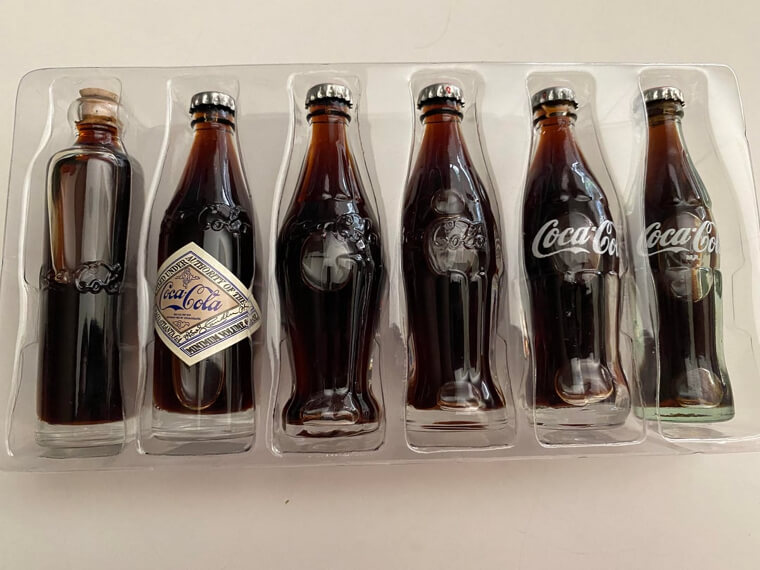
While soda existed in the 1960s, it was a rare treat served in small 8 ounce glass bottles, not a daily hydration source served in 32 ounce plastic cups. The sheer volume of liquid sugar consumed today is a primary driver of the obesity epidemic. To truly honor a 1960s resolution, you must return to water, coffee, and tea as your primary beverages. If you do have a soda, it should be an occasional indulgence, not a staple of your lunch. Removing high fructose corn syrup from your liquid intake will have an immediate impact on your energy levels and waistline. In the 1960s, "juice" was also consumed in small quantities, usually a small glass of orange juice with breakfast, rather than the massive containers common today. Water remains the ultimate tool for health and detoxification.
Traditional Grains and Real Bread
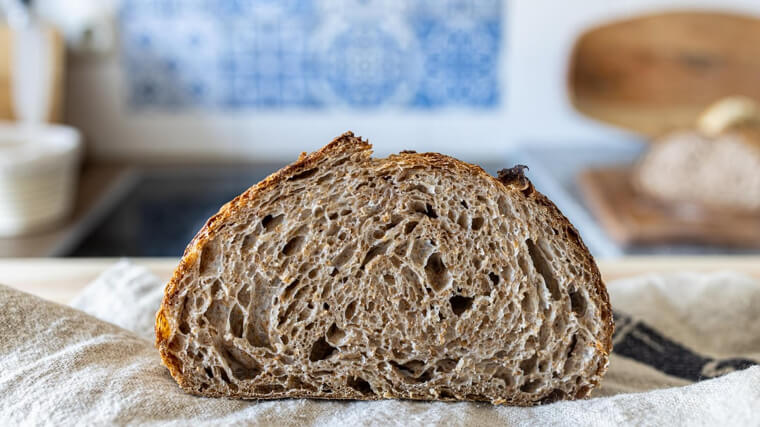
The bread of the 1960s was vastly different from the soft, shelf stable loaves found in supermarkets today that stay mold free for weeks. Modern bread is often loaded with dough conditioners, extra gluten, and sugar. A 1960s approach to grains involves seeking out real sourdough or rye breads that contain only a few ingredients: flour, water, salt, and yeast. Furthermore, grains like oats and rice were served as side dishes rather than being processed into sugary cereals or flour based snacks. By choosing intact grains and traditionally prepared breads, you reduce the glycemic load on your body and avoid the inflammatory additives found in industrial baking. This resolution is about quality over quantity, choosing a single slice of high quality toasted bread over a mountain of processed white buns.
The Discipline of Portion Control
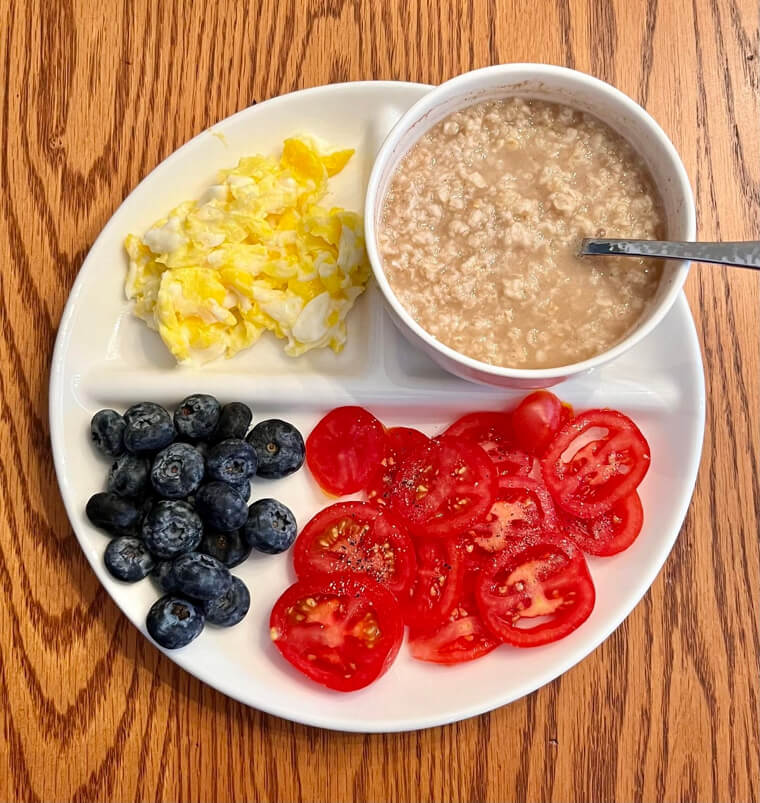
If you look at dinner plates from the 1960s, they are significantly smaller than the "charger" sized plates used in modern homes. This physical constraint naturally limited portion sizes. People in the 1960s ate until they were satisfied, not until they were uncomfortably full. Your resolution should include an audit of your serving sizes. A standard serving of meat should be about the size of a deck of cards, and starches should occupy only a small corner of the plate. By reverting to these historical norms, you practice mindful eating without the need for complex calorie counting apps. The 1960s diet relies on the inherent structure of the meal to maintain balance. When you eat high quality, nutrient dense food, your body’s natural satiety signals work more effectively, making portion control feel like a natural byproduct rather than a chore.
Dessert as a Special Occasion
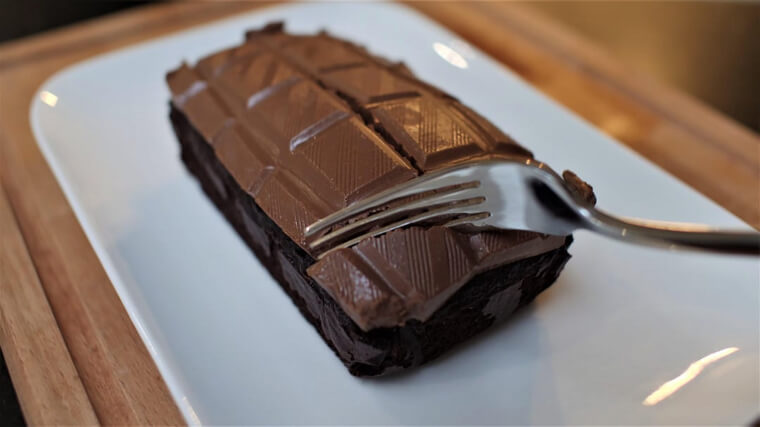
In the 1960s, dessert was something served on Sunday evenings or at dinner parties, not something consumed after every single lunch and dinner. Today, sugar is hidden in everything from salad dressing to pasta sauce, meaning we are effectively eating dessert all day long. A 1960s resolution requires a strict reclassification of sweets. By removing processed treats from your daily routine, you sensitize your taste buds to the natural sweetness of fruit. When you do choose to have a real dessert, such as a piece of homemade pie or a scoop of high quality ice cream, it becomes a meaningful experience rather than a mindless habit. This restoration of the "treat" status for sugar is vital for breaking the cycle of dopamine driven overeating that characterizes the modern diet. It is about enjoying life’s pleasures without becoming a slave to them.